
Main Points :
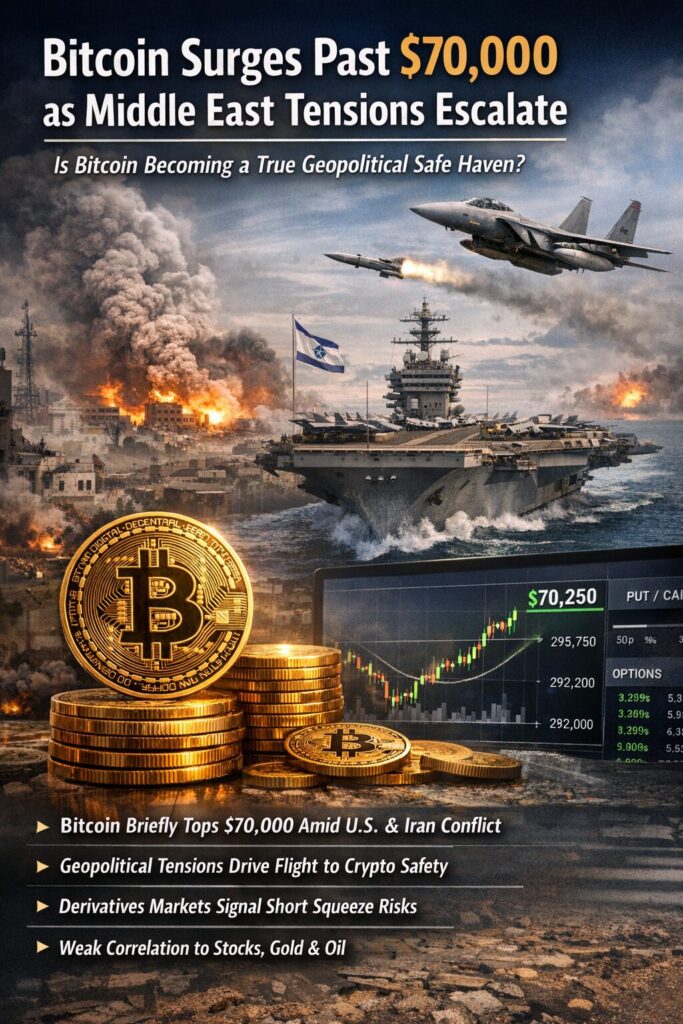
- Bitcoin briefly surged above $70,000 following reports of U.S. and Israeli military action against Iran.
- Rising geopolitical tensions have accelerated Bitcoin’s re-evaluation as a non-sovereign, censorship-resistant asset.
- Derivatives markets show rising open interest and deeply negative funding rates, increasing the likelihood of short squeezes.
- Options positioning indicates growing upside hedging and speculative demand.
- Correlation with traditional assets such as the S&P 500, gold, and oil remains weak.
- Historical parallels (Russia–Ukraine 2022, Israel–Gaza 2023) suggest Bitcoin tends to strengthen during payment system disruptions.
- Energy price spikes could pressure miners, potentially creating supply-side volatility.
- Structural narratives — sovereign risk hedging, capital mobility, AI-mining convergence — are reshaping Bitcoin’s macro role.
1. Bitcoin Breaks $70,000 Amid Escalating Conflict
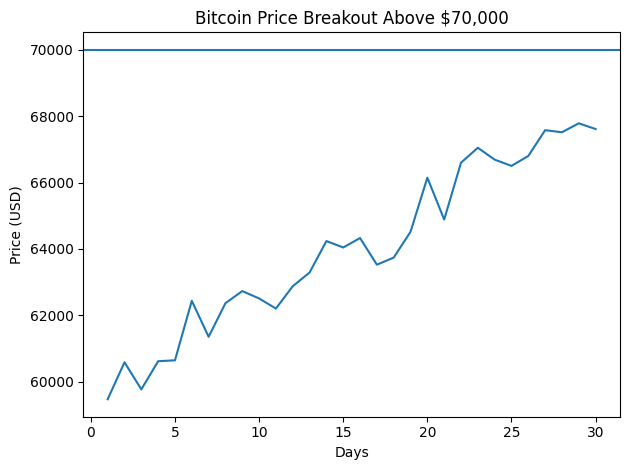
Bitcoin (BTC) surged sharply, briefly breaking above the psychologically significant $70,000 threshold immediately after the U.S. market opened, following reports of coordinated U.S. and Israeli military actions targeting Iran.
The rally occurred against a backdrop of rising geopolitical instability. Former President Donald Trump reportedly stated that the military operation could extend beyond “four to five weeks,” raising concerns about prolonged regional instability. Simultaneously, reports that Iran’s Revolutionary Guard could consider closing the Strait of Hormuz intensified fears surrounding global energy supply chains and international payment networks.
In such moments of uncertainty, capital often seeks refuge. Traditionally, gold and U.S. Treasuries have served as safe-haven assets. However, Bitcoin’s rally suggests that a new category of asset — one that operates outside sovereign control — is increasingly viewed as an alternative store of value.
Unlike fiat currencies, Bitcoin is not issued or governed by any nation-state. Unlike banking systems, it cannot be excluded from SWIFT. And unlike physical commodities, it can be transferred across borders within minutes. These properties appear to be gaining renewed relevance.
2. Capital Flight and the Repricing of Sovereign Risk
Geopolitical conflict often introduces two forms of risk:
- Currency risk — the potential for devaluation or capital controls
- Settlement risk — restrictions on international payment networks
When SWIFT access is restricted or sanctions intensify, cross-border capital mobility becomes constrained. Bitcoin offers a parallel settlement rail immune to such centralized bottlenecks.
Recent data indicates that Iranian cryptocurrency exchanges saw an eightfold increase in capital outflows during the escalation period. While exact figures vary across reporting platforms, blockchain monitoring firms observed significant wallet movements consistent with capital flight behavior.
For investors globally, the lesson is broader: in times of geopolitical fragmentation, digital bearer assets gain relative appeal.
3. Derivatives Market Signals: Short Squeeze Potential
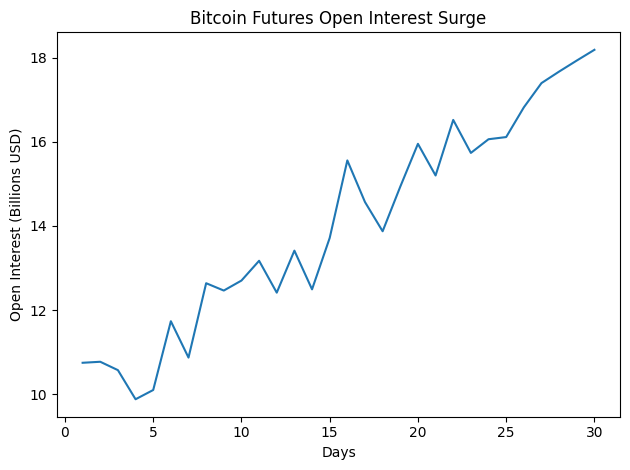
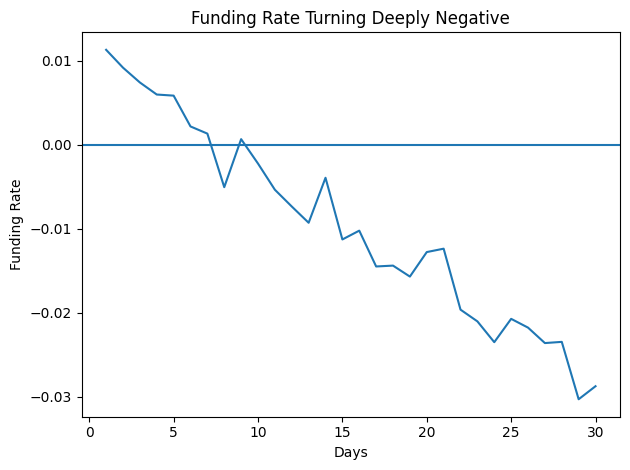
In derivatives markets, active open interest (OI) surged sharply alongside price action. At the same time, funding rates fell deeply into negative territory.
This combination is notable.
Negative funding rates indicate that short sellers are paying long holders — suggesting heavy short positioning despite rising prices. When prices continue to rise under these conditions, forced short covering (short squeeze) can accelerate upside momentum.
Options markets reinforce this narrative. Call option open interest above current spot levels increased compared to the previous day, implying:
- Upside hedging against geopolitical escalation
- Speculative positioning for breakout continuation
Such positioning reflects growing conviction among market participants that Bitcoin’s rally may extend further.
4. Weak Correlation with Traditional Assets
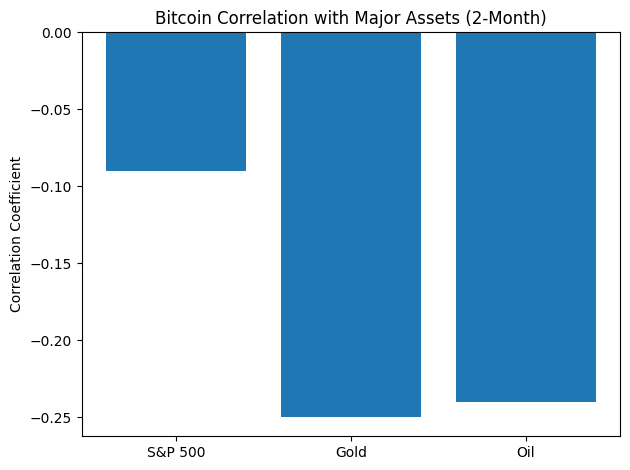
Over the past two months:
- Correlation with the S&P 500: –0.09
- Correlation with Gold: –0.25
- Correlation with Crude Oil: –0.24
These readings indicate no strong directional relationship.
Bitcoin’s current rally appears driven primarily by crypto-native and geopolitical catalysts rather than equity market trends or commodity movements.
This decoupling is strategically important. For portfolio managers seeking diversification, assets that exhibit low correlation during stress events are particularly valuable.
Bitcoin is increasingly displaying such characteristics.
5. Historical Precedents: Conflict and Bitcoin Appreciation
History provides useful context.
Russia–Ukraine War (2022)
After Russia’s invasion of Ukraine, major Russian banks such as Sberbank were removed from the SWIFT system. Capital transfer restrictions intensified. Shortly thereafter, Bitcoin rebounded sharply from local lows as global attention turned toward censorship-resistant payment rails.
Israel–Gaza Conflict (October 2023)
During heightened tensions in the Middle East in late 2023, Bitcoin similarly strengthened while traditional markets exhibited volatility.
These episodes do not imply that war “causes” Bitcoin rallies. Rather, they highlight how systemic payment risk and sovereign fragility tend to elevate demand for neutral digital settlement assets.
6. The Energy Factor: A Double-Edged Sword
However, the current conflict differs in one crucial respect: it centers around a major oil-producing region.
If oil prices spike sharply, electricity costs — a primary expense for Bitcoin miners — could rise significantly.
Higher energy prices compress mining profitability. Miners facing margin pressure may:
- Liquidate BTC reserves
- Delay expansion plans
- Redirect capital toward alternative compute uses
Recently, several mining companies have begun reallocating data center capacity toward AI and high-performance computing (HPC) workloads, which may offer more stable returns under certain energy conditions.
(Oil Price vs Bitcoin Mining Profitability Model)
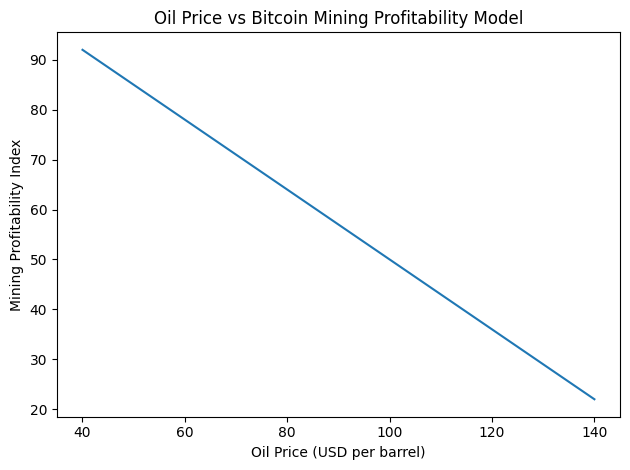
If energy price inflation and AI infrastructure conversion accelerate simultaneously, Bitcoin could face increased sell pressure from miners, potentially capping upside momentum.
Thus, while geopolitical risk may boost demand, supply-side dynamics introduce balancing forces.
7. Macro Calendar and Market Sensitivities
Key upcoming macro events include:
- U.S. ISM Manufacturing Index
- FIN/SUM fintech event in Japan
- U.S. Retail Sales data
If macroeconomic indicators weaken while geopolitical risks persist, Bitcoin’s non-correlated narrative may strengthen further.
Conversely, strong economic data could shift capital back toward equities temporarily.
8. Strategic Implications for Investors and Builders
For readers seeking new digital assets, revenue opportunities, and practical blockchain applications, this environment offers several insights:
1. Bitcoin as Macro Hedge Infrastructure
Bitcoin is evolving beyond speculative trading toward macro risk hedging infrastructure. Treasury managers and sovereign wealth funds may increasingly treat BTC as a geopolitical insurance asset.
2. Stablecoin and Settlement Rails
Rising sovereign risk highlights opportunities in:
- Decentralized stablecoin infrastructure
- Cross-border settlement protocols
- On-chain FX and remittance solutions
3. Mining + AI Convergence
The intersection of energy markets, AI compute demand, and Bitcoin mining may create hybrid business models. Investors should monitor publicly listed miners diversifying into AI data centers.
4. Derivatives and Volatility Products
Increased geopolitical volatility expands opportunities in:
- Options trading
- Structured yield products
- Volatility arbitrage strategies
Conclusion: Bitcoin’s Identity Is Shifting
Bitcoin’s surge above $70,000 amid escalating Middle East tensions marks more than a technical breakout.
It reflects a structural shift in perception.
Bitcoin is increasingly viewed as:
- A non-sovereign monetary hedge
- A parallel settlement system
- A geopolitical risk instrument
- A capital mobility safeguard
However, risks remain. Energy price shocks, miner liquidations, and macroeconomic reversals could temper upside momentum.
The critical question is no longer whether Bitcoin behaves like a risk asset or a safe haven.
Instead, the emerging answer may be:
Bitcoin behaves like a sovereign hedge — activated when the credibility of traditional systems is tested.
For investors and blockchain builders alike, understanding this transformation is essential. The market is not merely reacting to headlines — it is repricing the architecture of trust in a fragmented world.
