
Key Takeaways :
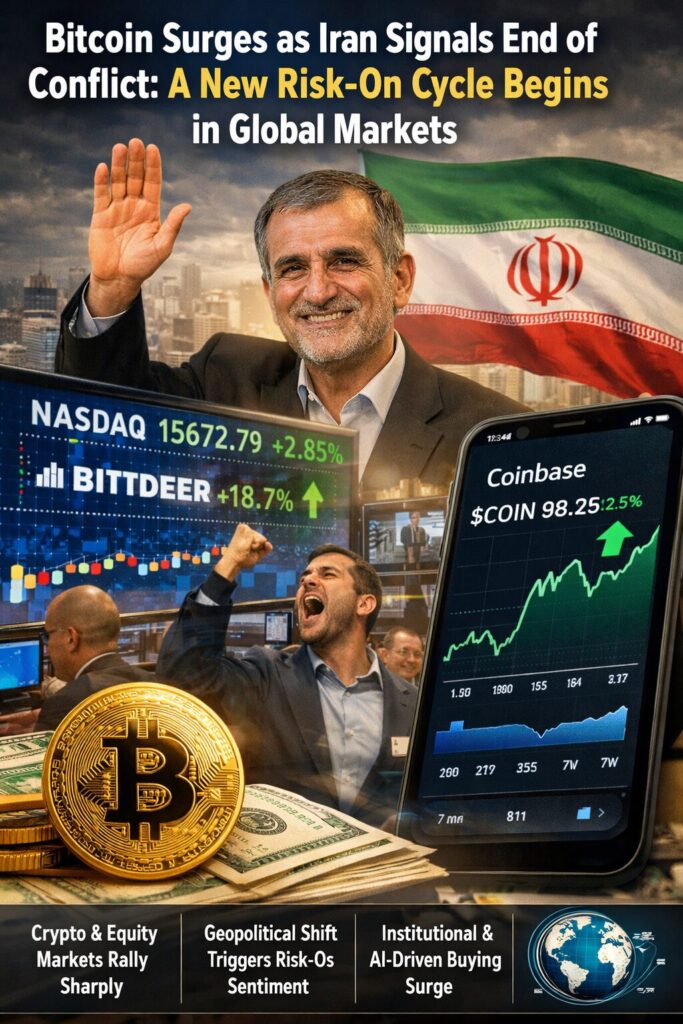
- Statements from Masoud Pezeshkian suggesting readiness to end conflict triggered a sharp rally in crypto and equities
- Bitcoin surged alongside crypto-related stocks such as Coinbase and Bitdeer
- Global markets, including the Nasdaq Composite, shifted rapidly into a risk-on environment
- Macro geopolitics is increasingly acting as a catalyst for digital asset flows
- Institutional and AI-driven narratives continue to reinforce long-term crypto upside
Introduction: When Geopolitics Meets Crypto Markets
In early April 2026, global financial markets experienced a sharp and synchronized rally following reports that Iran’s president, Masoud Pezeshkian, expressed readiness to end ongoing geopolitical tensions. This statement, while not yet a formal ceasefire, was enough to dramatically shift investor sentiment worldwide.
Within hours, capital began rotating aggressively into risk assets. Among the biggest beneficiaries was Bitcoin, which surged alongside technology stocks, crypto-related equities, and broader indices such as the Nasdaq Composite.
This event highlights a critical evolution in modern finance: cryptocurrency markets are no longer isolated speculative arenas—they are now deeply intertwined with macroeconomic and geopolitical dynamics.
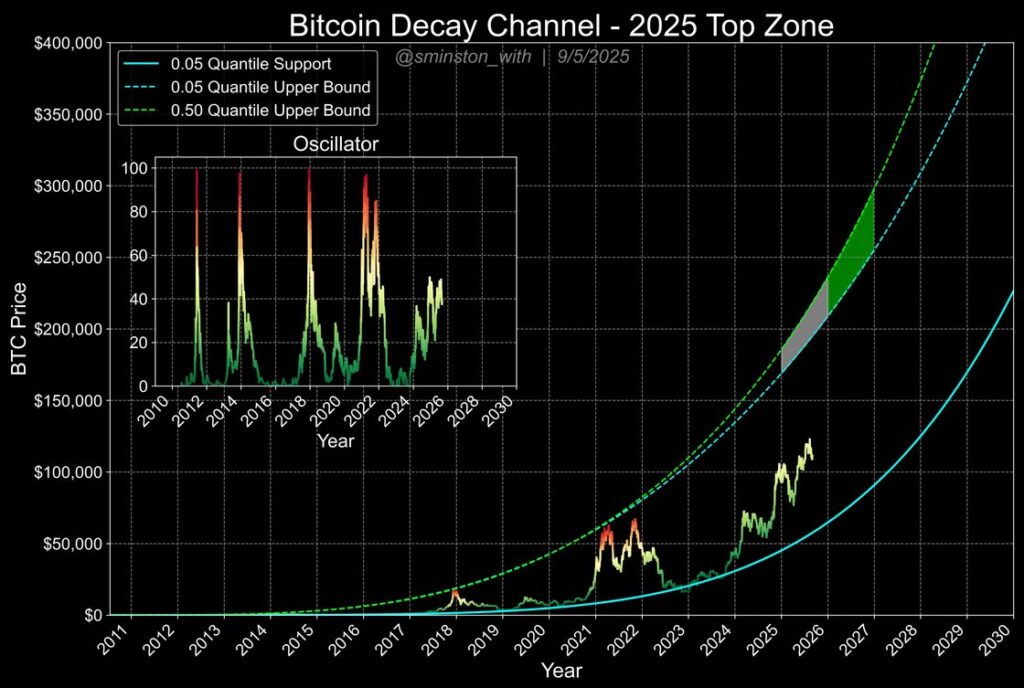
Bitcoin Price Surge Following Geopolitical De-escalation
1. Immediate Market Reaction: A Classic Risk-On Shift
The market response to the geopolitical signal was both swift and broad-based. Investors, previously positioned defensively due to Middle East tensions, rapidly shifted into higher-risk assets.
Bitcoin led the charge, reflecting its dual identity as both a speculative asset and a macro-sensitive instrument. At the same time, equity markets rallied sharply. Shares of Coinbase jumped approximately 9% shortly after market open, reflecting expectations of increased trading volume and renewed retail participation.
Even more notable was the performance of Bitdeer, which surged over 12% intraday. This indicates that the rally was not limited to spot crypto but extended into infrastructure and mining sectors—areas often seen as leveraged plays on Bitcoin’s price.
Meanwhile, the Nasdaq Composite recorded strong gains, confirming that this was not an isolated crypto event but part of a broader macro shift toward risk-taking.
2. The Macro Narrative: From Risk-Off to Risk-On
To understand the magnitude of this move, one must examine the concept of “risk-on” versus “risk-off” environments.
During periods of geopolitical instability—such as escalating tensions between the United States and Iran—markets tend to move into risk-off mode, favoring assets like government bonds, gold, and cash equivalents. Cryptocurrency, despite its “digital gold” narrative, has increasingly behaved like a high-beta risk asset in recent years.
However, the suggestion of conflict resolution triggered a rapid unwind of defensive positioning. Investors began reallocating capital into growth-oriented sectors, including:
- Technology equities
- Crypto assets
- AI infrastructure companies
- Emerging market plays
This rotation reflects a broader truth: modern crypto markets are heavily influenced by liquidity conditions and global sentiment, not just blockchain-specific developments.
3. Bitcoin’s Role: From Hedge to Liquidity Proxy
Historically, Bitcoin has been described as a hedge against inflation and geopolitical uncertainty. However, recent cycles suggest a more nuanced role.
In this instance, Bitcoin behaved less like gold and more like a liquidity proxy—a high-volatility asset that benefits when capital flows freely into markets.
Several factors explain this behavior:
3.1 Institutional Participation
The rise of institutional investors has transformed Bitcoin’s market structure. Hedge funds, asset managers, and even sovereign entities now treat BTC as part of a diversified portfolio, adjusting exposure based on macro signals.
3.2 Correlation with Tech Stocks
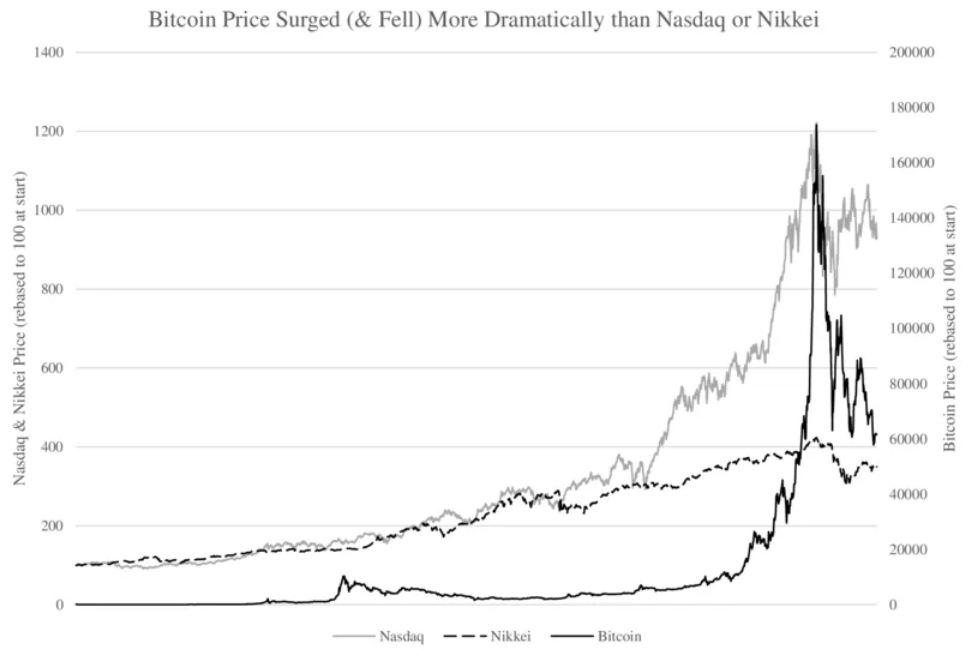
Bitcoin’s correlation with indices like the Nasdaq Composite has increased significantly. As tech stocks rallied, Bitcoin followed, reinforcing its position within the broader risk asset ecosystem.
3.3 Liquidity Sensitivity
Bitcoin thrives in environments of expanding liquidity. When geopolitical risks decline, central banks and investors are more willing to deploy capital, benefiting crypto markets.
Correlation Between Bitcoin and Nasdaq
4. Mining and Infrastructure: Leveraged Plays on Bitcoin
The outsized gains in companies like Bitdeer reveal an important dynamic: crypto infrastructure firms act as leveraged proxies for Bitcoin’s performance.
Mining companies benefit from:
- Higher BTC prices (increased revenue per block)
- Improved investor sentiment
- Access to capital for expansion
Additionally, many mining firms are now integrating AI and high-performance computing (HPC) capabilities, creating a hybrid narrative that appeals to both crypto and tech investors.
This dual positioning—crypto plus AI—has become a powerful driver of valuation in 2025–2026.
5. The Broader Context: Crypto in a Geopolitical World
The recent rally underscores a broader shift: cryptocurrency markets are increasingly responsive to global political developments.
Key trends include:
5.1 Geopolitical Sensitivity
Events in regions like the Middle East, Eastern Europe, and Asia now have immediate impacts on crypto markets.
5.2 Institutional Integration
With firms like Coinbase acting as gateways for institutional capital, crypto is now embedded in the global financial system.
5.3 Narrative Convergence
Crypto is no longer just about decentralization—it is now part of larger narratives involving:
- AI infrastructure
- Digital payments
- Financial sovereignty
- Tokenized assets
6. Opportunities for Investors and Builders
For readers seeking new crypto assets, revenue streams, or practical blockchain applications, this shift presents several opportunities.
6.1 Trading Opportunities
Short-term traders can capitalize on macro-driven volatility, using geopolitical signals as catalysts.
6.2 Infrastructure Investment
Companies involved in mining, custody, and AI integration offer leveraged exposure to crypto growth.
6.3 Real-World Applications
As risk-on environments encourage innovation, blockchain applications in payments, remittances, and decentralized finance (DeFi) continue to expand.
7. Risks to Consider
Despite the optimism, risks remain:
- Geopolitical statements may not translate into actual policy changes
- Market rallies can reverse quickly if tensions re-escalate
- Crypto remains highly volatile and sentiment-driven
Investors must balance opportunity with caution, particularly in rapidly shifting macro environments.
Conclusion: A Turning Point for Crypto-Macro Integration
The surge in Bitcoin following signals from Masoud Pezeshkian is more than just a short-term market reaction—it is a reflection of a deeper transformation in global finance.
Cryptocurrency is no longer a fringe asset class. It has become a core component of the modern financial system, responding dynamically to geopolitical events, liquidity conditions, and technological innovation.
As markets continue to evolve, the ability to interpret macro signals will become increasingly critical for crypto investors, builders, and institutions alike.
