
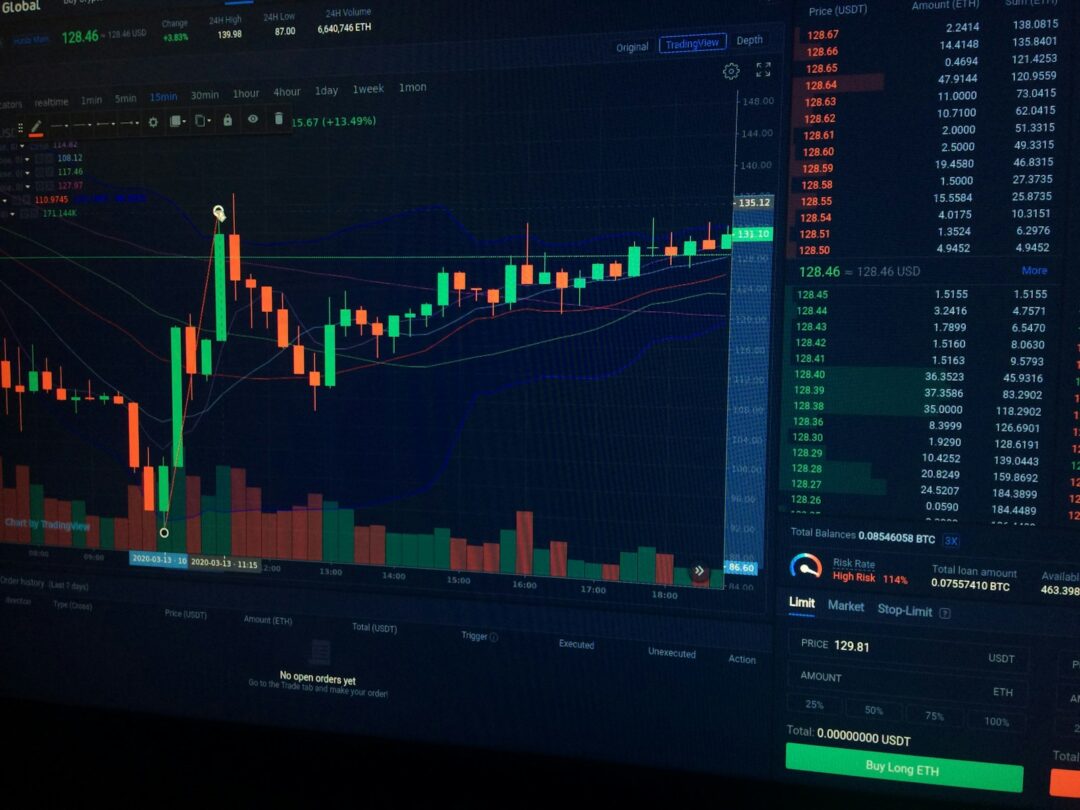
Market Overview
Digital asset markets are stabilizing after a risk-off move earlier this week, with Bitcoin trading near $63,150, Ethereum near $1,624.95, and XRP near $1.059 as of the latest market check. Bitcoin’s intraday range between approximately $61,668 and $63,357 suggests that buyers are defending the low-$60,000 area, but momentum remains below the levels required to confirm a durable institutional re-accumulation phase.
The market remains sensitive to macro and geopolitical headlines. CoinDesk reported on July 8 that Bitcoin and Ether fell more than 2% after renewed U.S.-Iran tensions weakened risk appetite, while altcoin liquidations accounted for the majority of the day’s broader crypto liquidation pressure.
Institutional flows are providing a partial offset. The Economic Times reported on July 9 that Bitcoin ETF inflows of approximately $143 million helped cushion the decline near $62,000, while Farside Investors data showed positive U.S. Bitcoin ETF flows earlier in the week, including $265.7 million on July 6 and $54.8 million on July 7.
Bitcoin Market Analysis
BTC Narrative
Bitcoin remains the central institutional risk proxy in digital assets. The recovery toward $63,000 is constructive because it shows demand returning around the $61,500 to $62,000 support area, but the move still appears more defensive than expansionary. ETF inflows have improved, yet the market has not produced the sustained spot bid normally associated with a stronger trend reversal.
The ETF signal is positive but not yet decisive. CoinDesk reported that U.S.-listed Bitcoin ETFs took in $221.7 million on July 2, ending a 10-day outflow streak, but also noted that year-to-date ETF outflows remained steep. More recent flow data indicates that demand has improved, though still in a tactical rather than structurally bullish pattern.
Derivatives positioning also argues for caution. CoinDesk reported on July 7 that Bitcoin retreated from a two-week high near $64,500 as falling open interest and weak spot demand raised questions about the sustainability of July’s rebound. That combination suggests leverage is not yet aggressively rebuilding, but it also shows that spot demand remains insufficient to force a clean breakout.
BTC Technical & Liquidity Structure
Primary support is concentrated between $61,500 and $62,000, followed by the more important recovery-defense level near $60,000. A sustained break below $60,000 would weaken the stabilization thesis and reopen the $58,000 liquidity zone.
Initial resistance sits between $63,350 and $64,500, followed by the broader supply band around $65,000 to $68,000. Bitcoin needs acceptance above $65,000 before the market can treat the move as a renewed accumulation phase rather than a defensive rebound.
BTC Forecast
The base case is cautious stabilization. Sustained ETF inflows could support another test of $64,500 to $65,000, but a renewed deterioration in geopolitical risk appetite or a return to ETF outflows would likely push Bitcoin back toward the $60,000 pivot.
Ethereum Market Analysis
ETH Narrative
Ethereum remains demand-constrained despite holding near $1,625. The asset has benefited from renewed ETF demand, but the broader structure still reflects tactical participation rather than a decisive institutional reallocation into smart-contract beta.
ETF flows have improved. PricePredictions.com reported on July 9, citing Cointelegraph, that U.S. spot Ether ETFs took in approximately $70.48 million on July 8, even as several other crypto fund categories saw outflows. This is a constructive divergence, but Ethereum still needs several sessions of persistent inflows before the signal becomes strong enough to shift the medium-term allocation view.
Derivatives activity remains supportive but leverage-sensitive. CoinDesk reported that Ether futures open interest recently stood near 14.31 million, the highest since June 10, while annualized funding rates were close to 10%. That points to growing bullish exposure, but also raises the risk that leveraged positioning could unwind quickly if spot demand weakens.
ETH Technical & Liquidity Structure
Ethereum support is concentrated between $1,560 and $1,600. A sustained break below this band would weaken the stabilization attempt and expose deeper downside levels near $1,500 and $1,400.
Resistance is located between $1,650 and $1,700, followed by the broader recovery zone near $1,750 to $1,850. Ethereum needs to reclaim $1,700 before institutional buyers are likely to treat the structure as improving materially.
ETH Forecast
The outlook is defensive to neutral with a modestly improving flow backdrop. Continued Ether ETF inflows would support a move toward $1,700, but failure to hold $1,600 would likely return the market to a balance-sheet repair phase rather than a recovery phase.
XRP Market Analysis
XRP Narrative
XRP continues to hold the strongest relative-flow profile among the three assets, although absolute upside remains dependent on Bitcoin’s ability to defend the broader market recovery. XRP is trading near $1.059, keeping the $1.00 support area intact while institutional and regulatory narratives remain comparatively supportive.
Regulatory momentum remains a relative strength factor. CoinDesk reported in late June that Ripple received preliminary approval for a Luxembourg CASP license under the EU’s MiCA framework, which could allow broader crypto service expansion across the bloc once final conditions are satisfied.
Liquidity conditions are cleaner than during the prior leverage cycle. CoinDesk reported that XRP active addresses jumped 72% over two weeks while open interest fell to its lowest level since July 2025, giving traders a less crowded setup even as price remained trapped below resistance. Ripple’s own market commentary also cited cumulative XRP ETF inflows above $1.50 billion by early March 2026, reinforcing the institutional-wrapper narrative.
XRP Technical & Liquidity Structure
XRP support is concentrated between $1.03 and $1.04, followed by the psychological $1.00 level. A sustained break below $1.00 would weaken the relative-strength thesis and likely trigger additional systematic selling.
Resistance sits between $1.07 and $1.10, followed by the broader $1.13 to $1.18 supply zone. A close above $1.10 would stabilize the short-term structure, while a move above $1.18 would suggest stronger momentum participation.
XRP Forecast
The outlook remains constructive relative to Bitcoin and Ethereum but neutral in absolute terms. XRP has the cleaner relative-flow and regulatory narrative, but stronger upside likely requires Bitcoin to hold above $61,500 and reclaim $65,000.
Key Levels and Forecast Table
| Asset | Institutional Theme | Key Support | Key Resistance | ETF/Fund Flow Trend | Near-Term Outlook |
|---|---|---|---|---|---|
| Bitcoin (BTC) | ETF Inflows Cushion Risk-Off Pressure | $61,500-$62,000 | $63,350-$65,000 | Improving but Still Tactical | Cautious Stabilization |
| Ethereum (ETH) | Renewed ETF Demand, Leverage-Sensitive Recovery | $1,560-$1,600 | $1,650-$1,700 | Improving but Unconfirmed | Defensive to Neutral |
| XRP | Relative Flow and Regulatory Strength | $1.03-$1.04 | $1.07-$1.10 | Positive Relative Fund Narrative | Constructive Relative, Neutral Absolute |
Final Assessment
The digital asset market is no longer in the acute liquidation phase, but it has not yet entered a confirmed institutional accumulation phase. Bitcoin’s stabilization near $63,000 is constructive, especially with ETF inflows returning, but the market still needs acceptance above $65,000 and stronger spot demand to confirm a durable recovery.
Ethereum’s ETF flow improvement is the most important incremental change, but the asset remains vulnerable if leveraged long exposure outruns spot demand. XRP continues to hold the strongest relative profile, supported by cleaner leverage, regulatory progress, and institutional-wrapper narratives. The next decisive signal is whether ETF demand across Bitcoin and Ethereum becomes consistent rather than episodic; until then, rallies should be treated as tactical and liquidity-sensitive.