
Main Points :
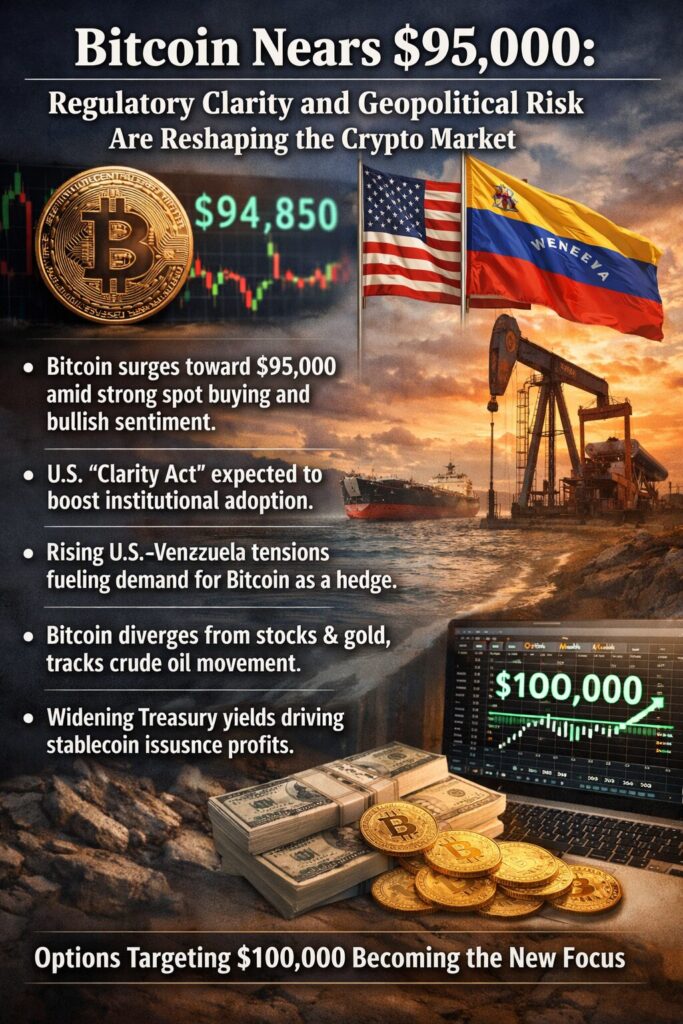
- Bitcoin has surged toward the $95,000 level, supported by strong spot buying pressure and growing bullish sentiment in derivatives markets.
- Anticipation surrounding the revised U.S. “Clarity Act” is strengthening expectations for regulatory certainty, encouraging institutional participation.
- Rising geopolitical tensions between the United States and Venezuela appear to be reinforcing Bitcoin’s role as a hedge asset.
- Correlation analysis shows Bitcoin diverging from equities and gold, while increasingly tracking crude oil amid geopolitical risk.
- A widening U.S. Treasury yield curve is indirectly boosting crypto markets by improving the profitability of stablecoin issuance.
- Options markets reveal a clear shift toward $100,000 as the next psychological target.
1. Market Overview: Bitcoin’s Steady Ascent Toward $95,000
As of the morning of January 6, 2026 (09:00 AM JST), Bitcoin (BTC) has maintained a strong upward trend since the beginning of the year, briefly approaching the $95,000 level on major spot exchanges such as Coinbase. This move has not been driven by speculative excess alone, but rather by a combination of structural, regulatory, and macroeconomic factors that are reshaping the digital asset landscape.
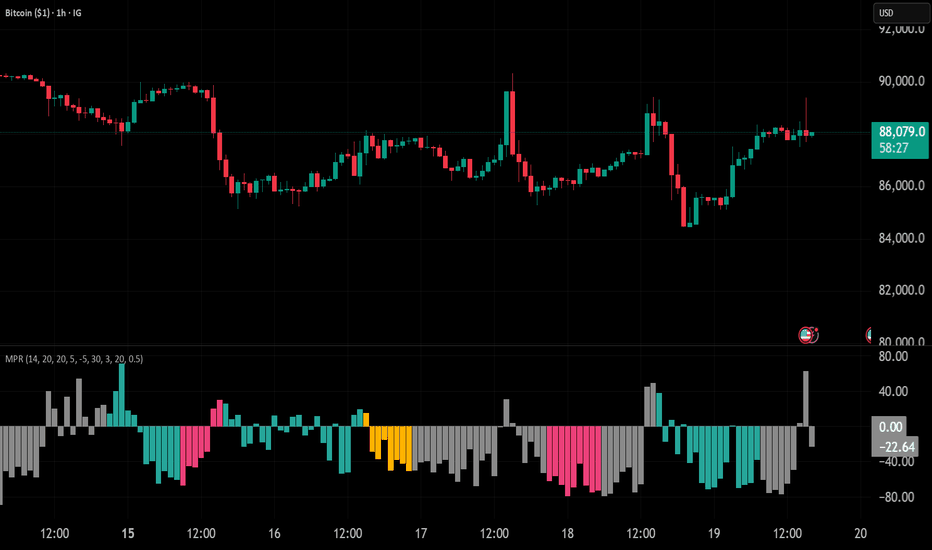
Unlike previous rallies dominated by retail-driven momentum, the current price action suggests a more disciplined accumulation phase. Spot market data indicates persistent buying interest, particularly during U.S. trading hours, where market participants appear willing to buy aggressively without waiting for pullbacks. This behavior points to strong conviction among buyers and suggests that short-term supply is being absorbed efficiently.
Bitcoin price trend and spot market buying pressure (Source: CoinPost Terminal)
2. The Clarity Act: Regulatory Certainty as a Catalyst
One of the most significant tailwinds for Bitcoin and the broader crypto market is the renewed focus on regulatory clarity in the United States. The revised discussions around the so-called “Clarity Act”—legislation aimed at clearly defining the regulatory framework for digital assets—have reignited optimism across the market.
If enacted, the Clarity Act is expected to delineate supervisory responsibilities between the Securities and Exchange Commission (SEC) and the Commodity Futures Trading Commission (CFTC). This distinction is critical. For years, regulatory ambiguity has been one of the primary deterrents preventing large non-crypto corporations and institutional investors from entering the space.
Clear rules reduce legal uncertainty, compliance risk, and operational friction. As a result, traditional financial institutions, fintech companies, and even non-financial corporates may find it easier to justify crypto exposure, whether through balance sheet holdings, payment integration, or tokenized financial products. Markets are pricing in this possibility well ahead of any formal passage, reflecting a forward-looking reassessment of Bitcoin’s long-term valuation.
3. Geopolitical Risk and the Return of “Crisis Buying”
In parallel with regulatory developments, geopolitical tensions are once again influencing crypto markets. Heightened friction between the United States and Venezuela has raised concerns over energy supply, sanctions enforcement, and broader regional instability.
Historically, Bitcoin has shown a recurring pattern during periods of military or geopolitical stress. Initial reactions often include short-term selling as investors reduce exposure to risk assets. However, this phase is frequently followed by renewed buying as Bitcoin is reclassified—not as a speculative instrument—but as an alternative hedge against political and monetary instability.
Recent market behavior aligns closely with this historical pattern. As tensions escalated, Bitcoin briefly experienced volatility before resuming its upward trajectory. This reinforces the narrative that Bitcoin is increasingly being treated as a non-sovereign, censorship-resistant asset, particularly attractive during periods of geopolitical uncertainty.
4. Spot Market Dynamics: Buyers Refuse to Wait
A closer look at spot order flow reveals a notable imbalance in favor of buyers. Market orders show continuous absorption of sell pressure, particularly during U.S. trading sessions. Rather than waiting for retracements, buyers appear willing to enter positions at prevailing prices, signaling urgency and confidence.
This behavior is important because it suggests that current demand is not merely tactical but strategic. Participants may be positioning ahead of anticipated regulatory developments or macro shifts, accepting short-term price risk in exchange for long-term exposure.
Spot market order flow showing persistent buy-side dominance

5. Options Market Signals: Eyes on $100,000
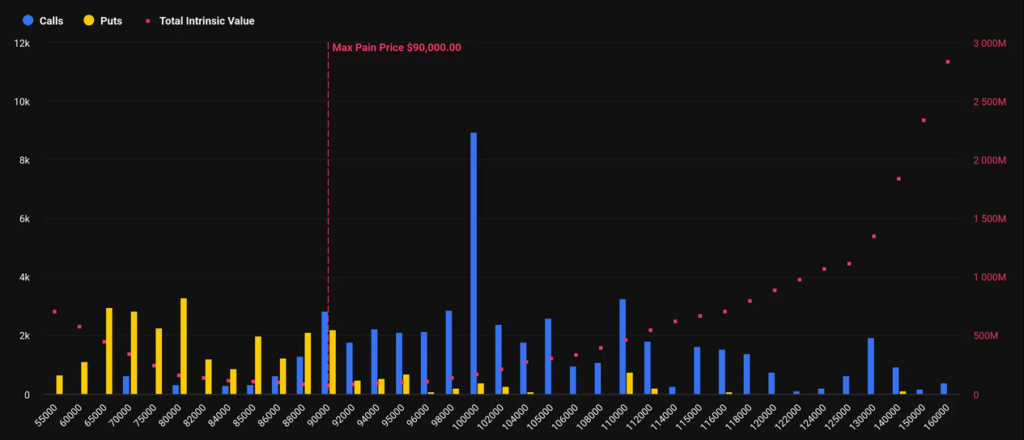
The derivatives market provides further insight into investor psychology. In the options market, open interest in call options has increased sharply, leading to a decline in the put-call ratio (PCR). A falling PCR generally indicates growing bullish sentiment, as traders favor upside exposure over downside protection.
Of particular interest is the accumulation of call positions around the $100,000 strike price. This level is emerging as the next major psychological milestone. While such positioning does not guarantee immediate price action, it does suggest that market participants are increasingly anchoring expectations around six-figure Bitcoin prices.
Options market data highlighting increased call positioning near $100,000
6. Cross-Asset Correlations: Bitcoin’s Changing Relationships
Correlation analysis over the past two months reveals a nuanced shift in Bitcoin’s macro relationships:
- S&P 500: –0.26 (weak inverse correlation)
- Gold: –0.56 (moderate inverse correlation)
- Crude Oil: +0.73 (strong positive correlation)
The weak inverse relationship with equities suggests that Bitcoin is no longer trading purely as a high-beta risk asset. Meanwhile, the stronger inverse correlation with gold implies competition between the two as alternative hedges.
The most striking result is Bitcoin’s strong positive correlation with crude oil. Oil prices, which had remained subdued through much of late 2025, have rebounded amid concerns over Venezuelan supply and geopolitical risk. Bitcoin’s parallel movement suggests that both assets are responding to the same macro driver: geopolitical uncertainty.
7. Yield Curve Dynamics and Stablecoin Economics
Another underappreciated factor supporting crypto markets is the widening spread between U.S. 10-year and 2-year Treasury yields. As the yield curve steepens, opportunities for yield generation through stablecoin issuance improve.
Stablecoin issuers typically invest reserves in short-term U.S. Treasuries. Higher yields directly translate into increased profitability, which can support ecosystem expansion, liquidity provision, and infrastructure investment. This dynamic indirectly benefits the broader crypto market by improving capital efficiency and reinforcing confidence in stablecoin-based settlement systems.
8. Historical Perspective: Lessons from Past Crises
Looking back at previous episodes of geopolitical stress—whether related to military conflict, sanctions, or global financial instability—Bitcoin has repeatedly demonstrated a two-phase response: initial volatility followed by structural repricing.
The current environment appears to be following this familiar trajectory. What differentiates today’s market from earlier cycles is the maturity of infrastructure, the presence of institutional participants, and the growing likelihood of regulatory clarity in major jurisdictions.
9. Outlook: Structural Tailwinds Remain Intact
If the Clarity Act advances toward passage, the implications could extend far beyond short-term price appreciation. Clear regulatory boundaries would lower entry barriers, improve market depth, and enhance price discovery. Combined with geopolitical uncertainty and supportive macro conditions, Bitcoin’s role as both a hedge asset and a financial infrastructure layer may continue to strengthen.
While volatility is inevitable, the broader trend suggests that Bitcoin is transitioning from a speculative experiment into a structurally integrated component of the global financial system.
Conclusion
Bitcoin’s approach toward the $95,000 level is not merely a price milestone—it is a reflection of deeper structural shifts. Regulatory clarity, geopolitical risk, evolving macro correlations, and improving crypto-native economics are converging to reshape market perception.
For investors seeking new digital assets, alternative revenue opportunities, or practical blockchain applications, the current environment underscores an important reality: Bitcoin is increasingly driven by fundamentals that extend well beyond speculation. As markets look toward $100,000 and beyond, the next phase of crypto adoption may be defined less by hype and more by integration.
