
Main Points :
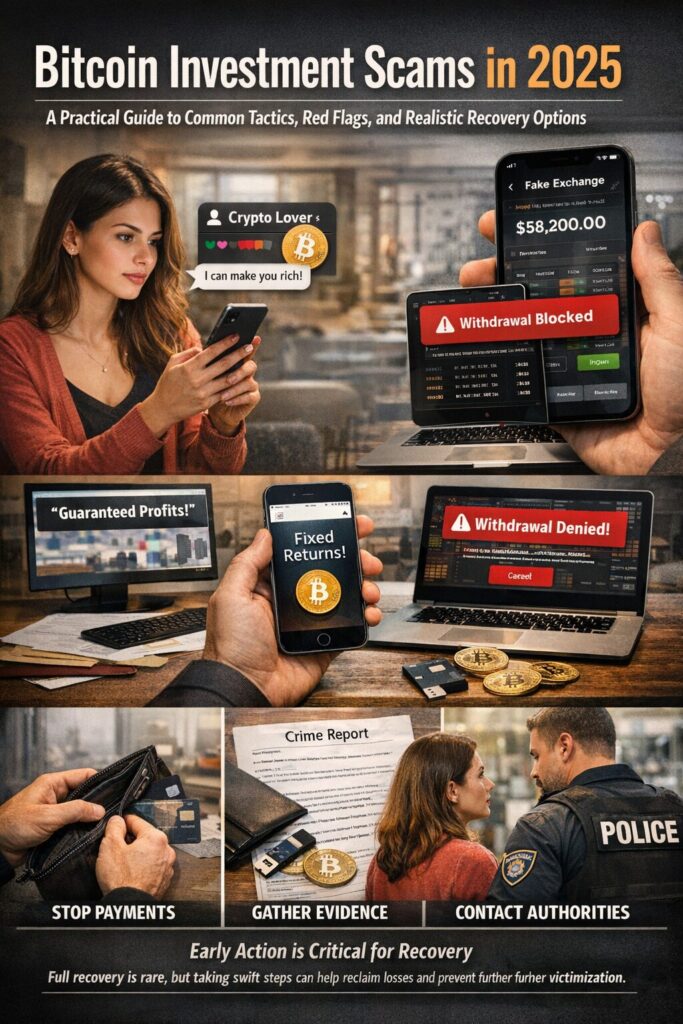
- Social media, messaging apps, and dating platforms have become the primary gateways for Bitcoin investment scams in 2025.
- Any promise of “guaranteed profits,” “principal protection,” or fixed monthly returns is a definitive indicator of fraud.
- Fake exchanges and investment apps often display fabricated profits while permanently blocking withdrawals.
- Victims must prioritize stopping further payments, preserving evidence, and contacting public authorities or qualified professionals immediately.
- While full recovery is difficult, early action can improve the chances of partial reimbursement and help prevent secondary victimization.
1. Introduction: Why Bitcoin Investment Scams Continue to Grow
Bitcoin has matured into a globally recognized digital asset, increasingly held by institutions, listed through ETFs, and discussed as a hedge against inflation. Ironically, this growing legitimacy has also created fertile ground for fraud.
In 2024–2025, global law enforcement agencies reported a sharp rise in crypto-related fraud, with social engineering replacing technical hacking as the dominant attack vector. Scammers no longer need to break cryptography; they only need to exploit trust, greed, fear, or loneliness.
Japan, the United States, Southeast Asia, and Europe have all reported similar patterns: fake investment advisors, romance-driven scams, and cloned exchanges that appear indistinguishable from legitimate platforms. The methods are sophisticated, psychologically refined, and often cross-border, making recovery difficult once funds are transferred.
This article provides a practical, experience-based overview of how modern Bitcoin investment scams operate, how to identify them early, and what victims can realistically do once they recognize the fraud.
2. A 30-Second Reality Check: Is This a Bitcoin Investment Scam?
Before diving into specific tactics, it is important to establish a simple diagnostic framework. In practice, a single red flag is usually enough to conclude that a scam is underway.
Common High-Risk Indicators
- You were approached via social media, a messaging app, or a dating platform by someone you had never met in person.
- You were added to an investment group where a “teacher,” “mentor,” or “assistant” gives trading instructions.
- The opportunity emphasizes guaranteed profits, fixed returns, or zero risk.
- The exchange or app is not listed with a recognized financial regulator.
- Profits appear on-screen, but withdrawals require “tax payments,” “guarantee deposits,” or “unlocking fees.”
- Payment destinations include personal bank accounts or unrelated corporate names.
If any one of these conditions applies, the probability of fraud is extremely high.
3. The Four Most Common Bitcoin Investment Scam Models in 2025
3.1 Romance Scams (International Romance Fraud)
Romance scams combine emotional manipulation with financial deception. Scammers build long-term relationships through dating apps or social networks, often posing as foreign professionals such as doctors, engineers, or entrepreneurs.
Once trust is established, the conversation gradually shifts to “financial independence” or “planning a future together.” Victims are then guided toward fake investment platforms controlled by the scammers.
A typical pattern involves allowing one or two small withdrawals to build confidence before encouraging a large final deposit. After that point, communication stops entirely.
3.2 LINE and Messaging Group Investment Scams
This model relies on group psychology. Victims are invited into chat groups where dozens of participants appear to share successful trading results. In reality, most participants are fake accounts controlled by the scammers.
The group environment creates urgency and fear of missing out. Targets feel social pressure to follow instructions and invest quickly. The exchanges used are always fraudulent, even if their names resemble legitimate platforms.
3.3 Ponzi Schemes Disguised as AI or High-Yield Trading
Ponzi-style crypto schemes often advertise automated trading bots, artificial intelligence, or proprietary algorithms claiming monthly returns of 10–30%.
No real trading occurs. Early participants are paid using funds from newer participants, creating the illusion of success. Once new inflows slow, the scheme collapses and operators disappear with the remaining funds.
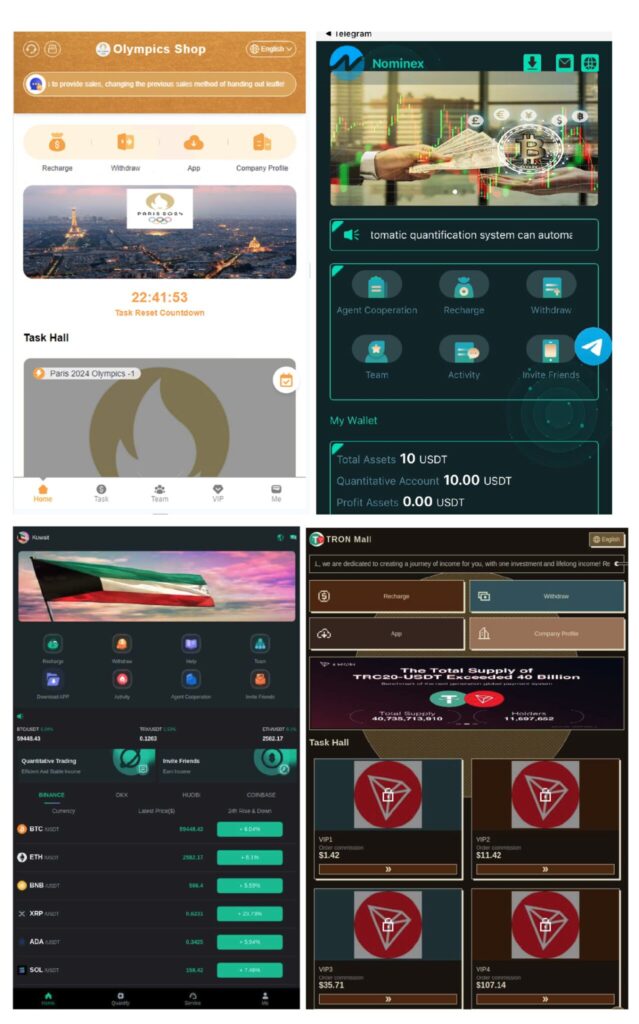
3.4 Fake Exchanges and Counterfeit Investment Apps
Fake exchanges are among the most dangerous scams because they look highly professional. Websites and apps closely imitate major platforms, sometimes even appearing temporarily in official app stores.
Balances and profits displayed on-screen are entirely fictional. Deposits are real, but withdrawals are permanently blocked under various pretexts such as tax payments or compliance reviews.
[Comparison diagram of real vs fake exchange user flows]
4. Immediate Action Plan: What to Do the Moment You Suspect Fraud
Step 1: Stop All Payments Immediately
No legitimate exchange or authority will require upfront payments to release funds. Any request for additional money is part of the scam.
Step 2: Preserve All Evidence
Before accounts disappear or websites shut down, collect and store:
- Full chat histories and screenshots
- Usernames, IDs, profile images, and contact details
- Bank transfer records or blockchain transaction hashes
- URLs, app screens, and balance displays
These materials are critical for police reports and potential legal action.
Step 3: Contact Public Authorities or Qualified Professionals
Victims should consult:
- Police consultation hotlines
- Consumer protection agencies
- Financial regulatory advisory desks
- Attorneys experienced in fraud or digital assets
Early reporting significantly improves response options.
5. Can Stolen Bitcoin Be Recovered?
The honest answer is that recovery is difficult but not always impossible.
Scenarios Where Recovery May Be Possible
- Funds transferred to domestic bank accounts that can be frozen quickly
- Credit card payments eligible for chargebacks
- Identifiable domestic perpetrators
Scenarios Where Recovery Is Unlikely
- Cross-border crypto transfers to private wallets
- Funds laundered through multiple exchanges
- Anonymous operators in non-cooperative jurisdictions
Warning: Secondary Scams Targeting Victims
After an initial loss, victims are often approached by fake “recovery services” demanding upfront fees. Only licensed attorneys can legally pursue recovery on a victim’s behalf.
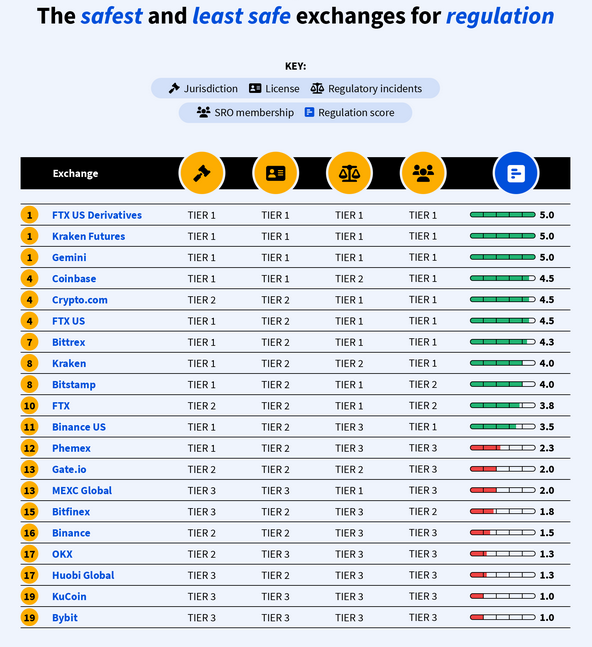
6. Choosing Legitimate Exchanges and Reducing Risk
Using regulated exchanges does not eliminate all risk, but it significantly reduces exposure to outright fraud. Legitimate platforms do not guarantee returns and do not block withdrawals arbitrarily.
[Flowchart of safe crypto transaction practices]
7. Broader Trends: Why These Scams Are Increasing
Several macro factors contribute to the surge in crypto fraud:
- Increased retail participation in digital assets
- Global economic uncertainty and inflation anxiety
- Cross-border anonymity of blockchain transactions
- Social media platforms optimized for rapid trust-building
Understanding these dynamics is essential for both individual investors and businesses operating in the crypto space.
8. Conclusion
Bitcoin itself is not a scam, but its global, irreversible, and pseudonymous nature makes it an ideal tool for fraud when combined with social engineering. In 2025, most victims are not careless; they are systematically manipulated.
The most effective defense remains education, skepticism toward guaranteed profits, and disciplined use of regulated platforms. When fraud is suspected, speed and evidence preservation are critical.
