

Main Points :
- Many analysts expect Bitcoin to face a prolonged downturn through 2026, potentially bottoming near $60,000.
- Despite price weakness, Bitcoin’s payment infrastructure and real-world usability are expanding rapidly.
- Veteran investors argue that 2026 may mark a structural turning point, separating speculation from genuine utility.
- Layer-2 technologies such as the Lightning Network are lowering friction and enabling micro-payments at scale.
- Institutional-grade payment integrations and Bitcoin-native banking services are reshaping how BTC is used.
1. Introduction: Why 2026 Matters More Than the Price Chart
Bitcoin has always moved in cycles—dramatic booms followed by painful corrections. Yet, not every downturn tells the same story. As Bitcoin heads toward 2026, the dominant narrative among analysts is undeniably cautious. Many expect continued downside pressure following the late-2025 peak, with some forecasting a prolonged bear phase extending well into 2026.
However, focusing solely on price obscures a deeper transformation underway. Beneath the surface, Bitcoin is steadily evolving from a speculative asset into a usable financial rail. Payment infrastructure is maturing, transaction friction is declining, and integration with everyday commerce is accelerating.
This raises a critical question for investors and builders alike: Could 2026 be remembered not as a lost year for Bitcoin, but as the year its real economic utility finally took center stage?
2. Price Outlook: Expectations of a Harsh but Familiar Cycle
[Bitcoin historical price cycles and drawdowns (USD)]
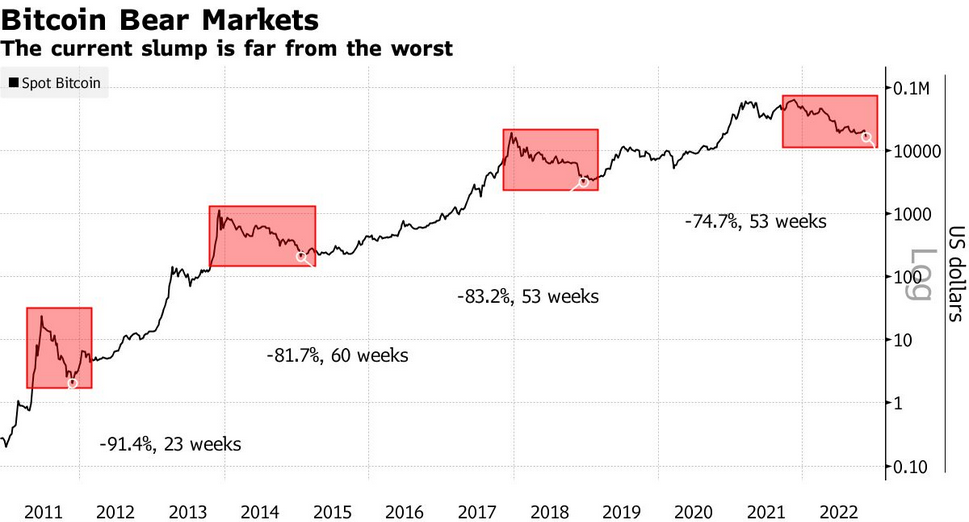
Veteran Bitcoin investor Michael Terpin has suggested that Bitcoin may reach a cycle low near $60,000 in Q4 2026, a level he considers a strong long-term buying opportunity.
According to Terpin, the probability of Bitcoin making a new all-time high before establishing a definitive bottom still exists—but at roughly 20% and declining. His outlook reflects a broader consensus: the market is gradually transitioning from late-cycle optimism to fear-driven capitulation.
Macro factors further complicate the picture. A potential easing stance by the U.S. Federal Reserve could provide temporary relief, but political uncertainty surrounding U.S. midterm elections and regulatory gridlock may suppress institutional enthusiasm for risk assets, including crypto.
3. The 2025 Forecasts That Fell Short
[Comparison of 2025 price forecasts vs. actual BTC performance (USD)]
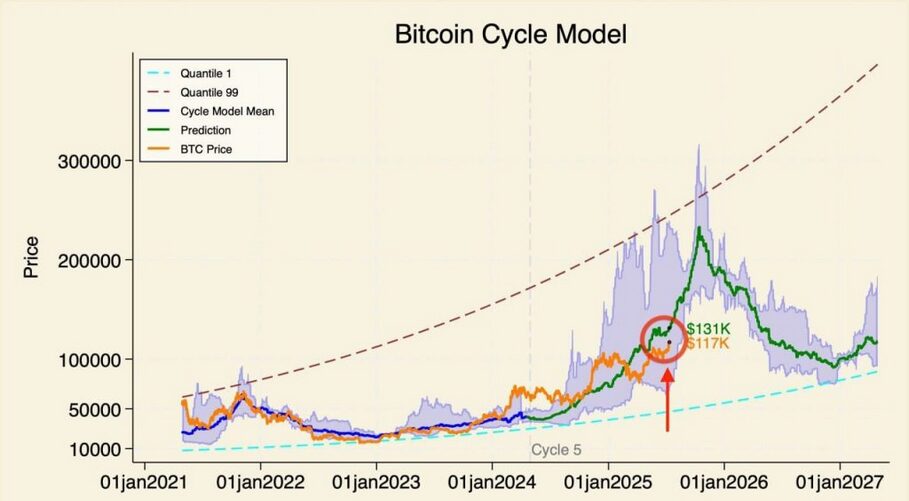
At the beginning of 2025, optimism dominated crypto markets. Forecasts ranging from $180,000 to $250,000 were widely circulated, fueled by ETF inflows, post-halving supply narratives, and institutional adoption.
Reality proved less forgiving. Although Bitcoin briefly traded above $120,000, momentum faded, and prices retreated below $100,000 toward year-end. The disappointment highlighted a recurring lesson: narratives move faster than structural adoption.
Yet, while speculative excess cooled, foundational progress quietly continued.
4. A Different Kind of Growth: Bitcoin as a Payment Network
Price weakness often masks innovation. According to blockchain developer and early investor Rich Rines, 2025 was about making Bitcoin easier to hold and earn yield on. In contrast, 2026 is shaping up to be the year Bitcoin becomes easier to use.
This shift is subtle but profound. Instead of asking how high Bitcoin’s price can go, the ecosystem is increasingly focused on how often Bitcoin can be used.
5. Institutional Integration: From Merchants to Neo-Banks
[Bitcoin merchant payment flow diagram]
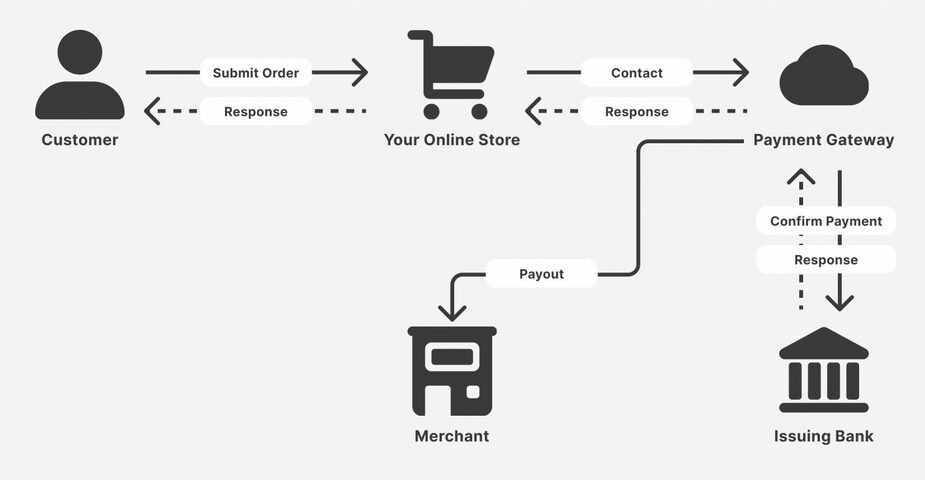
Payment platforms have begun embedding Bitcoin directly into point-of-sale systems. Square (Block, Inc.) now enables merchants to accept Bitcoin seamlessly, with optional automatic conversion—such as allocating 1% of revenue into BTC.
This approach lowers psychological and operational barriers. Merchants no longer need to speculate on Bitcoin’s price to benefit from exposure. Instead, Bitcoin becomes a background savings and settlement layer, not a trading decision.
Parallel to this trend is the rise of Bitcoin-focused neo-banks and digital financial infrastructure providers. These services blur the line between traditional banking and crypto, offering custody, payments, and yield products tailored specifically for BTC holders.
6. The Lightning Network: Scaling Bitcoin for Everyday Use
[Lightning Network transaction architecture]
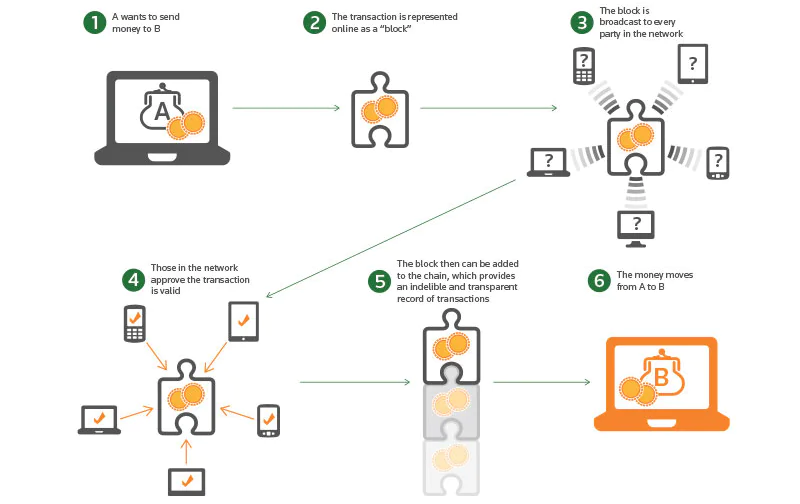
At the heart of Bitcoin’s usability push lies the Lightning Network, a Layer-2 protocol designed to enable instant, low-cost payments.
By opening payment channels between parties and settling only the net result on-chain, Lightning dramatically reduces transaction fees and latency. This makes micro-transactions—long considered impractical on Bitcoin—economically viable.
Graham Krizek, founder of Voltage, has suggested that Lightning could capture up to 5% of global stablecoin transaction flows by 2028, underscoring its growing relevance beyond Bitcoin-only use cases.
7. Bitcoin-Backed Stablecoins and Financial Composability
Another emerging trend is the development of Bitcoin-collateralized stablecoins, allowing users to access dollar-denominated liquidity without selling BTC. This financial composability bridges the gap between volatility-resistant payments and long-term Bitcoin holding.
For emerging markets and cross-border commerce, this hybrid model is especially compelling. Bitcoin serves as a neutral, censorship-resistant reserve asset, while stablecoins handle day-to-day pricing and accounting.
8. Rethinking “Adoption”: Utility Over Speculation
The Bitcoin of 2026 may not excite traders chasing parabolic returns—but it may finally satisfy businesses, developers, and users seeking reliability.
Historically, Bitcoin’s value proposition has oscillated between “digital gold” and “peer-to-peer cash.” What is becoming clear is that these narratives are not mutually exclusive. Instead, Bitcoin’s strength lies in combining monetary hardness with transactional flexibility, enabled by layered infrastructure.
9. Strategic Implications for Investors and Builders
For investors, a prolonged drawdown may represent accumulation rather than failure. For builders, 2026 offers a rare window: less noise, more focus, and a user base increasingly interested in real functionality.
The projects most likely to succeed are not those promising the next price explosion, but those solving mundane problems—payments, settlements, liquidity, and compliance—quietly and efficiently.
10. Conclusion: A Trial That May Define Bitcoin’s Future
2026 is widely expected to be a difficult year for Bitcoin prices. But history suggests that Bitcoin’s most important transformations often occur during periods of disillusionment.
If adoption continues along its current trajectory—through payments, Layer-2 scaling, and financial integration—2026 may ultimately be remembered not as a failure, but as the year Bitcoin finally grew into its role as a global, usable financial infrastructure.
