

Main Points :
- U.S. spot Bitcoin ETFs continue to maintain approximately $85 billion in assets under management despite Bitcoin’s sharp price decline.
- This resilience does not necessarily indicate unwavering long-term investor conviction.
- A significant portion of ETF demand is driven by hedge funds and arbitrage strategies rather than pure buy-and-hold capital.
- The structure of ETF ownership introduces hidden volatility risks.
- Institutional infrastructure is strengthening, but capital behavior remains tactical.
- For investors seeking new crypto opportunities, structural understanding is more important than headline AUM figures.
1. The Illusion of Strength: $85 Billion in Assets
The U.S. spot Bitcoin ETF market has demonstrated remarkable resilience. Even as Bitcoin (BTC) experienced a sharp correction from roughly $72,000 to below $60,000 during recent volatility, total assets under management (AUM) across major spot ETFs have hovered near $85 billion.
On the surface, this appears to be a strong signal of institutional conviction. After all, in traditional markets, large AUM retention during price drawdowns often suggests long-term holders are not capitulating.
[Bitcoin Price Movement During Recent Sell-Off]
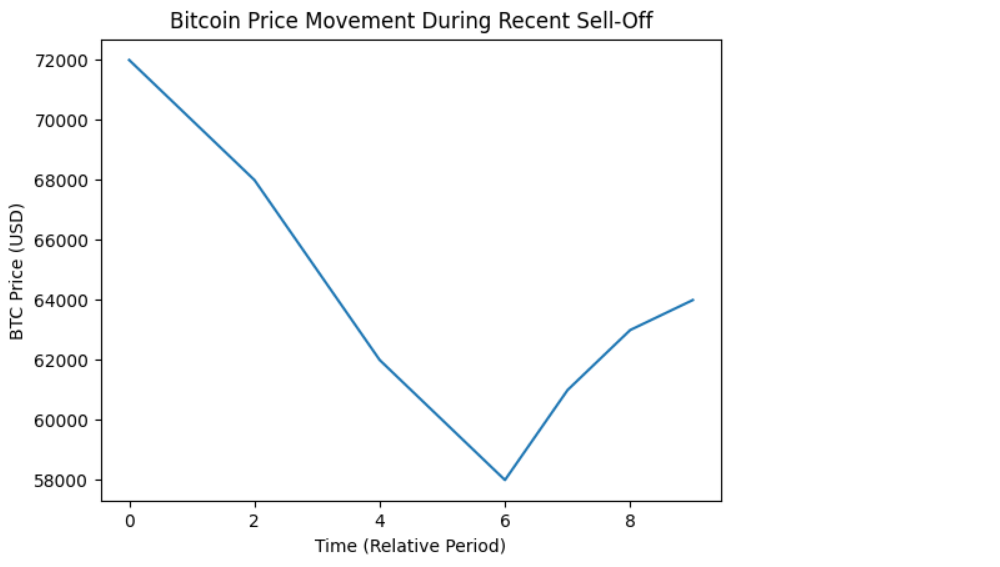
Figure 1 illustrates the type of price compression seen during the recent sell-off.
[US Spot Bitcoin ETF AUM Stability]
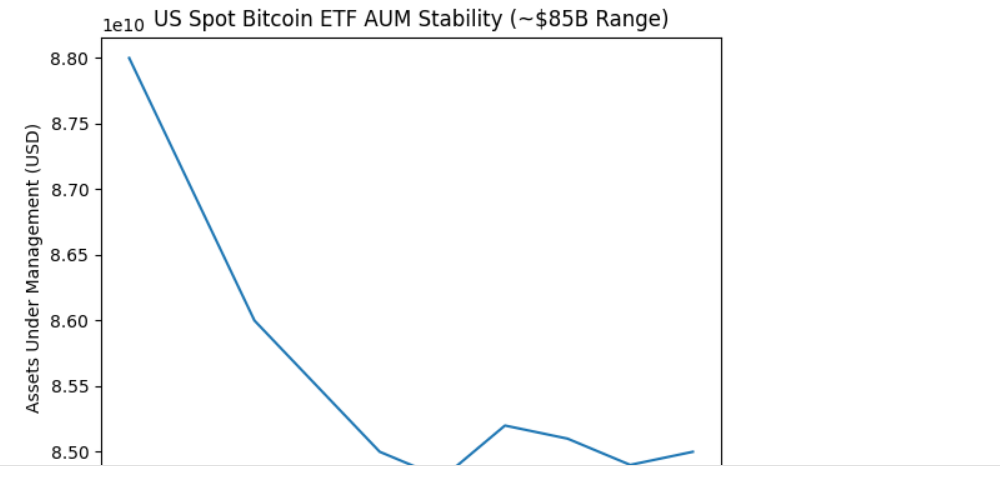
Figure 2 demonstrates that ETF AUM has remained within a relatively tight $85 billion range.
However, as market analyst Markus Thielen has pointed out, resilience in AUM does not necessarily equate to stable, long-term ownership. The structure of ETF demand matters more than the headline number.
2. Who Really Owns the ETF?
A critical misconception is that ETF assets represent committed, ideological long-term Bitcoin believers. In reality, a substantial share of ETF holdings is attributed to:
- Hedge funds executing basis trades
- Market makers providing liquidity
- Arbitrageurs capturing price discrepancies
[Estimated Composition of Spot Bitcoin ETF Holders]
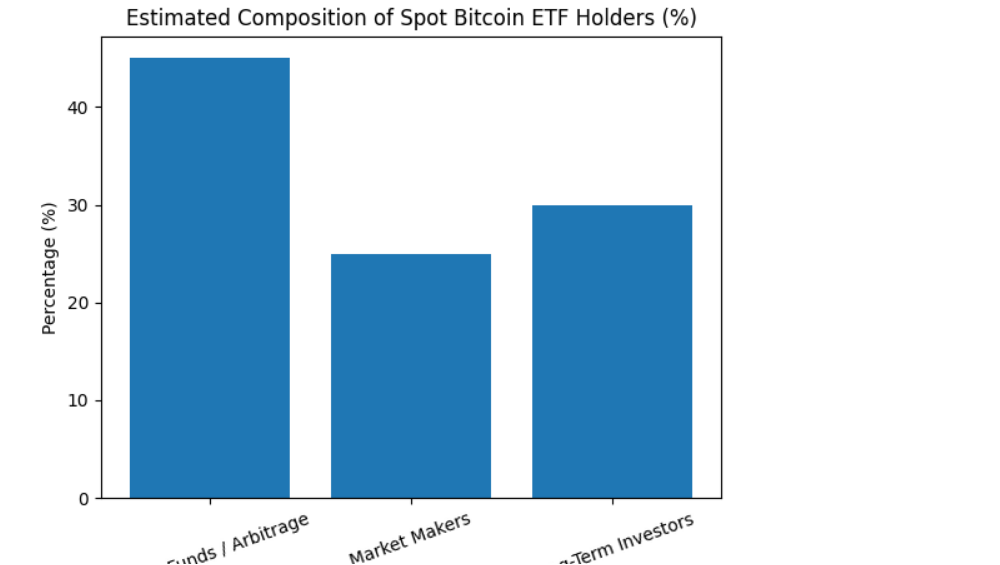
Figure 3 presents an illustrative breakdown of holder composition.
Basis trade strategies, in particular, have become dominant. These involve purchasing spot Bitcoin ETF shares while simultaneously shorting Bitcoin futures. The objective is not directional exposure but capturing the spread between spot and futures markets.
This capital is inherently tactical. If funding rates compress or futures spreads narrow, these players can unwind positions quickly.
Thus, ETF AUM stability may reflect hedged positioning rather than pure conviction.
3. The Hard Reality: Structural Fragility
The hard truth beneath the $85 billion headline is structural fragility.
When ETF flows are dominated by arbitrage capital, two implications arise:
First, liquidity can evaporate faster than expected if spreads collapse.
Second, drawdowns can accelerate if hedge funds unwind basis trades simultaneously.
Unlike traditional equity ETFs that represent diversified cash flows, Bitcoin ETFs represent exposure to a single volatile asset. That concentration amplifies systemic risk during deleveraging events.
Investors searching for new revenue opportunities must understand that ETF inflows do not automatically imply durable capital.
4. Institutionalization vs. Conviction
The ETF ecosystem undeniably strengthens Bitcoin’s infrastructure. Custody solutions, regulatory clarity, and integration into brokerage platforms reduce friction for capital inflows.
However, infrastructure growth does not guarantee emotional conviction.
Institutional investors often treat Bitcoin as:
- A volatility asset
- A macro hedge
- A liquidity instrument
- A tactical allocation
Rather than a permanent treasury reserve.
The difference between strategic allocation and tactical exposure becomes evident during stress periods.
5. Macro Conditions and Their Influence
Recent macroeconomic conditions have played a central role in Bitcoin’s volatility.
Higher interest rates increase the opportunity cost of holding non-yielding assets like Bitcoin. Stronger U.S. dollar conditions suppress risk appetite. Equity market corrections spill over into digital assets.
In this environment, Bitcoin behaves less like “digital gold” and more like a high-beta tech asset.
ETF resilience during price weakness may therefore reflect structured trades rather than defensive allocation.
6. What This Means for Opportunity Seekers
For readers seeking new crypto assets and revenue streams, several implications emerge:
- ETF strength does not eliminate volatility risk.
- Market structure matters more than headlines.
- Derivatives positioning often dictates short-term price moves.
- Capital rotation can create opportunities in altcoins during Bitcoin consolidation.
Periods where ETF AUM stabilizes while price compresses can precede volatility expansions.
Investors who understand liquidity flows can anticipate breakout conditions.
7. Practical Blockchain Implications
Beyond price action, ETF maturation signals broader adoption.
Financial institutions are building:
- Custodial rails
- On-chain settlement integrations
- Stablecoin liquidity channels
- Tokenized asset platforms
The institutional stack supporting Bitcoin indirectly benefits Ethereum, Layer-2 networks, and emerging tokenization platforms.
Entrepreneurs focused on real-world blockchain applications should view ETF development as infrastructure validation.
8. The Long-Term Perspective
Long-term Bitcoin holders remain significant participants. However, their relative share within ETFs may be smaller than perceived.
The durability of the $85 billion level will ultimately depend on:
- Macro liquidity conditions
- Regulatory clarity
- Funding rate environments
- Global risk appetite
If interest rates decline and macro liquidity expands, ETF inflows could transition from tactical to strategic.
Until then, volatility remains embedded.
Conclusion: Strength, But Not Simplicity
The U.S. spot Bitcoin ETF market holding near $85 billion during a sharp price decline is undeniably impressive.
But strength in AUM does not automatically equal strength in conviction.
A meaningful portion of capital is tactical, hedged, and arbitrage-driven.
For investors exploring new crypto assets, new income strategies, and practical blockchain use cases, the lesson is clear:
Understand structure before trusting scale.
Bitcoin ETFs represent maturation of financial rails.
They do not eliminate cyclicality.
They do not remove leverage.
And they do not erase volatility.
The hard reality behind resilience is complexity.
Those who navigate that complexity intelligently will find opportunity where others see contradiction.
