

Main Points :
- Bitcoin is expected to break its traditional four-year cycle and reach new all-time highs as institutional demand accelerates.
- Crypto ETFs could absorb more than 100% of new issuance for Bitcoin, Ethereum, and Solana, fundamentally changing supply-demand dynamics.
- Crypto-related equities may outperform major technology indices as regulation becomes clearer and capital markets reopen.
- Stablecoins could emerge as a geopolitical issue, especially in emerging markets facing inflation and currency instability.
- On-chain vaults, often described as “ETF 2.0,” may redefine institutional crypto asset management.
Introduction: Why 2026 Could Be a Structural Turning Point
In December, digital asset manager Bitwise released its highly anticipated report outlining ten major predictions for the cryptocurrency market in 2026. Authored by Chief Investment Officer Matt Hougan and Head of Research Ryan Rasmussen, the report argues that crypto markets are entering a fundamentally different phase—one driven less by speculative retail cycles and more by institutional capital, regulatory clarity, and real-world use cases.
For investors searching for new digital assets, alternative revenue streams, or practical blockchain applications, Bitwise’s outlook offers more than short-term price targets. It presents a structural thesis: crypto is transitioning from a niche, high-volatility asset class into a core component of global financial infrastructure.
Prediction 1: Bitcoin Breaks the Four-Year Cycle and Reaches New All-Time Highs
Bitwise argues that the traditional four-year Bitcoin cycle—dominated by halving events, leverage-driven rallies, and subsequent crashes—is weakening. Factors such as institutional custody, regulated ETFs, and macro-driven capital allocation are reducing reflexive boom-and-bust dynamics.
With interest rates expected to decline into 2026 and pension funds, endowments, and sovereign allocators gaining access through ETFs, Bitcoin could reach new all-time highs without the extreme volatility seen in prior cycles.
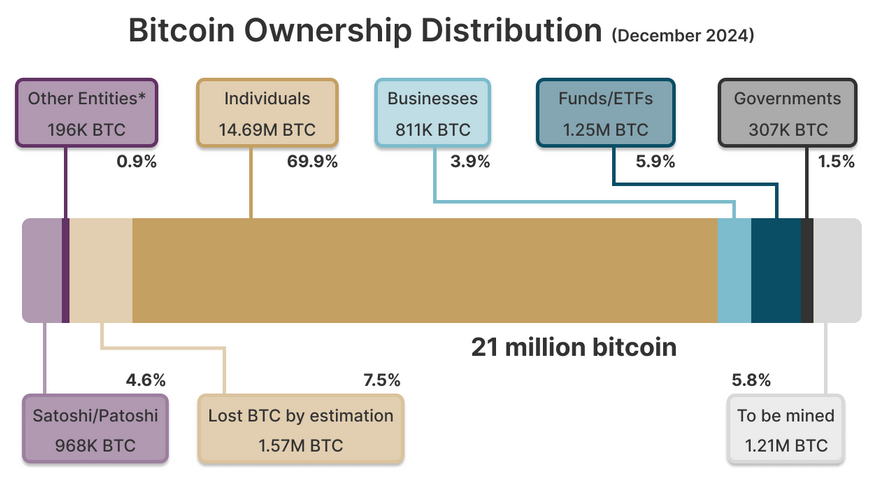
Bitcoin price cycles vs. institutional ETF inflows (conceptual chart)
Prediction 2: Bitcoin Volatility Falls Below Nvidia
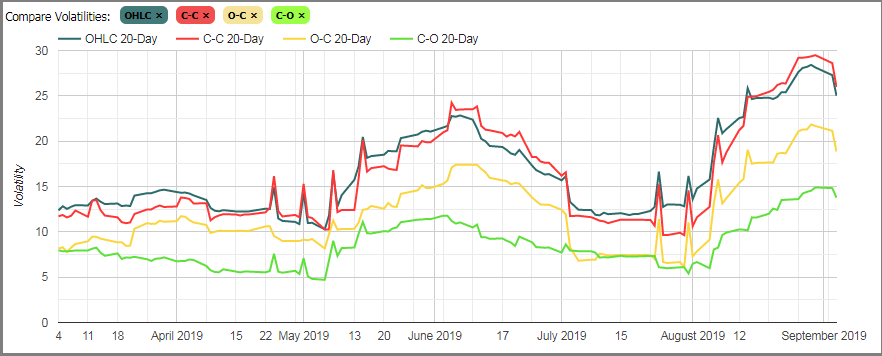
One of the most striking claims in the Bitwise report is that Bitcoin’s volatility has already fallen below that of NVIDIA stock during parts of 2025. This challenges the long-held perception of Bitcoin as an inherently unstable asset.
The expansion of ETFs, long-term holders, and systematic allocators has diversified the investor base. As a result, Bitcoin is increasingly behaving like a macro asset rather than a speculative technology play.
Bitcoin vs. Nvidia 30-day realized volatility
Prediction 3: ETFs Buy More Than 100% of New Supply
Bitwise forecasts that ETFs will purchase more than the entire annual new issuance of Bitcoin, Ethereum, and Solana in 2026. Estimated new supply values are:
- Bitcoin: ~$15.3 billion
- Ethereum: ~$3.0 billion
- Solana: ~$3.2 billion
If ETF inflows exceed these amounts, the market must rely on existing holders selling—creating a structural supply squeeze.
This phenomenon resembles commodity markets where financial demand overwhelms physical supply, reinforcing the thesis that crypto assets are becoming financial primitives rather than experimental technologies.
Prediction 4: Crypto Equities Outperform Major Tech Indices
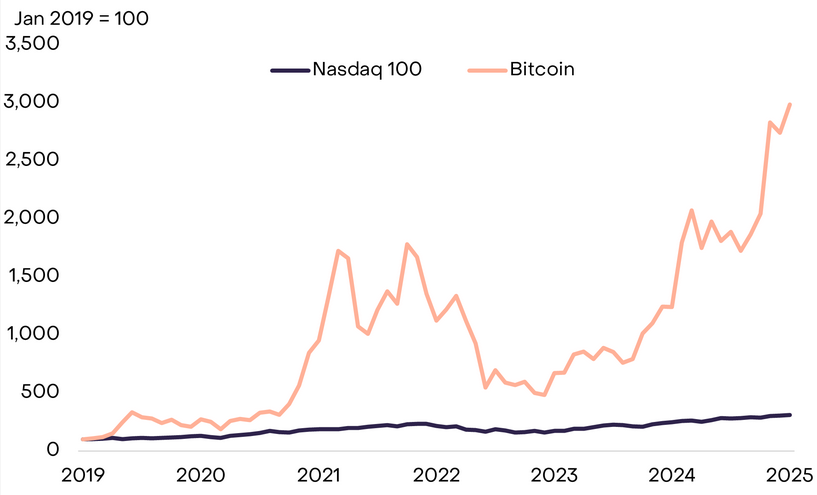
Improved regulation enables crypto companies to expand products, pursue mergers and acquisitions, and access public capital markets. Bitwise expects crypto-related equities, represented by its Crypto Innovators Index, to outperform indices like the Nasdaq-100.
This shift mirrors earlier phases of the internet era, when infrastructure providers and platform companies eventually outpaced hardware-centric tech firms.
Crypto equities index vs. Nasdaq-100
Prediction 5: Polymarket Open Interest Surpasses the 2024 Election Peak
Prediction markets are evolving into a new form of information aggregation. Bitwise expects Polymarket open interest to exceed the ~$500 million level reached during the 2024 U.S. presidential election.
Backed by major capital injections and expanded into sports and pop culture, prediction markets may become core components of decentralized information finance.
Prediction 6: Stablecoins Become a Geopolitical Flashpoint
Stablecoin market capitalization could reach ~$500 billion by the end of 2026. In emerging markets suffering from inflation, residents increasingly hold USD-denominated stablecoins as a store of value.
This trend may prompt central banks to blame stablecoins for capital flight and currency instability—turning what began as a fintech innovation into a geopolitical issue.
Prediction 7: On-Chain Vaults (“ETF 2.0”) Double in Assets
On-chain vaults allow users to deposit stablecoins while professional managers deploy capital via DeFi strategies. After a market shake-out in 2025, Bitwise expects institutional-grade operators to dominate, doubling assets under management.
Mainstream financial media may increasingly refer to these products as “ETF 2.0,” highlighting their role as programmable, transparent investment vehicles.
Structure of on-chain vaults vs. traditional ETFs

Prediction 8: Ethereum and Solana Reach New Highs (Conditional)
If U.S. market structure legislation such as the Clarity Act is passed, Ethereum and Solana could reach new all-time highs.
Tokenization of real-world assets and stablecoin settlement layers disproportionately benefit programmable smart-contract platforms, positioning Ethereum and Solana as core financial infrastructure.
Prediction 9: Half of Ivy League Endowments Invest in Crypto
Following early adopters like Brown University, Bitwise predicts that half of Ivy League endowments—including Harvard—will allocate to crypto.
With total assets of ~$207 billion, even a 1% allocation could meaningfully impact market liquidity and legitimacy.
Prediction 10: Over 100 Crypto-Related ETFs Launch in the U.S.
After the U.S. SEC clarified ETF listing standards in October 2025, Bitwise expects more than 100 crypto-related ETFs to launch in 2026, including spot, staking, equity-based, and index products.
This explosion of financial wrappers accelerates mainstream adoption while compressing fees and improving accessibility.
Bonus Prediction: Bitcoin-Equity Correlation Declines
Bitwise anticipates that Bitcoin’s correlation with equities will continue to fall as crypto-specific drivers dominate price action, while traditional markets face valuation and growth concerns.
Conclusion: From Speculation to Financial Infrastructure
Bitwise’s 2026 outlook suggests that crypto is no longer defined by hype cycles alone. Instead, it is converging with global finance through ETFs, stablecoins, institutional adoption, and programmable asset management.
For readers seeking new digital assets, revenue opportunities, and practical blockchain use cases, the message is clear: the next phase of crypto growth may be quieter—but far more consequential.
