
Market Overview
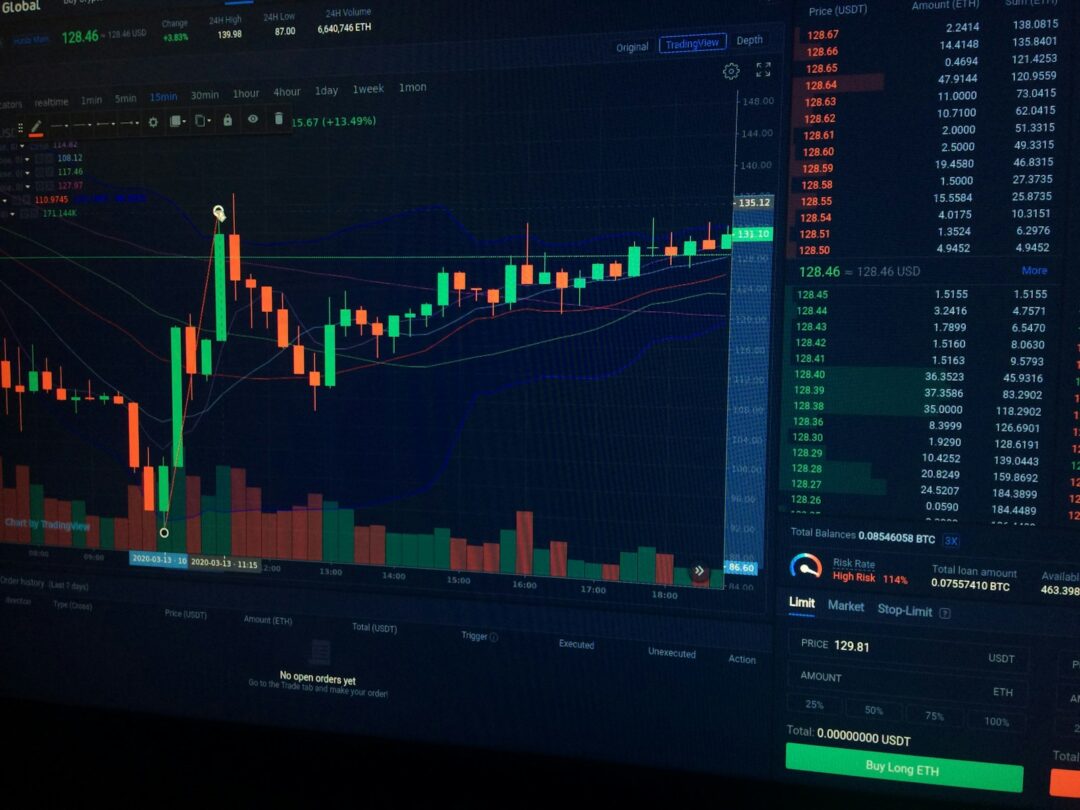
Digital asset markets weakened sharply as macro pressure, equity-market risk reduction, and fragile ETF demand pushed major tokens lower. Bitcoin is trading near $60,990 after an intraday range between approximately $59,102 and $63,015, Ethereum is near $1,619.90 after trading between approximately $1,557.27 and $1,680.15, and XRP is near $1.072 after an intraday range between approximately $1.047 and $1.11.
The latest decline follows a broader deterioration in risk appetite. Bitcoin briefly fell below $60,000, with major financial media reporting the move as one of the weakest levels since 2024–2025, while crypto-linked equities including Strategy, Coinbase, and miners also came under pressure. :contentReference[oaicite:1]{index=1}
Fund flows remain the central institutional variable. CoinShares-linked data showed digital asset products recording approximately $1.67 billion of weekly outflows in early June, taking three-week cumulative withdrawals to $4.21 billion. Bitcoin accounted for approximately $1.44 billion of the weekly outflows, Ethereum lost roughly $257 million, while XRP attracted approximately $20.3 million of inflows. :contentReference[oaicite:2]{index=2}
Bitcoin Market Analysis
BTC Narrative
Bitcoin remains the primary institutional risk proxy in digital assets, but the market is no longer trading as a simple ETF-stabilization story. The asset is now testing whether the low-$60,000 area can hold after a renewed wave of risk-off selling pushed prices below $60,000 intraday. :contentReference[oaicite:3]{index=3}
ETF pressure has eased from the extreme redemption phase but has not converted into a durable accumulation cycle. U.S. spot Bitcoin ETFs recently ended a record 13-session outflow streak totaling roughly $4.4 billion, but subsequent price action shows that modest inflows have not been enough to offset broader macro and equity-market pressure. :contentReference[oaicite:4]{index=4}
Derivatives positioning remains defensive. The earlier liquidation cycle reduced excess leverage, but current price action suggests traders are still prioritizing downside protection. A sustained loss of the $60,000 area would likely reactivate systematic selling and raise the probability of a deeper liquidity sweep.
BTC Technical & Liquidity Structure
Primary support is now compressed between $59,000 and $60,000, with a secondary defense zone near $58,000. Citi previously cited $58,000 as an adverse macro scenario level for Bitcoin, making this region important for institutional risk management. :contentReference[oaicite:5]{index=5}
Initial resistance sits between $63,000 and $65,000, followed by the larger supply zone near $68,000 to $72,000. Bitcoin needs to reclaim $63,000 first and then close above $68,000 before the market can argue that ETF-related supply and macro selling pressure have been absorbed.
BTC Forecast
The base case is fragile consolidation. Holding $59,000 to $60,000 could support a recovery toward $63,000 and $65,000, but a sustained break below $59,000 would likely shift the market toward $58,000 and potentially lower liquidity pockets.
Ethereum Market Analysis
ETH Narrative
Ethereum remains the weakest of the three assets from a near-term institutional demand perspective. ETH is trading near $1,619.90, close to the lower half of its intraday range, and continues to lag Bitcoin and XRP as investors remain reluctant to rebuild exposure to smart-contract beta.
Fund-flow data remains a headwind. Ethereum products recorded roughly $257 million of weekly outflows during the early-June redemption period, and although Ether ETFs recently ended a 17-day outflow streak, the improvement has not yet been strong enough to create a sustained recovery narrative. :contentReference[oaicite:7]{index=7}
Derivatives sentiment remains subdued. Ethereum’s long-term role in decentralized finance, stablecoins, tokenization, and smart-contract infrastructure remains intact, but current positioning is still consistent with defensive range trading rather than institutional accumulation.
ETH Technical & Liquidity Structure
Ethereum support is concentrated between $1,550 and $1,600. A sustained break below this corridor would weaken the market structure and expose ETH to the adverse macro scenario near $1,198 previously cited by Citi. :contentReference[oaicite:8]{index=8}
Resistance is located between $1,680 and $1,750, followed by the larger recovery zone near $1,850 to $1,950. ETH needs to reclaim $1,750 before institutional traders are likely to treat the rebound as more than short-covering.
ETH Forecast
The outlook remains neutral to defensive. Ethereum requires sustained ETF inflows, stronger derivatives participation, and a broader improvement in risk appetite before a durable recovery can be confirmed.
XRP Market Analysis
XRP Narrative
XRP remains the relative-flow leader, even though price action has weakened with the broader market. XRP is trading near $1.072 after briefly touching approximately $1.047 intraday, keeping the asset close to its lower accumulation zone.
Unlike Bitcoin and Ethereum, XRP continued attracting institutional capital during the broader outflow period. CoinShares-linked data showed $20.3 million of weekly inflows into XRP products, while separate reports showed XRP ETFs posting a 2026 weekly inflow record of $60.5 million in May. :contentReference[oaicite:10]{index=10}
The relative-flow narrative remains supported by institutional interest in payments infrastructure, cross-border settlement, and differentiated exposure away from Bitcoin and Ethereum ETF pressure. However, XRP’s ability to extend gains remains dependent on Bitcoin holding the $59,000 to $60,000 region.
XRP Technical & Liquidity Structure
XRP support is now concentrated between $1.04 and $1.05. A sustained break below this area would weaken the relative-strength thesis and risk a move toward the psychological $1.00 level.
Resistance sits between $1.10 and $1.13, followed by the broader $1.16 to $1.20 zone. A close above $1.13 would improve the near-term structure, while a move above $1.20 would indicate renewed momentum participation.
XRP Forecast
The outlook remains constructive relative to Bitcoin and Ethereum but defensive in absolute terms. Persistent fund inflows support relative outperformance, but a broader market recovery still requires Bitcoin stabilization above $60,000.
Key Levels and Forecast Table
| Asset | Institutional Theme | Key Support | Key Resistance | ETF/Fund Flow Trend | Near-Term Outlook |
|---|---|---|---|---|---|
| Bitcoin (BTC) | ETF Stabilization Tested by Risk-Off Selling | $59,000-$60,000 | $63,000-$65,000 | Outflows Eased but Recovery Uneven | Fragile Consolidation |
| Ethereum (ETH) | Demand-Constrained Smart-Contract Beta | $1,550-$1,600 | $1,680-$1,750 | Stabilizing but Weak | Neutral to Defensive |
| XRP | Relative Flow Leader | $1.04-$1.05 | $1.10-$1.13 | Positive Relative Inflows | Constructive Relative, Defensive Absolute |
Final Assessment
The digital asset market has shifted from stabilization to a renewed stress test. Bitcoin has absorbed the initial ETF redemption shock, but the latest break below $61,000 shows that institutional confidence remains fragile and macro pressure is still capable of overwhelming modest ETF inflows. Ethereum remains the weakest major asset because demand and derivatives participation have not recovered meaningfully.
XRP continues to offer the strongest relative institutional profile, supported by positive fund flows and differentiated ETF demand. However, absolute upside is likely to remain capped unless Bitcoin stabilizes above $60,000 and ETF demand improves. The next decisive signal is whether Bitcoin can reclaim $63,000; failure to do so would keep liquidity defensive across the wider crypto market.