
Main Points :
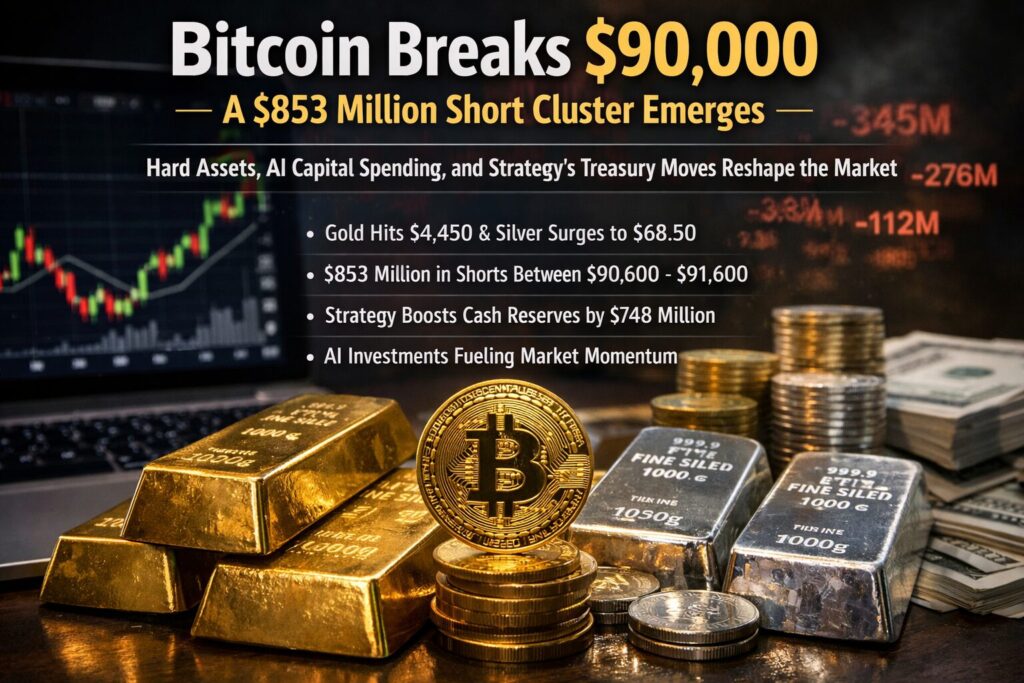
- Bitcoin rebounded above $90,000 after a sharp drawdown to $82,000, aligning with a broad rally in hard assets such as gold and silver.
- Gold reached a record $4,450 per ounce and silver surged to $68.50, marking their strongest annual performance since 1979 and reinforcing the “hard asset rotation” narrative.
- A dense short liquidation cluster of approximately $853 million is concentrated between $90,600 and $91,600, potentially setting the stage for a liquidation-driven push toward $100,000.
- Strategy, the world’s largest corporate Bitcoin holder, increased its cash reserves by $748 million, signaling further accumulation potential.
- AI-driven infrastructure investments by major U.S. technology firms are indirectly supporting Bitcoin by sustaining risk appetite and energy-intensive asset narratives.
1. Bitcoin’s Recovery Above $90,000: Context and Market Significance
On December 22, Bitcoin regained the $90,000 level and briefly traded above $90,500, marking its strongest price action in more than ten days. This rebound followed a sharp liquidation-driven sell-off the previous week that had pushed the price down to approximately $82,000. The move was not isolated to crypto markets; instead, it coincided with renewed strength across equities, precious metals, and other hard assets.
The recovery suggests that Bitcoin continues to behave as part of a broader macro-sensitive asset class rather than as a purely idiosyncratic digital instrument. Investors responded positively to signs of easing macro pressure, renewed capital expenditure in technology infrastructure, and record-breaking performance in gold and silver. Together, these factors revived risk appetite and encouraged capital rotation back into Bitcoin.
Yet, despite the strong bounce, the market remains fragile. Spot selling pressure has not fully subsided, and derivatives positioning indicates that a decisive trend has yet to be established. The return above $90,000 revealed structural vulnerabilities in leveraged positioning—particularly the existence of a large short cluster just above current prices.
2. Hard Assets Rally: Gold and Silver Reach Historic Highs
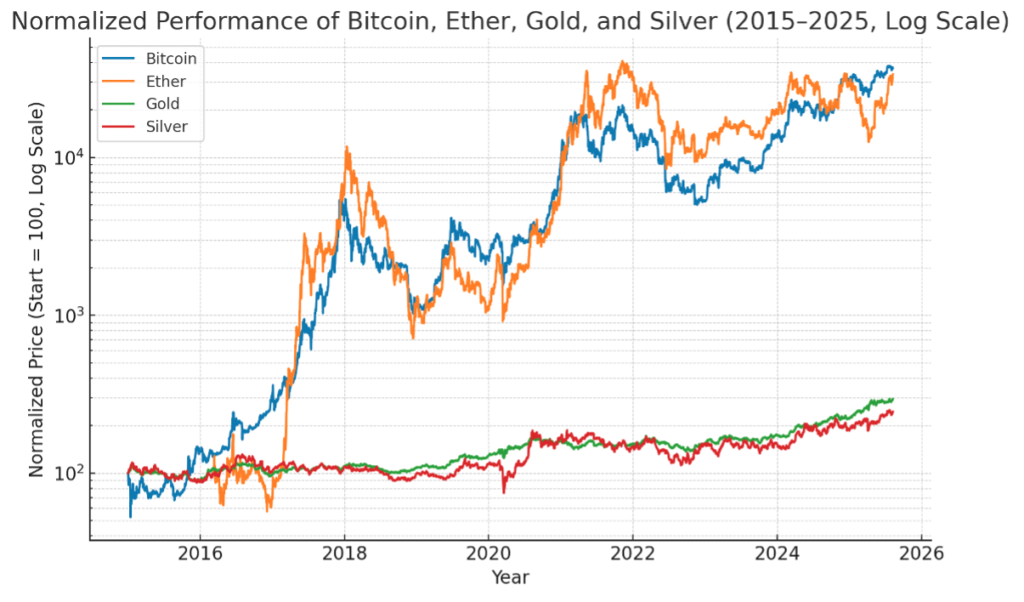
Bitcoin’s rebound occurred alongside an extraordinary rally in precious metals. Gold surged to an all-time high of $4,450 per ounce, while silver climbed to $68.50. Both metals are on track to record their strongest annual gains since 1979, according to data compiled by Yahoo Finance.
Gold has risen more than 70% year-to-date, setting new records nearly 50 times this year alone. Silver’s performance has been even more dramatic, more than doubling since the beginning of the year. This surge reflects a combination of persistent inflation concerns, geopolitical uncertainty, and renewed demand for tangible stores of value.
For long-term investors, such extreme performance often triggers profit-taking. Historically, when capital exits overcrowded positions in gold and silver, a portion flows into alternative hard assets—most notably Bitcoin. This dynamic reinforces Bitcoin’s role as “digital gold,” particularly during periods when traditional stores of value appear overextended.
3. AI Infrastructure Spending and Its Indirect Impact on Bitcoin
Another key catalyst supporting Bitcoin’s price recovery has been renewed enthusiasm around artificial intelligence infrastructure. On December 22, Alphabet announced the acquisition of clean-energy developer Intersect for $4.75 billion. The deal underscores the scale of investment required to support AI systems, which demand massive computational power and stable energy supply.

Major U.S. technology firms are racing to secure data centers, renewable energy sources, and grid-scale infrastructure to sustain AI growth. While these investments are not directly related to Bitcoin, they reinforce several narratives favorable to crypto markets:
- High energy consumption as a strategic asset rather than a liability
- Long-term capital expenditure cycles that favor scarce, infrastructure-linked assets
- Sustained investor optimism toward high-growth, technology-driven sectors
Bitcoin, as an energy-intensive and supply-constrained asset, benefits indirectly from this environment. The convergence of AI, energy, and digital infrastructure narratives helps legitimize Bitcoin’s role in a future shaped by computation and decentralization.
4. Strategy’s Treasury Expansion: Corporate Demand Remains Intact
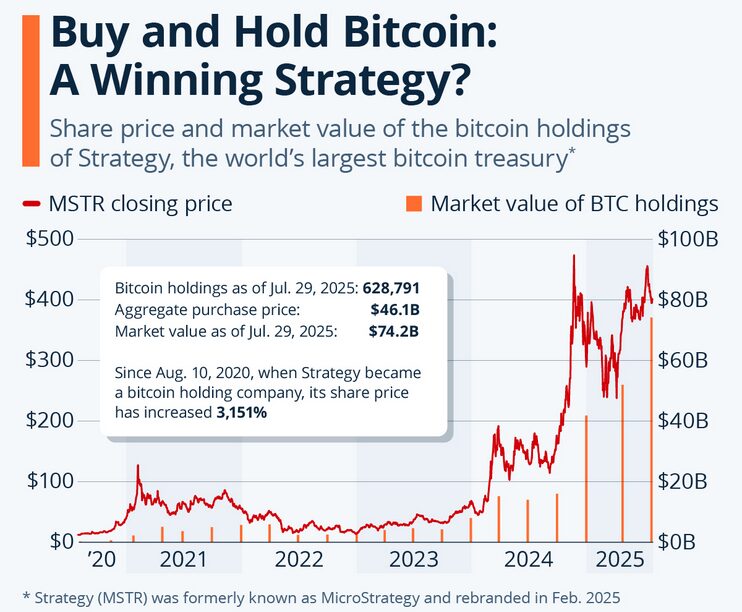
Corporate accumulation continues to provide a structural bid for Bitcoin. Strategy, the largest Bitcoin treasury company globally, disclosed that it increased its cash reserves by $748 million, bringing total reserves to $2.19 billion. The company’s Bitcoin holdings remain unchanged at 671,268 BTC, representing approximately 3.2% of the circulating supply.
This move signals readiness for further purchases rather than a retreat from its Bitcoin-centric strategy. Strategy has consistently positioned itself as the most aggressive institutional buyer in the market, using equity issuance and debt financing to accumulate Bitcoin over time.
For market participants, Strategy’s actions serve as a confidence anchor. Even during periods of heightened volatility, the company’s willingness to hold and potentially expand its position reinforces the perception that long-term institutional demand remains strong.
5. Derivatives Market Insight: The $853 Million Short Cluster
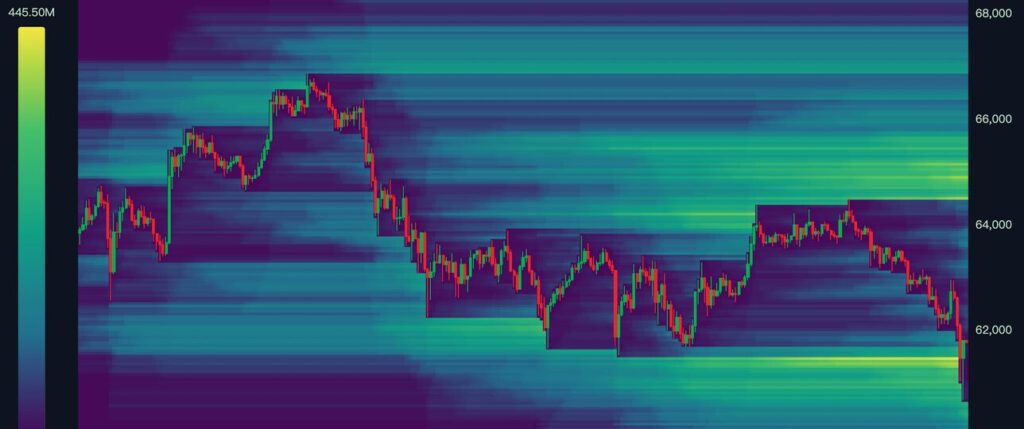
Despite bullish headlines, derivatives data reveals a market at an inflection point. According to real-time data from Coinglass, leveraged positioning has increased rapidly following the recent rebound.
Currently, aggregate long positions total approximately $1.95 billion, while shorts stand near $1.5 billion. Most notably, a dense short cluster of around $853 million is concentrated between $90,600 and $91,600. This zone accounts for nearly 60% of all active short positions.
[Insert Figure 1 here: Bitcoin Liquidation Heatmap showing the $90,600–$91,600 short cluster]
This concentration explains why Bitcoin failed to sustain a move above $90,500 earlier this week. Short sellers are actively defending this level, attempting to cap upside momentum. However, if price breaks decisively into this zone, forced liquidations could trigger a rapid upward cascade.
6. Path to $100,000: Conditions for a Year-End Rally
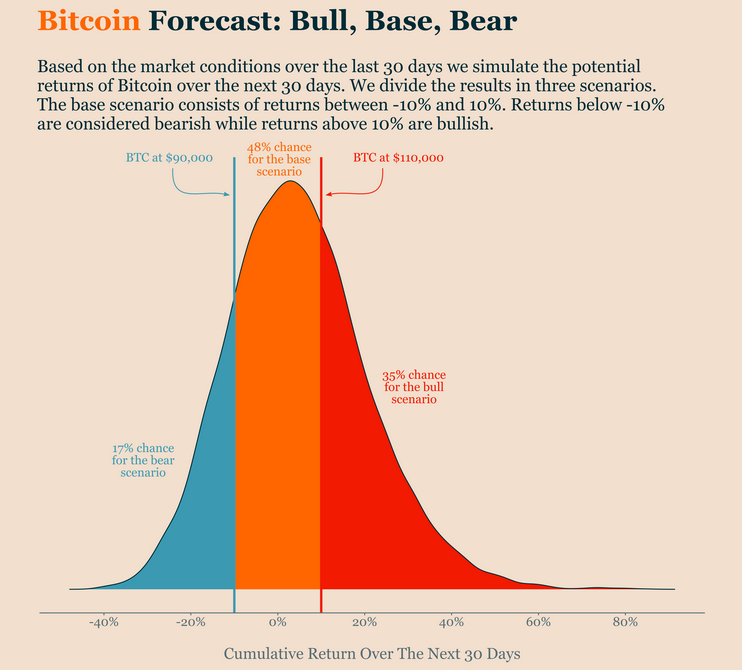
If Bitcoin reclaims $90,600 and holds above $91,000 on a closing basis, the probability of a short squeeze increases significantly. A sustained move through $91,600 would likely activate mass short covering, potentially propelling the price toward the psychologically important $100,000 level as 2025 approaches.
Conversely, downside risks remain. A notable long cluster of approximately $425 million sits near $88,800. If this support level fails—particularly amid renewed macro volatility—Bitcoin could retrace toward the low $80,000s.
At present, the market lacks clear directional conviction. The next decisive move will depend on whether spot demand can overcome the heavy derivative resistance overhead.
7. Strategic Implications for Investors and Builders
For investors seeking new digital assets and income opportunities, the current setup highlights several actionable themes:
- Volatility as opportunity: Liquidation-driven moves can create rapid price dislocations.
- Institutional signaling: Corporate treasury actions matter as much as ETF flows.
- Macro convergence: Bitcoin increasingly trades alongside hard assets and energy-intensive technologies.
For builders and operators, especially those working on blockchain infrastructure and financial applications, the convergence of AI, energy, and digital assets underscores the importance of scalable, compliant, and energy-aware systems.
Conclusion: Bitcoin at a Structural Crossroads
Bitcoin’s recovery above $90,000 reflects more than a technical bounce. It sits at the intersection of record-breaking hard asset performance, aggressive AI infrastructure investment, and continued institutional accumulation. At the same time, derivatives positioning reveals a fragile equilibrium, with a massive short cluster threatening either to cap gains or to ignite a powerful rally.
As 2025 approaches, Bitcoin stands at a structural crossroads. A decisive break above $91,600 could open the path toward $100,000, while failure to hold key support levels may invite renewed volatility. For market participants, this environment demands both conviction and discipline—qualities that define successful engagement with digital assets in an increasingly interconnected global market.
