
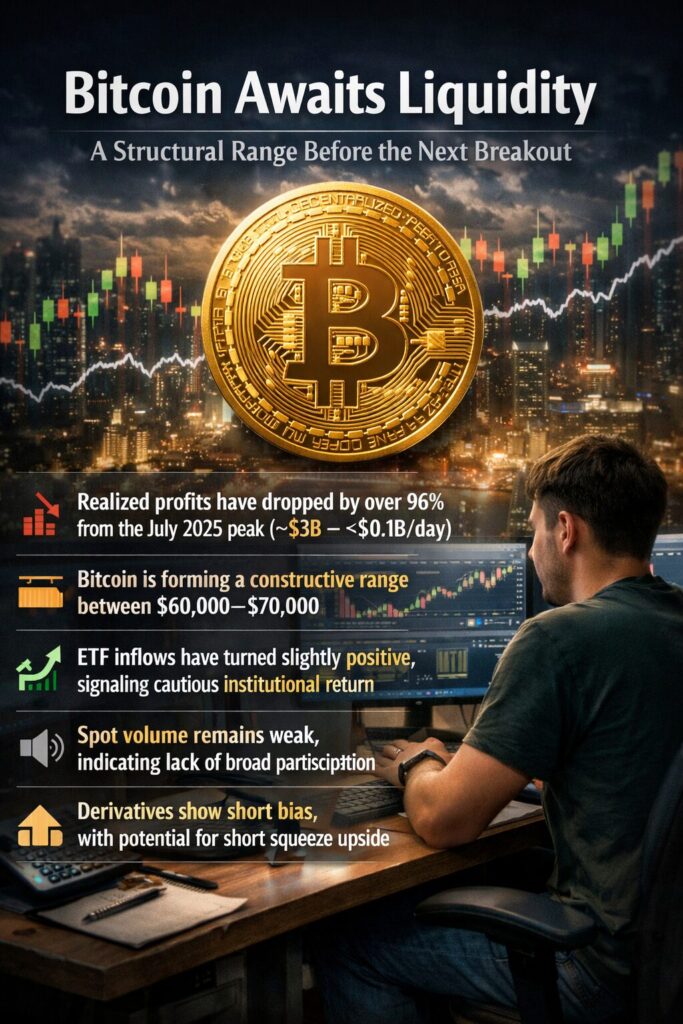
Key Takeaways :
- Realized profits have dropped by over 96% from the July 2025 peak (~$3B → <$0.1B/day)
- Bitcoin is forming a constructive range between $60,000–$70,000
- ETF inflows have turned slightly positive, signaling cautious institutional return
- Spot volume remains weak, indicating lack of broad participation
- Derivatives show short bias, with potential for short squeeze upside
1. A Market in Pause: Bitcoin Waiting for Liquidity
Bitcoin is currently in a transitional phase—not bearish, not fully bullish—but structurally stabilizing. According to on-chain analytics from Glassnode, the market has entered what can best be described as a “waiting for liquidity” regime.
After a sharp drop toward approximately $67,000, Bitcoin has rebounded and is now trading within a defined range between $60,000 and $70,000. This range is not random; it reflects a delicate balance between weak demand and persistent supply pressure.
Unlike previous explosive rallies, the current environment lacks aggressive capital inflows. Instead, the market is being held together by incremental accumulation and short-term positioning, rather than conviction-driven buying.
This is critical: markets do not transition directly from fear to euphoria. They pass through phases of compression, where volatility declines and liquidity dries up—precisely what we are observing now.
2. Support vs Resistance: The Battle of Cost Basis
“Cost Basis Distribution of BTC Holders”
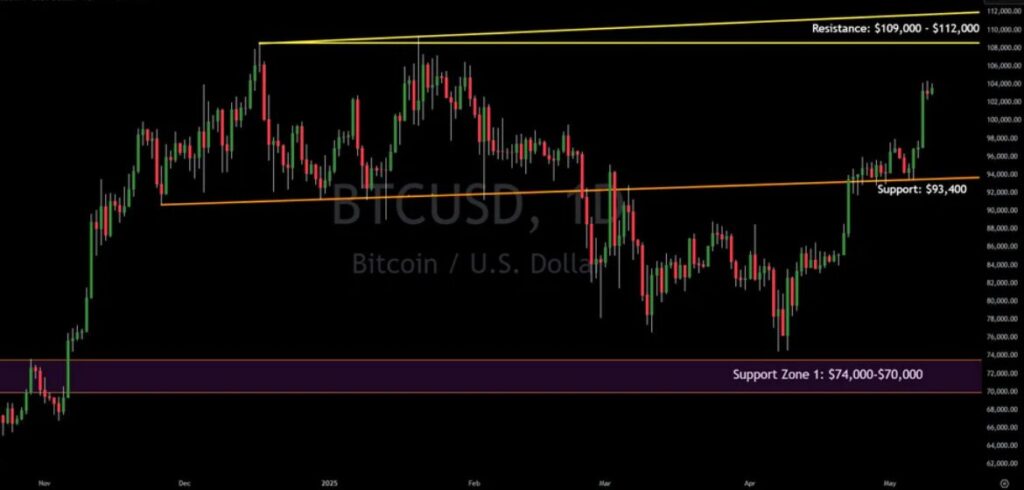
A deeper look into cost-basis distribution reveals two critical levels:
- Support (~$70,200): Held by short-term holders (1 week–1 month)
- Resistance (~$82,200): Dominated by mid-term holders (1–3 months)
This creates a compression zone, where:
- Buyers defend the lower band
- Sellers cluster heavily above
However, Glassnode emphasizes that accumulation at current levels remains weak and insufficient. The $70,000 support is not yet “institutional-grade”—meaning it can still break under pressure.
This structure resembles a coiled spring. The longer the compression persists, the more explosive the eventual move—but direction remains uncertain without liquidity expansion.
3. Unrealized Losses: Fear Without Panic
Investor sentiment sits in an unusual middle ground.
Unrealized losses currently exceed 15% of total market capitalization, a level historically associated with mid-bear market conditions (e.g., 2022). However, unlike the panic seen during events like the FTX Collapse, there is no widespread capitulation.
This signals:
- Investors are uncomfortable, but not desperate
- Selling pressure is reduced, but so is buying enthusiasm
Historically, such conditions resolve in one of two ways:
- Time-based healing (sideways consolidation)
- Further downside flush
A rapid V-shaped recovery, on the other hand, would require significant new capital inflows, which are currently absent.
4. Liquidity Collapse: The Realized Profit Signal
“Realized Profit Decline”
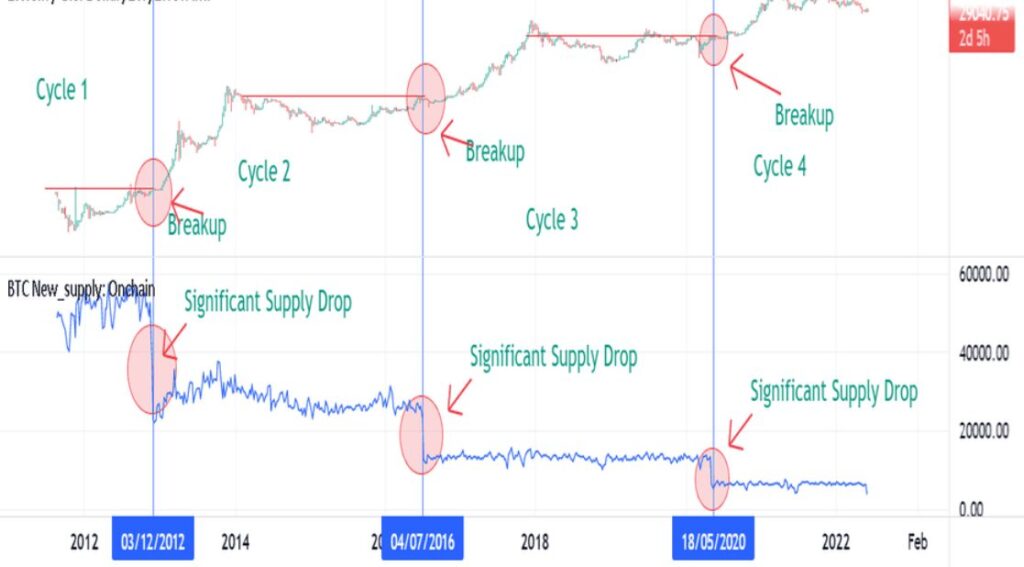
One of the most striking signals is the collapse in realized profits:
- Peak (July 2025): ~$3 billion/day
- Current: <$100 million/day
- Decline: >96%
This reflects two simultaneous dynamics:
- Fewer holders are in profit → reduced selling pressure
- Lack of new entrants → reduced buying pressure
In other words, the market is entering a liquidity vacuum.
Such environments often precede major moves, because:
- Thin liquidity amplifies volatility
- Small inflows can trigger disproportionate price reactions
For investors, this is a critical phase: low activity does not mean low opportunity—it means latent energy.
5. Spot Market Weakness: A Fragile Recovery
Despite the price rebound, spot trading volume remains subdued.
Even after the drop to $67,000, there has been no sustained increase in trading activity. Short bursts of volume appear, but they lack continuation.
This implies:
- The recovery is driven by dip buyers and short-term repositioning
- Not by broad-based capital inflows
This distinction is essential. Sustainable bull markets require:
- Expanding volume
- Growing participation
- Strong conviction
Without these, rallies remain fragile and reversible.
6. Institutional Signals: ETF Flows Turn Positive
A notable shift has occurred in U.S. spot Bitcoin ETFs.
After a prolonged period of outflows, the 7-day moving average has turned slightly positive. While the magnitude is small, the directional change is significant.
This suggests:
- Institutional investors are cautiously re-entering
- Confidence is stabilizing alongside price
Compared to earlier cycles, ETFs now play a central role in liquidity transmission between traditional finance and crypto markets.
If these inflows continue:
- They could act as a floor for price stability
- And eventually catalyze a trend reversal
However, current inflow levels remain insufficient for breakout conditions.
7. Derivatives Market: Short Bias and Hidden Fuel
“Funding Rate & Derivatives Positioning”
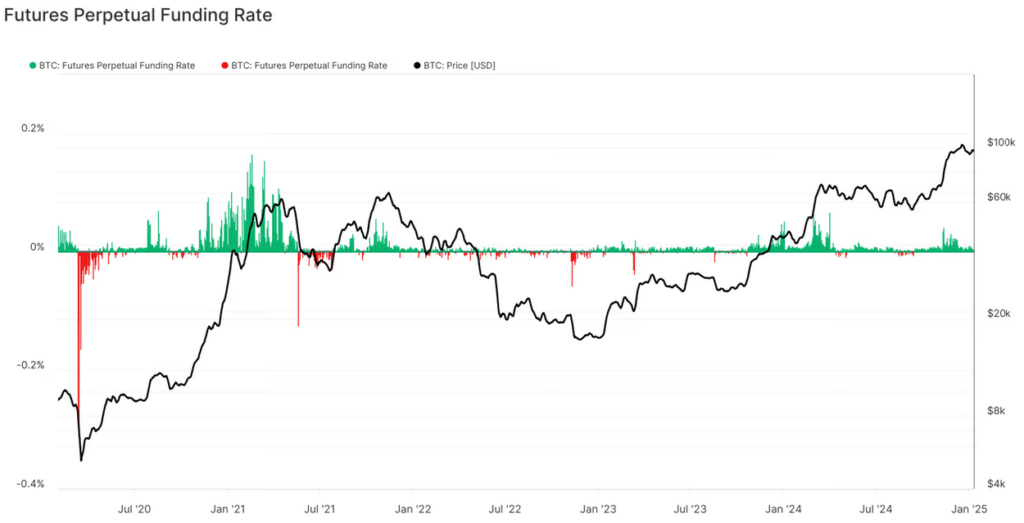
In derivatives markets:
- Funding rates remain negative
- Short positions dominate
This indicates:
- Traders are hedging downside risk
- There is lack of conviction in upside continuation
However, this creates an interesting setup.
If price rises:
- Short positions may be forced to close
- Triggering a short squeeze
This could accelerate upward momentum—even in the absence of strong spot demand.
Meanwhile, options data shows:
- Stable skew
- Range-bound implied volatility
This suggests:
- Reduced demand for downside protection
- Expectations of continued consolidation
8. The Bigger Picture: A Structural Reset Before Expansion
Bitcoin today is not in a breakout phase—it is in a restructuring phase.
Key characteristics:
- Balanced but weak demand/supply
- Low liquidity
- Neutral-to-cautious sentiment
- Early signs of institutional re-entry
This phase is often misunderstood. It is not “boring”—it is foundational.
Historically, such periods:
- Shake out weak hands
- Build stronger cost bases
- Prepare for larger trends
The absence of excitement is precisely what allows asymmetric opportunities to form.
Conclusion: Not Bullish Yet, But Getting Ready
Bitcoin is gradually stabilizing after a volatile period, with improving ETF flows and reduced selling pressure signaling early recovery. However, the market has not yet transitioned into a full bullish trend.
The key missing element is liquidity.
Without:
- Strong spot volume
- Sustained capital inflows
- Broader participation
…the current range will persist.
In summary, Bitcoin is:
- Not bearish
- Not bullish
- But building the foundation for its next major move
For investors seeking the next opportunity, this phase demands patience. The breakout—when it comes—will likely be driven not by sentiment alone, but by the return of liquidity at scale.
