

Main Points :
- The number of Bitcoin wallets holding over 100 BTC is approaching 20,000, signaling accumulation by large holders.
- Whale distribution is becoming broader, not concentrated, indicating structural strength.
- Historical cycles show similar patterns often precede market bottoms and long-term rallies.
- Weak price action despite accumulation suggests redistribution from retail to institutions.
- Current macro and institutional trends reinforce a medium- to long-term bullish outlook.
1. Rising Whale Wallets: A Key Signal Beneath the Surface
Recent on-chain data from analytics platforms such as Santiment highlights a significant structural shift within the Bitcoin ecosystem. The number of wallets holding more than 100 BTC—commonly referred to as “whale wallets”—is approaching the psychological milestone of 20,000 addresses.
This metric is not merely a vanity statistic. In crypto market structure, whale wallet growth often reflects accumulation behavior among high-conviction investors. What makes the current situation particularly notable is the timing: this increase is occurring during a period of subdued or declining price action.
Historically, when large holders increase their positions during price weakness, it suggests strategic accumulation rather than speculative hype. This behavior indicates that sophisticated participants are absorbing supply from weaker hands—primarily retail investors exiting positions due to uncertainty or short-term losses.
This dynamic creates a foundational shift in ownership structure, often preceding major trend reversals.
2. Distribution, Not Concentration: A Healthier Market Structure
An important nuance in the current data is that the increase in whale wallets does not imply excessive concentration of Bitcoin holdings. Instead, it suggests distribution across a broader base of large holders.
This distinction is critical.
If Bitcoin were becoming increasingly centralized in a handful of wallets, it would raise concerns about manipulation and systemic risk. However, the data suggests the opposite: more entities are reaching the 100 BTC threshold.
This implies:
- Institutional diversification
- Entry of new high-net-worth participants
- Expansion of long-term holders
Such a distribution model strengthens market resilience. A wider base of large holders reduces the likelihood of coordinated sell-offs and contributes to more stable price dynamics over time.
3. The Redistribution Phase: From Retail to Smart Money
Despite the increase in whale wallets, Bitcoin’s price has not yet shown a corresponding strong upward movement. This apparent contradiction can be explained by the concept of redistribution.
Redistribution occurs when:
- Retail investors sell during uncertainty
- Large players gradually accumulate supply
- Price remains range-bound or weak
This phase is often misunderstood as bearish stagnation. However, in market cycle theory, it is typically a transitional phase between a downtrend and a new uptrend.
During redistribution:
- Liquidity shifts from weak hands to strong hands
- Volatility compresses
- Market sentiment remains cautious
Only after this phase completes does a sustained rally typically emerge.
4. Historical Context: A Repeating Cycle Pattern
Bitcoin’s historical cycles provide valuable insight into the current situation.
In previous bear market bottoms:
- Whale wallet counts increased steadily
- Retail participation declined
- Price remained flat before breakout
Examples from past cycles show that accumulation by large holders often precedes significant bullish expansions.
This pattern aligns with classical market cycle theory:
- Accumulation
- Markup (bull run)
- Distribution
- Markdown (bear market)
Currently, the data suggests Bitcoin is either in late accumulation or early transition into the markup phase.
5. Institutional Tailwinds and Macro Trends
Beyond on-chain data, broader macroeconomic and institutional factors are reinforcing this accumulation narrative.
Key drivers include:
- Continued institutional adoption (ETFs, custodial services)
- Growing interest in Bitcoin as a hedge against inflation
- Increasing integration of crypto into traditional finance
Large financial institutions are no longer passive observers—they are active participants. Their entry introduces:
- Long-term capital
- Reduced volatility over time
- Increased legitimacy
This aligns with the observed increase in whale wallets, many of which may represent institutional custody structures rather than individual actors.
6. Supply Dynamics: Absorption and Scarcity
Bitcoin’s fixed supply model amplifies the importance of accumulation trends.
As whales accumulate:
- Liquid supply decreases
- Exchange balances shrink
- Available sell-side pressure weakens
At the same time, if demand remains constant or increases, the imbalance between supply and demand can drive prices upward.
This supply absorption mechanism is one of Bitcoin’s most powerful structural features.
7. Visual Analysis of the Trend
Growth of 100+ BTC Wallets Over Time
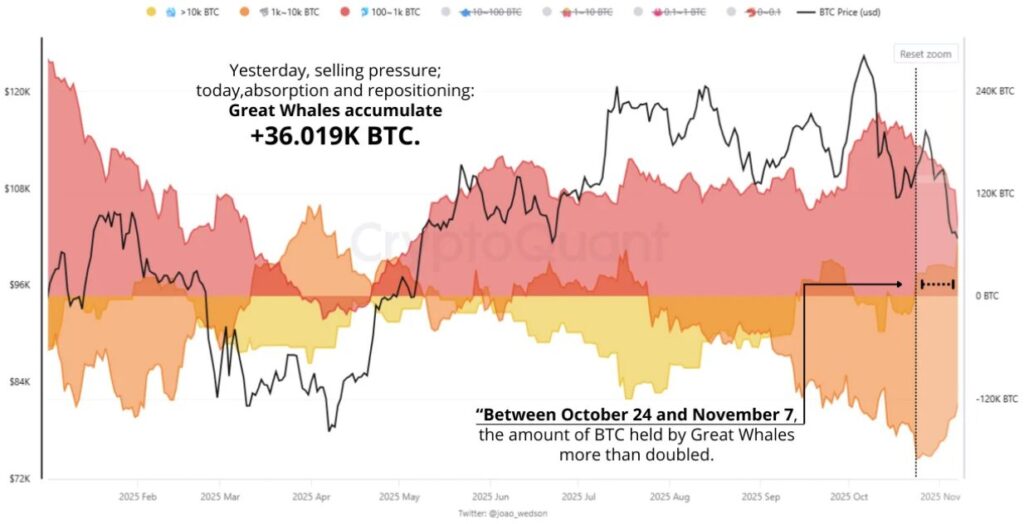
This chart illustrates the steady increase in whale wallets, even during periods of price stagnation. The divergence between price and accumulation is a key bullish signal.
Bitcoin Market Cycle Model
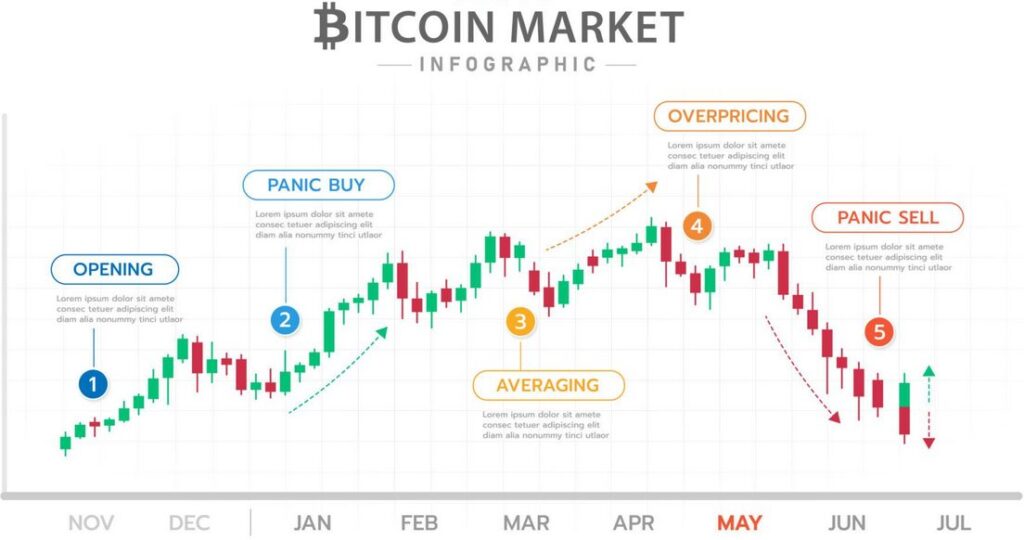
The current market appears to be transitioning from accumulation toward early markup.
Supply Redistribution Flow
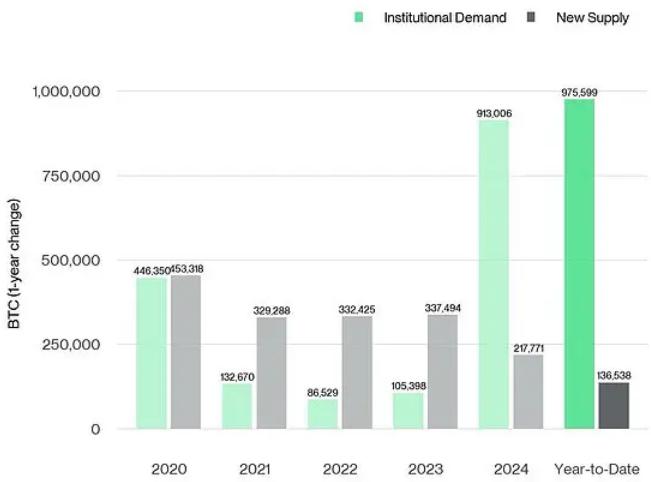
This diagram shows how Bitcoin flows from retail holders to larger entities during accumulation phases.
8. Risks and Limitations
While the increase in whale wallets is a positive signal, it is not a guarantee of immediate price appreciation.
Key risks include:
- Macroeconomic shocks (interest rates, liquidity tightening)
- Regulatory changes
- Unexpected large-scale sell-offs
Additionally, on-chain metrics must be interpreted carefully. Not all wallets represent unique entities, and custody structures can distort data.
9. Strategic Implications for Investors and Builders
For investors seeking new opportunities:
- Accumulation phases offer favorable entry points
- Long-term positioning becomes more attractive
- Risk-adjusted returns improve over time
For builders and operators:
- Infrastructure demand increases during accumulation
- Institutional-grade services become critical
- Compliance and transparency gain importance
This aligns with real-world blockchain applications, where long-term adoption matters more than short-term speculation.
Conclusion: A Structural Bullish Foundation in Formation
The approach toward 20,000 whale wallets marks more than a numerical milestone—it reflects a deeper structural evolution in Bitcoin’s market.
The combination of:
- Increasing large-holder participation
- Broadening distribution
- Ongoing redistribution from retail to institutions
- Strong macro tailwinds
suggests that Bitcoin is building a solid foundation for its next major growth phase.
While short-term price action may remain uncertain, the underlying data points to strengthening fundamentals.
For those focused on long-term value, yield opportunities, and practical blockchain adoption, this phase may represent one of the most strategically important windows in the current market cycle.
