
Key Points :
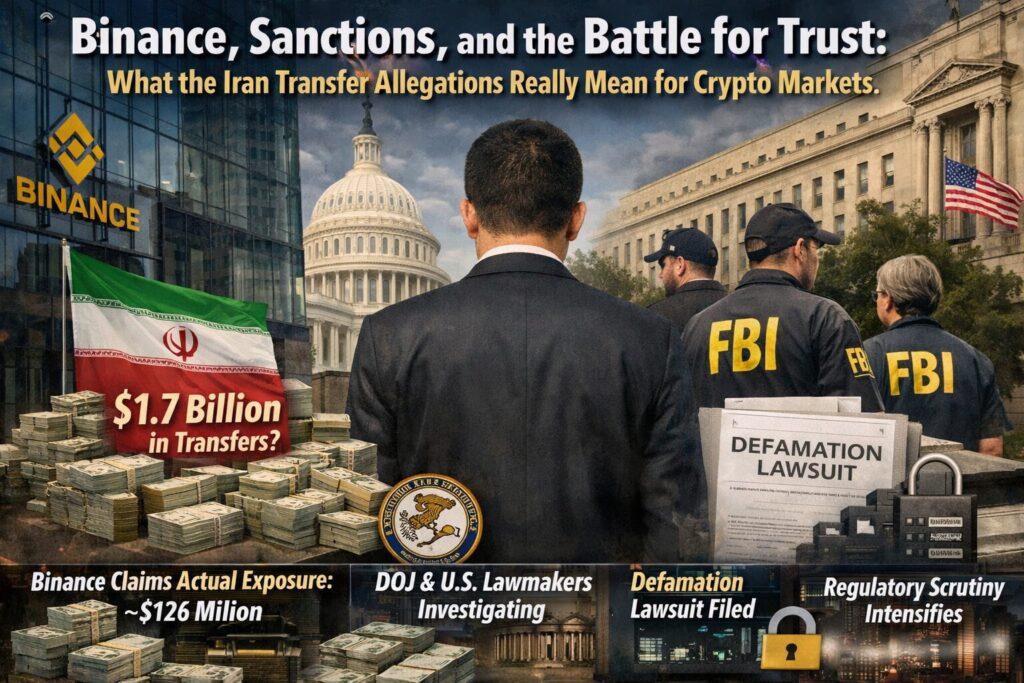
- Binance has strongly denied allegations of facilitating $1.7 billion in transfers linked to Iran.
- The exchange claims actual exposure was limited (~$126 million) and indirect.
- U.S. lawmakers and the Department of Justice (DOJ) are actively investigating.
- Binance has filed a lawsuit against the Wall Street Journal publisher for defamation.
- Compliance spending and enforcement cooperation by Binance have significantly increased.
- The case highlights a broader industry shift toward regulatory scrutiny and institutionalization.
1. Background: The Allegations and Immediate Fallout
The global cryptocurrency industry has once again been thrust into the spotlight following allegations that Binance, the world’s largest crypto exchange, facilitated large-scale financial flows connected to sanctioned Iranian entities. According to reports from major U.S. media outlets including the Wall Street Journal (WSJ) and The New York Times (NYT), Binance was allegedly involved in enabling up to $1.7 billion in transfers linked to terrorist organizations via Iranian channels.
These claims emerged from investigative reporting citing internal documents, compliance whistleblowers, and government sources. The reports suggested not only financial misconduct but also potential internal suppression of compliance investigations, including the alleged dismissal of investigators and restricted access to certain accounts, notably one referred to as “Blessed Trust.”
Binance responded swiftly and aggressively. In an official statement released on March 11, 2026, the company categorically denied all allegations, labeling them as “false and defamatory.” The exchange further escalated the dispute by filing a lawsuit against Dow Jones, the publisher of the WSJ, marking a rare and high-profile legal confrontation between a crypto firm and mainstream financial media.
2. Binance’s Defense: Data, Compliance, and Counter-Narrative
Binance’s rebuttal rests heavily on technical transaction tracing and internal audit logs. According to the company:
- The alleged $1.7 billion transfer figure is incorrect.
- Funds in question did not originate from nor terminate within Binance.
- Only approximately $126 million eventually reached Iranian-linked wallets, and this occurred through multiple intermediary wallets.
This distinction is critical in blockchain analysis. Unlike traditional banking systems, crypto transactions often pass through numerous wallets, exchanges, and protocols, making attribution complex. Binance argues that it acted responsibly by:
- Detecting suspicious activity early.
- Freezing relevant accounts immediately upon identifying Iranian connections.
- Reporting findings to law enforcement agencies.
The company also addressed allegations of internal misconduct:
- The departure of compliance personnel was unrelated to any investigation.
- System logs confirm that investigators had full access to relevant accounts, contradicting claims of obstruction.
To reinforce its position, Binance highlighted its compliance achievements:
- 97% reduction in exposure to sanctioned entities.
- Over 71,000 law enforcement requests handled in 2025 alone.
- More than $200 million annually invested in compliance infrastructure.
- Approximately 20% of its workforce dedicated to compliance functions.
3. Visualizing the Alleged Flow of Funds
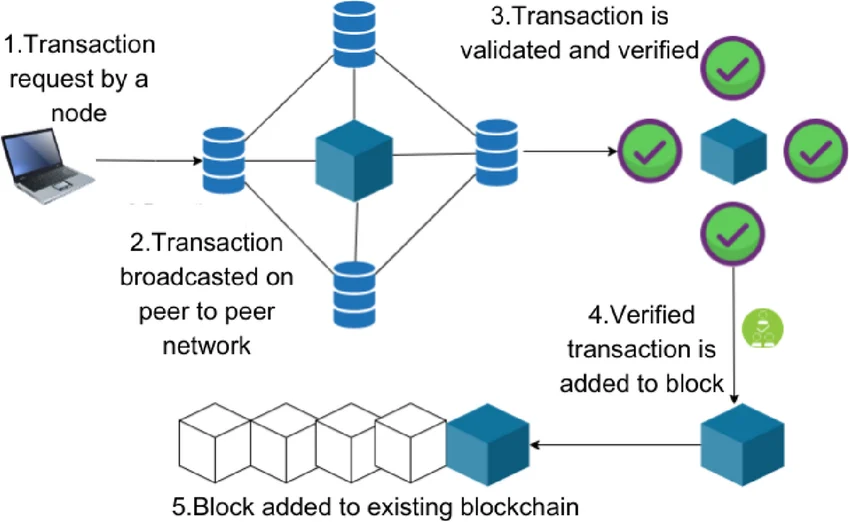
The diagram above illustrates how funds in blockchain ecosystems move through multiple intermediary wallets. This complexity often creates ambiguity in determining responsibility, especially when exchanges are only one node in a broader transaction graph.
4. Regulatory Escalation: U.S. Senate and DOJ Involvement
The controversy has rapidly evolved beyond media narratives into a full-scale regulatory issue.
On February 25, 2026, Senator Richard Blumenthal of the U.S. Senate Homeland Security Committee formally initiated an inquiry into Binance. The inquiry specifically targets:
- The alleged $1.7 billion transfer linked to Iranian entities.
- The handling (or mishandling) of internal compliance investigations.
Shortly thereafter, reports confirmed that the U.S. Department of Justice (DOJ) had begun its own investigation. While details remain limited, DOJ involvement signals a potentially serious escalation, as it could lead to:
- Criminal charges
- Financial penalties
- Operational restrictions in U.S. markets
For Binance, which has already faced regulatory scrutiny in multiple jurisdictions over the past few years, this represents a critical moment.
5. Media vs. Exchange: A Legal and Narrative War
Binance’s decision to sue Dow Jones is significant for several reasons:
- Unusual Aggression: Crypto companies typically issue rebuttals, not lawsuits, against major media.
- Reputation Defense: Binance appears determined to protect institutional credibility as it seeks legitimacy among regulators and traditional finance players.
- Precedent Setting: The case could influence how future crypto-related investigations are reported.
This legal battle also reflects a broader tension between:
- Traditional financial journalism (which prioritizes investigative exposure)
- Crypto-native firms (which emphasize technical nuance and data transparency)
6. Industry Context: Compliance Is Becoming the Core Product
The Binance case is not an isolated event. It is part of a larger transformation within the crypto industry.
Trend 1: Institutionalization of Crypto
Major exchanges are increasingly behaving like banks:
- Implementing strict AML (Anti-Money Laundering) systems
- Hiring former regulators and compliance officers
- Building relationships with governments
Trend 2: Blockchain Transparency vs. Legal Accountability
Blockchain offers unprecedented transparency, but:
- Attribution remains probabilistic, not absolute.
- Legal frameworks are still adapting to decentralized systems.
Trend 3: Rise of On-Chain Analytics
Companies like Chainalysis and TRM Labs are now central to:
- Identifying illicit flows
- Supporting law enforcement
- Providing compliance tools to exchanges
7. Compliance Investment Growth in Crypto Exchanges
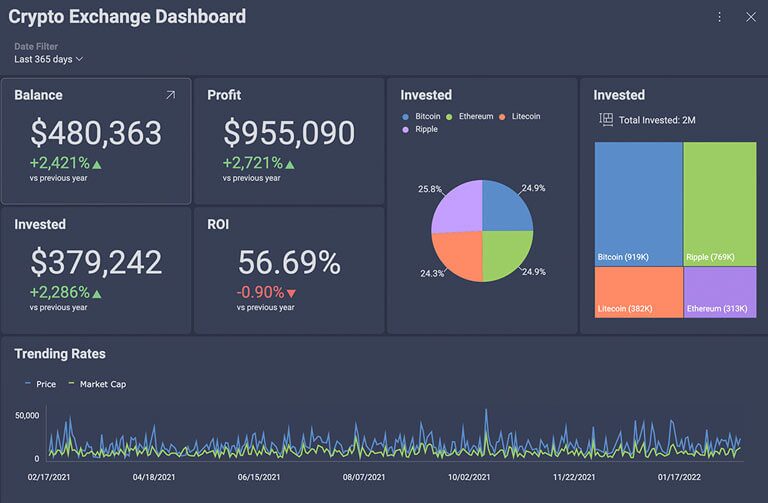
The chart above represents the rapid increase in compliance investment across major crypto exchanges. Binance’s reported $200 million annual spend reflects a broader industry shift toward regulatory alignment.
8. Market Impact: Risk, Opportunity, and Strategic Positioning
For investors and builders, this situation presents both risks and opportunities.
Risks
- Increased regulatory crackdowns may limit certain business models.
- Exchanges could face operational disruptions.
- Market volatility may increase due to legal uncertainty.
Opportunities
- Compliance-focused infrastructure (KYT, AML tools) is becoming a high-growth sector.
- Transparent, regulation-friendly projects may gain institutional capital.
- Decentralized alternatives (DEXs) could benefit from centralized exchange scrutiny.
9. Strategic Insight: What This Means for Future Crypto Projects
For readers seeking new revenue streams and blockchain applications, several key takeaways emerge:
- Compliance Is No Longer Optional
Projects must integrate AML/KYC from the design phase. - Hybrid Models Will Dominate
The future likely lies between centralized compliance and decentralized innovation. - Data Transparency Will Be Monetized
On-chain analytics and compliance APIs will become core infrastructure. - Regulatory Arbitrage Is Declining
Global coordination among regulators is increasing, reducing safe havens.
10. Transaction Risk Pathway in Crypto Systems
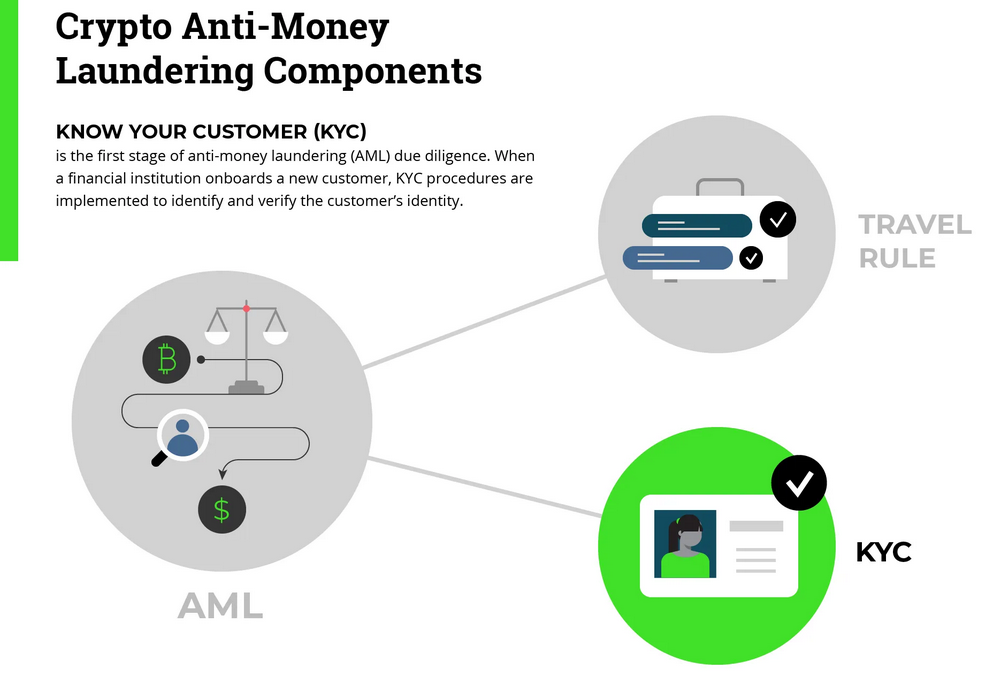
This diagram shows how risk is assessed across the lifecycle of a crypto transaction—from onboarding to monitoring and reporting.
Conclusion: A Defining Moment for Crypto’s Legitimacy
The Binance-Iran controversy is more than a dispute over facts—it is a defining moment for the cryptocurrency industry’s relationship with global regulation.
On one hand, Binance’s aggressive defense and compliance metrics suggest a maturing industry striving for legitimacy. On the other, the involvement of U.S. lawmakers and the DOJ underscores that crypto firms are now firmly within the reach of traditional legal systems.
For investors, developers, and entrepreneurs, the message is clear:
the next phase of crypto growth will be shaped not just by innovation, but by trust, compliance, and integration with global financial norms.
