
Main Points :
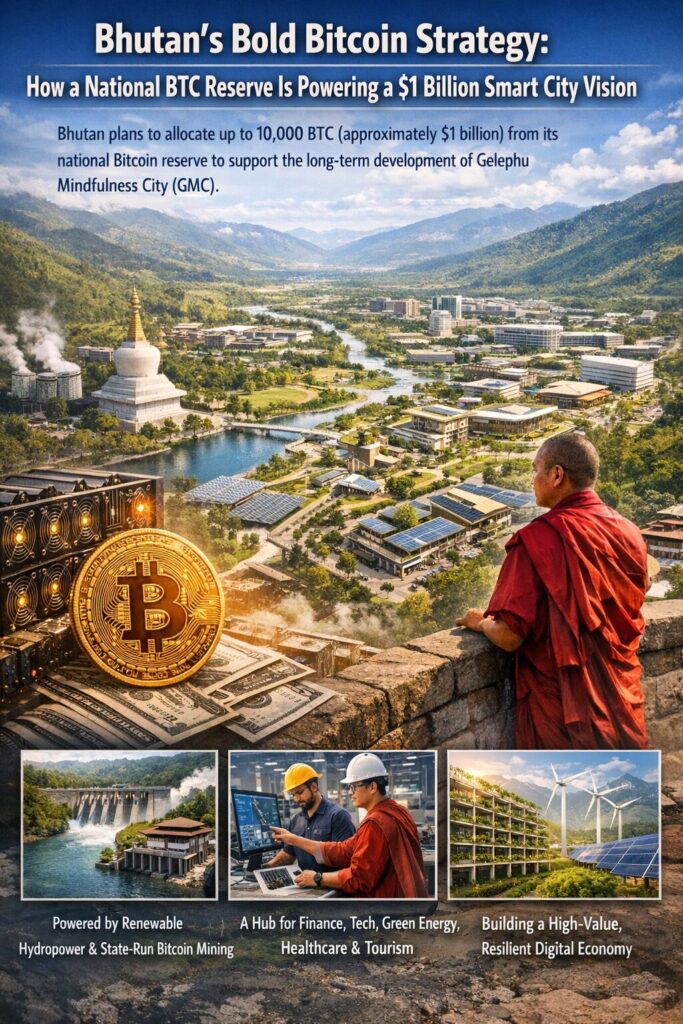
- Bhutan plans to allocate up to 10,000 BTC (approximately $1 billion) from its national Bitcoin reserve to support the long-term development of Gelephu Mindfulness City (GMC).
- This strategy emphasizes capital preservation, transparency, and long-term asset management, rather than short-term liquidation.
- The initiative is backed by state-run Bitcoin mining powered by renewable hydropower, making Bhutan one of the few countries integrating mining, treasury management, and urban development.
- GMC is designed as a special administrative and economic zone, targeting finance, technology, green energy, healthcare, tourism, and agriculture.
- The broader objective is to retain young talent, create high-value domestic jobs, and build a resilient digital-asset-enabled economy.
1. A Historic Allocation: Bitcoin as a National Development Asset
The government of Bhutan has unveiled a groundbreaking policy: using part of its national Bitcoin reserve to finance the long-term development of Gelephu Mindfulness City (GMC). The plan allows for the gradual allocation of up to 10,000 BTC, valued at roughly $1 billion, marking one of the most ambitious state-level uses of Bitcoin anywhere in the world.
This policy was formally announced during a national address by Jigme Khesar Namgyel Wangchuck, who emphasized that the initiative is not a speculative sale of Bitcoin, but a carefully governed capital strategy. The focus is on maintaining asset value, responsible stewardship, and ensuring that national wealth benefits future generations.
Unlike countries that have treated Bitcoin primarily as a short-term fiscal tool, Bhutan is positioning BTC as a strategic reserve asset, comparable to sovereign wealth or long-dated infrastructure capital.
2. From Digital Gold to Real-World Infrastructure
Bitcoin-Backed Urban Development
According to government statements, the Bitcoin allocation for GMC will be implemented in phases, with detailed operational frameworks to be released in the coming months. Several approaches are under consideration:
- Bitcoin-backed financing, where BTC holdings are used as collateral rather than sold outright
- Risk-managed yield and treasury strategies, designed to preserve capital while generating sustainable returns
- Long-term holding policies, ensuring that Bitcoin remains a core national asset
Transparency and oversight are central to the plan, with strict governance mechanisms intended to prevent misuse or excessive risk.
What Is Gelephu Mindfulness City?
Gelephu Mindfulness City is a flagship urban development project located in southern Bhutan, near the Indian border. Designed as a special administrative region, GMC aims to offer regulatory clarity, modern financial infrastructure, and international-grade digital connectivity.
Target sectors include:
- Financial services and fintech
- Blockchain and digital asset companies
- Green and renewable energy
- Healthcare and wellness
- Tourism and sustainable agriculture
The city is envisioned as a new economic nucleus, complementing Bhutan’s traditional focus on Gross National Happiness with advanced digital and financial capabilities.
3. A National Project, Not a Local One
In his address, the King stressed that GMC is not merely a regional development project, but an investment in Bhutan’s national future. Since much of the land involved is state-owned, the economic upside is intended to be shared broadly among citizens.
This structure differentiates Bhutan’s approach from private-sector smart city experiments. Here, Bitcoin acts as a national balance-sheet asset, channeling long-term value into infrastructure, education, and employment.
4. Retaining Youth and Creating High-Value Jobs
Addressing Brain Drain
Like many smaller economies, Bhutan has faced challenges in retaining young, skilled workers. GMC is explicitly designed to counter this trend by creating high-value domestic employment in technology, finance, and green industries.
By integrating digital assets and blockchain infrastructure into the national strategy, Bhutan aims to:
- Develop advanced technical skills among its youth
- Attract international firms without sacrificing sovereignty
- Build a resilient, future-oriented labor market
Bitcoin, in this context, is not just a store of value—it is a tool for economic transformation.
5. The Hidden Foundation: State-Run Bitcoin Mining
Renewable Energy at the Core
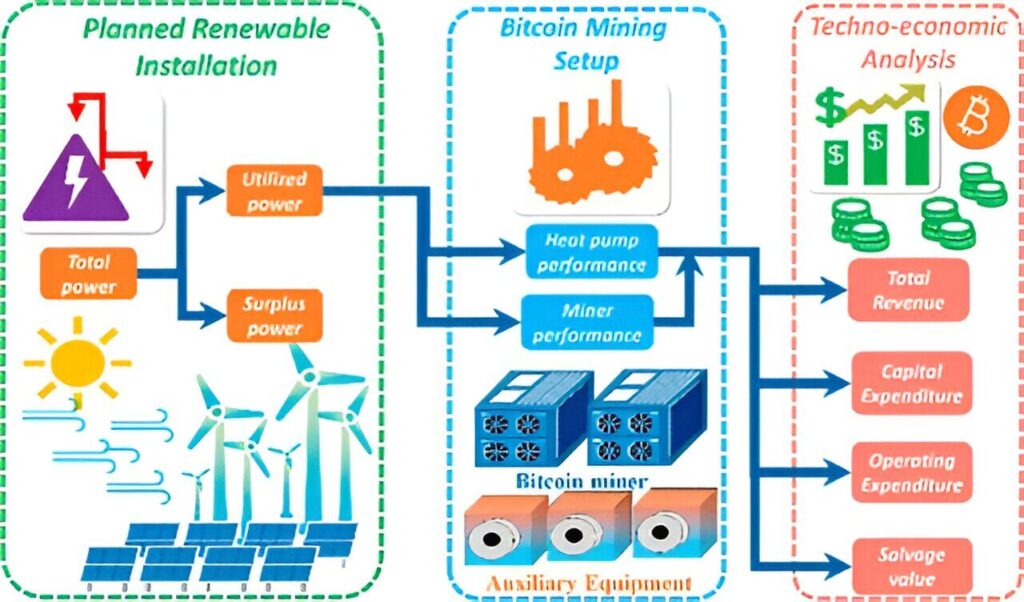
Bhutan’s ability to commit such a large Bitcoin allocation is rooted in its state-run Bitcoin mining operations, launched around 2019. These operations rely primarily on hydroelectric power, allowing the country to convert surplus renewable energy into a globally liquid digital asset.
The mining program is overseen by Druk Holding & Investments (DHI), the government’s investment arm. On-chain data suggests Bhutan holds several thousand BTC, placing it among the largest known government Bitcoin holders globally.
This makes Bhutan one of the few countries to integrate:
- Renewable energy policy
- Bitcoin mining
- National treasury management
into a single coherent framework.
6. International Partnerships and Treasury Expertise
To strengthen financial governance, Bhutan has entered into a memorandum of understanding with Cumberland DRW, a major digital asset market-making firm.
The partnership focuses on:
- Treasury and risk management for Bitcoin reserves
- Liquidity planning and market operations
- Knowledge transfer in digital asset finance
This collaboration highlights Bhutan’s intent to manage its Bitcoin reserves with institutional-grade discipline, rather than ideological enthusiasm alone.
7. Visualizing the Strategy (Suggested Figures)
Bhutan’s Bitcoin-Driven Development Model
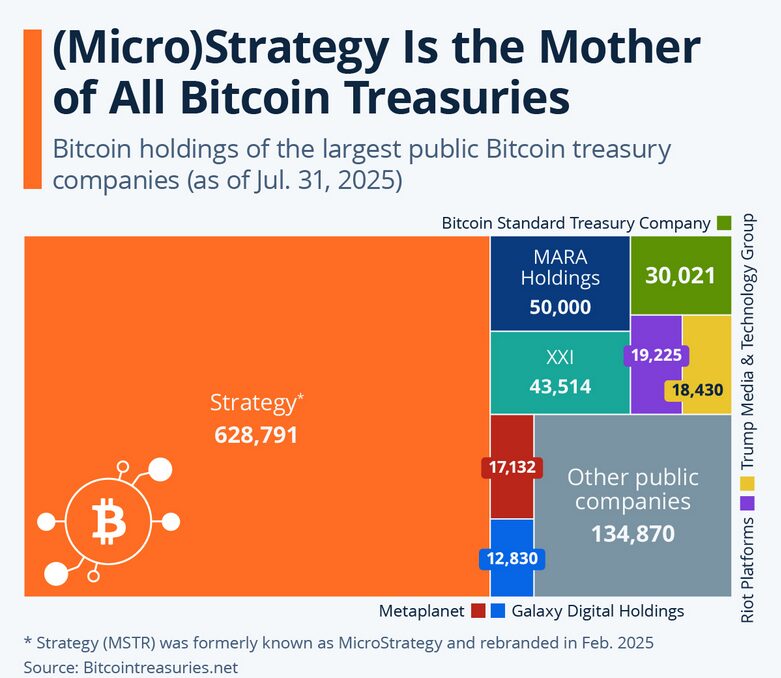
Allocation Concept of the $1 Billion BTC Reserve
8. Global Context: Why Bhutan’s Model Matters
Internationally, governments are still debating whether Bitcoin belongs on a national balance sheet. Bhutan has quietly moved beyond debate into execution.
Key differentiators of the Bhutan model include:
- No dependence on taxpayer purchases of BTC
- Environmentally sustainable mining
- Direct linkage between digital assets and real-world infrastructure
For investors and blockchain practitioners, this offers a compelling case study: Bitcoin can function as productive national capital, not merely a speculative hedge.
9. Implications for Investors and Builders
For readers seeking new crypto assets, revenue opportunities, and practical blockchain applications, Bhutan’s strategy signals several trends:
- Growing acceptance of Bitcoin as sovereign-grade collateral
- Rising importance of energy-efficient mining
- Increased convergence of urban development, fintech, and digital assets
Projects aligned with infrastructure, treasury tooling, energy optimization, and compliance-focused crypto finance may find fertile ground in jurisdictions inspired by Bhutan’s approach.
Conclusion: A New Chapter in Sovereign Bitcoin Use
Bhutan’s decision to allocate up to $1 billion in Bitcoin toward the development of Gelephu Mindfulness City represents a new paradigm. Rather than treating Bitcoin as a short-term trade or political statement, Bhutan is embedding it into the long-term architecture of national development.
By combining renewable energy, disciplined treasury management, and human-centric urban planning, Bhutan offers a rare example of how digital assets can serve both economic resilience and social objectives. For the global crypto ecosystem, this experiment will be closely watched—and may well become a blueprint for the next generation of sovereign blockchain strategies.
