
Main Points :
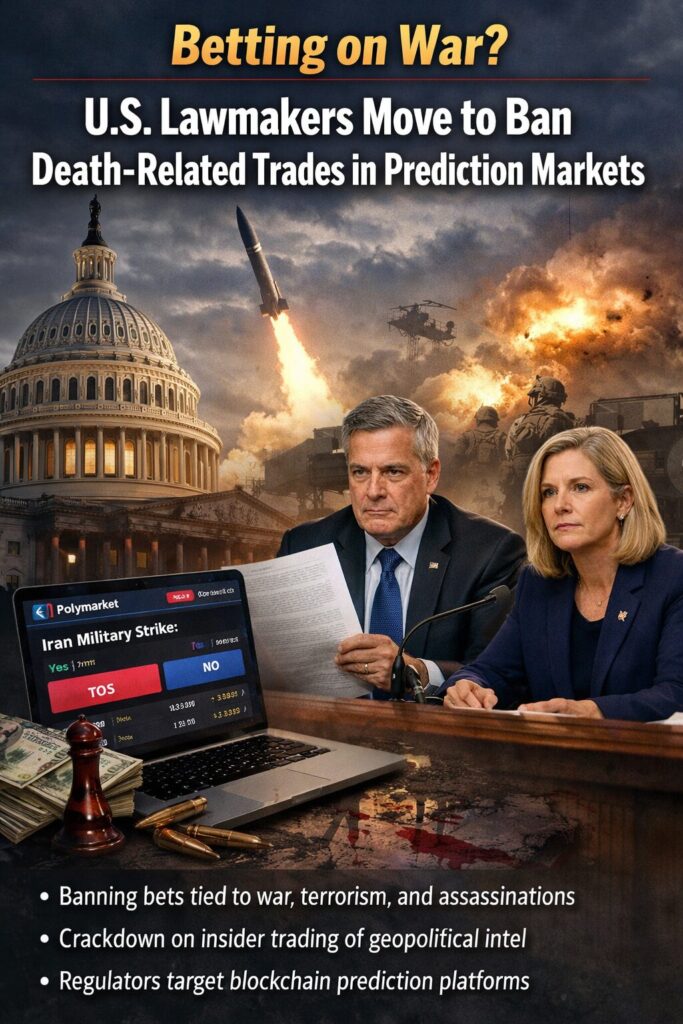
- U.S. Democratic lawmakers proposed legislation to ban prediction market trading on war, terrorism, assassination, and individual deaths.
- The bill aims to prevent insider trading based on classified geopolitical information.
- Concerns intensified after large suspicious bets on an Iran military strike appeared on prediction platform Polymarket.
- The proposal would remove discretionary authority from the CFTC and make such markets explicitly illegal under law.
- The move signals growing regulatory scrutiny of blockchain-based prediction markets as the sector expands globally.
Introduction
Prediction markets—platforms where users wager on the probability of future events—have long been considered a fascinating intersection of finance, politics, and data forecasting. In recent years, the rise of blockchain technology and decentralized finance (DeFi) has dramatically expanded the reach and scale of these markets. Platforms such as Polymarket and others allow traders to speculate on political elections, economic indicators, and even geopolitical events.
However, as these markets grow in popularity and liquidity, regulators and lawmakers are increasingly concerned about their ethical implications. The idea that traders could profit from catastrophic events—such as wars, assassinations, or the death of public figures—has sparked debate over whether such markets create incentives for violence or facilitate insider trading based on classified information.
Against this backdrop, U.S. Democratic lawmakers have introduced legislation designed to prohibit prediction market trades linked to war, terrorism, assassination attempts, or individual deaths. The bill represents one of the most direct attempts yet to regulate blockchain-enabled prediction markets and could significantly reshape the industry’s future.
The Legislative Proposal to Ban War-Related Betting
Background of the Bill
U.S. Representative Mike Levin, together with Representative Adam Schiff, announced on March 10 a proposal aimed at regulating prediction markets registered with the Commodity Futures Trading Commission (CFTC). The legislation specifically targets markets that allow users to speculate on violent or deadly outcomes.
Under the proposed law, prediction markets would be prohibited from offering contracts tied to:
- Terrorist attacks
- Assassinations
- Military conflicts or wars
- The death of specific individuals
Currently, the CFTC possesses the authority to prohibit certain contracts if it determines they are contrary to the public interest. However, the agency has discretion in making those decisions.
The new bill seeks to remove that discretion and instead codify an outright ban in federal law. By doing so, lawmakers hope to eliminate ambiguity in how such markets are regulated and prevent the emergence of new platforms that profit from violent events.
Concerns About Insider Trading and National Security
Classified Information as a Financial Edge
One of the central arguments supporting the bill is that prediction markets tied to war or death could enable individuals with privileged information to profit unfairly.
For example, government officials or intelligence insiders might possess advance knowledge of an imminent military action or assassination attempt. If such individuals were able to place bets on a prediction market before the information became public, they could potentially generate enormous profits.
Representative Adam Schiff emphasized this concern when explaining the rationale behind the legislation.
He argued that betting markets tied to war or death create an environment where insiders can monetize classified information. According to Schiff, this situation could not only undermine market fairness but also threaten national security.
In extreme scenarios, critics argue that prediction markets could even incentivize individuals to influence or accelerate violent events to profit financially.
The Polymarket Controversy
Suspicious Bets on an Iran Military Strike
The immediate catalyst for the legislative proposal appears to be a controversy surrounding the blockchain prediction platform Polymarket.
Reports surfaced that unusually large bets had been placed on the likelihood of a U.S. military strike against Iran shortly before geopolitical tensions escalated. Some lawmakers expressed concern that the timing of these trades suggested the possibility of insider knowledge.
Another Democratic lawmaker publicly criticized the situation, arguing that it represented “corruption that exploits war.”
The controversy intensified scrutiny of prediction markets and raised questions about whether blockchain-based betting platforms could become tools for speculative trading on geopolitical crises.
Example of a Prohibited Market
In discussing the proposed legislation, Schiff provided a hypothetical example of the type of market that would be banned.
One example contract might ask:
“Will Iran’s Supreme Leader Ayatollah Ali Khamenei step down from power?”
While such a question may appear to be a political forecast, critics argue that it effectively allows traders to speculate on events tied to instability, regime change, or violence.
Under the proposed legislation, markets that involve personal death or violent political outcomes would no longer be permitted.
The Regulatory Landscape for Prediction Markets
Current Authority of the CFTC
Prediction markets in the United States operate under a complex regulatory environment. Platforms that allow trading in event-based contracts must typically register with the Commodity Futures Trading Commission (CFTC).
The CFTC has the power to review contracts and determine whether they are against the public interest. Historically, the agency has restricted certain types of markets, particularly those linked to terrorism or assassination.
However, the CFTC’s authority is not absolute. Platforms have occasionally challenged regulatory decisions, and enforcement has been uneven.
This ambiguity has allowed offshore or decentralized prediction markets to flourish.
Blockchain Prediction Markets and the Rise of DeFi Forecasting
A Growing Industry
Prediction markets have experienced a resurgence thanks to blockchain technology. Platforms built on decentralized networks allow users to trade event outcomes without relying on traditional intermediaries.
These markets use smart contracts to settle trades automatically once an outcome is confirmed. Because they operate globally and often accept cryptocurrency payments, they have attracted traders from around the world.
Examples include:
- Polymarket
- Augur
- Gnosis
These platforms collectively represent a new class of decentralized information markets.
“How Blockchain Prediction Markets Work”
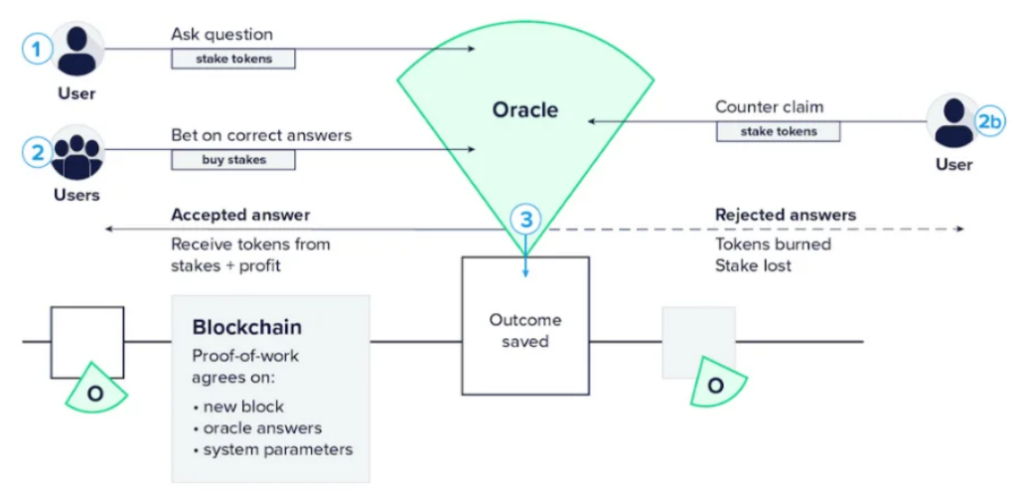
Diagram concept:
User Wallet → Smart Contract Market → Event Oracle → Settlement Payment
This diagram should illustrate the lifecycle of a blockchain prediction trade.
Market Size and Financial Incentives
Prediction markets remain relatively small compared to traditional financial derivatives markets, but they have grown rapidly in recent years.
Below is a simplified estimate of the sector’s growth:
“Estimated Growth of Prediction Market Volume (2020–2026)”

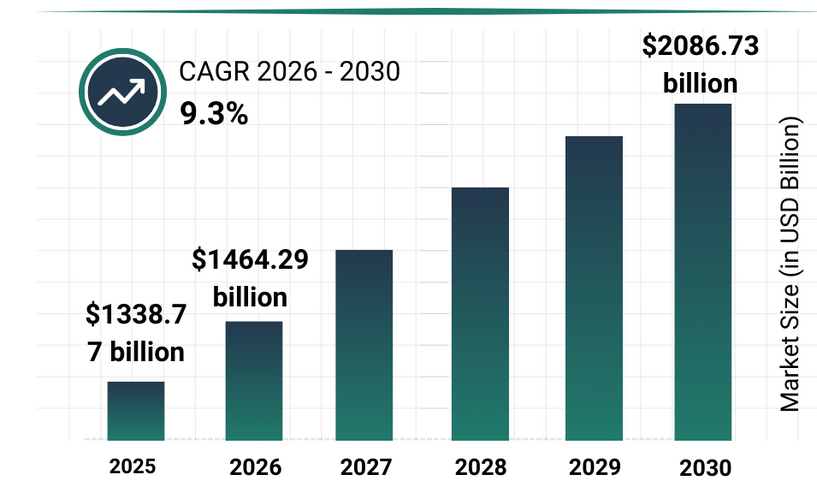
| Year | Estimated Market Volume |
|---|---|
| 2020 | $80M |
| 2021 | $120M |
| 2022 | $250M |
| 2023 | $600M |
| 2024 | $1.2B |
| 2025 | $2.5B |
| 2026 (est.) | $3.8B |
All figures shown in USD ($).
The rapid growth highlights why regulators are paying closer attention to the industry.
SEC and CFTC Expanding Regulatory Oversight
The proposed legislation is only one part of a broader regulatory shift in the United States.
Recently, both the Securities and Exchange Commission (SEC) and the Commodity Futures Trading Commission (CFTC) submitted regulatory proposals related to prediction markets and digital assets to the White House’s Office of Information and Regulatory Affairs (OIRA).
These proposals indicate that U.S. regulators are actively reviewing how decentralized financial tools should be governed.
Interestingly, during the previous administration under President Joe Biden, the CFTC had proposed rules limiting event contracts related to terrorism and war. However, those proposals were formally withdrawn earlier this year.
The new legislation could effectively revive and strengthen those restrictions.
Ethical Debate: Should Society Allow Markets on Death?
The controversy surrounding war-related betting raises deeper philosophical questions about the role of markets in society.
Supporters of prediction markets argue that such platforms can improve forecasting accuracy by aggregating information from thousands of participants.
Economists have long noted that prediction markets sometimes outperform traditional polling or expert analysis.
However, critics argue that markets tied to violent events cross an ethical line.
Allowing people to profit from assassination attempts or wars may normalize tragedy as a financial opportunity.
In addition, the presence of large financial incentives could distort incentives and encourage harmful behavior.
Impact on the Future of Crypto Prediction Platforms
If the legislation passes, blockchain prediction platforms may face several possible outcomes:
- Geographic Segmentation
Platforms may restrict U.S. users to avoid legal risk. - Market Category Restrictions
Markets tied to violence or death may be permanently removed. - Increased Compliance Infrastructure
Platforms may adopt stronger KYC, AML, and regulatory reporting systems. - Growth in Non-Political Forecast Markets
Prediction markets could shift toward areas like economics, sports, and technology forecasts.
For crypto investors and builders, this shift could open new opportunities to develop legally compliant prediction markets focused on business data and macroeconomic signals.
Implications for Blockchain Innovation
The debate highlights a recurring tension within the blockchain industry: balancing innovation with regulation.
Prediction markets have the potential to serve as powerful tools for:
- economic forecasting
- risk assessment
- decentralized information aggregation
- insurance and hedging mechanisms
However, when such markets intersect with sensitive geopolitical events, regulators become more cautious.
Developers working in the Web3 ecosystem may need to design platforms that avoid controversial categories while still preserving the core benefits of decentralized forecasting.
Conclusion
The proposed U.S. legislation banning prediction market trades tied to war, terrorism, assassination, and death represents a pivotal moment in the evolution of blockchain-based forecasting platforms.
At its core, the bill reflects growing concern that decentralized prediction markets could enable insider trading based on classified information or create financial incentives linked to violence.
The controversy surrounding large bets on geopolitical events—such as those seen on Polymarket—has accelerated calls for clearer regulatory boundaries.
At the same time, the broader prediction market industry continues to expand, fueled by blockchain technology and global demand for decentralized information markets.
For investors, developers, and crypto entrepreneurs, the key takeaway is clear: the future of prediction markets will likely depend on compliance-friendly designs that align with regulatory expectations while preserving the transparency and efficiency of blockchain systems.
If lawmakers succeed in banning war-related prediction markets, the industry may evolve toward more constructive applications—transforming decentralized forecasting into a legitimate financial tool rather than a controversial betting platform.
