

Key Takeaways :
- Bitcoin is widely expected to reach a new all-time high in 2026, consistent with post-halving historical cycles and unprecedented institutional participation.
- The U.S. Federal Reserve’s withdrawal of restrictive guidance on crypto-related banking marks a structural shift, dramatically lowering barriers for traditional financial institutions.
- Japan’s potential move toward separate taxation for crypto assets by January 2028 could fundamentally reshape investor behavior, capital flows, and Web3 entrepreneurship.
- These three developments—market cycles, regulatory normalization, and tax reform—are converging into a single macro narrative that favors a sustained, structurally supported bull market rather than a speculative spike.
1. Will Bitcoin Reach a New All-Time High in 2026? Market Expectations and the Return of a Bull Cycle
The prospect of Bitcoin reaching a new all-time high in 2026 has moved beyond speculative optimism and into the realm of structured, data-driven expectation. This outlook is grounded in two converging forces: the post-halving supply-demand dynamic and the accelerated entry of institutional capital into the crypto market.
Historically, Bitcoin has exhibited a pronounced four-year cycle closely tied to its halving events, which reduce the rate of new supply issuance by 50 percent. In previous cycles, price peaks have consistently emerged approximately 12 to 24 months after a halving event. Applying this historical framework to the most recent halving in 2024 places the next potential peak squarely in 2026.
What distinguishes this cycle from previous ones is the structural transformation of market participants. The approval of spot Bitcoin ETFs in major jurisdictions has enabled pension funds, sovereign wealth funds, insurance companies, and asset managers to gain exposure through regulated instruments. This shift marks Bitcoin’s transition from a retail-driven speculative asset to an institutional-grade portfolio component.
At the same time, global liquidity conditions are expected to ease relative to the restrictive monetary environment of the early 2020s. As interest rate cycles peak and begin to normalize, risk assets with strong scarcity narratives—such as Bitcoin—tend to benefit disproportionately. Bitcoin’s role as both a macro hedge and a high-beta risk asset positions it uniquely at this inflection point.
Importantly, this cycle is less likely to resemble a short-lived speculative bubble. Instead, the convergence of reduced supply, long-term institutional allocation mandates, and expanding financial infrastructure suggests a more durable price discovery process. For investors, the strategic implication is clear: understanding Bitcoin as a long-term macro asset rather than a short-term trade becomes increasingly critical.
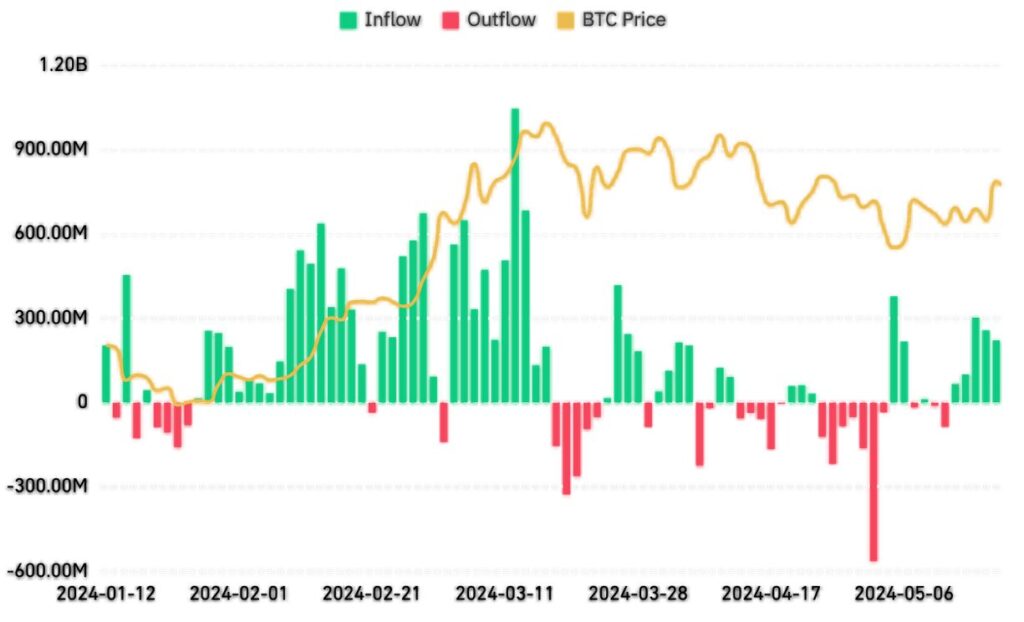
【Bitcoin price performance across halving cycles (USD-based)】
2. The U.S. Federal Reserve’s Regulatory Rollback: Lowering the Barriers for Institutional Entry
The U.S. Federal Reserve’s decision to withdraw restrictive guidance on banks’ engagement with crypto-related businesses represents a watershed moment in the integration of digital assets into the traditional financial system. For years, regulatory ambiguity effectively discouraged banks from offering custody, settlement, and payment services to crypto firms, creating systemic friction across the industry.
By rescinding this guidance, U.S. regulators have signaled a pragmatic shift: rather than isolating crypto activity, they now appear to favor integrating it within the existing regulatory perimeter. This change enables banks to more confidently provide crypto custody services, participate in stablecoin issuance frameworks, and support blockchain-based payment rails.
The implications are profound. Banking access has long been the industry’s most significant bottleneck, affecting liquidity, compliance, and scalability. With this barrier reduced, crypto-native firms gain access to reliable financial infrastructure, while banks unlock new revenue streams tied to digital asset services.
This development also enhances market trust. Institutional investors that were previously constrained by counterparty and custody risks can now operate within familiar banking relationships. As a result, capital that once remained sidelined due to regulatory uncertainty may now flow into crypto markets with greater conviction.
Beyond the U.S., this regulatory pivot sets a global precedent. Financial regulators in other jurisdictions often look to U.S. policy for guidance, and similar recalibrations may follow elsewhere. The net effect is an acceleration of crypto’s evolution from a parallel financial system into an integrated component of global finance.
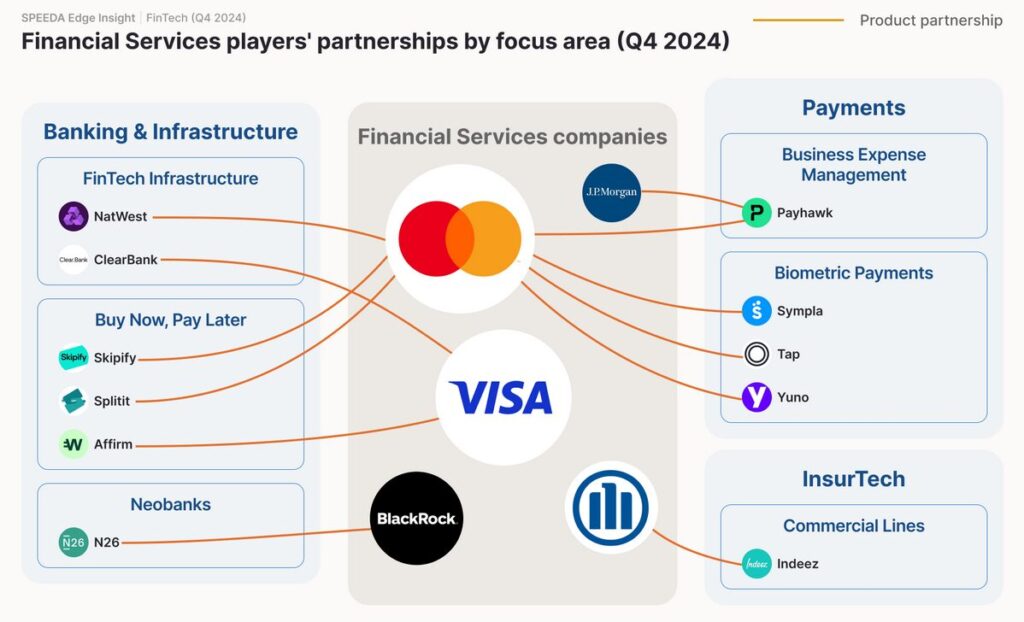
【Evolution of U.S. banking policy toward crypto assets】
3. Japan’s Potential Shift to Separate Taxation by 2028: A Game-Changer for Investors and Web3 Innovation
Japan’s discussion of introducing separate taxation for crypto assets by January 2028 represents one of the most consequential policy debates in the country’s digital asset history. Under the current system, crypto gains are classified as miscellaneous income and subject to progressive taxation, with marginal rates that can exceed 50 percent. This structure has long been criticized for stifling investment and innovation.
A transition to separate taxation—aligned with equities and foreign exchange at a flat rate of approximately 20 percent—would dramatically improve after-tax returns for investors. More importantly, it would introduce loss carryforwards and greater tax predictability, encouraging long-term participation rather than short-term speculation.
The timing is particularly significant. A potential 2028 implementation would coincide with the maturation of the current Bitcoin cycle and the broader adoption of Web3 technologies by corporations. For Japanese investors, this reform could redefine exit strategies, reducing the incentive to offshore trading activity or relocate abroad.
From an industrial perspective, tax reform could reverse the brain drain that has seen Japanese crypto startups incorporate overseas. By improving domestic competitiveness, Japan could reassert itself as a leading hub for blockchain development, decentralized finance, and tokenized assets.
While legislative and political hurdles remain, the mere presence of a credible timeline has already altered market psychology. Investors and entrepreneurs are beginning to plan strategically around a more favorable tax regime, underscoring the reform’s anticipatory impact even before formal enactment.
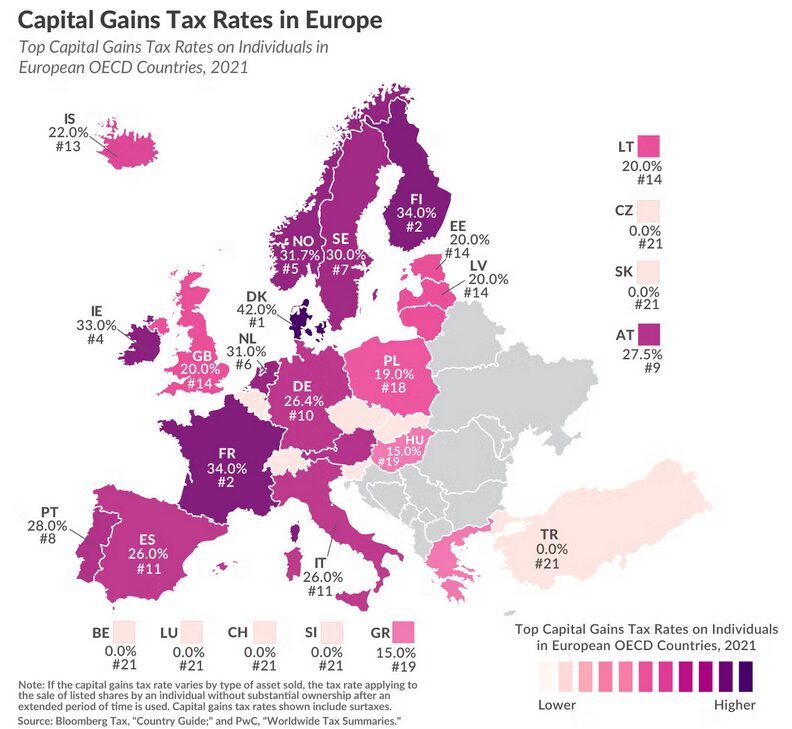
【Comparative crypto tax regimes (USD-equivalent impact)】
Conclusion: A Structurally Supported Bull Market, Not a Speculative Spike
Taken together, these three developments outline a compelling macro narrative. Bitcoin’s cyclical supply dynamics provide the historical foundation. U.S. regulatory normalization removes systemic friction and unlocks institutional capital. Japan’s anticipated tax reform enhances long-term investment viability and entrepreneurial activity.
This convergence suggests that the next bull market will differ fundamentally from previous cycles. Rather than a retail-driven surge followed by collapse, the emerging structure points toward sustained growth supported by regulation, infrastructure, and policy alignment.
For investors seeking new digital assets, revenue opportunities, or practical blockchain applications, the message is clear: the crypto market is entering a phase defined less by hype and more by structural legitimacy. Navigating this environment requires a long-term perspective, regulatory awareness, and a strategic understanding of how macro forces shape digital asset valuation.
The anatomy of the next bull cycle is no longer speculative—it is increasingly visible.
