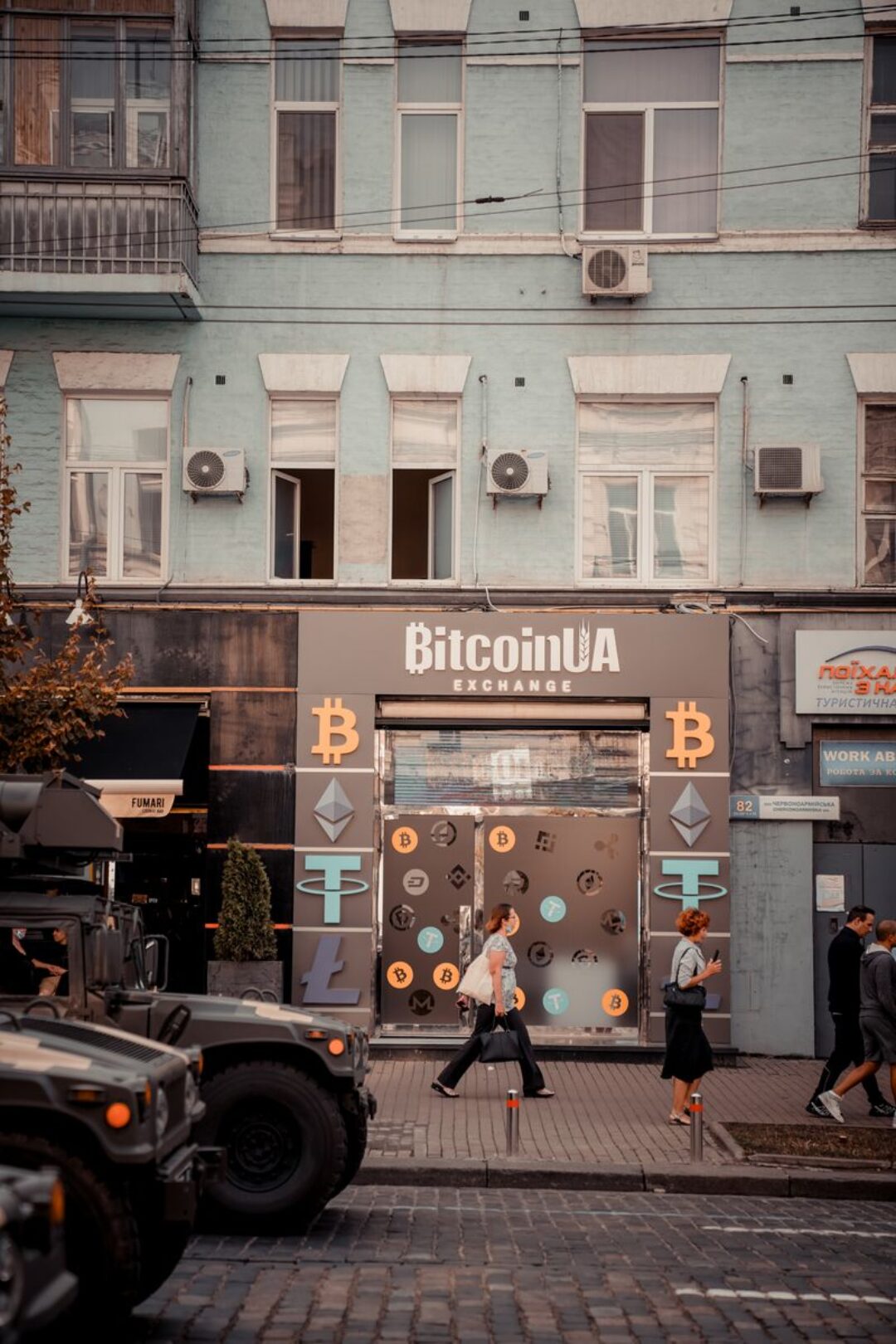
Russia’s legalization of cryptocurrency trading is projected to channel over $46 billion into regulated exchanges in its first year, according to estimates from Sberbank.
Effective September 1, 2026, Russia’s financial landscape will position digital assets within a formal regulatory framework while balancing investor access and state oversight.
Optimistic Forecast for Crypto Volume
Sberbank, Russia’s largest bank, has forecast that domestic regulated exchanges could see 4 trillion rubles ($46.4 billion) in trading volume during the first year of legalization.
Come 2029, volumes may rise to 7.5 trillion rubles, though officials acknowledge that a significant share of transactions will continue to occur on offshore platforms.
The new law, signed by President Vladimir Putin on August 4, 2026, introduces a licensing regime for exchanges and brokers under the supervision of the Bank of Russia.
A proposed list of tradable assets includes Bitcoin, Ethereum, and Tether’s USDT, reflecting the government’s cautious but pragmatic approach. Retail investors will face annual purchase limits of 300,000 rubles per intermediary, while qualified investors will enjoy unrestricted access.
Expectations after the Legalization
The legalization shows Russia’s attempt to reconcile its geopolitical constraints with the realities of global finance.
Sanctions have limited access to international markets, making crypto an attractive alternative for cross‑border trade. With activities channeled through regulated exchanges, the government aims to capture tax revenue, monitor flows, and reduce systemic risk.
At the same time, the restrictions on retail investors highlight lingering concerns about volatility and consumer protection.
The cap of 300,000 rubles per year is designed to prevent excessive exposure among everyday Russians, while institutional players are given broader latitude to leverage crypto for trade and investment.
Russia’s decision also adds weight to the global trend of major economies formalizing crypto markets.
While the U.S. and EU focus on stablecoin regulation and investor protection, Russia’s model emphasizes state oversight and geopolitical utility. This divergence shows how national priorities shape regulatory design.
To the global crypto community, Russia’s legalization offers both opportunities and risks.
On one hand, regulated exchanges could expand market depth and transparency. On the other, the framework may be used strategically to bypass sanctions, raising concerns among international regulators.
Realities of the Framework
The new framework portrays Russia’s determination to assert control over digital assets. Through licensing of exchanges and brokers, the Bank of Russia can be assured that crypto trading aligns with national monetary policy and anti‑money laundering standards.
Legalization could boost domestic liquidity and attract institutional investors who previously avoided Russia’s opaque crypto environment. However, offshore platforms are likely to remain dominant, especially for traders seeking higher leverage or anonymity.
Geopolitically, the move positions crypto as a tool for resilience against sanctions. Allowing Bitcoin and stablecoins for regulated trading provides Russia with channels for cross‑border settlement, even as domestic payments remain restricted.