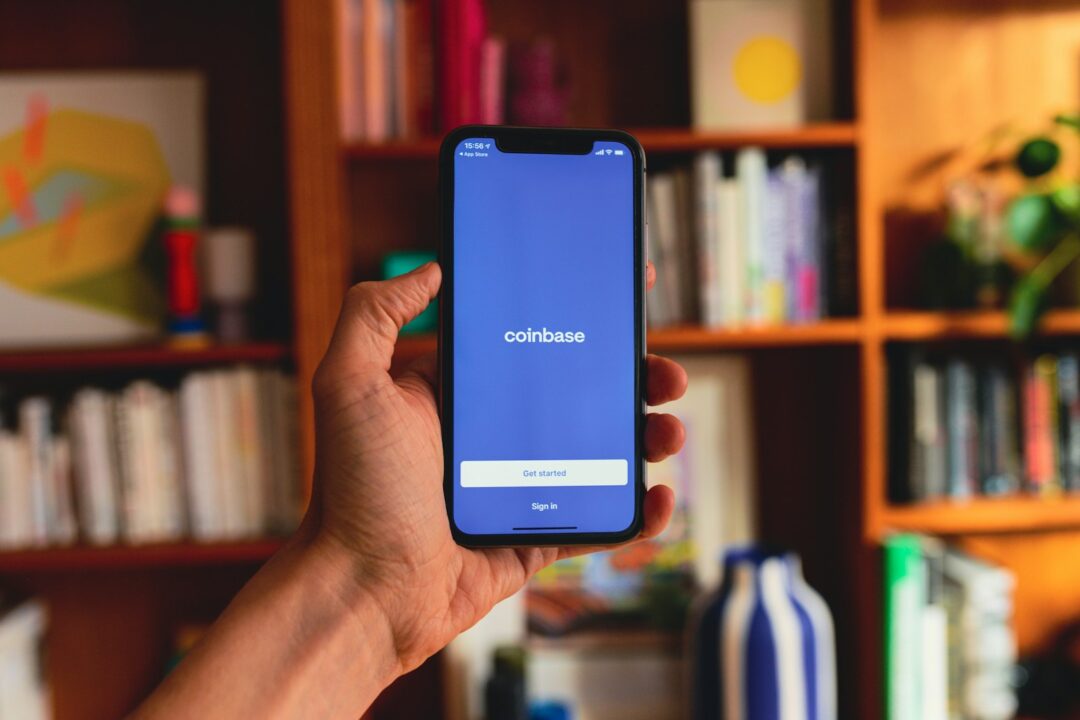
On May 29, Strategy transferred 411.48 Bitcoin to Coinbase, valued at approximately 4.8 billion yen. The transfer is considered the first direct token transfer to an exchange in nearly two (2) years. According to a MEXC report, the 411.48 BTC transfer to Coinbase was marked by on-chain trackers and rapidly spread across the cryptocurrency market. The estimated $30 million valuation positions it as a major but modest transfer similarly to Strategy’s broad Bitcoin treasury.
Michael Saylor has also shifted his point of view on “never selling Bitcoin,” noting that some Bitcoin tends to be sold to pay dividends. He also added during his interview that he remains open to persist in a “net buyer” position in Bitcoin. During Strategy’s Q1 2026 earning calls on May 5, the move came in addition to a $12.54 billion net loss for Q1 and $1.5 billion in annual dividend obligations linked to STRC preferred stock, which holds an 11.5% yield.
The deposit represents an estimate of about 0.05% of Strategy’s 843,738 BTC. However, prediction markets such as Polymarket shows an increasing projection that the company may sell Bitcoin, with the probability climbing to 91%. Moreover, 89% of respondents in a distributed forecast voted “yes” to the possibility that Strategy would sell some Bitcoin by December 31, 2026.
Recently, Strategy transferred Bitcoin to Coinbase Prime, but not for sale. Some traders in the cryptocurrency community speculate that such deposits may be designed for custody or collateral purposes rather than selling.
According to Arkham data, Coinbase Prime transferred 411 BTC to Strategy’s wallet in two (2) transactions of 205.3 BTC and 206.2 BTC, came by a small test transaction of 0.0241 BTC. This move highlighted a primary custodian design in which Coinbase Prime first routes assets through hot wallets prior to allocating them to dedicated cold storages, such as Coinbase Vault, on a per-client basis.
Saylor explained that when liquid is required, the primary concern should be to liquidate assets that generally depreciate value over time, rather than selling Bitcoin, which he believes may increase over time and provide value for future generations. He also emphasized that the value of the U.S dollar and gold typically diminish over time caused by inflation and the ongoing increasing of gold supply through mining. In comparison, Bitcoin is defined as having a fixed supply capped at 21 million coins, which is not specifically referred to political or institutional influence, making its value low to long-term depreciation.
Furthermore, he argued that if you are not committed to holding assets such as Bitcoin for at least four (4) years, then it should be considered a trader rather than a long-term investor, with an optimal investment period of about ten (10) years. He noted that Bitcoin’s volatility has a major swing generally to influence investors’ attention and encourage market activity.
Saylor also emphasized that STRC stock is a “digital credit” product backed by Bitcoin, structured to lessen price fluctuation while accumulating high yields. He further noted that STRC incorporates artificial intelligence (AI) into its structure.
Strategy also reported the completion of its buyback of about $1.5 billion in zero-interest convertible bonds due in 2029. As an outcome, its remaining convertible bond balance dropped from $8.2 billion to $6.7 billion. Strategy used of about 61% of the U.S. dollar reserve allocated in December 2025 to fund the repurchase. Thus, no additional Bitcoin purchases were made during the previous week.