
Main Points :
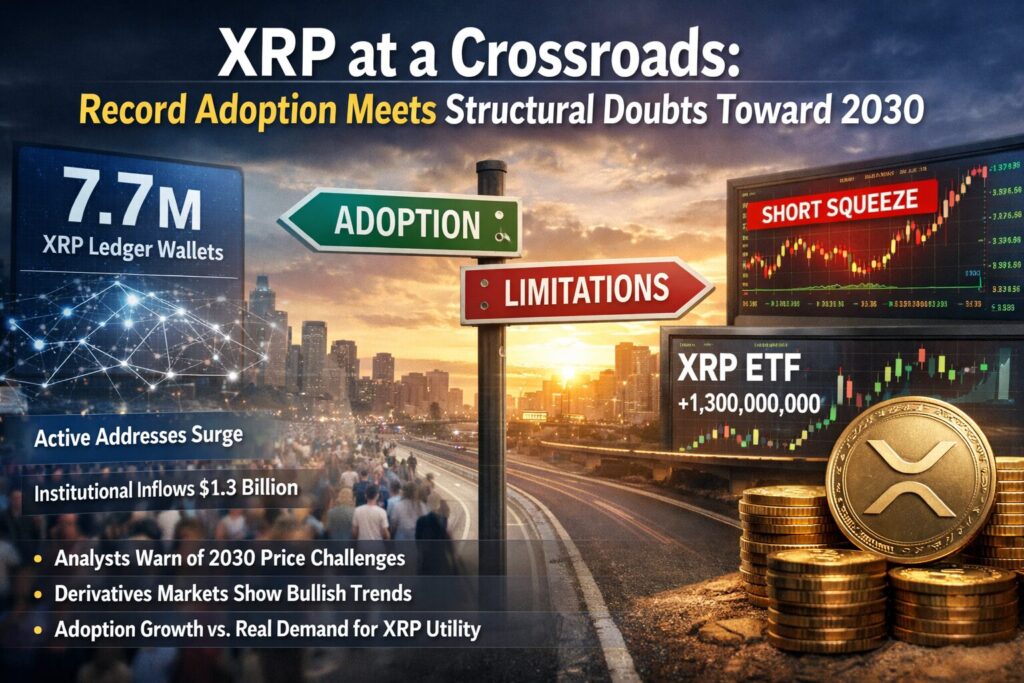
- XRP Ledger wallets surpass 7.7 million holders, marking a historic adoption milestone
- Active addresses surge, signaling broad-based network participation
- Analysts warn XRP may face structural limitations toward 2030 price growth
- Institutional inflows via XRP ETFs exceed $1.3 billion, yet price impact remains muted
- Derivatives markets show strong short liquidations and bullish leverage trends
- The key debate: Adoption growth vs. real demand for XRP utility
Introduction: A Historic Milestone with Lingering Questions
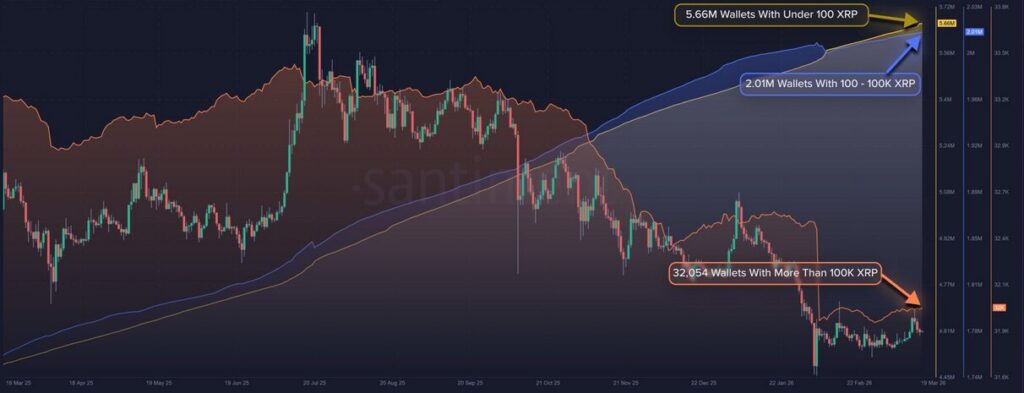
The XRP ecosystem has reached a symbolic and data-driven milestone: the number of wallet holders on the XRP Ledger has surpassed 7.7 million, the highest in its 13-year history. This growth reflects expanding user participation and increasing awareness of XRP as a digital asset.
At the same time, XRP’s price has shown short-term strength, rising over 7% in the past week, supported by a surge in network activity and derivatives market momentum.
Yet, beneath this optimism lies a deeper and more complex debate. While adoption metrics continue to rise, some analysts argue that XRP’s long-term value proposition remains structurally uncertain. The central question is no longer whether XRP is being used—but whether that usage translates into sustainable price appreciation.
XRP Wallet Growth vs Price Trend

Rising Adoption: What 7.7 Million Wallets Really Means
The increase in XRP wallet holders is not just a vanity metric—it reflects broader participation across the network. According to on-chain analytics (e.g., Santiment), the number of non-empty wallets has reached an all-time high, while daily active addresses recently climbed to 46,767, a five-week peak.
This dual increase in both holders and activity is important. It suggests that the network is not being driven solely by large holders (whales), but rather by a wider base of participants.
From a blockchain perspective, these metrics are typically considered leading indicators of demand:
- Wallet growth → signals increasing adoption
- Active addresses → indicates transaction activity and utility
- Combined trend → suggests ecosystem expansion
Historically, such patterns have preceded price increases in many crypto assets. However, XRP presents a unique case.
The Structural Concern: Does XRP Adoption Equal XRP Demand?
Despite strong adoption data, several analysts remain cautious. One of the most prominent arguments comes from analysts such as Johnny Rice, who emphasize a critical distinction:
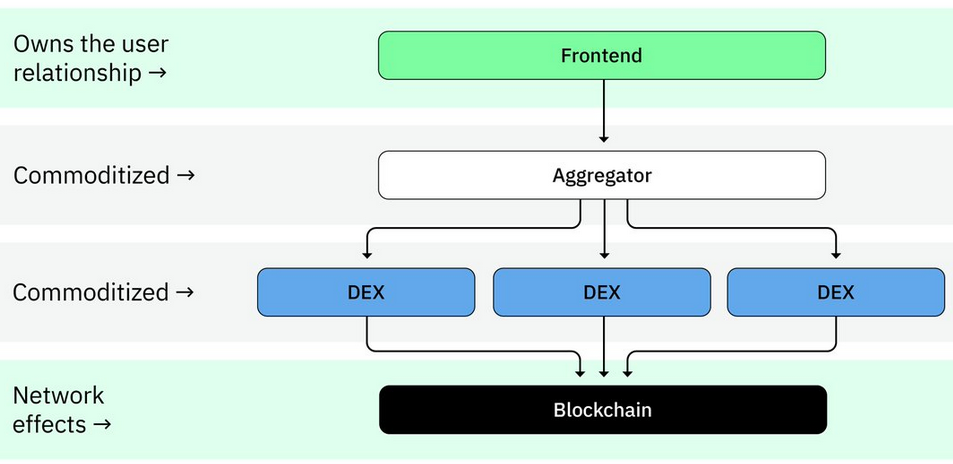
The growth of Ripple’s technology does not necessarily translate into demand for XRP itself.
This is a structural issue. Many of Ripple’s enterprise solutions—particularly in banking and cross-border payments—can function without requiring XRP as a settlement asset.
This creates a disconnect:
- Ripple (the company) may succeed
- XRP (the token) may not capture proportional value
Rice argues that even by 2030, XRP holders may not see meaningful upside if this structural gap persists.
Ripple vs XRP Value Flow Model
Institutional Inflows: Strong on Paper, Weak in Impact
Another key narrative supporting XRP has been institutional adoption—particularly through XRP-linked ETFs.
- XRP ETFs attracted over $1.3 billion in inflows within the first 50 days
- This made them one of the fastest-growing crypto ETF products after Bitcoin
Major institutions like Goldman Sachs reportedly hold over $150 million in XRP-related products.
However, the overall institutional allocation remains relatively small:
- Total reported XRP ETF holdings: ~$211 million
- Total ETF AUM: ~$1.2 billion
Moreover, analysts like James Seyffart note that publicly available filings only capture a fraction of total ownership. Meanwhile, Eric Balchunas suggests that many ETF investors may still be retail-driven XRP enthusiasts, rather than broad institutional adoption.
The key takeaway:
Capital inflow ≠ price impact, at least not yet.
Short-Term Momentum: A Strong Bullish Signal
While long-term concerns remain, short-term indicators tell a different story.
Recent derivatives market data shows:
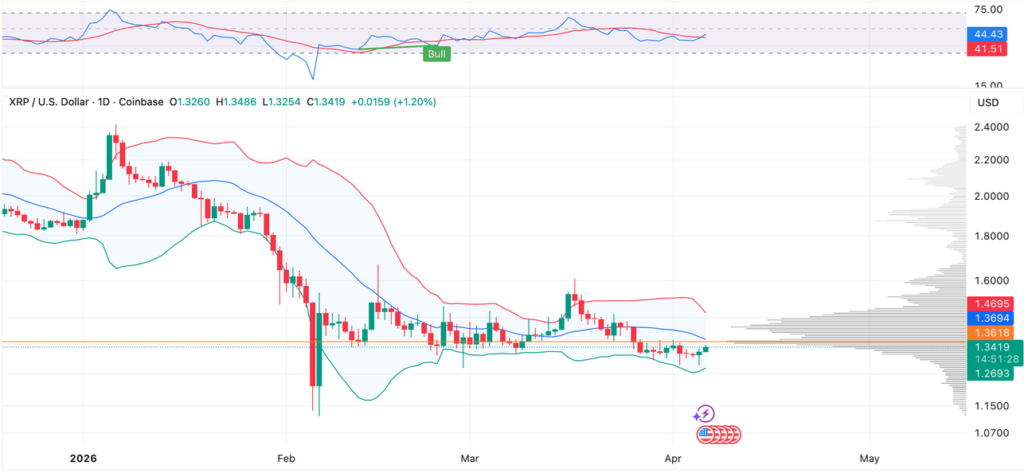
- Short liquidations exceeding $1,000,000 in 12 hours
- Long liquidations: only ~$119,000
- Ratio: 8:1 in favor of bullish momentum
This suggests that bearish traders were caught off guard during XRP’s recent rally.
Major exchanges such as Binance and Bybit saw the majority of these liquidations.
Additional bullish indicators include:
- Rising Estimated Leverage Ratio (ELR)
- Taker buy ratio exceeding 1 (buyers dominating sellers)
Together, these signals indicate strong speculative demand and momentum-driven trading activity.
XRP Derivatives Liquidation Heatmap
The Core Debate: Growth vs Value Capture
XRP now sits at a critical intersection:
Bull Case
- Rapidly growing user base
- Increasing network activity
- Strong short-term market momentum
- Expanding ETF ecosystem
Bear Case
- Weak linkage between Ripple adoption and XRP demand
- Limited institutional penetration relative to hype
- Historical underperformance vs all-time highs
- Structural uncertainty in value capture
This divergence is not unique to XRP—it reflects a broader theme in crypto:
Not all network growth translates into token value.
Opportunities for Investors and Builders
For readers seeking new crypto assets or revenue opportunities, XRP presents a nuanced opportunity:
1. Trading Opportunities (Short-Term)
The current derivatives environment suggests potential for:
- Momentum trading
- Short squeeze setups
- Volatility-based strategies
2. Infrastructure Plays
Even if XRP itself faces structural limitations, the broader ecosystem offers:
- Payment rails integration
- Liquidity routing systems
- Cross-border fintech applications
3. Comparative Analysis
XRP can serve as a benchmark for evaluating:
- Token vs protocol value capture
- Utility-driven vs narrative-driven assets
Conclusion: A Defining Decade Ahead
The XRP Ledger’s milestone of 7.7 million holders is undeniably significant. It demonstrates resilience, community growth, and sustained relevance in an increasingly competitive crypto landscape.
However, the next phase of XRP’s evolution will depend on a deeper factor:
Can XRP convert adoption into intrinsic demand?
If the gap between network usage and token utility remains unresolved, XRP may continue to experience cycles of hype without sustained long-term appreciation.
Conversely, if new use cases, regulatory clarity, and institutional integration begin to directly require XRP, the asset could unlock a new phase of growth.
For now, XRP stands as one of the most important case studies in crypto:
A network that is growing—
but still searching for its ultimate value proposition.



