Key Takeaways :
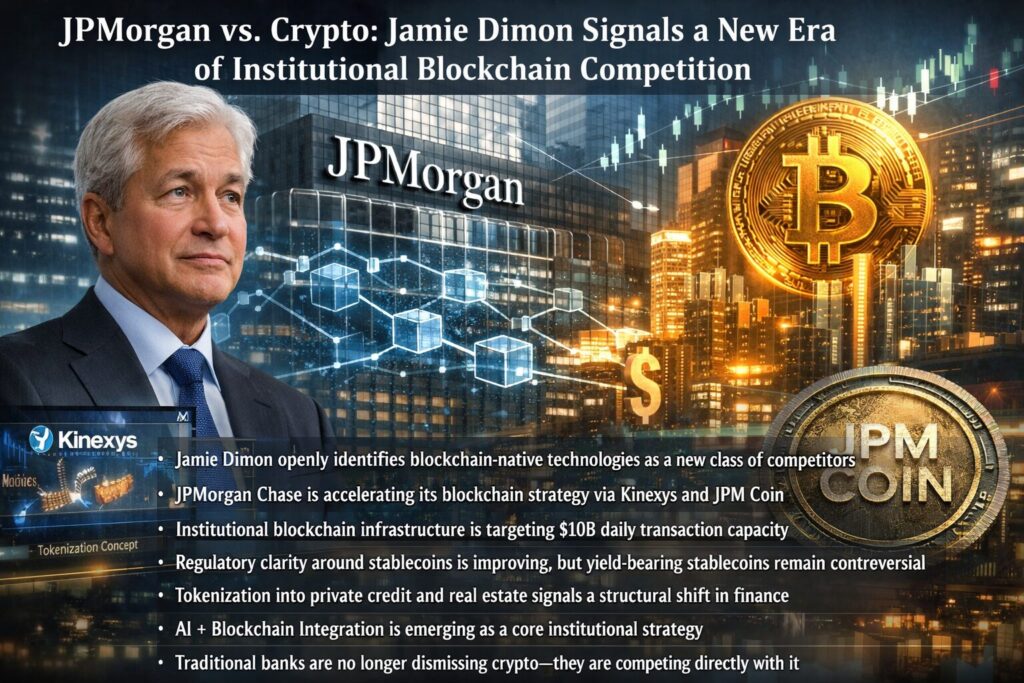
- Jamie Dimon openly identifies blockchain-native technologies as a new class of competitors
- JPMorgan Chase is accelerating its blockchain strategy via Kinexys and JPM Coin
- Institutional blockchain infrastructure is targeting $10B daily transaction capacity
- Regulatory clarity around stablecoins is improving, but yield-bearing stablecoins remain controversial
- The expansion of tokenization into private credit and real estate signals a structural shift in finance
- Integration of AI + blockchain is emerging as a core institutional strategy
- Traditional banks are no longer dismissing crypto—they are competing directly with it
Introduction: A Turning Point in Institutional Finance
The global financial system is undergoing one of the most profound transformations since the advent of electronic banking. In a recent annual shareholder letter, Jamie Dimon, CEO of JPMorgan Chase, made a statement that would have seemed unthinkable just a few years ago: blockchain-based technologies—including smart contracts, stablecoins, and tokenization—are now “a completely new set of competitors.”
This acknowledgment marks a decisive shift. For years, Dimon was widely known as one of Wall Street’s most vocal critics of cryptocurrencies, even calling Bitcoin a “fraud” in earlier cycles. Yet today, his tone has evolved. While skepticism toward speculative crypto assets remains, the underlying infrastructure—blockchain—is now seen as a strategic battlefield.
This article explores what this shift means, how JPMorgan is positioning itself, and why this moment could define the next phase of digital finance.
1. Blockchain as a New Competitive Layer
From Disruption to Direct Competition
Dimon’s statement reflects a broader institutional realization: blockchain is no longer a fringe innovation—it is a competing financial infrastructure.
Traditional banking services such as:
- Payments
- Settlement
- Asset management
are increasingly being replicated—or improved—by blockchain-based systems.
The rise of decentralized finance (DeFi), stablecoins, and tokenized assets has created a parallel financial stack that operates:
- Faster (near real-time settlement)
- Cheaper (reduced intermediaries)
- More transparently (on-chain records)
From JPMorgan’s perspective, these are not just innovations—they are existential threats.
2. JPMorgan’s Counterstrategy: Kinexys and JPM Coin
Building Institutional-Grade Blockchain Infrastructure
To compete, JPMorgan has doubled down on its own blockchain ecosystem.
At the center of this effort is Kinexys, a rebranded evolution of its former Onyx platform.
Kinexys Infrastructure Overview
(Image: Institutional blockchain network architecture, showing banks, asset managers, and tokenized assets connected via smart contracts)
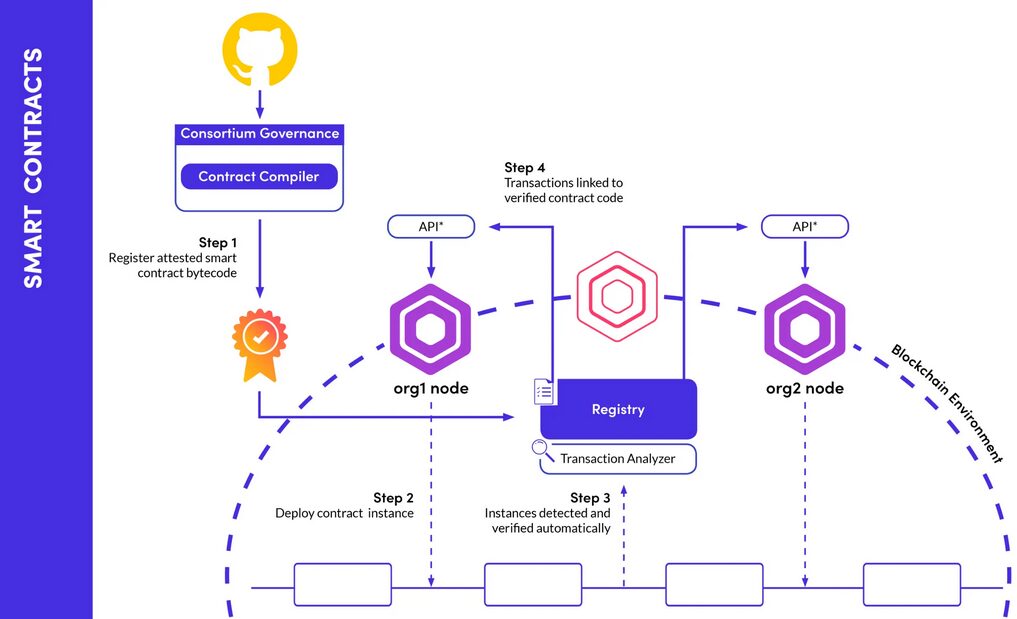
Kinexys aims to process up to $10 billion in daily transaction volume, positioning it as a serious alternative to traditional clearing systems.
Its client roster already includes major global institutions such as:
- BlackRock
- Siemens
- Qatar National Bank
- Mitsubishi Corporation
This signals a critical trend: blockchain adoption is no longer experimental—it is operational.
JPM Coin (JPMD): The Institutional Stablecoin
JPMorgan’s stablecoin, known as JPM Coin (JPMD), represents tokenized bank deposits.
Unlike public stablecoins such as USDC or USDT, JPM Coin operates within a permissioned ecosystem.
It has expanded beyond internal systems and is now deployed on:
- Base (Coinbase-supported network)
- Canton Network
This multi-network expansion highlights a key strategy:
Interoperability between institutional and public blockchain ecosystems
3. Regulation: Opportunity and Constraint
Stablecoin Legislation and Institutional Entry
The regulatory environment is evolving rapidly.
The passage of the GENIUS Act (U.S.) has provided a clearer framework for stablecoin issuance, enabling:
- Institutional participation
- Compliance standards
- Risk controls
However, unresolved issues remain—particularly around yield-bearing stablecoins.
Banks argue that such products:
- Blur the line between deposits and securities
- Could destabilize traditional financial systems
Meanwhile, legislative efforts like the U.S. Clarity Act continue to face political friction, particularly around:
- DeFi regulation
- Ethical provisions
- Market structure definitions
This regulatory uncertainty creates both:
- Barriers (compliance complexity)
- Opportunities (first-mover advantage for compliant players)
4. Tokenization: The Next Trillion-Dollar Market
Expanding Beyond Payments
JPMorgan is not limiting blockchain to payments.
Its roadmap includes tokenizing:
- Private credit
- Real estate
- Traditional financial instruments
Tokenization Flow
(Image: Real-world asset → tokenization → blockchain trading → settlement)
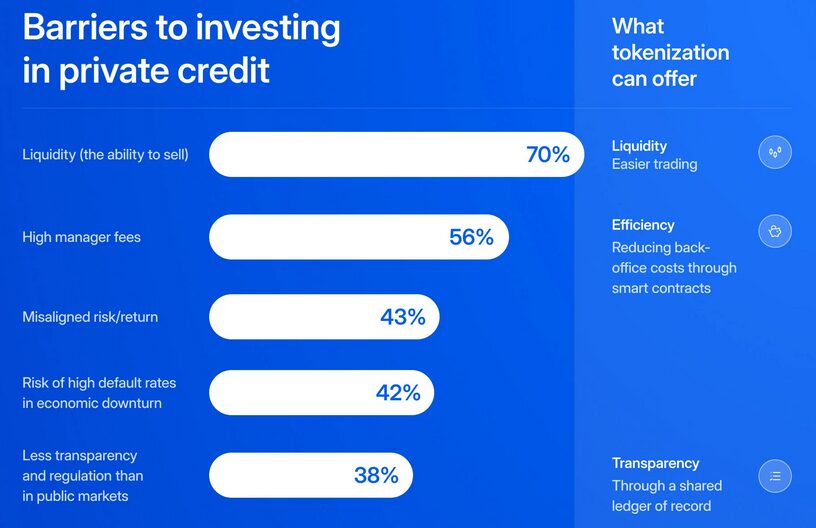
Tokenization offers:
- Fractional ownership
- Increased liquidity
- Global accessibility
According to multiple industry forecasts, tokenized assets could reach trillions of dollars in value within the next decade.
For readers seeking new revenue streams, this is critical:
Tokenization is not just a technology—it is a new asset class infrastructure.
5. AI + Blockchain: The Dual Engine Strategy
Dimon also emphasized that AI will be embedded “in every process” within JPMorgan.
This signals a convergence of two transformative technologies:
- Blockchain (trust, settlement, ownership)
- AI (decision-making, automation, risk analysis)
Use cases include:
- Automated compliance (AML/KYC)
- Smart contract optimization
- Fraud detection
- Portfolio management
This combination could redefine:
- Operational efficiency
- Risk management
- Customer experience
6. Competitive Landscape: Banks vs. Crypto-Native Players
Who Wins?
The competition is no longer theoretical.
On one side:
- Traditional banks (capital, regulation, trust)
On the other:
- Crypto-native firms (innovation, speed, decentralization)
Dimon remains confident:
“In most cases, we will maintain our leadership position.”
And the numbers support his confidence:
- Revenue: $185.6 billion
- Net income: $57 billion
- 8 consecutive years of record performance
Yet the battlefield is changing.
Crypto firms are:
- Building global payment rails
- Offering yield products
- Tokenizing assets without intermediaries
Banks are:
- Integrating blockchain
- Leveraging regulatory advantages
- Scaling institutional networks
The outcome may not be a winner-takes-all scenario—but a hybrid financial system.
7. Strategic Expansion: Beyond Finance
JPMorgan is also exploring:
- Prediction markets
- Expanded digital finance services
- Broader ecosystem integration
This suggests a long-term vision:
Becoming a platform, not just a bank
Conclusion: The Beginning of a New Financial Architecture
The significance of Dimon’s statement cannot be overstated.
For the first time, one of the world’s most powerful bankers has publicly acknowledged that blockchain is not just a tool—but a competitor.
This marks the transition from:
- Denial → Adoption → Competition
For investors, builders, and institutions, the implications are profound:
- Blockchain is becoming core infrastructure
- Tokenization will reshape asset ownership
- Stablecoins will redefine money movement
- AI will amplify everything
And most importantly:
The next phase of crypto is not rebellion—it is integration.