

Key Points :
- BitMine Immersion Technologies acquired 71,252 ETH in one week, its fastest pace since Dec 2025
- Total holdings exceeded 4.8 million ETH (~$10.2 billion)
- Represents ~3.98% of total Ethereum supply
- Chairman Tom Lee signals end of “mini crypto winter”
- ETH outperformed S&P 500 and gold during geopolitical tensions
- Launch of institutional staking platform MAVAN with ~$196M annual yield
- Upcoming NYSE main board listing could accelerate institutional inflows
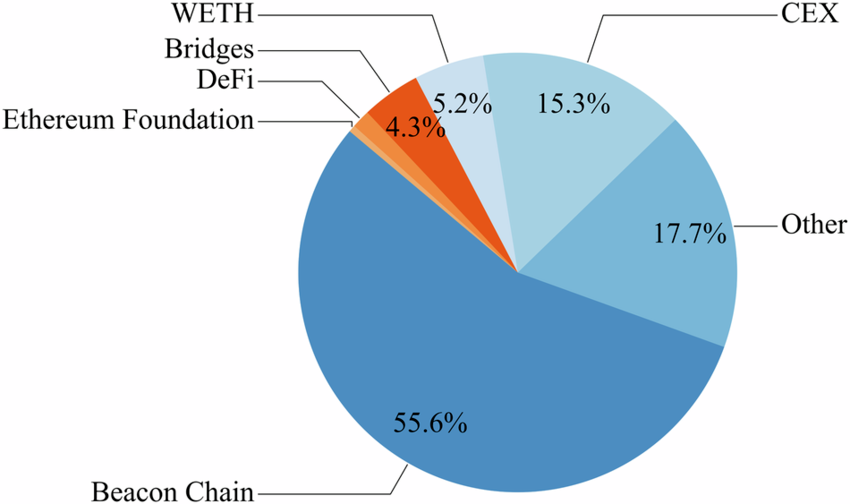
ETH Accumulation Growth (BitMine Holdings Over Time)
1. A Record-Breaking Ethereum Accumulation Strategy
In a decisive signal of institutional conviction in blockchain assets, BitMine Immersion Technologies announced that it had acquired 71,252 ETH in a single week—its fastest accumulation pace since December 2025. This move pushed its total Ethereum holdings to 4,803,334 ETH, equivalent to approximately $10.2 billion based on a conversion rate of $2,123 per ETH.
To put this into perspective, this single corporate entity now controls roughly 3.98% of Ethereum’s total supply, which stands at around 120.7 million ETH. Such concentration is rare even in traditional financial markets and signals a structural shift in how institutions approach crypto assets—not as speculative instruments, but as strategic reserves.
This accumulation is not occurring in isolation. Over the past four weeks, BitMine has consistently increased its weekly acquisition pace, suggesting a deliberate and programmatic treasury strategy rather than opportunistic buying. This mirrors early Bitcoin treasury strategies seen in firms like MicroStrategy, but with a critical distinction: Ethereum offers yield through staking.
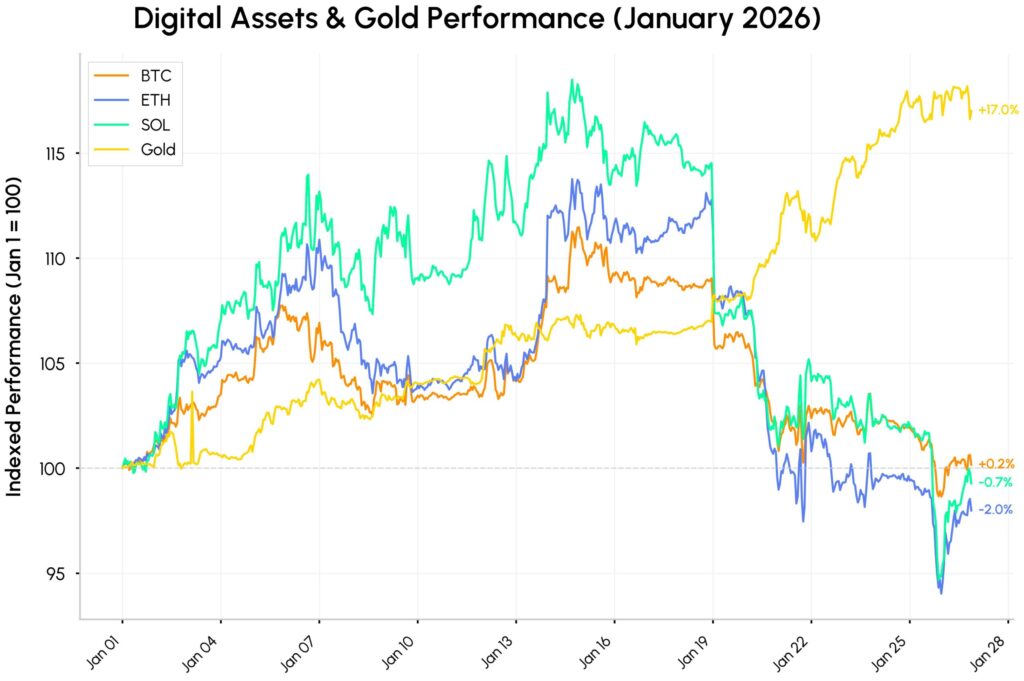
ETH vs Traditional Assets Performance Comparison
2. Ethereum as a Macro Hedge: Outperforming Gold and Equities
According to Chairman Tom Lee, Ethereum has demonstrated resilience amid geopolitical instability, particularly tensions involving Iran. Since the onset of conflict, ETH has risen 6.8%, outperforming the S&P 500 by 1,130 basis points and gold by 1,840 basis points.
This is a remarkable claim, as gold has traditionally been considered the ultimate safe-haven asset during geopolitical crises. Ethereum’s outperformance suggests a shift in market perception: digital assets, particularly programmable ones like Ethereum, are increasingly seen as viable stores of value.
There are several reasons for this shift:
- Liquidity and accessibility: ETH trades globally 24/7
- Programmability: Enables DeFi, staking, and tokenization
- Yield generation: Unlike gold, ETH can generate income
- Institutional infrastructure: Custody, ETFs, and staking services are maturing
This trend aligns with broader macro narratives where Bitcoin is often positioned as “digital gold,” while Ethereum is emerging as a “productive digital asset.”
3. The Rise of Yield-Bearing Crypto: MAVAN and Institutional Staking
A major component of BitMine’s strategy is not just accumulation, but monetization through staking. The company announced the launch of MAVAN (Made in America Validator Network), an institutional-grade staking platform.
Currently, BitMine has staked 3,334,637 ETH, generating approximately $196 million in annual staking revenue.
This introduces a critical paradigm shift:
Crypto assets are no longer just held—they are actively deployed to generate yield.
In traditional finance, idle assets are inefficient. Ethereum solves this inefficiency through Proof-of-Stake, allowing large holders to earn consistent returns. This makes ETH more comparable to yield-bearing instruments such as bonds or dividend-paying equities.
For institutional investors, this dual nature—capital appreciation plus yield—creates a compelling investment case.
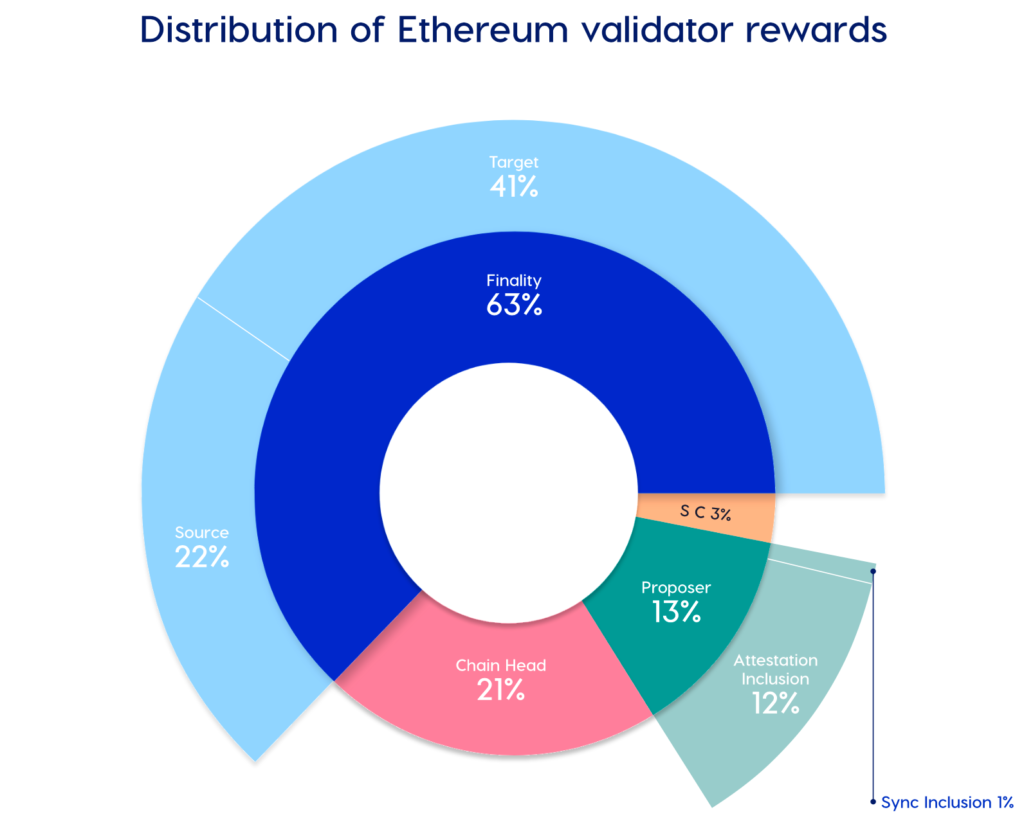
ETH Staking Yield Model (Institutional Perspective)
4. NYSE Listing: Bridging Traditional Finance and Crypto
BitMine’s upcoming transition to the main board of the New York Stock Exchange (NYSE), under the ticker BMNR, marks a significant milestone.
This move has several implications:
- Increased transparency and regulatory oversight
- Access to institutional capital pools
- Broader investor base (including pension funds and asset managers)
- Validation of crypto-centric treasury strategies
Historically, listing on a major exchange has been a catalyst for capital inflows. In this case, it also legitimizes Ethereum-centric business models in the eyes of traditional finance.
This is particularly important as regulators globally continue to define frameworks for digital assets. A publicly listed company holding billions in ETH sets a precedent that may influence accounting standards, reporting practices, and regulatory treatment.
5. Broader Market Context: Institutional Ethereum Adoption Trends
BitMine’s aggressive accumulation reflects a broader trend: institutions are increasingly looking beyond Bitcoin.
Recent developments across the industry include:
- Growing interest in Ethereum ETFs and staking-linked products
- Expansion of tokenized real-world assets (RWAs) on Ethereum
- Increased adoption of Layer 2 scaling solutions
- Integration of Ethereum into payment and settlement systems
Moreover, Ethereum’s role in decentralized finance (DeFi) continues to expand. Protocols built on Ethereum facilitate lending, derivatives, and liquidity provision, creating an ecosystem that extends far beyond simple asset holding.
For investors seeking new income streams, this ecosystem offers multiple entry points:
- Staking
- Liquidity provision
- Yield farming
- Tokenized asset exposure
6. Strategic Interpretation: What This Means for Investors
BitMine’s strategy can be interpreted through three lenses:
1. Treasury Diversification
Corporations are diversifying away from fiat-heavy balance sheets into crypto assets.
2. Yield Optimization
Ethereum’s staking model transforms treasury holdings into income-generating assets.
3. Macro Positioning
ETH is increasingly viewed as a hedge against geopolitical and monetary instability.
For readers interested in identifying new crypto opportunities, this case highlights a key insight:
The next phase of crypto is not just about price appreciation—it is about financial utility.
Projects that combine store of value + yield + real-world utility are likely to attract the most capital.
7. Conclusion: Ethereum’s Institutional Inflection Point
The actions of BitMine Immersion Technologies represent more than a single company’s strategy—they signal a broader transformation in how digital assets are perceived and utilized.
Ethereum is evolving from a speculative asset into a foundational layer of financial infrastructure. Its ability to generate yield, support decentralized applications, and maintain liquidity during crises positions it uniquely among both traditional and digital assets.
As institutional participation increases, several outcomes are likely:
- Greater price stability due to long-term holding
- Increased demand for staking infrastructure
- Expansion of regulatory clarity
- Integration into global financial systems
For investors and builders alike, the message is clear: Ethereum is no longer optional—it is becoming essential.



