Main Points :
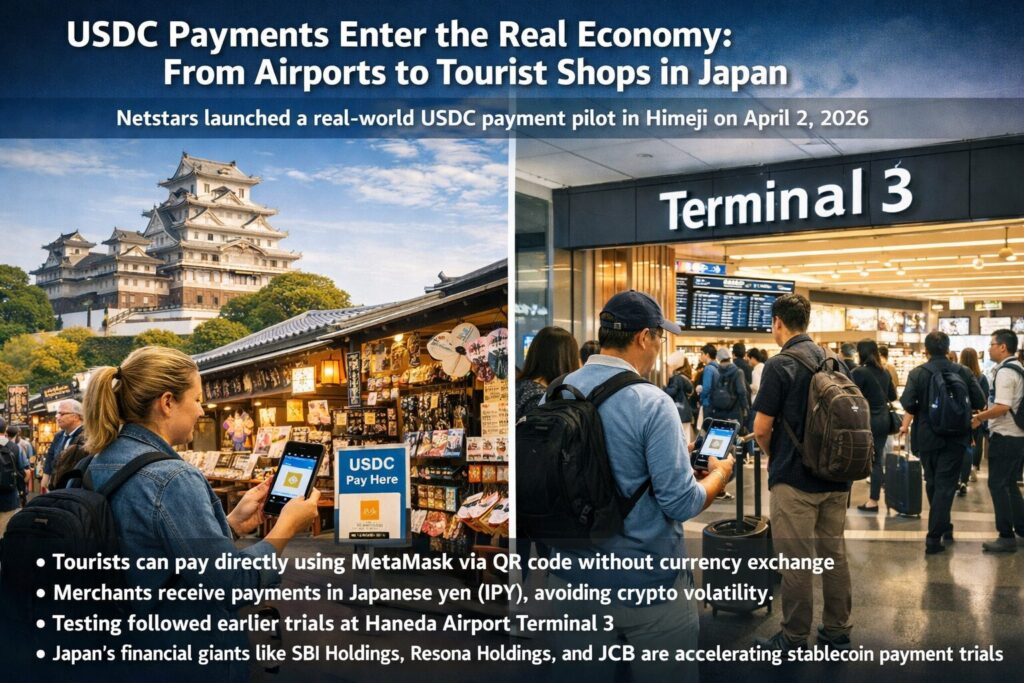
- Netstars launched a real-world USDC payment pilot in Himeji on April 2, 2026
- Tourists can pay directly using MetaMask via QR code without currency exchange
- Merchants receive payments in Japanese yen (JPY), avoiding crypto volatility
- The pilot follows earlier testing at Haneda Airport Terminal 3
- Japan’s financial giants like SBI Holdings, Resona Holdings, and JCB are accelerating stablecoin payment trials
- Stablecoins like USD Coin are emerging as a practical bridge between crypto and real-world commerce
Introduction: The Quiet Shift Toward Crypto Payments
In April 2026, a seemingly modest experiment in a trading card shop in Himeji, Japan, may signal a much larger transformation in global payments. Led by Netstars, the initiative allows foreign tourists to pay using USD Coin—a dollar-backed stablecoin—by simply presenting a QR code from their crypto wallet.
While this may appear incremental, it represents a critical evolution: the transition of blockchain-based payments from speculative assets into functional, everyday financial infrastructure.
For readers seeking new crypto opportunities, revenue streams, and practical blockchain applications, this development is not just a pilot—it is a signal.
Section 1: How the USDC Payment System Works
A Frictionless Payment Experience
The system is designed to eliminate the traditional complexities of cross-border payments:
- Tourists open their MetaMask wallet
- A QR code is displayed
- The store scans the code using its terminal
- Payment is completed instantly using USD Coin
No currency exchange. No credit card. No banking intermediary.
Merchant Simplicity: Fiat in, Crypto Behind the Scenes
Crucially, merchants do not need to handle crypto directly. The system abstracts complexity:
- Prices remain denominated in JPY
- Settlement is handled internally
- Exchange rate risk is minimized
This dual-layer design—crypto for users, fiat for merchants—is likely to be a key success factor in scaling adoption.
Section 2: Why Himeji and Trading Cards?
Strategic Location: Tourism Meets Commerce
Himeji is home to Himeji Castle, one of Japan’s most visited landmarks. This creates a natural testing ground for inbound tourism payments.
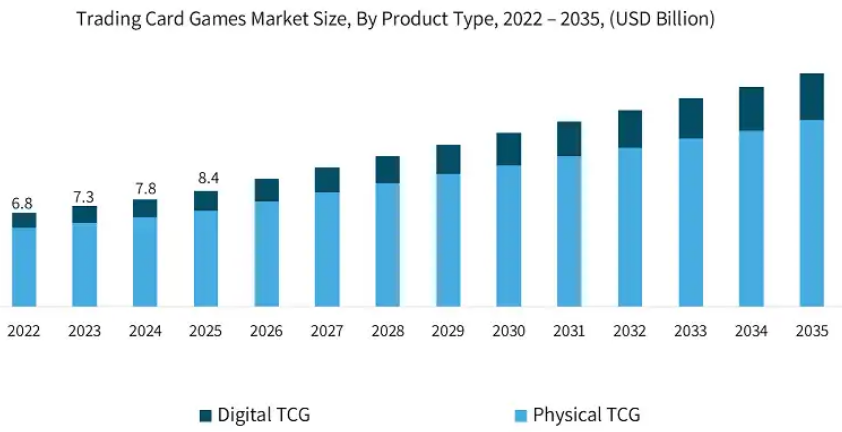
Product-Market Fit: Global Demand for Trading Cards
Trading cards are uniquely suited for crypto payments:
- High global demand (U.S., Europe, Asia)
- Collectible, portable, and high-margin
- Familiar to digitally native consumers
By combining tourism with globally recognized goods, the experiment maximizes the probability of real usage.
Section 3: From Airports to Real Retail
Expanding Beyond Controlled Environments
This Himeji pilot follows an earlier trial at Haneda Airport Terminal 3, a controlled environment with predictable user flows.
Moving into a street-level retail environment introduces new variables:
- Diverse customer behavior
- Smaller merchants
- Real-world operational constraints
This transition is critical. It tests whether stablecoin payments can survive outside curated environments.
StarPay as the Backbone
The system leverages Netstars’ StarPay platform, which already integrates multiple QR payment systems. By embedding USDC into this infrastructure, the company avoids reinventing merchant onboarding.
Section 4: The Rise of Stablecoins in Japan
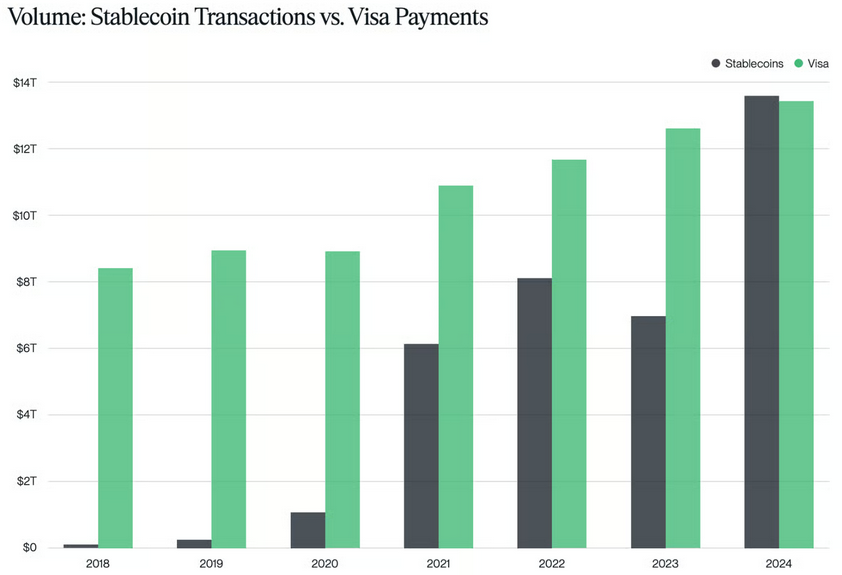
Institutional Momentum is Building
Japan is witnessing a surge in stablecoin experimentation:
- SBI Holdings planning retail USDC trials
- Resona Holdings exploring hybrid fiat-crypto payments
- JCB testing card-linked stablecoin solutions
This is not isolated innovation—it is coordinated movement across the financial sector.
Why Stablecoins, Not Volatile Crypto?
Stablecoins solve a critical barrier:
- Price stability (pegged to USD)
- Faster settlement than traditional banking
- Lower fees in cross-border contexts
Unlike Bitcoin or Ethereum, stablecoins are designed for transactions, not speculation.
Section 5: Opportunities for Investors and Builders
1. Payment Infrastructure Providers
Companies enabling:
- Wallet integrations
- POS systems
- Compliance layers
are positioned to benefit from increased adoption.
2. Tourism-Focused Crypto Use Cases
Japan’s inbound tourism creates a massive opportunity:
- No FX friction
- Faster checkout
- Appeal to crypto-native travelers
3. Hybrid Finance Models
The most promising models combine:
- Blockchain settlement
- Fiat-facing interfaces
- Regulatory compliance
This aligns closely with emerging frameworks globally.
Section 6: Risks and Challenges
Regulatory Complexity
Even in Japan—one of the most crypto-progressive jurisdictions—regulation remains cautious.
User Education
Most tourists are still unfamiliar with:
- Wallet usage
- Gas fees
- Transaction confirmations
Merchant Adoption Barriers
Small businesses may hesitate due to:
- Perceived complexity
- Accounting concerns
- Lack of demand visibility
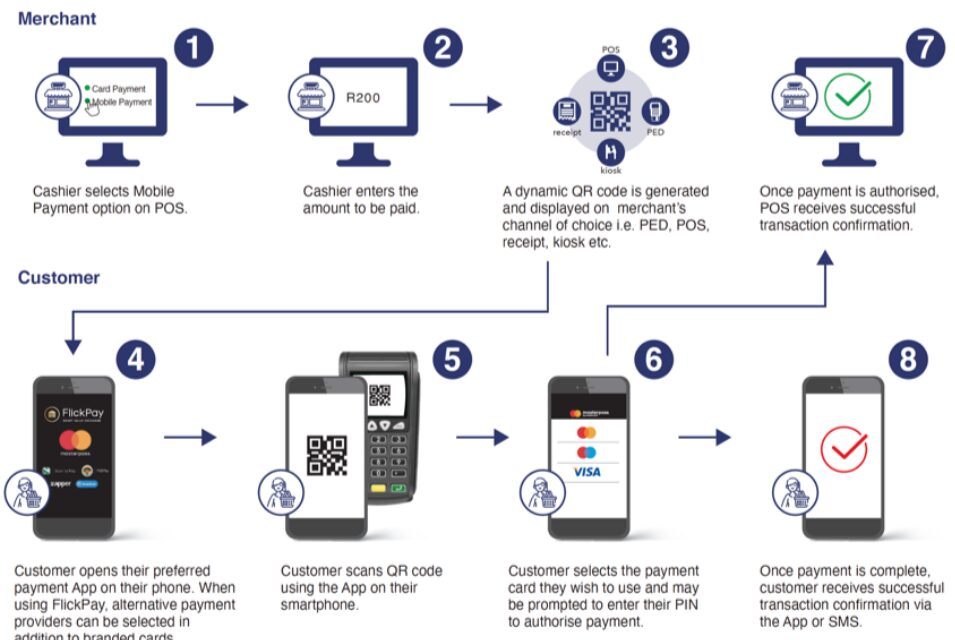
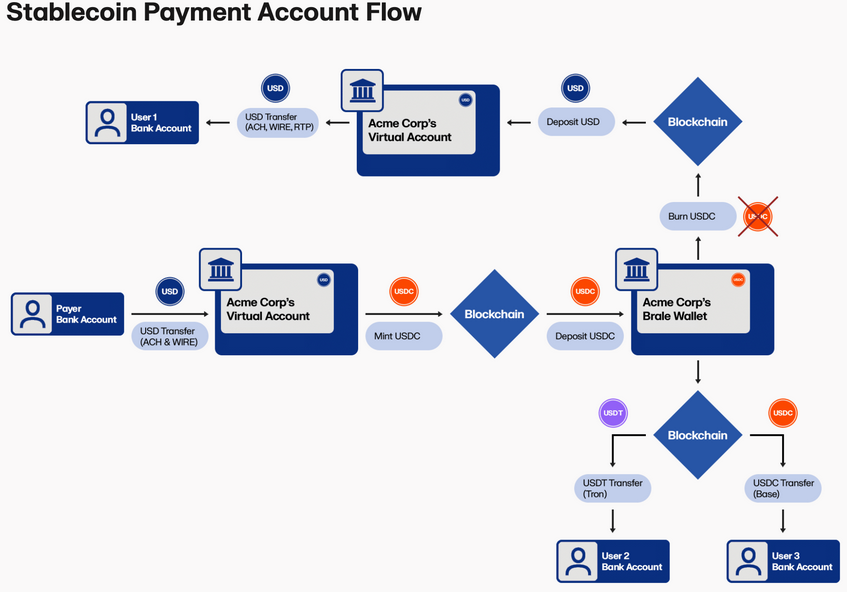
(Stablecoin Payment Flow Diagram)
Conclusion: From Experiment to Infrastructure
The Himeji USDC payment pilot is not just a local initiative—it is a microcosm of a broader transformation.
We are witnessing:
- The convergence of crypto and traditional finance
- The rise of stablecoins as transactional tools
- The gradual embedding of blockchain into everyday commerce
For investors, this signals a shift from speculative cycles to utility-driven growth.
For builders, it highlights where value will accrue:
not in tokens alone, but in systems that make them usable.
As pilots expand from airports to tourist streets—and eventually to mainstream retail—the question is no longer if crypto payments will be adopted, but how fast and by whom.