
Key Points :
- Coinbase has withdrawn support for the proposed Clarity Act, citing “serious concerns” over stablecoin reward restrictions.
- The core dispute centers on whether stablecoin holders should receive yield-like rewards, a feature seen as essential by crypto firms but threatening by banks.
- The proposed legislation could ban interest or activity-based rewards, directly impacting revenue models tied to USD Coin.
- The conflict reflects a deeper structural battle between traditional banking systems and decentralized finance (DeFi).
- The outcome may reshape global stablecoin adoption, yield strategies, and crypto-financial integration.
1. A Legislative Standoff: The Clarity Act Returns to Uncertainty
The U.S. crypto regulatory landscape has once again entered turbulent territory. The latest version of the Clarity Act, a proposed framework to define market structure and oversight for digital assets, has encountered renewed resistance—this time from one of its most influential supporters.
Coinbase, the largest cryptocurrency exchange in the United States, has formally withdrawn its support for the bill. The reason lies in newly introduced provisions targeting stablecoin reward mechanisms, which the company argues would fundamentally undermine the utility and competitiveness of stablecoins.
The controversy stems from a bipartisan compromise proposal led by Thom Tillis and Angela Alsobrooks. This proposal seeks to prohibit stablecoin issuers and platforms from offering rewards tied to holdings or transaction activity.
While positioned as a safeguard against systemic risk and unfair competition with banks, the provision has sparked strong backlash from crypto industry leaders.
The result is a familiar scenario: a promising regulatory framework stalled by fundamental disagreements over how digital assets should function within the broader financial system.
2. Why Stablecoin Rewards Matter More Than It Seems
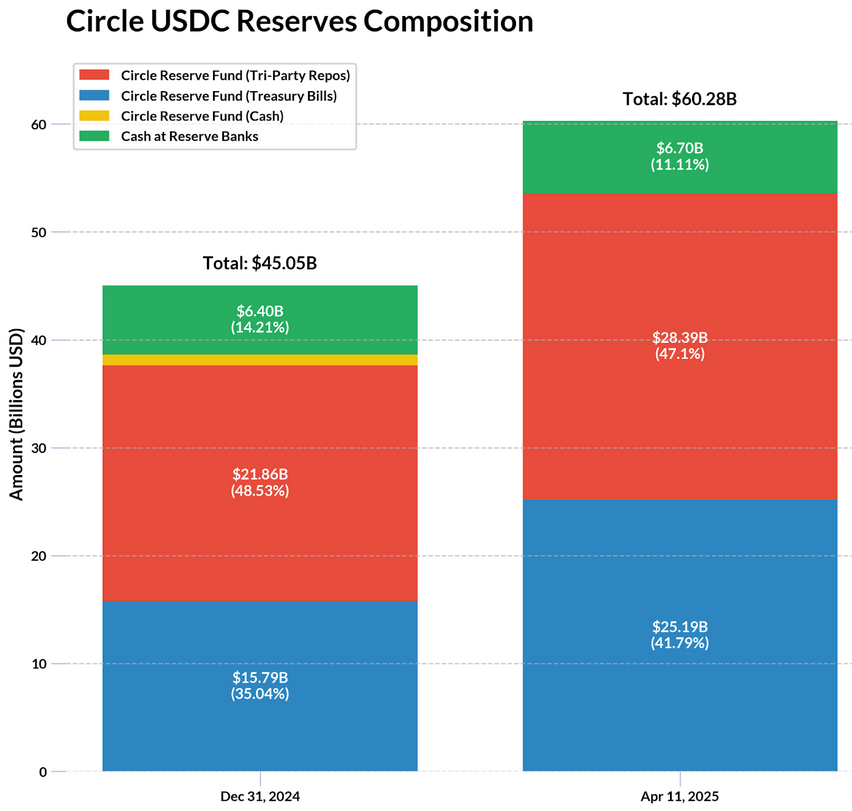
Here is a conceptual visualization of how stablecoin ecosystems generate and distribute value:
At the heart of the conflict is a deceptively simple question:
Should holding a stablecoin generate returns?
For crypto-native platforms, the answer is clearly yes.
Stablecoins like USD Coin are not merely digital representations of fiat currency. They are programmable financial instruments embedded within blockchain ecosystems. Their value lies not only in stability but also in composability—the ability to integrate with lending protocols, liquidity pools, and payment systems.
Coinbase’s business model illustrates this clearly. In 2025 alone, the company generated approximately $1.35 billion in revenue tied to stablecoins, largely through its partnership with Circle, the issuer of USDC.
A significant portion of this revenue comes from yield distribution mechanisms, where interest earned on reserves or related activities is shared with ecosystem participants.
If such rewards are prohibited:
- Users lose incentives to hold stablecoins
- Circulating supply may shrink
- Platform revenues decline
- Competitive advantage over traditional banking disappears
In short, banning rewards doesn’t just tweak a feature—it redefines the economic logic of stablecoins.
3. The Banking Sector’s Perspective: A Threat to Deposits
Traditional financial institutions see the issue very differently.
Banks argue that allowing stablecoins to offer yield—whether directly or indirectly—creates a shadow banking system that competes unfairly with regulated deposits.
Currently, banks can earn approximately 4% on reserves held at the Federal Reserve, while offering near-zero interest to depositors in many cases. This spread forms a key part of their profitability.
From this perspective, stablecoins represent a disruptive force:
- They enable higher yields outside the banking system
- They reduce reliance on bank deposits
- They shift liquidity into decentralized ecosystems
Regulators, therefore, are concerned about deposit flight, particularly from community banks that rely heavily on retail deposits for lending.
This tension explains why policymakers are attempting to draw a line between payment instruments and investment-like products—and why stablecoin rewards have become the focal point of regulatory debate.
4. A Structural Divide: Crypto vs. Banking Models
A comparative diagram highlighting structural differences:
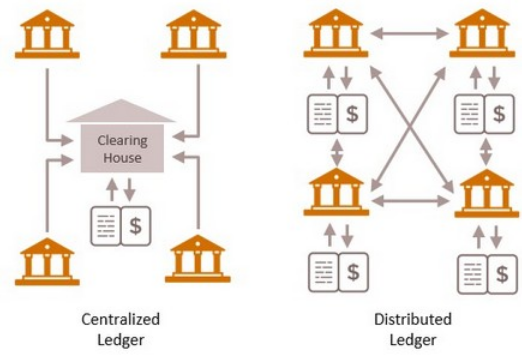
The dispute over stablecoin rewards is not just about policy—it reflects two fundamentally different financial paradigms.
Traditional Banking Model
- Centralized custody
- Fractional reserve lending
- Controlled interest distribution
- Regulatory protection and oversight
Crypto-Native Model
- Self-custody and transparency
- On-chain liquidity and composability
- Algorithmic or market-driven yield
- Open access and global participation
Crypto advocates argue that banning rewards is equivalent to artificially suppressing innovation to protect legacy systems.
They also highlight an inconsistency:
If banks can generate yield from deposits but choose not to share it, why should crypto platforms be prevented from doing so transparently?
This argument resonates particularly strongly in emerging markets and among digitally native users, where access to yield-generating assets can have meaningful economic impact.
5. The Policy Tightrope: Finding a Middle Ground
Recognizing the stakes, policymakers are attempting to craft a compromise.
Cynthia Lummis has emphasized the need for bipartisan agreement, stating that efforts are ongoing to:
- Protect stablecoin innovation
- Prevent destabilizing deposit outflows
- Ensure consumer protection
Meanwhile, White House officials have reportedly held multiple closed-door meetings with both banking and crypto stakeholders.
One potential path forward lies in distinguishing between types of rewards:
- Passive holding rewards (interest-like)
- Activity-based incentives (e.g., trading, liquidity provision)
Crypto firms argue that these are structurally different and should be regulated separately. Whether lawmakers accept this distinction could determine the fate of the bill.
6. Broader Implications: DeFi, Global Markets, and Innovation
Projected expansion of stablecoin markets under different regulatory scenarios:
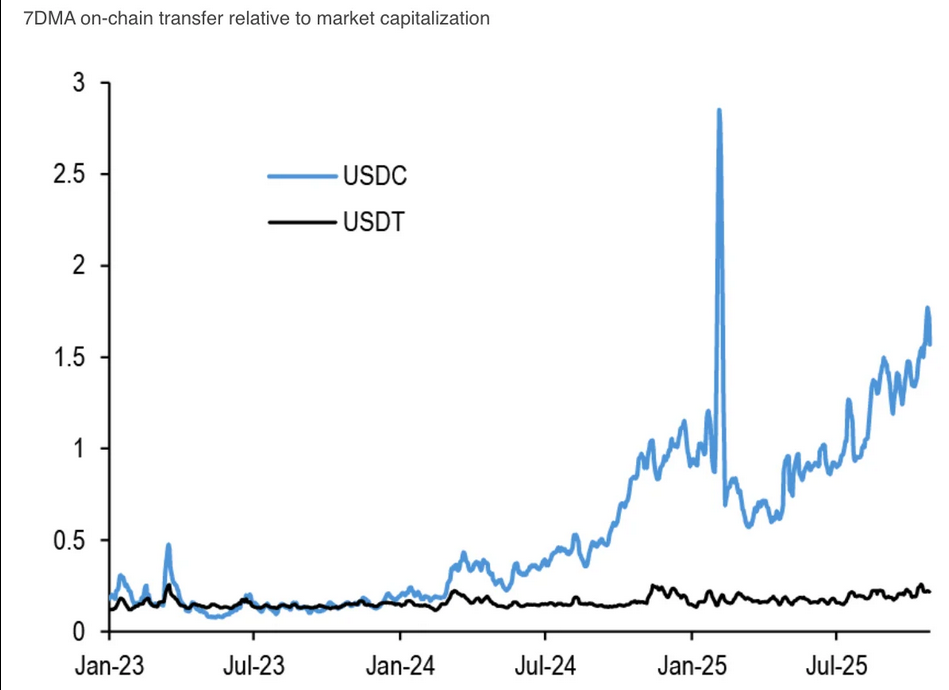
The outcome of this debate will extend far beyond U.S. borders.
Stablecoins are a foundational layer of the global crypto economy, underpinning:
- Cross-border payments
- Decentralized finance (DeFi) protocols
- Tokenized asset markets
- Emerging financial infrastructure
If the U.S. adopts restrictive policies:
- Innovation may shift to more crypto-friendly jurisdictions
- Dollar-backed stablecoins could lose global dominance
- Alternative models (e.g., algorithmic or non-dollar stablecoins) may gain traction
At the same time, clarity—regardless of direction—could provide much-needed certainty for institutional adoption.Figure 1 (Insert after Section 2): Stablecoin Revenue Flow Model
Here is a conceptual visualization of how stablecoin ecosystems generate and distribute value:Figure 2 (Insert after Section 4): Banking vs Crypto Yield Structures
A comparative diagram highlighting structural differences:Figure 3 (Insert after Section 6): Projected Stablecoin Market Growth
Projected expansion of stablecoin markets under different regulatory scenarios
7. Conclusion: A Defining Moment for Digital Finance
The clash over stablecoin rewards represents more than a legislative disagreement—it is a defining moment in the evolution of financial systems.
On one side stands a centuries-old banking model built on centralized control and regulatory stability. On the other is a rapidly evolving crypto ecosystem driven by transparency, programmability, and user empowerment.
Coinbase’s withdrawal of support for the Clarity Act signals that the industry is unwilling to compromise on what it sees as a core feature of digital finance.
Yet, without regulatory alignment, the path forward remains uncertain.
The eventual resolution—whether through compromise or confrontation—will shape not only the future of stablecoins but also the broader trajectory of blockchain adoption, financial innovation, and global economic participation.