Key Points :
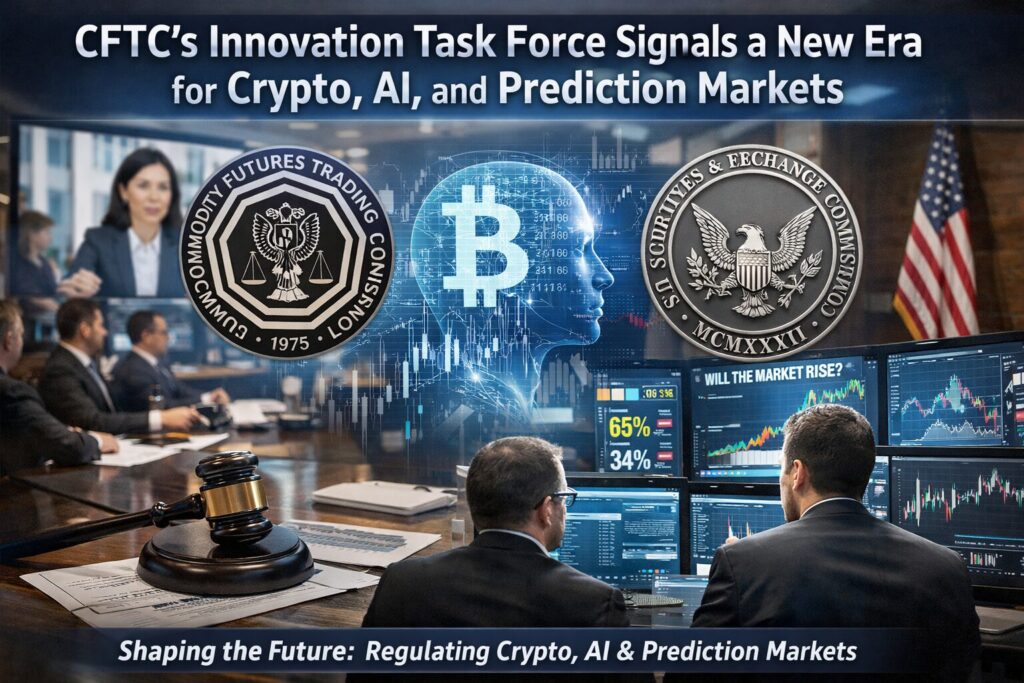
- The Commodity Futures Trading Commission (CFTC) has launched an Innovation Task Force targeting crypto, AI, and prediction markets.
- The initiative aims to create regulatory clarity while fostering responsible innovation in derivatives markets.
- Coordination with the Securities and Exchange Commission (SEC) highlights a unified federal approach.
- Prediction market platforms are already tightening compliance amid increasing regulatory scrutiny.
- The move reflects a broader shift toward pro-innovation but controlled regulatory frameworks in the U.S.
1. Introduction: A Strategic Shift in U.S. Financial Regulation
The establishment of the Innovation Task Force by the Commodity Futures Trading Commission marks a pivotal moment in the evolution of financial regulation in the United States. As emerging technologies such as blockchain, artificial intelligence, and decentralized prediction markets reshape financial ecosystems, regulators are under increasing pressure to strike a delicate balance between innovation and systemic risk control.
Historically, regulatory agencies have lagged behind technological developments, often reacting only after significant market disruptions or crises. However, this new initiative signals a proactive stance. By creating a dedicated task force, the CFTC aims to anticipate risks, provide regulatory clarity, and support innovators who are building the next generation of financial infrastructure.
This is particularly important for crypto-native entrepreneurs and institutional players alike, as regulatory ambiguity has long been cited as one of the biggest barriers to adoption and investment.
2. Scope of the Innovation Task Force
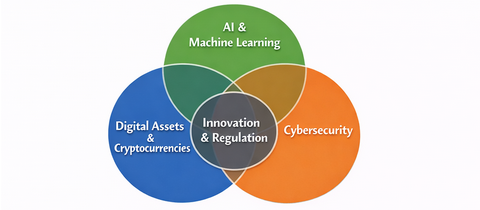
The Innovation Task Force focuses on three critical domains:
2.1 Crypto and Blockchain
Cryptocurrencies and blockchain technologies remain at the forefront of financial innovation. From decentralized finance (DeFi) to tokenized assets, these technologies are redefining how value is created, transferred, and stored.
The CFTC’s involvement is particularly significant because of its jurisdiction over derivatives markets. Many crypto products, including futures and options, fall under its oversight. The task force is expected to clarify how these instruments should be regulated, especially as new hybrid products emerge.
2.2 Artificial Intelligence and Autonomous Systems
AI is increasingly integrated into trading, risk management, and fraud detection. Autonomous trading systems powered by machine learning algorithms can process vast amounts of data and execute trades at speeds far beyond human capability.
However, this introduces new risks:
- Algorithmic manipulation
- Flash crashes
- Opaque decision-making processes
The task force aims to define guidelines that ensure transparency, accountability, and fairness in AI-driven financial systems.
2.3 Prediction Markets and Event Contracts
Prediction markets—platforms where users bet on future events—have gained significant traction. Platforms like Polymarket and Kalshi allow users to trade on outcomes ranging from elections to sports events.
These markets provide valuable information signals but also raise concerns about:
- Insider trading
- Market manipulation
- Ethical implications (e.g., betting on war or disasters)
The three core domains targeted by the CFTC Innovation Task Force
3. Rising Regulatory Pressure on Prediction Markets
The timing of this initiative is not coincidental. Prediction markets have come under intense scrutiny from both federal and state authorities.
For example:
- U.S. lawmakers have proposed bans on sports-related event contracts.
- States like Arizona and Nevada have taken enforcement actions against platforms.
In response, industry players are strengthening compliance frameworks:
- Kalshi partnered with compliance firm IC360 to verify participants.
- Polymarket is collaborating with Palantir Technologies to develop AI-driven fraud detection systems.
These developments illustrate a key trend: self-regulation as a survival strategy in an increasingly restrictive environment.
4. Coordination Between CFTC and SEC
One of the most notable aspects of the initiative is its coordination with the Securities and Exchange Commission.
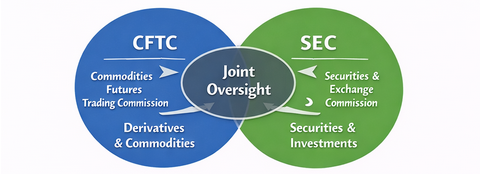
Historically, the relationship between the CFTC and SEC has been fragmented, particularly in the classification of digital assets. Some tokens are treated as commodities, others as securities, leading to regulatory overlap and confusion.
The collaboration between task forces suggests:
- A move toward unified standards
- Reduced regulatory arbitrage
- Increased clarity for institutional investors
Overlapping jurisdictions and coordination between CFTC and SEC
5. Market Implications for Crypto Investors and Builders
For readers seeking new crypto assets or revenue opportunities, this development carries several implications:
5.1 Increased Institutional Confidence
Clearer regulations tend to attract institutional capital. When rules are defined, large players such as hedge funds, banks, and asset managers are more likely to enter the market.
5.2 Shift Toward Compliance-First Projects
Projects that integrate compliance features—such as KYC, AML, and auditability—will have a competitive advantage.
5.3 Expansion of Regulated Derivatives
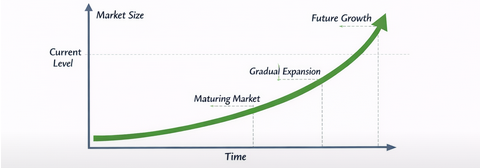
Crypto derivatives markets are expected to grow significantly under clearer regulatory frameworks. This includes:
- Futures
- Options
- Structured products
Expected growth trajectory of regulated crypto derivatives markets
6. Broader Trends: Global Regulatory Convergence
The U.S. is not acting in isolation. Globally, regulators are moving toward structured frameworks:
- The EU’s MiCA regulation
- Japan’s evolving crypto policies
- Singapore’s risk-based licensing approach
This convergence suggests that compliance will become a universal requirement rather than a regional constraint.
7. Risks and Challenges
Despite the positive outlook, several risks remain:
- Overregulation could stifle innovation
- Fragmented state-level rules may persist
- Enforcement inconsistencies could create uncertainty
Moreover, emerging areas like AI-driven trading and prediction markets remain inherently difficult to regulate due to their complexity and rapid evolution.
8. Conclusion: A Defining Moment for Financial Innovation
The creation of the Innovation Task Force by the Commodity Futures Trading Commission represents a turning point in the regulatory landscape.
Rather than reacting to innovation, regulators are now attempting to shape it proactively. For crypto investors, developers, and institutions, this signals a transition toward a more mature, structured, and potentially lucrative ecosystem.
In the long term, those who can navigate regulatory requirements while continuing to innovate will be best positioned to succeed.