Key Points :
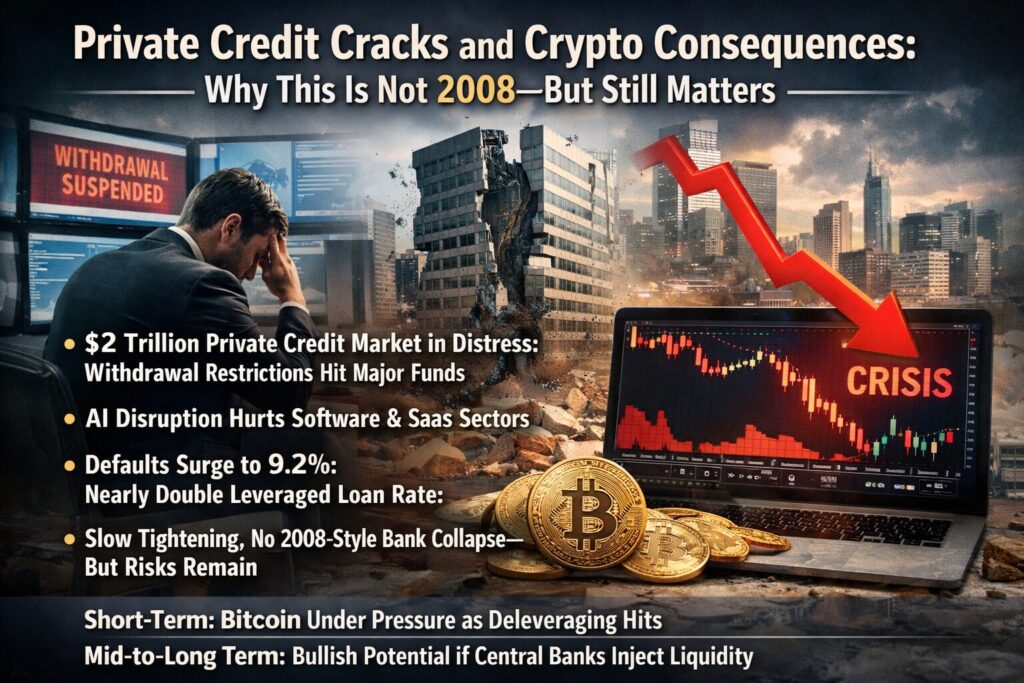
- A ~$2 trillion private credit market is showing structural stress, with major funds restricting withdrawals
- AI-driven disruption is accelerating credit deterioration, especially in software and SaaS sectors
- Default rates have surged to ~9.2%, nearly double the broader leveraged loan market
- Unlike 2008, systemic banking contagion is limited—but slow credit tightening may persist
- Short-term: downside pressure on Bitcoin due to deleveraging
- Mid-to-long term: potential bullish scenario if central banks inject liquidity
1. The Rise of Stress in the “Shadow Banking” System
The global financial system in 2026 is facing a subtle yet significant tremor—not in traditional banking, but within the rapidly expanded private credit market, now estimated at approximately $2 trillion.
Unlike public debt markets, private credit operates largely outside regulatory visibility. It involves asset managers such as Blackstone, Blue Owl, and BlackRock-affiliated HPS directly lending to corporations, effectively replacing banks.
In recent months, a concerning pattern has emerged:
major funds are restricting investor withdrawals.
For example:
- Blackstone’s flagship BCRED fund (~$82 billion AUM) faced $3.8 billion in redemption requests (7.9%) in Q1 2026
- Morgan Stanley and HPS similarly limited withdrawals
- Blue Owl halted redemptions entirely and was forced into $1.4 billion in asset sales
This behavior signals a fundamental issue:
liquidity mismatch—investors want cash, but underlying loans are illiquid.
2. What Is Private Credit—and Why It Grew So Fast
Private credit refers to non-bank lending, where funds directly provide loans to companies.
After the 2008 financial crisis, stricter banking regulations reduced traditional lending. This created a gap—quickly filled by private credit funds seeking higher yields.
Key characteristics:
- Higher returns than traditional bonds
- Limited transparency (financials often not public)
- Illiquid structures (withdrawal restrictions common)
This model worked well in a low-interest-rate, high-liquidity environment. However, structural weaknesses are now surfacing.
3. Structural Weakness: Risk Expansion and PIK Loans
The current stress did not emerge overnight.
During the post-pandemic liquidity boom, lending standards deteriorated:
- Loans extended to riskier mid-market firms
- Growth of PIK (Payment-in-Kind) loans, where interest is added as debt instead of paid in cash
This effectively delays default recognition, inflating balance sheets while masking risk.
At the same time, credit became heavily concentrated in one sector:
Software and SaaS companies
4. AI Disruption: A Direct Threat to Credit Quality
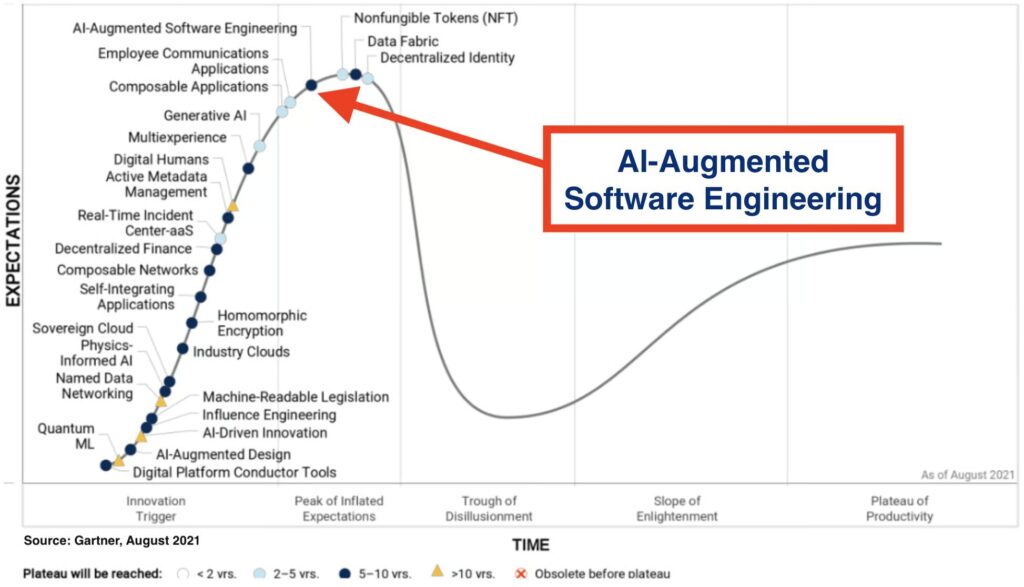
One of the most critical—and underappreciated—drivers of this crisis is AI disruption.
Private credit exposure to software companies grew from:
- ~$8 billion in 2015
→ to over $500 billion by end of 2025
This represents roughly 19% of the entire direct lending market.
The assumption was simple:
- SaaS = stable subscription revenue
- High retention = predictable cash flow
But AI has fundamentally challenged this thesis.
AI tools now:
- Automate coding
- Replace analytics platforms
- Reduce need for customer support software
As a result:
Software equities dropped ~30% between Oct 2025 and Feb 2026
This decline is now feeding back into credit markets, weakening borrower fundamentals.
5. Default Rates Surge—But Slowly
According to Fitch Ratings:
- Private credit default rate: 9.2% (record high)
- Leveraged loan market: ~4.5%
However, unlike traditional crises, this is not a sudden collapse.
Private credit loans typically have 5–7 year maturities, meaning:
- Weakness unfolds gradually
- Defaults appear “slow-motion”
UBS warns that in severe scenarios, defaults could reach 15%.
This creates a prolonged credit tightening cycle rather than a shock event.
6. Is This Another 2008? Not Quite
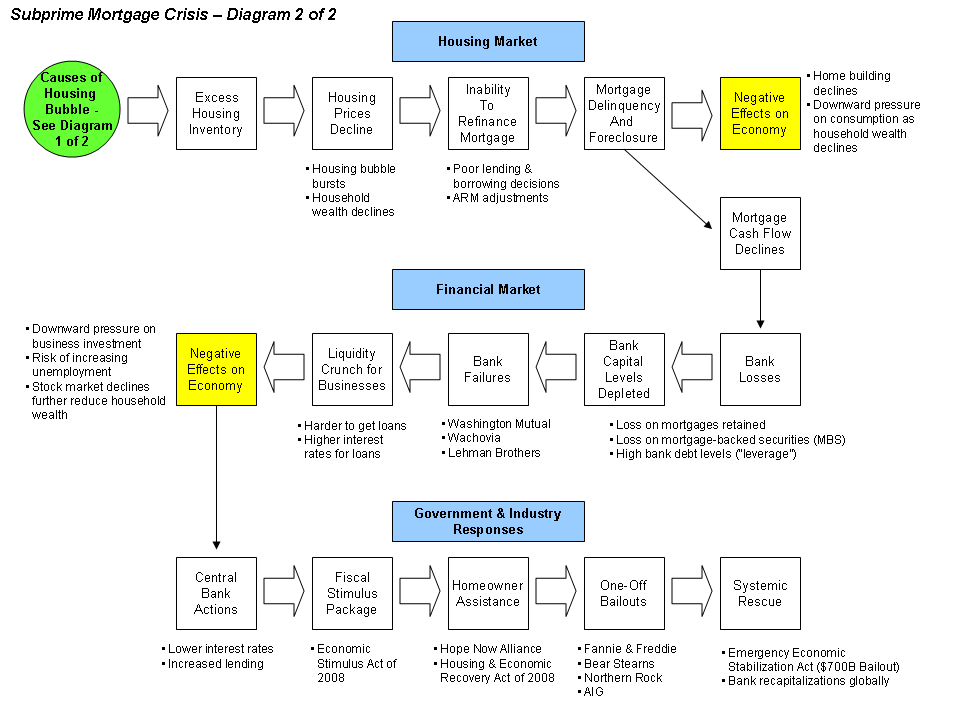
There are similarities to 2008:
- Risky borrowers
- Complex financial structures
- Early signs of defaults
But critical differences exist:
1. No Banking Core Collapse
In 2008, banks were the epicenter.
Today, the issue is in investment funds, not systemically critical banks.
2. Built-in “Shock Absorbers”
Private credit includes:
- Redemption limits
- Illiquid structures
- Flexible valuation cycles
These reduce forced selling.
3. No Mark-to-Market Spiral
2008’s crisis was amplified by mark-to-market accounting (FAS157).
Today:
- Losses are not immediately recognized
- No automatic cascade of forced write-downs
Conclusion of this section:
This is not an explosive crisis
It is a slow credit contraction
7. Crypto Market Impact: Short-Term Bearish Pressure
In the near term, crypto markets—especially Bitcoin—face downside risks.
Mechanism:
- Investors redeem funds
→ Funds sell liquid assets
→ Crypto positions get unwound
This creates system-wide deleveraging.
Additional macro risks:
- Energy shocks
- Delayed rate cuts
- Global liquidity tightening
All contribute to short-term pressure on BTC.
8. The Bull Case: Liquidity Returns
However, the mid-to-long-term outlook may be very different.
If private credit stress escalates:
Governments and central banks may intervene
Potential actions:
- Rate cuts
- Liquidity injections
- Quantitative easing (QE)
Historical precedent:
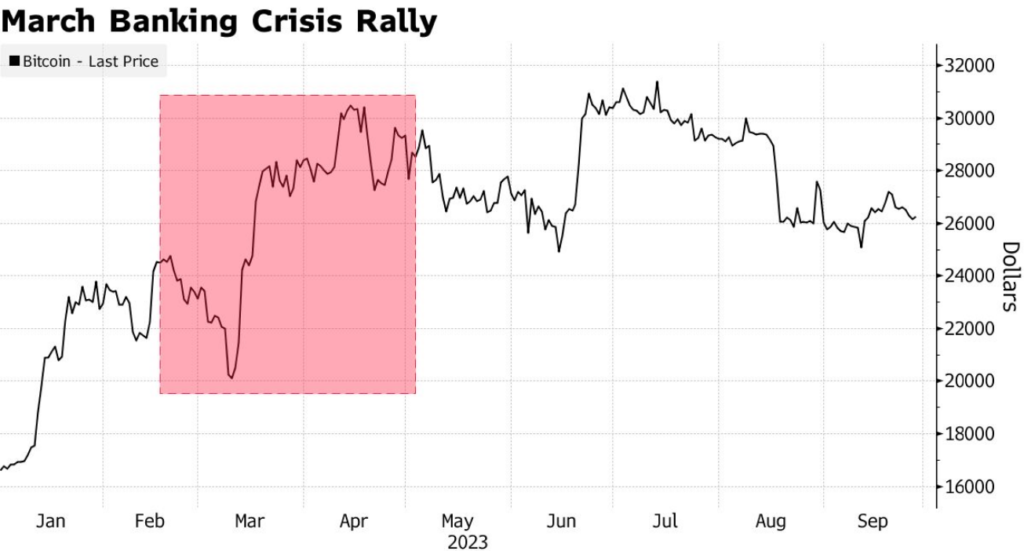
During the 2023 Silicon Valley Bank collapse:
- Authorities guaranteed deposits
- The Federal Reserve introduced emergency liquidity programs
Result:
Bitcoin surged to a 9-month high
Eventually doubled by year-endKey Insight:
Bitcoin behaves as:
- A risk asset in tightening phases
- A liquidity beneficiary during intervention phases
9. Strategic Implications for Crypto Investors
For readers seeking new opportunities and income sources:
Short-Term Strategy
- Expect volatility and possible downside
- Watch for forced liquidations across funds
Mid-Term Signals to Monitor
- Central bank policy shifts
- Credit market stress indicators
- Default rate acceleration
Long-Term Positioning
- Accumulate during liquidity contraction phases
- Position for macro-driven crypto cycles
10. Final Conclusion
The cracks in the private credit market represent a structural turning point in global finance.
This is not a repeat of 2008—but it may be equally important in a different way.
Instead of a sudden collapse, we are entering:
A prolonged period of credit tightening, capital repricing, and structural transition
AI disruption adds a new dimension—accelerating credit deterioration in ways never seen before.
For crypto markets, the implications are two-sided:
- Short-term pain through deleveraging
- Long-term upside through monetary intervention
Ultimately, Bitcoin’s role as a liquidity-sensitive macro asset is once again being tested.
And if history is any guide:
The next major bull cycle may begin not in stability—but in stress.