
Key Points :
- South Korea’s opposition party has proposed abolishing the planned 22% crypto tax, originally scheduled for 2027.
- The move highlights global regulatory competition for crypto capital and innovation.
- Key arguments include tax fairness, double taxation risks, and enforcement limitations.
- The outcome could significantly impact Asian crypto liquidity flows and investor behavior.
- Globally, jurisdictions are shifting toward pro-innovation frameworks, benefiting long-term crypto adoption.
1. Background: South Korea’s Controversial Crypto Tax Policy
South Korea has long been one of the most active cryptocurrency markets in the world, characterized by high retail participation and strong exchange infrastructure. However, regulatory uncertainty has remained a persistent issue. The government initially proposed a 22% tax on cryptocurrency gains (20% national tax + 2% local tax) exceeding approximately $1,900 (converted from 2.5 million KRW), with implementation originally planned for 2022.
Due to strong political resistance and industry pushback, the implementation has been postponed multiple times and is currently scheduled for January 1, 2027. Now, a major political shift is underway: the opposition party has introduced legislation to permanently abolish this tax altogether.
This proposal is not merely a domestic policy adjustment. It represents a broader ideological divide over how digital assets should be integrated into national tax frameworks and economic strategies.
2. Core Arguments for Abolishing the Crypto Tax
2.1 Tax Fairness Across Asset Classes
The first major argument centers on fairness. In South Korea, most retail investors in equities are not subject to capital gains tax, unless they are classified as major shareholders. In contrast, cryptocurrency investors—regardless of scale—would be subject to taxation.
This discrepancy raises fundamental concerns about unequal treatment of similar investment activities. From a policy perspective, taxing crypto while exempting stocks may distort capital allocation and discourage participation in emerging asset classes.
For investors seeking yield opportunities, such uneven taxation creates inefficiencies that could redirect capital away from domestic markets into offshore or decentralized alternatives.2.2 Double Taxation Concerns
The second argument involves double taxation. Under current interpretations, cryptocurrencies in South Korea may be treated as taxable goods subject to value-added tax (VAT) in certain contexts.
Adding an income tax layer on top of this structure could result in two levels of taxation on the same asset class—once at the transaction level and again at the profit level.
Such a framework is widely viewed as economically inefficient and potentially harmful to innovation. In practice, it could discourage both retail traders and institutional participants from engaging with crypto markets domestically.2.3 Enforcement and Practical Limitations
The third argument focuses on enforcement challenges. Cryptocurrency transactions often occur across global, decentralized platforms, making it difficult for regulators to accurately track cost bases and profits—especially for foreign or non-resident investors.
Without robust cross-border data-sharing mechanisms, tax enforcement could become inconsistent, leading to regulatory loopholes and compliance gaps.
This raises a critical question: should governments impose taxes that are technically difficult to enforce, or should they prioritize frameworks that are both practical and innovation-friendly?
3. Crypto vs. Securities: A Shifting Regulatory Paradigm
A key aspect of the proposal is its reference to recent global regulatory trends, particularly the view that many cryptocurrencies should not be treated as securities.
This distinction is crucial. If cryptocurrencies are classified as commodities or alternative assets rather than securities, then applying traditional financial taxation models may be inappropriate.
Globally, regulators are increasingly adopting nuanced classifications, recognizing that digital assets span multiple categories—payments, commodities, governance tokens, and more.
South Korea’s debate reflects this broader transition: moving away from legacy frameworks toward tailored digital asset regulations.
4. Market Impact: Liquidity, Participation, and Capital Flows
4.1 Increased Domestic Trading Activity
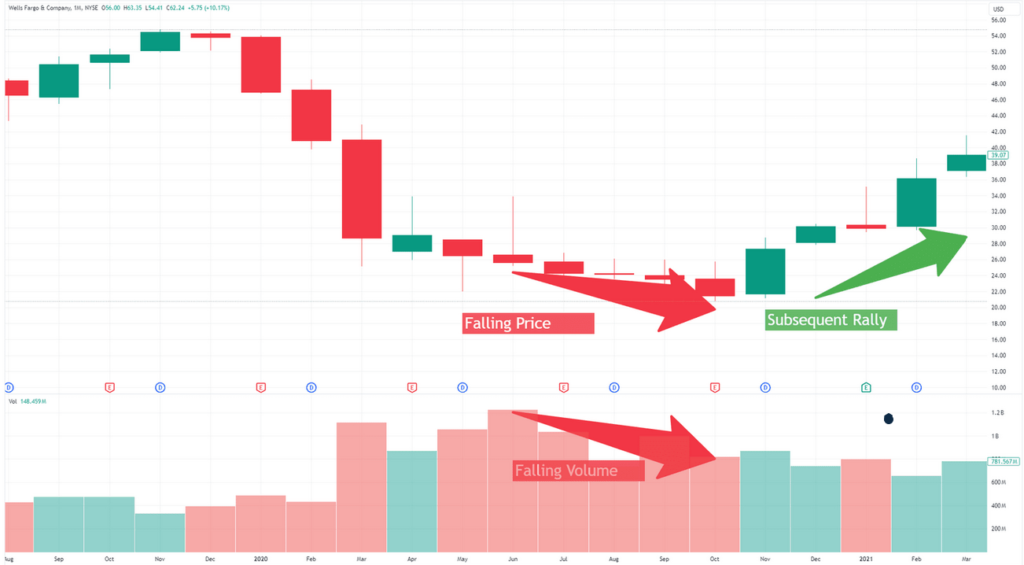
If the tax is abolished, South Korea could experience a surge in retail and institutional trading activity. Lower tax burdens generally correlate with higher transaction volumes, particularly in speculative and high-growth markets like crypto.
4.2 Retention of Capital Within the Country
Currently, high-net-worth individuals and professional traders often seek tax-efficient jurisdictions. Removing the crypto tax could help retain capital domestically, strengthening local exchanges and liquidity pools.
4.3 Attraction of Global Crypto Businesses
A favorable tax environment could position South Korea as a regional hub for blockchain innovation, attracting startups, developers, and liquidity providers.
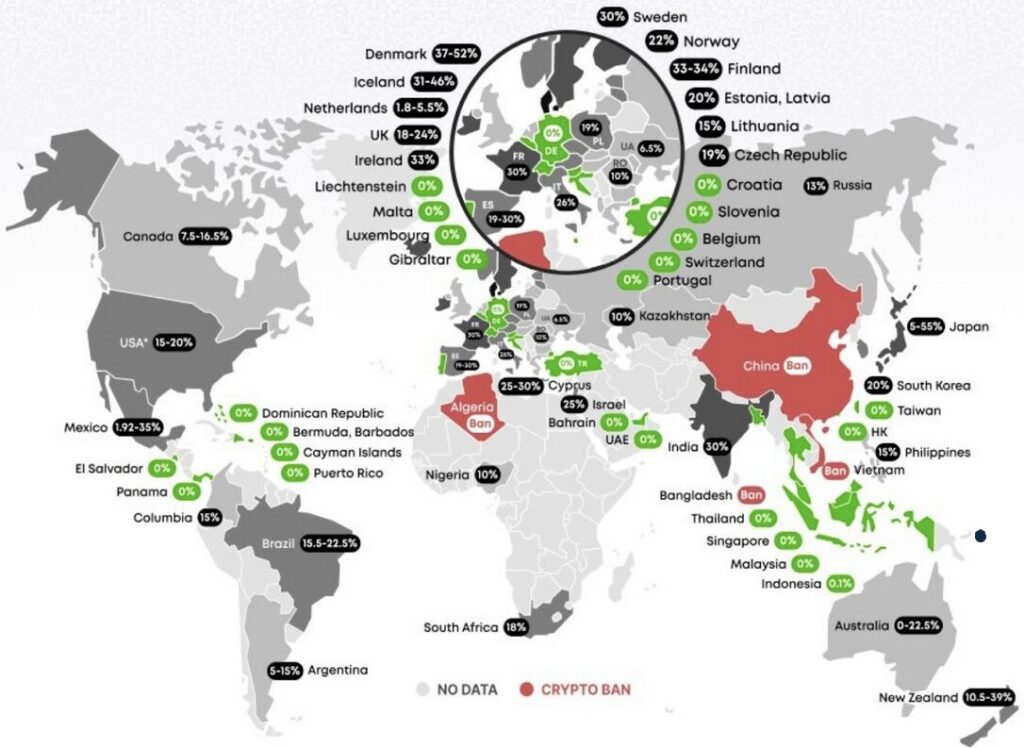
5. Global Context: A Race Toward Crypto-Friendly Regulation
South Korea’s move must be viewed within a global context. Several jurisdictions are actively competing to attract crypto capital:
- Singapore: No capital gains tax on crypto
- Hong Kong: Pro-crypto licensing regime
- UAE (Dubai): Zero income tax and dedicated crypto zones
- Switzerland: Favorable tax treatment and regulatory clarity
This trend indicates a broader shift toward regulatory arbitrage, where capital flows to jurisdictions offering the most favorable conditions.
South Korea risks falling behind if it maintains restrictive policies, especially given its historically strong position in the crypto market.
6. Strategic Implications for Investors and Builders
6.1 For Investors
- Monitor regulatory developments closely, as tax changes can significantly impact net returns
- Consider geographic diversification to optimize tax efficiency
- Focus on jurisdictions with clear and stable policies
6.2 For Builders and Startups
- Evaluate South Korea as a potential base if tax policies become favorable
- Align product offerings with regulatory classifications (commodity vs. security)
- Leverage policy shifts to attract institutional partnerships
7. Visual Analysis (Insert Below)
[Insert Image 1 Here: Global Crypto Tax Comparison Chart]
[Insert Image 2 Here: Impact of Tax on Trading Volume]
8. Conclusion
South Korea’s proposal to abolish the 22% crypto tax represents more than a domestic political issue—it is a signal of the global evolution of crypto regulation.
At its core, the debate highlights three critical themes:
- The need for fair and consistent taxation across asset classes
- The importance of avoiding inefficient or duplicative tax structures
- The challenge of designing enforceable policies in a decentralized world
For investors and industry participants, this development underscores a key reality: regulation is now one of the most important drivers of crypto markets.
If South Korea adopts a more favorable stance, it could re-emerge as a major force in the global crypto ecosystem—fueling innovation, attracting capital, and potentially accelerating the next bull cycle.