

Key Points :
- A Bitcoin wallet dormant for over 13 years has reactivated, holding approximately $147 million worth of BTC
- Originally acquired for around $13,800, the investment has grown over 10,000x
- Only a tiny test transaction (~$56) was executed, suggesting possible key recovery or preparation for movement
- Similar movements from “Satoshi-era” wallets are increasing in frequency
- These events highlight deeper trends: long-term holding behavior, supply tightening, and institutional positioning
- Strategic lessons for investors include patience, custody risk management, and liquidity timing
1. A Sleeping Giant Awakens: The $147 Million Bitcoin Wallet
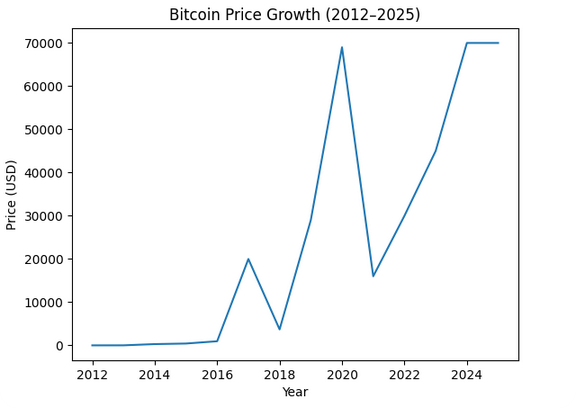
A Bitcoin wallet that had remained inactive for approximately 13 years and 7 months has suddenly come back to life, drawing widespread attention across the cryptocurrency ecosystem. According to on-chain analytics platforms, the wallet—identified as originating in July 2012—held approximately 2,100 BTC, which today translates to roughly $147 million.
What makes this case particularly striking is the cost basis. When the Bitcoin was originally acquired, the price per BTC was approximately $6.59, making the total initial investment around $13,800. Over more than a decade, without any trading activity, leverage, or active management, this position has appreciated by more than 10,000 times.
This phenomenon encapsulates one of the most compelling narratives in crypto: the power of long-term conviction combined with technological scarcity.
2. The $56 Signal: A Tiny Transaction with Massive Implications
Interestingly, the wallet did not move its full holdings. Instead, it executed a minimal transaction of approximately 0.00079 BTC (~$56). While insignificant in monetary value, this movement carries substantial informational weight.
In blockchain analysis, such micro-transactions are often interpreted as test transactions. These are commonly used when:
- Verifying access to a recovered private key or seed phrase
- Confirming the correctness of destination addresses
- Ensuring transaction signing and broadcasting functions properly
Given the wallet’s long dormancy, many analysts believe this could indicate that the owner has recently regained access—possibly after years of lost credentials.
This aligns with known patterns in the crypto space: before moving large sums, especially from early-era wallets, holders typically perform cautious verification steps.
3. Diamond Hands or Lost-and-Found? Diverging Market Interpretations
The market reaction to this event has been divided into two dominant narratives.
3.1 The Legend of “Diamond Hands”
Some traders and long-term investors interpret this as the ultimate validation of a buy-and-hold strategy. Surviving multiple bull and bear cycles without selling demonstrates extraordinary conviction.
This perspective emphasizes:
- No leverage
- No day trading
- No emotional decision-making
- Pure reliance on time and belief
For many, this wallet represents the ideal crypto investor archetype.
3.2 The Realist Perspective: Key Recovery and Pre-Liquidation Behavior
Others take a more pragmatic view. They suggest that:
- The wallet owner may have only recently regained access
- The small transaction is a prelude to larger movements
- A potential liquidation event could follow
Historically, such test transactions have often preceded:
- Transfers to exchanges
- Redistribution across multiple wallets
- Strategic selling over time
Thus, while romantic narratives dominate social media, professionals remain cautious.
4. A Pattern Emerges: The Rise of Satoshi-Era Movements
This is not an isolated incident.
In January 2026, another dormant wallet from 2013 moved approximately 909 BTC (~$85 million) after more than 13 years of inactivity. Like the current case, the original acquisition price was below $7 per BTC, resulting in gains exceeding 13,900x.
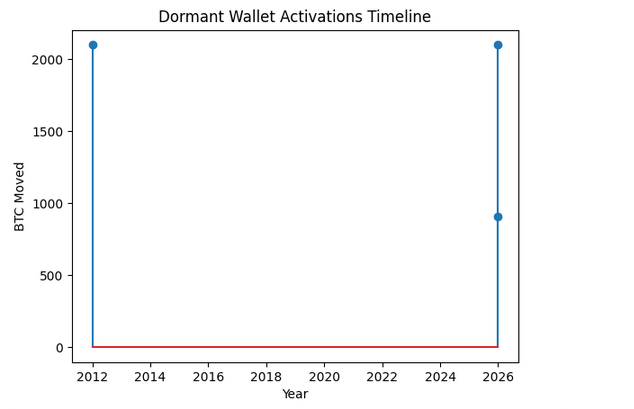
These repeated awakenings suggest several structural dynamics:
- Early adopters are gradually regaining access to lost wallets
- Some holders are beginning to consider liquidity events
- The distribution of early Bitcoin is slowly evolving
At the same time, not all movements result in selling. Many coins are simply transferred to new wallets for security reasons.
5. Macro Implications: Supply Shock and Institutional Context
Dormant wallet movements intersect with broader macro trends in the crypto market.
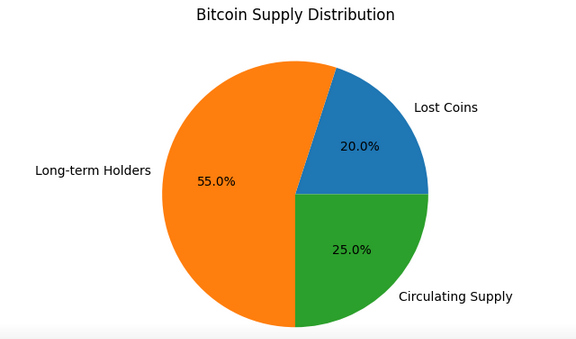
5.1 Supply Tightening
A significant portion of Bitcoin’s total supply is believed to be:
- Lost permanently
- Held long-term by early adopters
- Locked in institutional custody
When dormant coins move, the market briefly reassesses available supply. However, unless these coins are sold, the actual circulating liquidity does not materially change.
5.2 Institutional Accumulation
In recent years, institutional players—including asset managers, ETFs, and corporate treasuries—have been steadily accumulating Bitcoin.
This creates a paradox:
- Early retail adopters hold massive dormant positions
- Institutions are actively absorbing liquid supply
The interaction between these two forces defines Bitcoin’s price dynamics.
6. Strategic Lessons for Investors and Builders
For readers seeking new opportunities in crypto assets and blockchain applications, this event offers several actionable insights.
6.1 The Power of Time in Crypto
The most profitable strategy historically has often been:
- Early entry
- Long-term holding
- Minimal interference
This contrasts sharply with high-frequency trading narratives.
6.2 Custody Risk is Real
The possibility that this wallet was inaccessible for years highlights:
- The importance of secure key management
- Risks of lost seed phrases
- Need for institutional-grade custody solutions
This is a major opportunity area for:
- Wallet infrastructure providers
- Key recovery solutions
- Multi-signature systems
6.3 Liquidity Timing Matters
Large holders must consider:
- Market impact of selling
- OTC vs exchange liquidation strategies
- Gradual vs immediate distribution
These are not just investor concerns but also business opportunities in:
- Prime brokerage
- Liquidity routing
- Algorithmic execution
Conclusion: Signals from the Deep Past of Bitcoin
The reactivation of a 13-year-old Bitcoin wallet is more than a curiosity—it is a signal.
It reflects:
- The enduring nature of early crypto wealth
- The complexity of custody and access
- The gradual evolution of Bitcoin’s supply structure
For investors, it reinforces timeless lessons: patience, discipline, and security.
For builders, it highlights emerging opportunities in custody, analytics, and liquidity infrastructure.
As more dormant wallets awaken, the market will continue to decode their signals—each transaction offering a glimpse into Bitcoin’s past, present, and future.




