
Key Points :
- Bhutan’s sovereign investment arm, Druk Holding & Investments (DHI), moved 973 BTC (~$77 million) within 24 hours
- Additional transfers included $44.4 million worth of BTC to unknown wallets and ~20.5 BTC (~$1.52 million) to institutional platform QCP Capital
- Total BTC movements in 2026 exceed $117 million, signaling continued liquidation
- Bhutan’s holdings declined to 4,453 BTC (~$340 million), down ~65% from peak (~13,000 BTC)
- No major inflows (> $100,000) for over a year, suggesting mining slowdown or halt
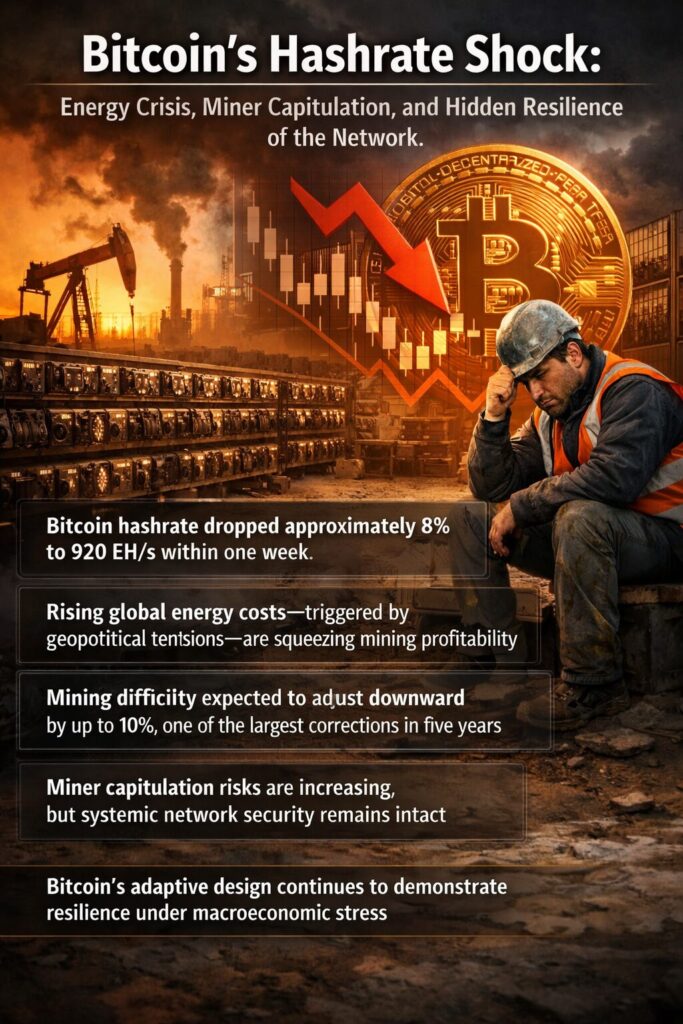
- Rising energy costs and post-halving economics are reshaping sovereign mining strategies globally
1. Introduction: A Quiet Giant in Sovereign Bitcoin Accumulation
Bhutan has long been one of the most intriguing yet opaque players in the global Bitcoin landscape. Unlike countries such as El Salvador, which publicly embraced Bitcoin as legal tender, Bhutan pursued a far more discreet strategy—leveraging its abundant hydropower resources to mine Bitcoin at scale through its sovereign investment arm, Druk Holding & Investments (DHI).
However, new on-chain data suggests a turning point. Recent large-scale Bitcoin transfers indicate that Bhutan may be shifting from accumulation to liquidation. This raises critical questions not only about Bhutan’s strategy but also about the broader viability of sovereign crypto mining in a post-halving, high-energy-cost environment.
2. Recent On-Chain Activity: Strategic Transfers or Silent Selling?
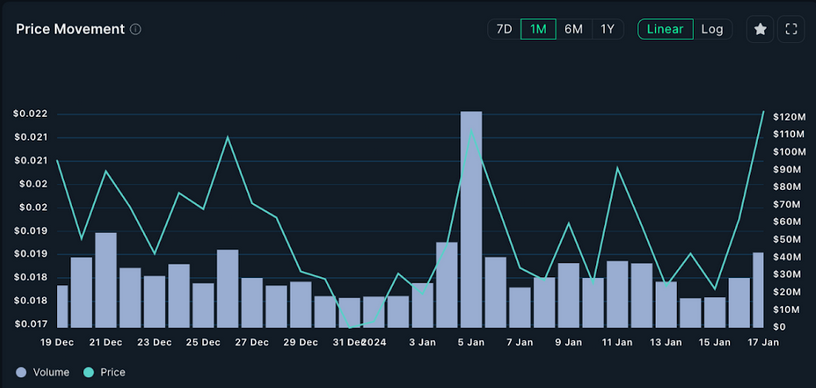
According to blockchain analytics firm Arkham Intelligence, Bhutan’s DHI moved 973 BTC (~$77 million) across multiple unknown wallet addresses over a 24-hour period.
Further breakdown of the transactions reveals:
- ~$44.4 million in BTC transferred to two unidentified wallets
- ~20.5 BTC (~$1.52 million) sent to QCP Capital, a well-known institutional trading platform
These movements are particularly noteworthy because they resemble patterns typically associated with pre-liquidation positioning—where assets are redistributed before being sold via OTC desks or institutional counterparties.
Importantly, Bhutan has historically refrained from issuing public statements regarding its Bitcoin activities. As a result, on-chain data remains the only reliable source of insight, forcing analysts to interpret behavior indirectly.
3. Declining Reserves: From Strategic Accumulation to Controlled Exit
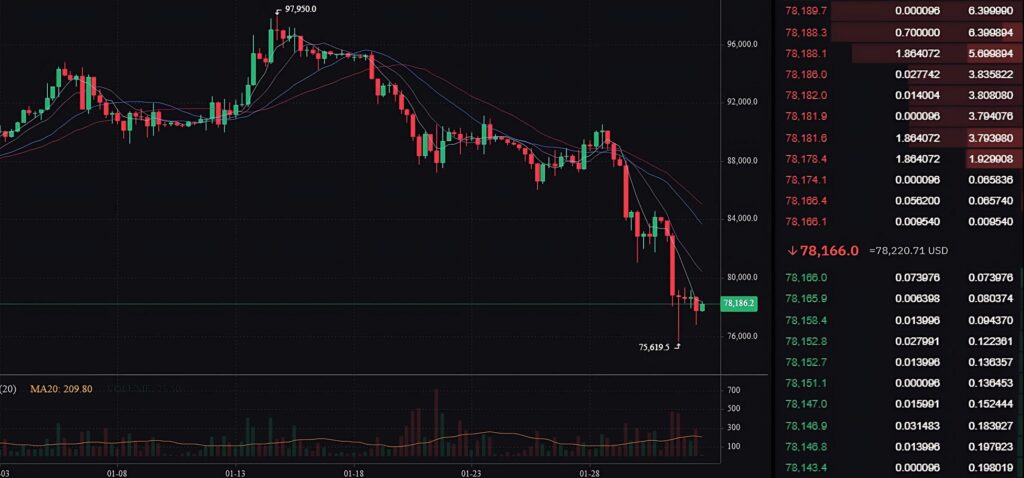
As of the latest data, Bhutan’s Bitcoin holdings stand at:
- 4,453 BTC (~$340 million)
This represents a dramatic reduction from its peak:
- ~13,000 BTC (~$1 billion+ at peak levels)
This roughly 65% decline in holdings signals a consistent pattern of sell-offs over the past year.
From a treasury management perspective, this behavior aligns with a risk-off strategy:
- Locking in profits from earlier mining operations
- Reducing exposure to Bitcoin volatility
- Reallocating capital to more stable or diversified assets
However, it also suggests that Bhutan may no longer view Bitcoin mining as a long-term strategic pillar at its previous scale.
4. Mining Economics After the Halving: A Structural Shift
Bhutan’s Bitcoin strategy was originally built on a powerful advantage: cheap and abundant hydropower.
By 2023, the country was reportedly mining:
- ~8,200 BTC annually (~$600M+ depending on price levels)
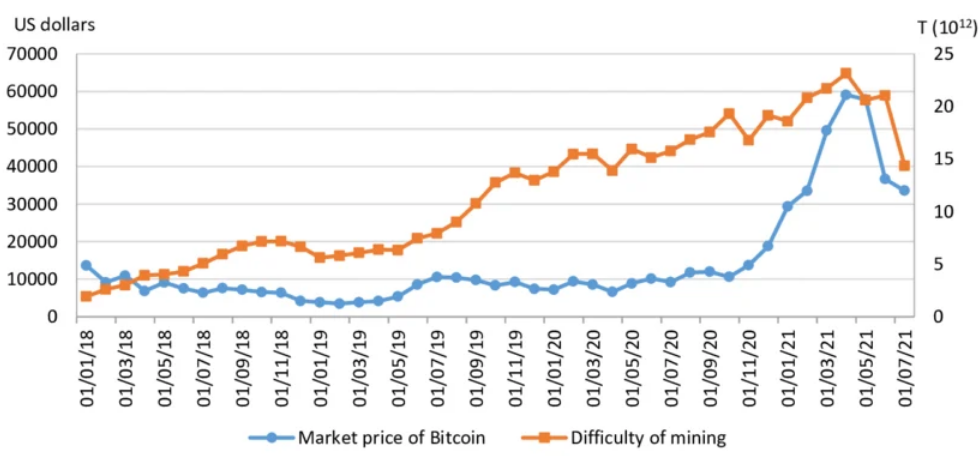
However, the landscape changed dramatically after the 2024 Bitcoin halving, a key event in Bitcoin’s monetary design that reduces mining rewards by 50%.
The consequences were immediate:
- Mining rewards cut in half
- Operational costs effectively doubled relative to output
- Profit margins compressed significantly
At the same time, global energy prices—driven by geopolitical tensions and supply disruptions—have further squeezed mining profitability.
Even for a country like Bhutan, with low-cost hydropower, the economics may no longer justify aggressive expansion or even sustained operations at prior levels.
5. Signs of Mining Slowdown: What the Data Suggests
One of the most telling indicators comes from Arkham’s observation:
- No large Bitcoin inflows (> $100,000) have been recorded in over a year
This is highly unusual for an active mining operation.
In a typical mining scenario:
- Newly mined BTC is regularly transferred to treasury wallets
- Continuous inflows reflect ongoing production
The absence of such inflows strongly suggests:
- Mining output has significantly declined, or
- Mining operations may have been paused or halted entirely
If confirmed, this would mark a major shift—from production-based accumulation to inventory-based liquidation.
6. Comparing Bhutan with Other Sovereign Bitcoin Strategies
Bhutan’s evolving strategy contrasts sharply with other national approaches:
- El Salvador continues to accumulate BTC through purchases
- Some countries are exploring CBDCs (Central Bank Digital Currencies) instead of decentralized assets
- Institutional players (e.g., ETFs, hedge funds) are increasing exposure to Bitcoin as a macro asset
Bhutan’s approach appears more pragmatic:
- Enter early via mining
- Accumulate during favorable conditions
- Gradually exit or rebalance as conditions deteriorate
This resembles a sovereign trading strategy rather than ideological adoption.
7. Implications for Crypto Investors and Builders
For readers seeking new crypto opportunities and revenue models, Bhutan’s case offers several key insights:
7.1 Mining Is No Longer “Easy Money”
The combination of:
- Halving events
- Rising energy costs
- Increased competition
means that mining is transitioning from:
- High-margin opportunity → capital-intensive industrial activity
7.2 Sovereign Players Behave Like Institutional Traders
Bhutan’s actions highlight that even governments:
- Take profits
- Manage risk dynamically
- Avoid overexposure
This reinforces the idea that Bitcoin is now a macro asset, not just a speculative instrument.
7.3 On-Chain Data Is a Strategic Intelligence Tool
Platforms like Arkham Intelligence are becoming essential for:
- Monitoring large holders
- Anticipating market moves
- Identifying liquidity events
For developers and entrepreneurs, this opens opportunities in:
- Analytics platforms
- Trading intelligence tools
- Risk monitoring systems
8. Future Outlook: Liquidation, Stabilization, or Re-Entry?
Looking ahead, Bhutan faces several strategic options:
- Continue gradual liquidation
- Reduce exposure
- Lock in gains
- Stabilize holdings
- Maintain a smaller strategic reserve
- Re-enter mining under new conditions
- Invest in more efficient hardware
- Expand during periods of lower difficulty
The key variable will be:
- Bitcoin price trajectory
- Energy market stability
- Global regulatory environment
9. Conclusion: A Case Study in Adaptive Sovereign Crypto Strategy
Bhutan’s Bitcoin journey illustrates a broader truth about the evolving crypto landscape:
- Early advantages (cheap energy, low difficulty) are no longer sufficient
- Macro factors (energy, geopolitics, regulation) now dominate
- Even sovereign actors must adapt rapidly
Rather than signaling failure, Bhutan’s apparent shift should be viewed as strategic adaptation.
For investors, builders, and policymakers, the lesson is clear:
Bitcoin is no longer a frontier experiment—it is a mature, competitive, and strategically managed asset class.
Understanding how entities like Bhutan navigate this transition provides a valuable blueprint for the next phase of crypto evolution.




