
Main Points :
- USDC recorded approximately $2.2 trillion in adjusted transaction volume in 2026, surpassing USDT’s $1.3 trillion for the first time since 2019.
- Mizuho Securities raised Circle’s target share price from $100 to $120, citing growing real-world usage of USDC.
- USDT still dominates by market capitalization (around $184 billion) while USDC has about $79 billion, but USDC supply is growing rapidly.
- Analysts increasingly believe stablecoin dominance will be determined by real economic usage rather than market cap alone.
- The expansion of prediction markets, DeFi transfers, and AI-agent commerce is accelerating USDC adoption.
1. USDC Surpasses USDT in Adjusted Transaction Volume
In one of the most notable developments in the stablecoin market in recent years, the U.S. dollar–backed stablecoin USD Coin (USDC) has overtaken Tether (USDT) in adjusted transaction volume for the first time since 2019. According to a report published by Mizuho Securities, USDC recorded roughly $2.2 trillion in adjusted transaction volume in 2026, while USDT recorded approximately $1.3 trillion over the same period.
This milestone is significant because USDT has historically dominated the stablecoin sector in terms of both market capitalization and trading activity. However, when filtering out exchange-related flows and algorithmic transaction noise, USDC appears to be increasingly used for what analysts consider “real economic transfers.”
The adjusted transaction metric used by Mizuho Securities excludes transfers related to centralized exchanges (CEX), decentralized exchanges (DEX), and addresses that conduct extremely high volumes of repetitive transactions. It also filters out addresses that have not made at least 1,000 transactions or $10 million in transfers within 30 days.
By removing these categories, analysts attempt to isolate transactions that likely represent actual users and institutions moving funds for payments, settlements, or financial operations.
Examples of such activity include:
- Corporate treasury transfers
- Settlement between trading desks
- Transfers between DeFi protocols and exchanges
- Prediction market transactions (such as those on Polymarket)
Using this methodology, USDC currently accounts for roughly 64% of adjusted transaction volume, compared with an average share of roughly 30% between 2019 and 2025.
This reversal signals a major shift in the stablecoin landscape.
📊 Graph 1 – Adjusted Stablecoin Transaction Volume (2026)
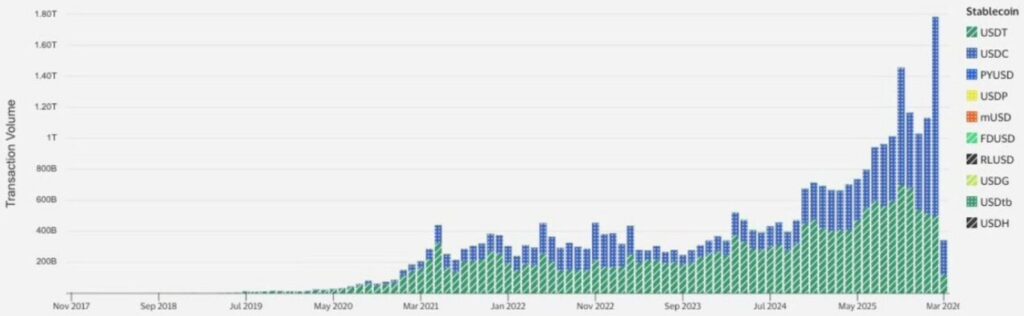
(bar chart comparing $2.2T USDC vs $1.3T USDT adjusted volume)
2. Why Real Transaction Activity Matters More Than Market Capitalization
Despite USDC’s surge in real usage, USDT still holds the largest market capitalization among stablecoins.
- USDT market cap: approximately $184 billion
- USDC market cap: approximately $79 billion
However, analysts increasingly believe market cap alone does not determine long-term dominance in the stablecoin ecosystem.
Historically, USDT gained traction largely through its integration with cryptocurrency exchanges. It became the primary quote currency for trading pairs and liquidity pools across global crypto markets.
USDC, in contrast, has been positioning itself as a regulatory-friendly and institutionally trusted stablecoin.
Circle, the issuer of USDC, emphasizes:
- Transparent reserve disclosures
- Compliance with financial regulations
- Partnerships with financial institutions
These features have made USDC particularly attractive for:
- Institutional payments
- corporate treasury operations
- DeFi settlement layers
- cross-border financial infrastructure
As a result, analysts argue that actual economic usage could ultimately determine which stablecoin becomes the dominant digital dollar.
Stablecoin Market Capitalization vs Real Usage
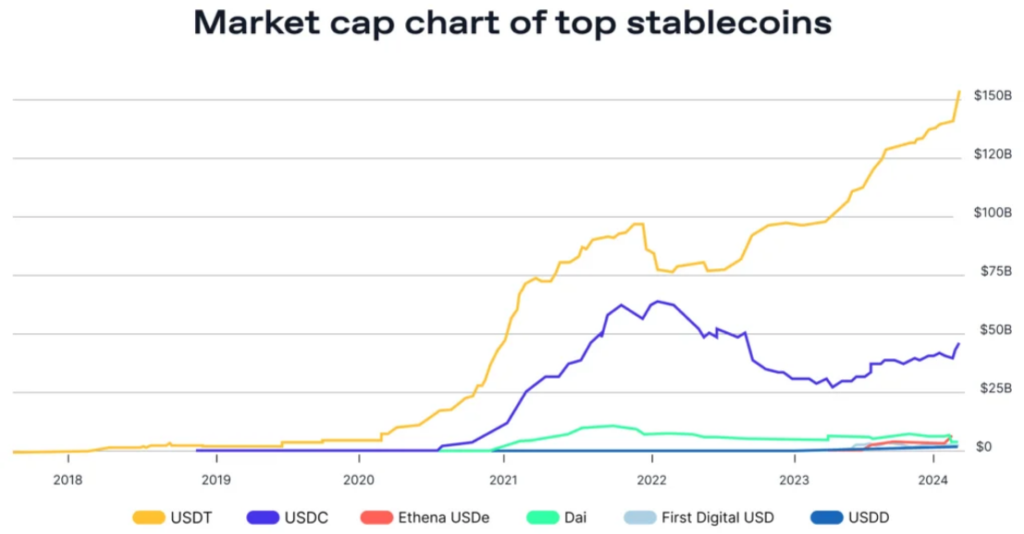
(two-axis chart comparing market cap vs adjusted transaction volume share)
3. Mizuho Securities Raises Circle’s Price Target
Reflecting these developments, Mizuho Securities raised its price target for Circle (ticker: CRCL) from $100 to $120.
The firm’s analysts, Dan Dolev and Alexander Jenkins, cited several factors behind the upgrade:
- Rapid growth in USDC transaction activity
- Expansion into new blockchain networks
- Increasing use in emerging digital commerce models
However, despite the higher price target, Mizuho maintained a Neutral investment rating, suggesting that while the long-term outlook is promising, some uncertainties remain.
Another firm, H.C. Wainwright, continues to maintain a Neutral rating with an $85 price target, noting that it wants to see:
- Sustained expansion of USDC market capitalization
- Clearer signals on U.S. Federal Reserve interest rate policy
These factors could influence the profitability of stablecoin issuers, which often earn revenue from interest generated by reserves backing the tokens.
4. The Rise of Stablecoins in Real-World Finance
The broader stablecoin market is experiencing rapid growth.
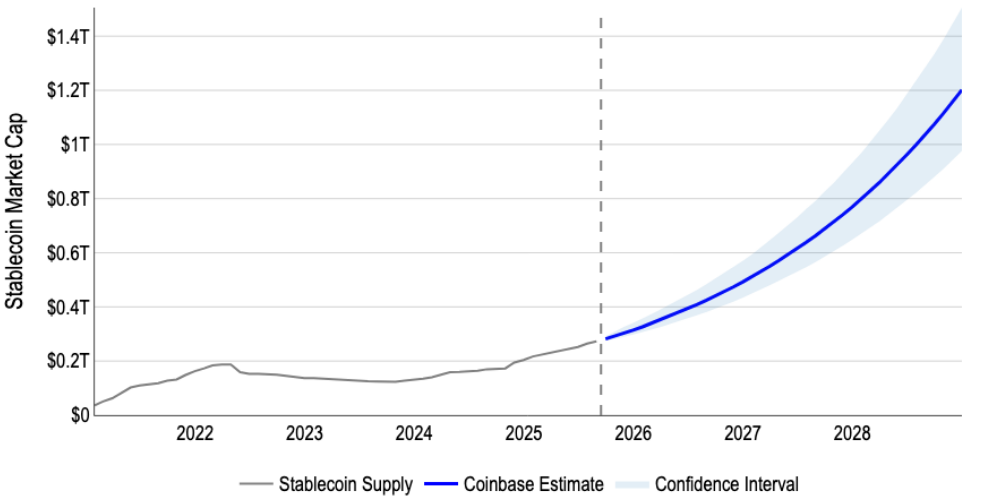
According to Standard Chartered Bank, the total market capitalization of stablecoins could reach $2 trillion by the end of 2028.
This expansion is being driven by several structural trends:
4.1 Cross-Border Payments
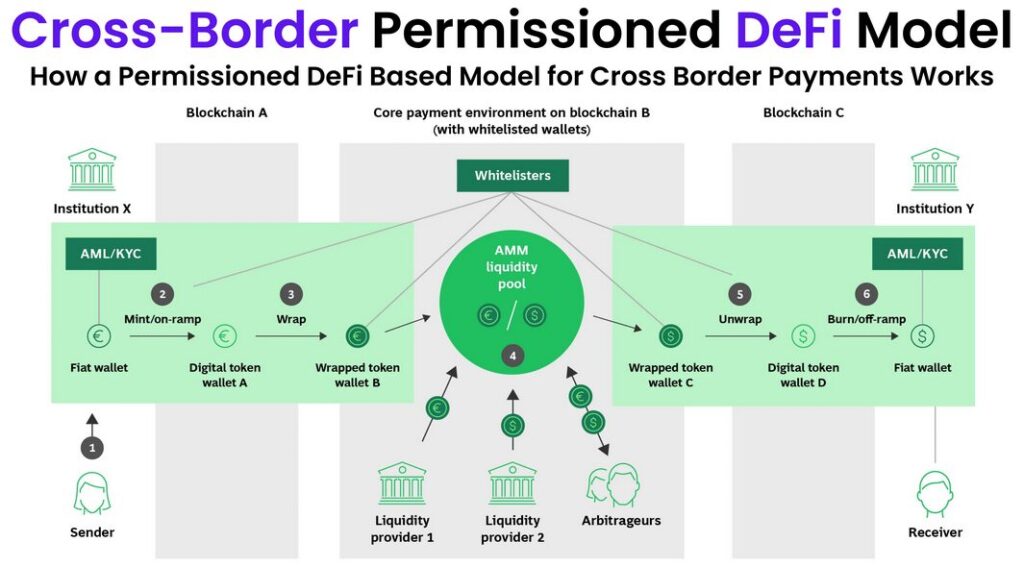
Stablecoins are increasingly used as settlement rails for international payments.
Traditional cross-border payments often involve:
- multiple intermediary banks
- settlement delays
- high fees
Stablecoins enable near-instant settlement with significantly lower costs.
Companies and payment providers are increasingly experimenting with stablecoin rails for remittances and corporate settlements.
4.2 DeFi and On-Chain Financial Infrastructure
Stablecoins serve as the primary unit of account in decentralized finance (DeFi).
They are widely used for:
- lending markets
- derivatives trading
- liquidity pools
- yield farming
USDC in particular has become a core asset across many DeFi protocols due to its perceived transparency and regulatory compliance.
4.3 Prediction Markets and On-Chain Data Economies
Platforms such as Polymarket and other blockchain-based prediction markets are increasingly using stablecoins as their settlement currency.
Prediction markets allow users to speculate on real-world events ranging from elections to economic indicators.
Because stablecoins maintain a stable value relative to the U.S. dollar, they provide a reliable unit of account for these markets.
4.4 AI-Agent Commerce
One emerging concept highlighted by analysts is AI-agent commerce.
In this model, autonomous AI agents perform economic transactions on behalf of users or companies.
Examples could include:
- automated trading bots
- AI procurement agents
- decentralized service marketplaces
Stablecoins like USDC provide a programmable payment layer that can be integrated into such automated systems.
This could significantly expand stablecoin usage beyond traditional financial markets.
Emerging Stablecoin Use Cases
(ecosystem showing payments, DeFi, AI commerce, prediction markets)
5. USDC’s Multi-Chain Expansion
Another key factor behind USDC’s growth is its multi-chain deployment strategy.
USDC now circulates across approximately 30 blockchain networks, including:
- Ethereum
- Solana
- Polygon
- Avalanche
- Base
- Arbitrum
This cross-chain presence enables USDC to function as a universal settlement asset across multiple ecosystems.
In contrast, USDT’s liquidity remains heavily concentrated in specific trading environments.
By integrating into a wider range of networks and applications, USDC has positioned itself as a core infrastructure layer for the broader Web3 economy.
USDC Supply Growth
(USDC supply growth +72% year-over-year)
6. The Strategic Battle Between USDC and USDT
The competition between USDC and USDT increasingly represents two different visions of the digital dollar.
| Model | Representative | Characteristics |
|---|---|---|
| Exchange-Driven Liquidity | USDT | Dominant trading pair, global exchange adoption |
| Institutional Finance | USDC | Regulatory alignment, institutional partnerships |
USDT remains the preferred stablecoin for high-volume crypto trading, particularly in offshore markets.
USDC, however, is gaining traction in regulated financial environments and enterprise payment systems.
If stablecoins become a fundamental layer of global financial infrastructure, this strategic difference could determine the long-term winner.
Conclusion: The Next Phase of the Stablecoin Economy
The overtaking of USDT by USDC in adjusted transaction volume marks a pivotal moment in the evolution of the stablecoin industry.
For years, USDT has been the dominant force in digital dollar liquidity. Yet the latest data suggests that real economic usage is shifting toward USDC, particularly in areas such as institutional payments, decentralized finance, prediction markets, and emerging AI-driven commerce.
At the same time, the broader stablecoin sector is entering a period of rapid expansion. Forecasts suggesting a $2 trillion stablecoin market by 2028 highlight the enormous scale of potential growth.
For investors and blockchain builders alike, the implications are significant.
Stablecoins are no longer merely tools for cryptocurrency trading. They are evolving into a foundational infrastructure layer for the digital economy.
Whether USDC ultimately becomes the dominant digital dollar remains uncertain. However, its recent surge in real-world transaction activity indicates that the competition for stablecoin leadership is entering a new phase.
For those seeking new opportunities in crypto markets or practical blockchain applications, the stablecoin economy may be one of the most important sectors to watch in the coming decade.