

Main Points :
- Arthur Hayes disclosed on February 23, 2026 that his crypto holdings consist of $BTC, $ETH, $ZEC, and $HYPE.
- His portfolio extends beyond crypto into gold (physical), mining equities (gold, silver, copper, uranium), oil majors, defense stocks, and Latin American energy companies.
- The disclosure came during a Bitcoin pullback near $66,000, drawing attention to his macro allocation strategy.
- Hayes previously projected long-term bullish scenarios for Bitcoin, including a potential move toward $700,000 in a structural bull cycle.
- The portfolio reflects a barbell strategy: high-beta crypto exposure combined with hard-asset inflation hedges.
1. Arthur Hayes Publicly Discloses His Current Portfolio
On February 23, 2026, Arthur Hayes, co-founder of BitMEX, revealed the composition of his personal investment portfolio via a post on X (formerly Twitter). The disclosure immediately captured market attention because it occurred during a period of crypto market weakness, with Bitcoin trading near $66,000 after a short-term decline of roughly 4–5%.
Hayes stated that his cryptocurrency holdings consist exclusively of:
- Bitcoin ($BTC)
- Ethereum ($ETH)
- Zcash ($ZEC)
- Hyperliquid ($HYPE)
He did not disclose allocation percentages or position sizes. However, the selection alone offers insight into his macro view, risk appetite, and ideological positioning.
In addition to crypto, Hayes revealed exposure to:
- Gold, silver, copper, and uranium mining equities
- Major oil producers
- Defense industry stocks
- Latin American energy companies
- Physical gold holdings
This cross-asset structure suggests a deliberate blend of monetary debasement hedges, geopolitical risk plays, and high-conviction crypto bets.
2. Crypto Allocation: Why Only Four Tokens?
Unlike many high-profile investors who diversify across dozens of tokens, Hayes maintains a focused crypto basket.
Bitcoin: Monetary Base Layer
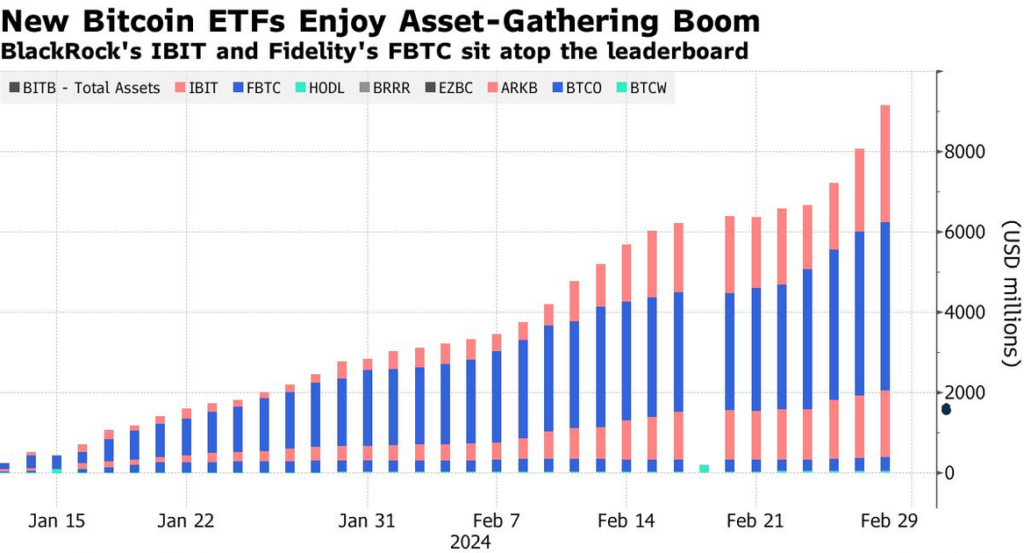
Bitcoin remains the foundation. At approximately $66,000, BTC sits below its prior cycle highs but remains structurally elevated compared to pre-ETF levels.
From a macro perspective, Bitcoin functions as:
- A hedge against monetary expansion
- A sovereign-neutral reserve asset
- A liquidity beta trade tied to global dollar conditions
Hayes has previously argued that global liquidity expansion — particularly U.S. fiscal deficits and potential monetary easing — could propel Bitcoin into a multi-year bull market extending into 2026. In earlier commentary, he floated the possibility of BTC reaching $700,000 under extreme liquidity conditions.
For readers seeking long-term asymmetric assets, Bitcoin remains the institutional gateway asset — reinforced by ETF inflows and sovereign-level discussions.
Ethereum: Infrastructure and Financialization
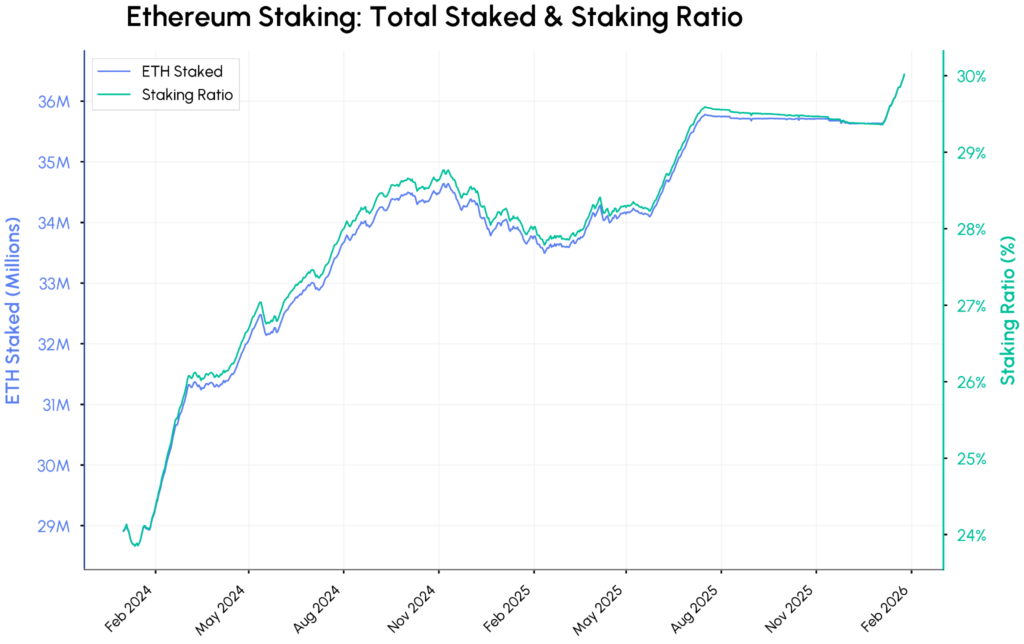
Ethereum represents programmable settlement infrastructure.
At current levels near the mid-$3,000 range (recent volatility assumed within macro conditions), ETH’s thesis centers on:
- Tokenized real-world assets
- Stablecoin settlement rails
- Layer-2 scaling expansion
- Institutional DeFi adoption
Ethereum remains the base layer for the majority of stablecoin liquidity and tokenized asset issuance. For readers interested in blockchain’s practical application, Ethereum is less about speculative velocity and more about financial infrastructure transformation.
Zcash: Privacy as a Structural Hedge
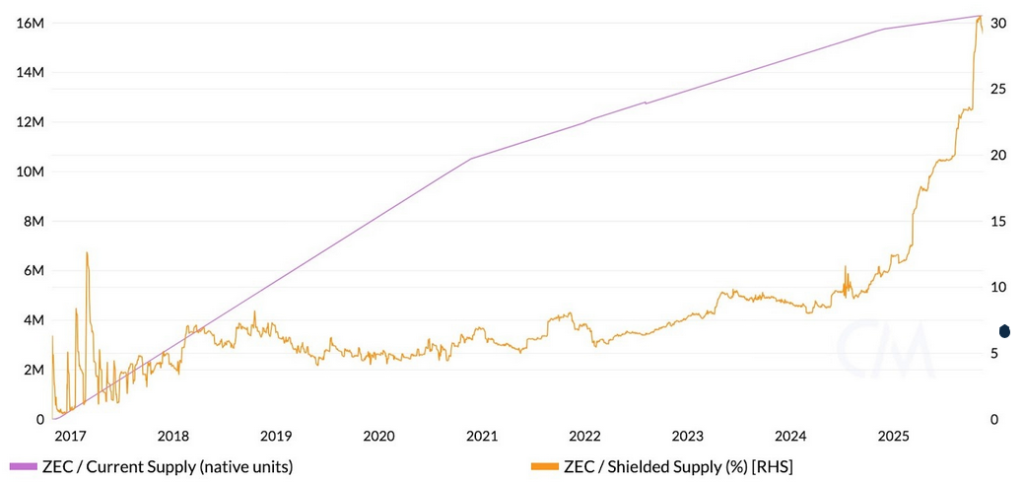
Hayes has long been vocal about Zcash, even suggesting in late 2025 that ZEC could target $1,000 in a strong privacy cycle.
Zcash represents:
- Zero-knowledge cryptography leadership
- Optional privacy functionality
- A hedge against financial surveillance
In an environment of increasing regulatory oversight and blockchain traceability, privacy-focused assets could experience renewed demand — particularly if geopolitical tensions intensify.
Hyperliquid (HYPE): Decentralized Perpetual Infrastructure
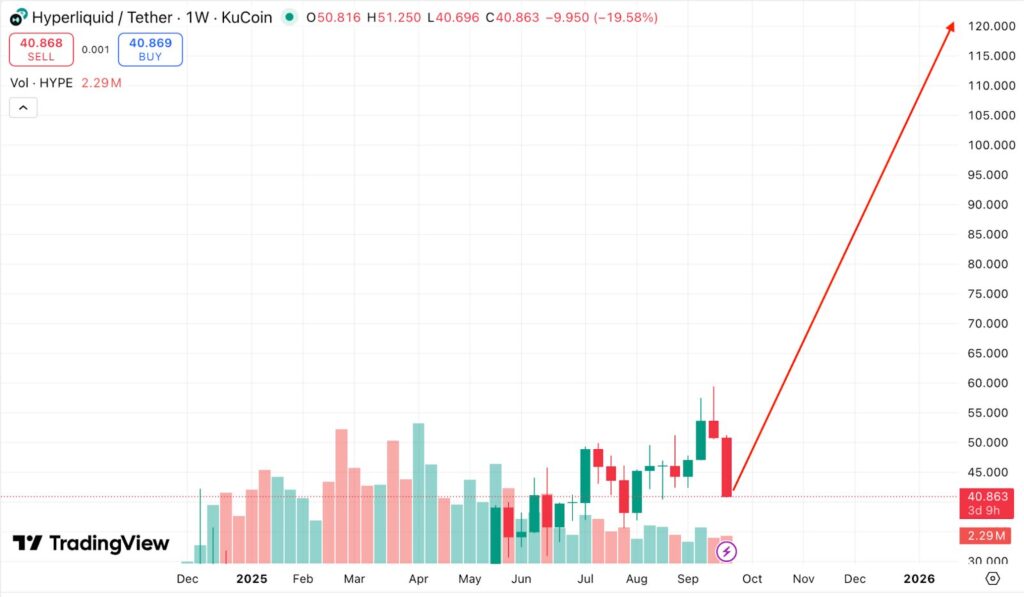
Hyperliquid represents decentralized perpetual futures infrastructure — a high-beta sector within crypto.
Hayes reportedly accumulated approximately $2.62 million worth of HYPE in 2025, demonstrating strong conviction.
Why this matters:
- Perpetual futures dominate crypto trading volume.
- Decentralized derivatives reduce centralized counterparty risk.
- On-chain perpetuals may capture structural migration from centralized exchanges.
For readers searching for new revenue opportunities, decentralized derivatives platforms represent one of the highest growth vectors in crypto trading infrastructure.
3. Hard Assets and Mining Equities: The Inflation Hedge
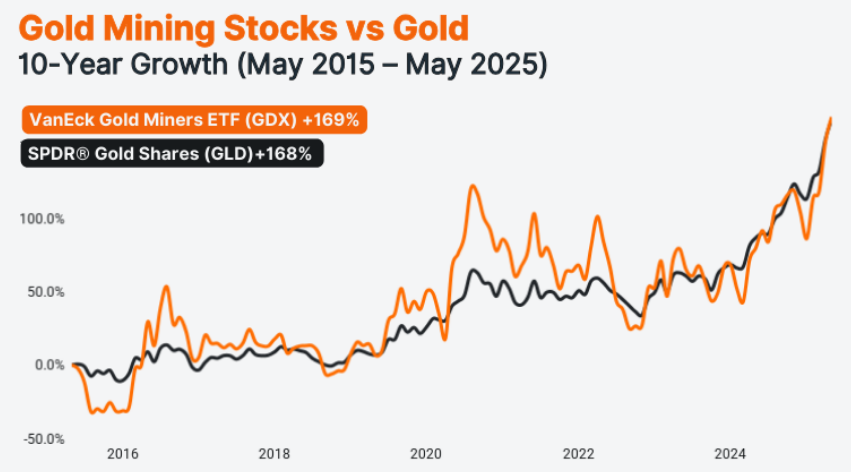
Beyond crypto, Hayes holds:
- Gold miners
- Silver miners
- Copper producers
- Uranium miners
- Oil majors
- Defense manufacturers
- Latin American energy equities
- Physical gold
This allocation suggests positioning for:
- Inflation persistence
- Commodity supercycle potential
- Geopolitical instability
- Energy security trends
Copper and uranium exposure, in particular, align with structural themes:
- Electrification and EV infrastructure
- Nuclear energy revival
- Grid modernization
Defense stocks, while controversial, tend to outperform during heightened geopolitical tension — a factor Hayes has referenced in past macro commentary.
4. The Timing: Why Disclose During a Pullback?
Bitcoin’s dip toward $66,000 and broader crypto weakness created a risk-off backdrop.
Disclosing during weakness signals:
- Conviction rather than opportunism
- Willingness to hold through volatility
- A macro thesis not dependent on short-term price
Historically, public portfolio disclosures during drawdowns tend to reinforce long-term positioning narratives rather than tactical trading signals.
5. The Macro Overlay: Dollar Liquidity and Geopolitical Risk
Hayes has repeatedly emphasized two drivers of Bitcoin price:
- U.S. dollar liquidity expansion
- Geopolitical fragmentation
In scenarios of:
- Large fiscal deficits
- Renewed quantitative easing
- Sovereign debt stress
- Escalating global conflict
Both Bitcoin and gold could benefit simultaneously — explaining why his portfolio contains both.
This dual exposure forms a barbell strategy:
- High volatility upside (crypto)
- Defensive inflation hedge (gold, miners)
6. What This Means for Investors Seeking New Opportunities
For readers searching for:
- New crypto assets
- Alternative yield sources
- Practical blockchain applications
Hayes’ portfolio provides several signals:
- Concentration over diversification
- Infrastructure plays over hype tokens
- Privacy technology as an asymmetric bet
- Decentralized derivatives as growth sector
- Hard assets as macro insurance
Notably absent are meme coins and AI-branded tokens — suggesting a preference for structural narratives over cyclical retail hype.
Conclusion
Arthur Hayes’ February 2026 portfolio disclosure reveals more than just asset names — it illustrates a macro worldview.
He is positioned for:
- Continued crypto adoption
- Monetary expansion
- Commodity strength
- Geopolitical instability
The portfolio blends conviction in decentralized finance infrastructure with traditional hard-asset hedges.
For forward-looking investors, the takeaway is not to replicate his allocations blindly, but to understand the strategic logic:
- Own asymmetric upside in crypto infrastructure.
- Hedge systemic risk with scarce real-world assets.
- Monitor liquidity cycles above all else.
In volatile markets, clarity of thesis matters more than diversification breadth. Hayes’ disclosure reinforces that disciplined macro conviction may outweigh tactical noise.


