Main Points :
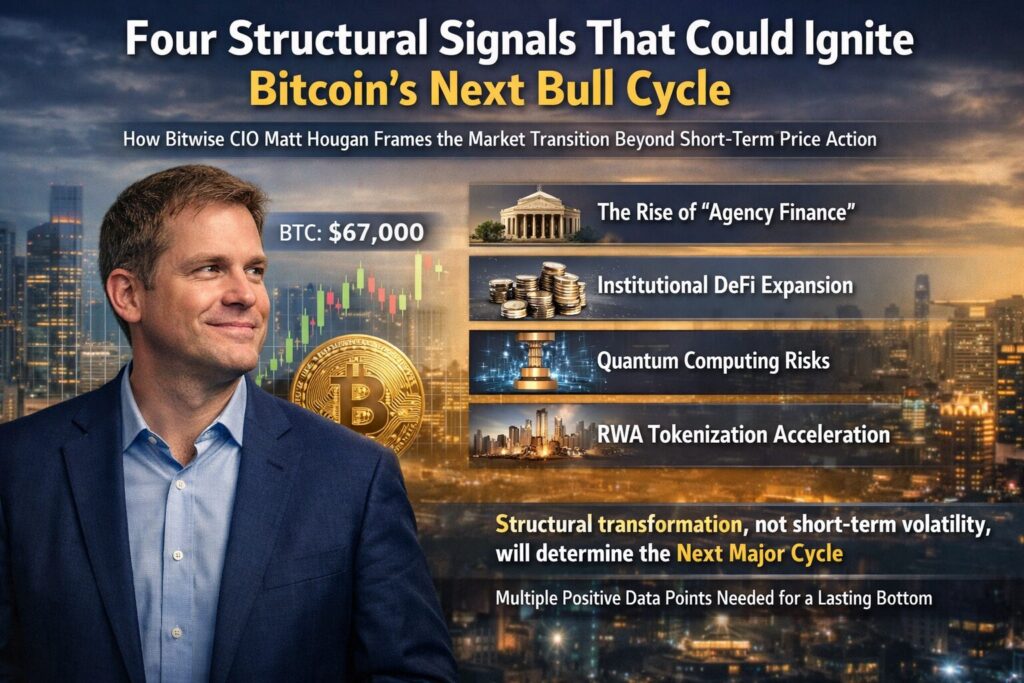
- Bitcoin is trading around $67,000, moving sideways in a consolidation range rather than trending strongly.
- Bitwise CIO Matt Hougan highlights four structural forces that may signal a broader market transition.
- These include:
- The rise of “Agency Finance”
- Expansion of institutional DeFi
- Progress in addressing quantum computing risks
- Acceleration of real-world asset (RWA) tokenization
- Structural transformation, not short-term volatility, may determine the next major cycle.
- Multiple positive data points must accumulate before confirming a durable bottom.
Current Market Snapshot: A Consolidation Before Expansion?
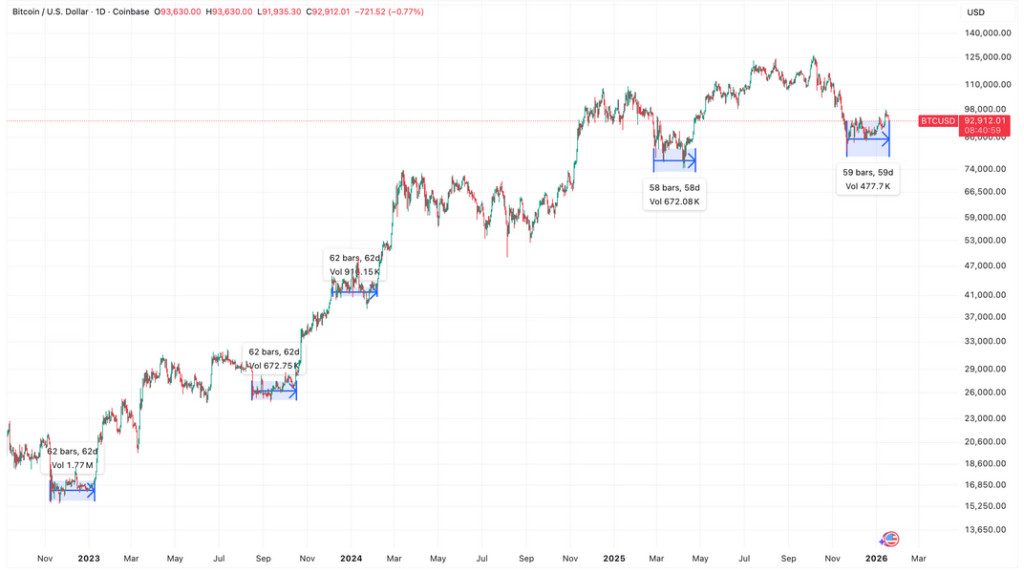
As of February 2026, Bitcoin (BTC) trades near $67,000, with a market capitalization exceeding $1.3 trillion and daily trading volume around $43 billion. The price remains range-bound, fluctuating between approximately $60,000 and $72,000 over recent months.
To short-term traders, this may appear stagnant. However, according to Matt Hougan, Chief Investment Officer of Bitwise Asset Management, sideways price movement is less important than deeper structural shifts underway in the crypto ecosystem.
Hougan argues that major bull cycles are rarely triggered by price momentum alone. Instead, they are born from structural transformations that reshape market foundations. In his recent commentary, he identifies four such forces that may eventually define Bitcoin’s next expansionary phase.
1. The Rise of “Agency Finance”
When Crypto Becomes Corporate Infrastructure
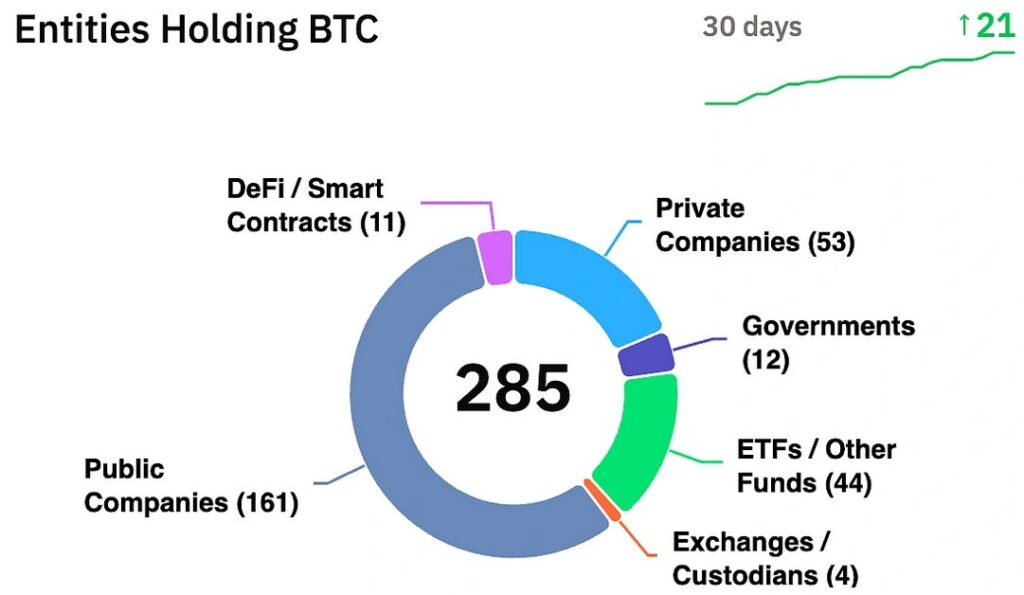
The first structural shift Hougan highlights is what he calls “Agency Finance.”
This concept refers to companies and financial institutions integrating crypto not merely as a speculative asset, but as part of their operational and financial architecture.
A leading example is Coinbase. Originally known primarily as a retail exchange, Coinbase has expanded into institutional custody, asset management, staking infrastructure, and payment rails. It now provides services that resemble core banking infrastructure rather than simple brokerage access.
This shift matters because it signals maturation:
- Crypto assets are being embedded into treasury strategies.
- Custody solutions meet institutional compliance standards.
- On-chain settlement increasingly complements traditional clearing systems.
In earlier cycles, corporations bought Bitcoin as a hedge or speculative reserve. In this new phase, crypto becomes integrated into corporate balance sheets and operational frameworks.
For investors seeking the next revenue wave, Agency Finance suggests a growing opportunity in:
- Crypto infrastructure providers
- Institutional-grade custodians
- Compliance-layer blockchain tools
- Enterprise-focused blockchain platforms
If this trend continues, demand for Bitcoin and related infrastructure could become structurally embedded rather than sentiment-driven.
2. The Expansion of Institutional DeFi
The Convergence of Traditional Finance and On-Chain Liquidity
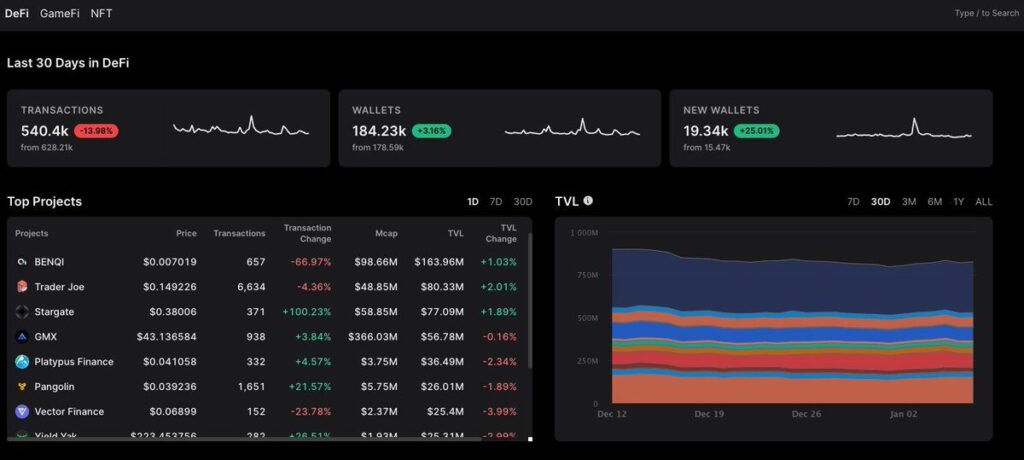
The second structural force is the expansion of institutional participation in decentralized finance (DeFi).
Historically, DeFi was retail-dominated—driven by yield farming, liquidity mining, and speculative token issuance. But the landscape is evolving.
Asset management giants such as BlackRock have launched blockchain-based funds and tokenized products. Meanwhile, protocols like Uniswap Labs are building institutional-friendly interfaces.
This convergence signals several key shifts:
- On-chain liquidity becomes credible infrastructure.
- Risk management tools become more sophisticated.
- Regulatory clarity increases institutional comfort.
- DeFi transitions from experimental to operational finance.
Institutional DeFi adoption has two major implications:
- Stablecoin liquidity deepens.
- Real-world assets flow on-chain.
For readers seeking practical blockchain use cases, institutional DeFi represents a new frontier: programmable finance that merges transparency, automation, and global access.
If sustained, this development may compress spreads, improve capital efficiency, and increase Bitcoin’s role as a base collateral asset.
3. Advancements in Addressing Quantum Risk
Securing Bitcoin for the Next Technological Era
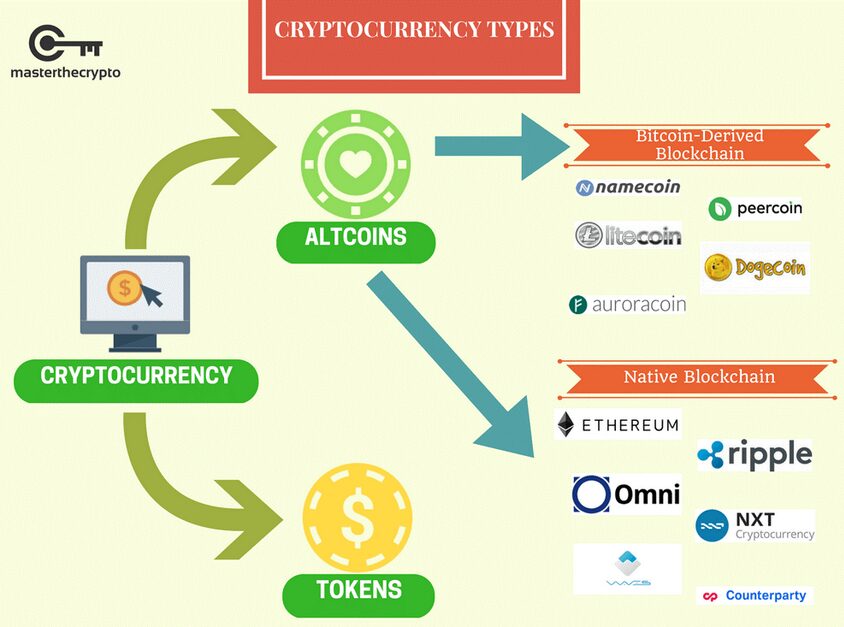
The third structural factor is progress in preparing for quantum computing threats.
Quantum computers theoretically pose risks to current cryptographic algorithms used in Bitcoin and other blockchain networks. While practical quantum attacks remain years away, forward-looking investors closely monitor cryptographic resilience.
Research into post-quantum cryptography has accelerated globally. Discussions within the Bitcoin development community increasingly consider upgrade paths and contingency frameworks.
This matters for long-term capital allocators:
- Institutional investors demand future-proof infrastructure.
- Sovereign-level risk assessments now include quantum scenarios.
- Technological adaptability enhances confidence in digital scarcity.
By transitioning from theoretical discussion to practical roadmap development, the ecosystem strengthens its credibility.
For those evaluating long-term revenue and blockchain utility, quantum resilience signals durability. Durable infrastructure attracts institutional capital.
4. The Acceleration of Real-World Asset (RWA) Tokenization
From Speculation to Financial Plumbing
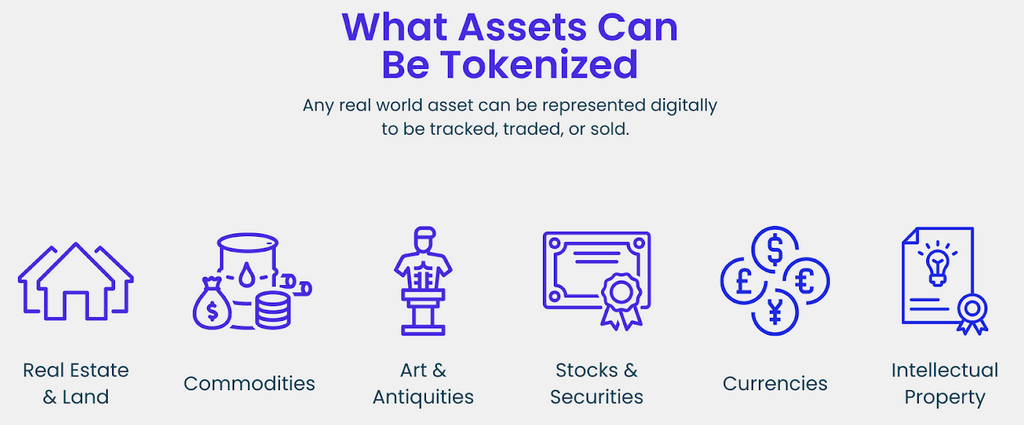
The fourth structural catalyst is the rapid acceleration of real-world asset (RWA) tokenization.
Traditional financial assets—bonds, money market funds, real estate interests—are increasingly issued and managed on blockchain rails.
Major institutions have launched tokenized treasury products, bringing billions of dollars of real-world value on-chain.
Tokenization produces several transformative effects:
- 24/7 settlement
- Fractional ownership
- Reduced counterparty friction
- Automated compliance
For Bitcoin, tokenization expands the ecosystem in which it operates. Even if BTC is not directly tokenizing assets, it benefits from:
- Increased blockchain adoption
- Greater institutional comfort
- Cross-collateralization frameworks
- On-chain liquidity growth
For investors seeking practical blockchain revenue streams, RWA tokenization may represent one of the largest addressable markets in the next decade.
Structural Signals vs. Short-Term Volatility
Bitcoin’s previous bear markets often ended when:
- Liquidity stabilized.
- Institutional participation increased.
- Technological upgrades improved confidence.
- New narratives captured capital inflows.
Today’s market is not defined by explosive retail speculation. Instead, it is characterized by incremental infrastructure building.
Hougan cautions that:
- A confirmed bottom requires multiple reinforcing data points.
- Further downside remains possible.
- Structural progress does not guarantee immediate price appreciation.
However, the emergence of these four structural elements suggests that the foundation for a future bull cycle may be forming.
What to Watch Going Forward
For serious crypto investors and blockchain entrepreneurs, the following metrics may serve as forward indicators:
- Institutional capital inflows into spot ETFs and tokenized funds
- On-chain transaction growth linked to real-world assets
- DeFi total value locked (TVL) growth from institutional wallets
- Announcements regarding quantum-resistant cryptographic upgrades
- Corporate treasury adoption trends
If these signals accumulate, the next bull market may be driven not by hype, but by infrastructure maturity.
Conclusion: The Quiet Build Beneath the Surface
Bitcoin at $67,000 may feel uneventful compared to previous euphoric cycles. Yet beneath the surface, structural shifts are underway.
The rise of Agency Finance redefines crypto’s corporate role. Institutional DeFi bridges Wall Street and blockchain. Quantum risk preparation enhances long-term security. RWA tokenization expands blockchain’s economic footprint.
None of these alone guarantees an immediate breakout. But together, they signal transformation.
For readers seeking new digital assets, emerging revenue opportunities, and practical blockchain applications, the next cycle may not be about speculative mania. It may be about infrastructure maturity.
And when infrastructure matures, capital tends to follow.