

Main Points :
- Global markets experienced a synchronized “triple sell-off” in cryptocurrencies, equities, and precious metals.
- Bitcoin plunged from approximately $68,300 to near $65,100, testing the critical $65,000 support zone.
- The Fear & Greed Index dropped to 8 (“Extreme Fear”), signaling severe market anxiety.
- U.S. equities (S&P 500 and Nasdaq) declined 1–2%, while gold and silver were also sold off despite risk-off conditions.
- Concerns about prolonged monetary tightening and AI equity valuations weighed heavily on sentiment.
- Approximately $356 million in crypto long positions were liquidated, intensifying downside volatility.
- Investors now face a decisive moment: whether Bitcoin can defend the $65,000 level or trigger a broader correction.
1. A Rare “Triple Sell-Off” Shakes Global Markets
On February 13, global financial markets experienced a synchronized and severe downturn—a “triple sell-off” in which cryptocurrencies, equities, and commodities all declined simultaneously. Such episodes are relatively rare, as capital typically rotates between asset classes depending on risk appetite and macroeconomic outlook.
Traditionally, when equities fall, safe-haven assets such as gold attract inflows. However, this time even gold and silver were sold. The synchronized liquidation signals not merely risk aversion, but liquidity-driven de-risking across portfolios. In other words, investors were not reallocating capital—they were exiting positions.
This dynamic suggests a broader macro trigger rather than asset-specific weakness. When gold falls alongside growth stocks and Bitcoin, the market is often signaling tightening liquidity conditions, rising real yields, or systemic uncertainty.
For crypto-focused investors seeking new income opportunities or undervalued assets, these environments can present both elevated risk and asymmetric opportunity.
2. Bitcoin’s Critical Moment: The $65,000 Support Line
Bitcoin fell sharply from approximately $68,300 to around $65,100, placing the $65,000 zone under immediate stress. This level is not merely psychological; it represents a key structural support formed during prior consolidation phases.
If Bitcoin holds above $65,000:
- The current drop may be interpreted as a healthy deleveraging event.
- Long-term bullish structure remains intact.
- Institutional inflows via ETFs could resume.
If Bitcoin decisively breaks below $65,000:
- A cascade toward the $60,000–$58,000 range becomes plausible.
- Leveraged traders may face additional liquidations.
- Altcoins could experience amplified downside volatility.
[Bitcoin Price Support Chart]
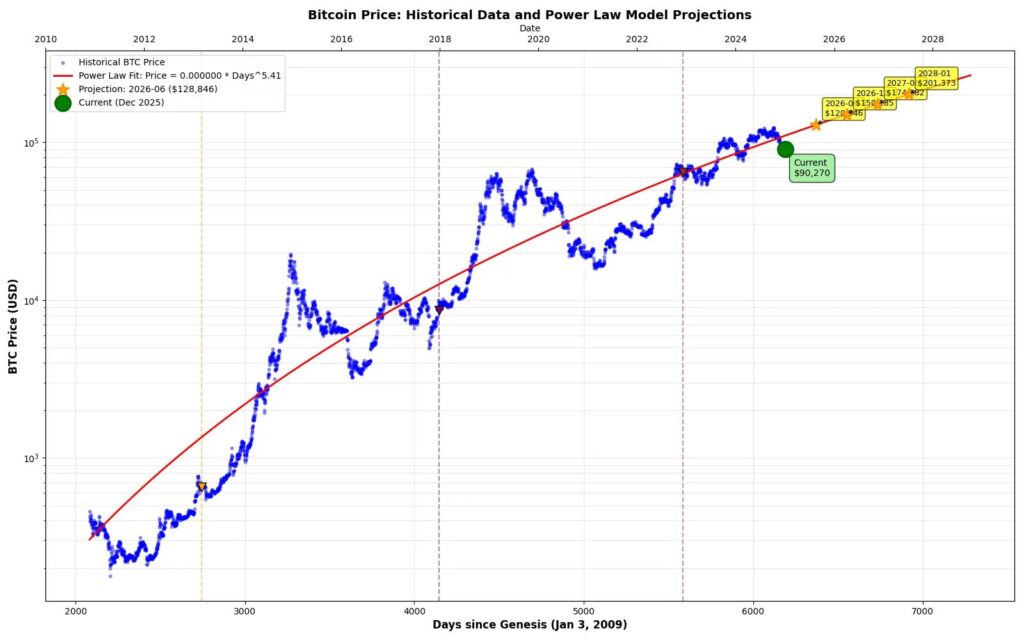
The Fear & Greed Index collapsing to 8 (“Extreme Fear”) further reflects panic conditions. Historically, such readings have often coincided with local bottoms rather than long-term tops. However, macro confirmation is required.
3. $356 Million in Liquidations: Leverage Amplifies the Shock
According to CoinGlass data, approximately $356 million in long positions were liquidated during the downturn. Forced liquidations accelerate price movements because exchanges automatically sell positions once maintenance margins are breached.
Liquidation cascades function as follows:
- Price drops.
- Leveraged long positions hit margin thresholds.
- Exchanges automatically sell.
- Selling pushes price lower.
- More positions are liquidated.
This feedback loop creates short-term overshooting. For experienced operators and market makers, such volatility can generate opportunity—particularly in delta-neutral strategies or volatility-selling frameworks. However, for undercapitalized retail traders, it is highly destructive.
In risk-managed portfolio construction, margin maintenance discipline is critical during macro stress.
4. Federal Reserve Concerns and Prolonged Tightening
One macro overhang is speculation regarding future Federal Reserve leadership and the possibility of prolonged monetary tightening. Even the perception of extended higher-for-longer rates can suppress risk appetite.
Higher rates impact markets in several ways:
- Increase opportunity cost of holding non-yielding assets (e.g., gold).
- Tighten liquidity conditions.
- Pressure growth equity valuations.
- Strengthen the U.S. dollar.
- Compress speculative capital in crypto markets.
If bond yields remain elevated, risk assets may struggle to sustain rallies without strong fundamental catalysts such as ETF inflows or regulatory clarity.
For blockchain entrepreneurs and investors, this environment favors projects with:
- Real revenue generation.
- Sustainable tokenomics.
- Infrastructure utility (payments, settlement, stablecoin rails).
- Enterprise integration.
Speculative narratives without revenue may face capital flight.
5. AI Valuation Concerns Spill Into Broader Risk Assets
Another emerging concern is valuation pressure in AI-related equities. Over the past two years, AI narratives fueled massive capital inflows into select technology stocks. When valuations stretch beyond earnings visibility, corrections can become swift.
Because AI equities had become a core component of institutional growth portfolios, selling pressure in this segment can trigger broader de-risking. Crypto, often categorized as a high-beta growth asset, tends to correlate with Nasdaq movements during macro tightening phases.
The result: AI valuation fears spill into crypto sentiment.
[Equity Heatmap Visualization]
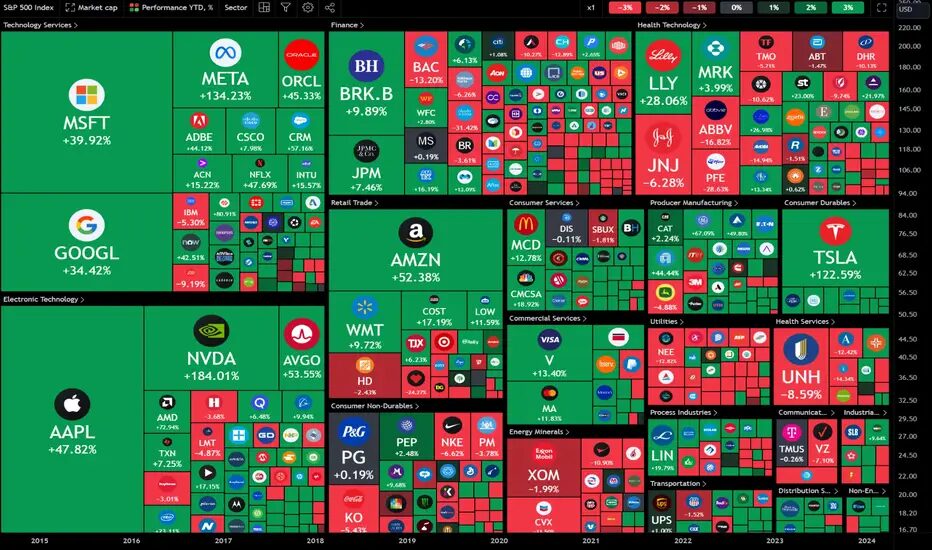
However, longer term, AI and blockchain may converge rather than compete. Decentralized AI infrastructure, on-chain data markets, and compute tokenization represent emerging practical use cases worth monitoring.
6. Why Gold Falling Matters
Gold typically rallies during equity stress. Its decline during this episode suggests:
- Investors are raising cash.
- Dollar strength is pressuring commodities.
- Real yields may be rising.
- Institutional portfolios are reducing gross exposure.
When gold and Bitcoin both fall, the common denominator is often liquidity withdrawal.
This does not invalidate the long-term thesis for Bitcoin as “digital gold,” but it reinforces that short-term correlations are liquidity-driven, not ideology-driven.
7. Strategic Implications for Crypto Investors
For readers seeking new crypto opportunities or practical blockchain income streams, this environment requires nuance.
A. Defensive Positioning
- Maintain moderate leverage or none.
- Focus on stablecoin yield opportunities with transparent risk.
- Consider hedged exposure strategies.
B. Accumulation Windows
Extreme Fear readings historically mark accumulation zones for long-term investors. However, staggered entries are preferable to lump-sum risk.
C. Infrastructure Plays
In tightening cycles, infrastructure tokens and revenue-generating protocols may outperform speculative meme assets.
D. Monitoring Key Levels
- $65,000: Immediate support.
- $60,000: Secondary support.
- $70,000: Psychological recovery threshold.
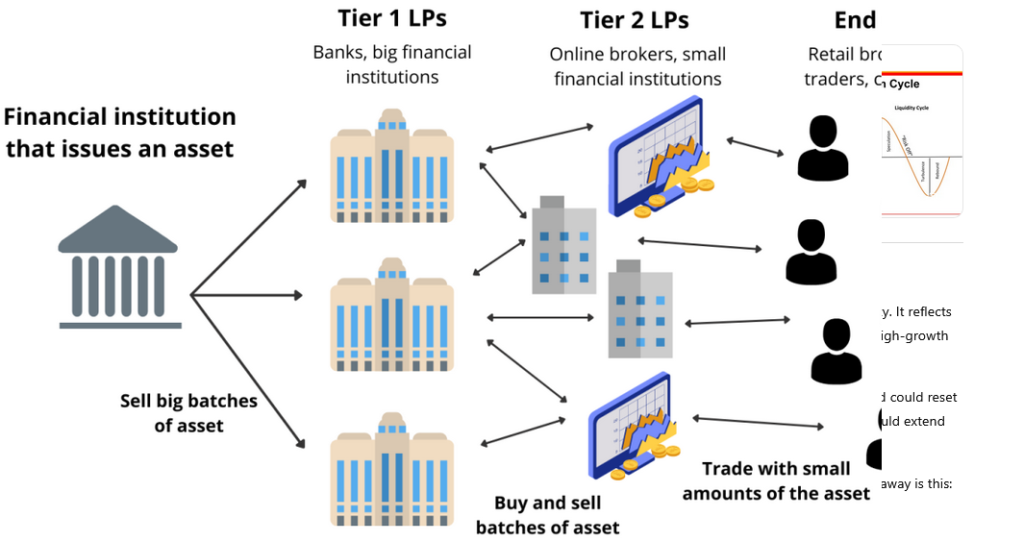
8. Visual Summary: Liquidity Shock Structure
[Liquidity Flow Diagram]
Conclusion: Panic or Structural Reset?
The synchronized sell-off across crypto, equities, and gold represents more than routine volatility. It reflects macro uncertainty, tightening liquidity conditions, leverage unwinding, and valuation stress in high-growth sectors.
Bitcoin’s defense of the $65,000 level is symbolically and technically important. A successful hold could reset excessive leverage and prepare markets for renewed institutional participation. A breakdown could extend volatility but potentially create generational entry zones.
For blockchain operators, builders, and investors seeking the next revenue frontier, the key takeaway is this:
Liquidity cycles matter more than narratives.
Periods of extreme fear often separate fragile speculation from durable infrastructure. The next wave of crypto opportunity is unlikely to be driven purely by hype—it will likely emerge from practical applications, capital efficiency, and integration with real-world financial systems.
In volatile times, survival discipline precedes expansion opportunity.
The market is now at a decisive inflection point.


