

Key Takeaways :
- Trend Research, a digital asset treasury (DAT) firm, appears to have liquidated over 651,000 ETH (approximately $1.4 billion) in a short period.
- On-chain data suggests the sale was driven by collateral liquidation risk linked to DeFi lending positions.
- The estimated loss may reach $750 million, making it one of the largest realized ETH losses by a single entity.
- Despite the sell-off, company insiders maintain a long-term bullish stance on Ethereum and the broader crypto market.
- The case highlights structural risks in leveraged treasury strategies and offers important lessons for institutional crypto operators.
1. A Sudden and Massive ETH Movement to Binance
In early February 2026, blockchain analysts observed an unusually large transfer of Ethereum to Binance, one of the world’s largest cryptocurrency exchanges. The sender was identified as Trend Research, a private digital asset treasury company (DAT).
According to on-chain data, Trend Research held approximately 651,170 ETH in the form of wrapped Ethereum deposited on Aave as of February 1. By February 6, this balance had dropped sharply to around 247,000 ETH, indicating that more than 400,000 ETH had been withdrawn and transferred to Binance within less than a week.
By February 8, nearly the entire remaining balance had also been moved. In total, 651,757 ETH—worth roughly $1.4 billion at prevailing market prices—was sent to Binance, strongly suggesting a full-scale liquidation.
2. Estimated Losses and Market Context
On-chain analytics firm Lookonchain estimates that Trend Research may have realized losses of up to $750 million on this Ethereum position.
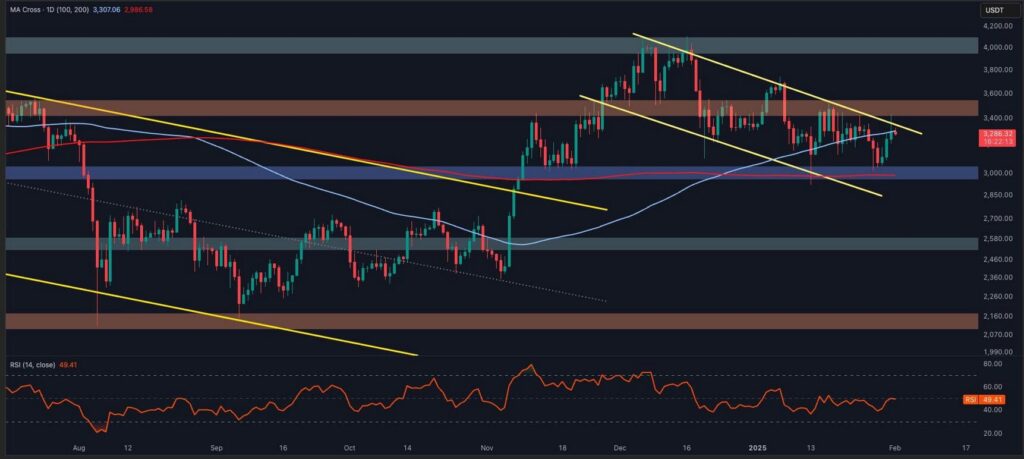
This liquidation occurred during a sharp downturn in the Ethereum market. Over the preceding week, ETH had fallen by approximately 30%, intensifying collateral pressure on leveraged DeFi positions.
Ethereum price decline during the week leading up to Trend Research’s liquidation
3. Collateral Liquidation Pressure: The Hidden Trigger
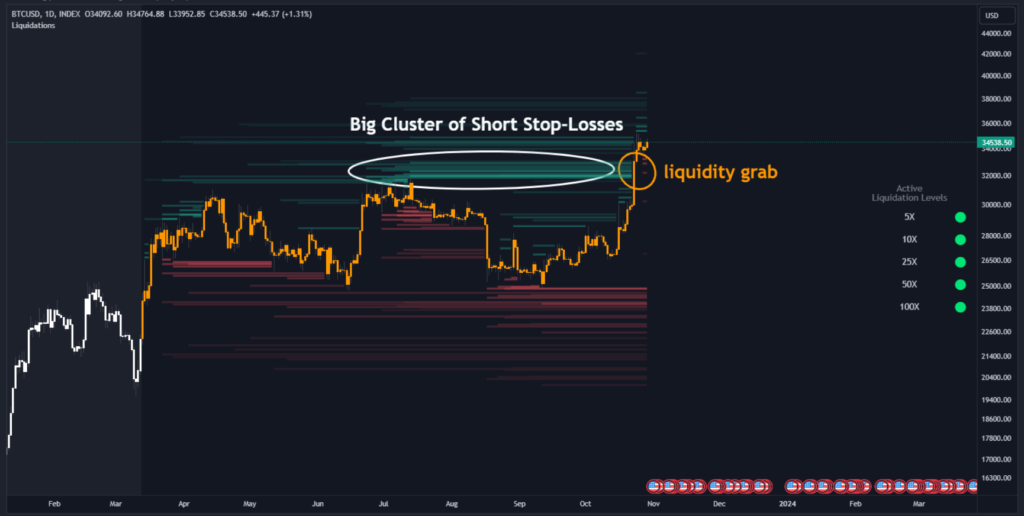
Lookonchain reported that Trend Research faced multiple liquidation thresholds between $1,698 and $1,562 per ETH. A further decline below these levels would have triggered automatic collateral liquidation on lending platforms such as Aave.
In DeFi lending systems, collateral liquidation is algorithmic and unforgiving. Once a threshold is breached, smart contracts sell collateral immediately, often at unfavorable prices, to protect lenders. For large holders, this can create a cascade effect, pushing prices even lower.
Faced with this risk, Trend Research appears to have opted for manual liquidation via centralized exchanges, accepting realized losses in exchange for avoiding uncontrolled, on-chain liquidations.
4. Who Are Digital Asset Treasury (DAT) Companies?
Digital Asset Treasury (DAT) companies manage cryptocurrencies such as Bitcoin and Ethereum as core corporate treasury assets. Their functions include custody, yield generation, risk management, and capital structure optimization.
For investors, DATs offer indirect exposure to crypto assets without direct self-custody. However, as this case demonstrates, DATs also introduce balance-sheet leverage risks, especially when combining long-term holdings with DeFi borrowing.
Trend Research, despite being a private company, was reportedly one of the largest ETH holders globally as of December 2025.
5. From Aggressive Accumulation to Forced Selling
Trend Research began aggressively accumulating ETH in October 2025, during a market downturn triggered by macroeconomic shocks related to U.S. trade policy. This contrarian strategy initially positioned the firm as a major institutional Ethereum bull.
However, leverage changes the nature of long-term conviction. Once assets are pledged as collateral, price volatility transforms from a paper loss into an existential risk.
This episode underscores a key lesson: leverage shortens time horizons, even for long-term believers.
6. Management’s View: Still Bullish on the Next Cycle
Despite the liquidation, Jack Yi, a founding member of Trend Research, publicly reaffirmed his long-term bullish outlook. In a statement posted on X, Yi argued that crypto market cycles remain intact, even as ETFs and institutional products reshape market structure.
He emphasized that bearish phases often present the best opportunities for position-building and stated that Trend Research intends to re-enter the market cautiously, with stricter risk controls.
Yi also reaffirmed belief in the traditional four-year crypto cycle, often associated with Bitcoin halving events, despite ongoing debate within the community.
7. A Broader Industry Contrast: BitMine Keeps Buying
Interestingly, not all Ethereum treasury firms are retreating. BitMine, one of the most visible ETH-focused treasury operators, has continued to accumulate Ethereum during the downturn, even while sitting on unrealized losses.
This contrast highlights diverging treasury philosophies:
- Trend Research: Risk reduction and balance-sheet survival
- BitMine: Maximum exposure ahead of a future bull market
8. Strategic Lessons for Institutional Crypto Operators
The Trend Research liquidation offers several critical insights:
- Leverage amplifies downside more than conviction can absorb.
- DeFi liquidation mechanics do not respect narrative or intent.
- Treasury strategies must align asset duration with liability structure.
- Liquidity planning is as important as price forecasts.
For operators building crypto-native financial institutions, the case reinforces the need for stress testing, conservative LTV ratios, and clear liquidation playbooks.
9. Implications for Ethereum and the Market
While the sell-off added short-term selling pressure, it also removed a major source of forced liquidation risk. In that sense, the event may ultimately stabilize the market rather than weaken it.
Historically, large capitulation events have often preceded periods of consolidation and recovery. Whether this episode marks such a turning point remains to be seen.
Illustration of DeFi collateral liquidation thresholds and cascading risk
10. Conclusion: Capitulation as a Structural Reset
Trend Research’s Ethereum sell-off is not merely a story of losses. It is a case study in how institutional crypto strategies collide with volatility, leverage, and automated financial infrastructure.
For readers seeking new crypto assets, revenue opportunities, or practical blockchain applications, the takeaway is clear: structure matters as much as belief. The next bull market will likely reward not only conviction, but disciplined financial engineering.


