
Main Points :
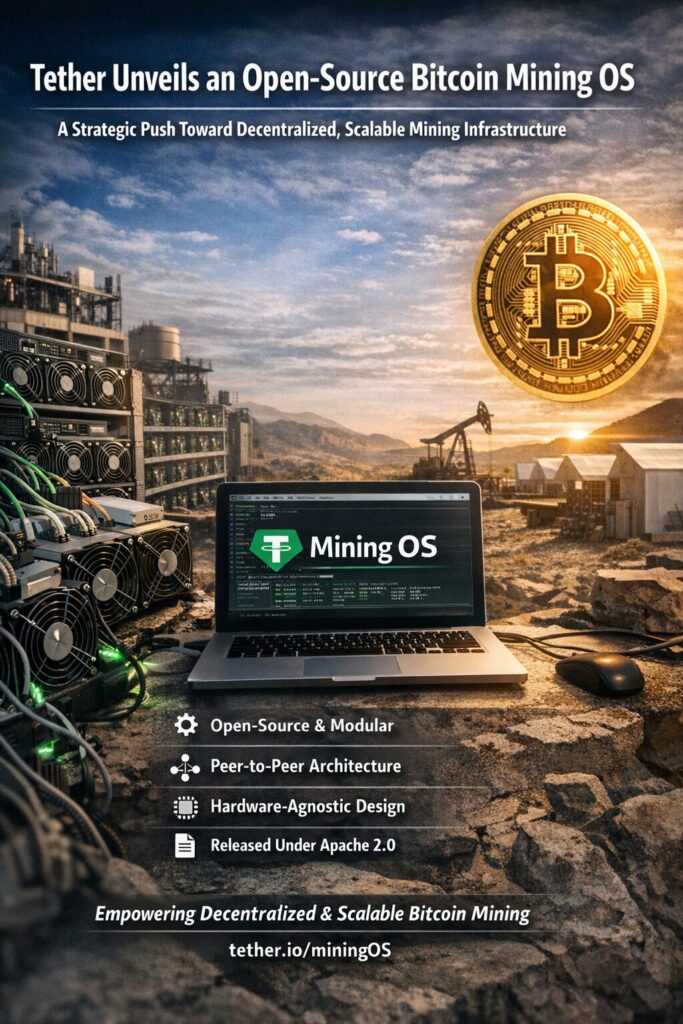
- Tether has released an open-source Bitcoin mining operating system (Mining OS / MOS) to lower entry barriers and reduce reliance on proprietary vendors.
- The OS is modular, scalable, and self-hosted, designed to work from home mining setups to multi-region industrial operations.
- MOS is released under the Apache 2.0 license, emphasizing transparency, extensibility, and freedom from vendor lock-in.
- The system leverages peer-to-peer (P2P) architecture, avoiding centralized control points or hidden backdoors.
- This move positions Tether alongside — and in some ways beyond — other industry players pursuing open-source mining stacks, with a broader hardware-agnostic approach.
- The release aligns with Tether’s broader diversification into Bitcoin holdings, tokenization, AI, and decentralized infrastructure, signaling a long-term infrastructure strategy rather than a short-term product launch.
1. Introduction: Why an Open-Source Mining OS Matters Now
Bitcoin mining has always been a paradox. While Bitcoin itself is open, permissionless, and decentralized, much of the mining industry has gradually become dependent on closed, proprietary software stacks and specialized vendors. This dependence has raised costs, reduced transparency, and increased systemic concentration.
Against this backdrop, Tether’s decision to release an open-source Bitcoin Mining OS in early February 2026 is not merely a technical announcement. It is a strategic intervention into one of Bitcoin’s most critical layers: the infrastructure that secures the network.
By open-sourcing a full mining operating system, Tether is effectively challenging the assumption that efficient mining must rely on black-box software and vendor-controlled platforms. For miners seeking operational autonomy, cost efficiency, and long-term resilience, this development has potentially far-reaching implications.
2. What Is Tether’s Mining OS (MOS)?
Tether’s Mining OS (MOS) is described as a modular, extensible operating system stack specifically built for Bitcoin mining operations. Unlike lightweight management tools that merely sit on top of existing firmware, MOS aims to be a full operational platform.
Key characteristics include:
- Self-hosted architecture: Miners retain full control over deployment, configuration, and data.
- Modular design: Components can be added, removed, or customized depending on scale and use case.
- Peer-to-peer communication: Mining nodes communicate directly with one another, reducing reliance on centralized servers.
- Scalability: Designed to scale from a single machine to geographically distributed industrial farms.
On its official site, Tether emphasizes a clear philosophical stance: no black boxes, no lock-in, and no artificial restrictions. This message resonates strongly with Bitcoin’s original ethos.
3. Architecture and Design Philosophy
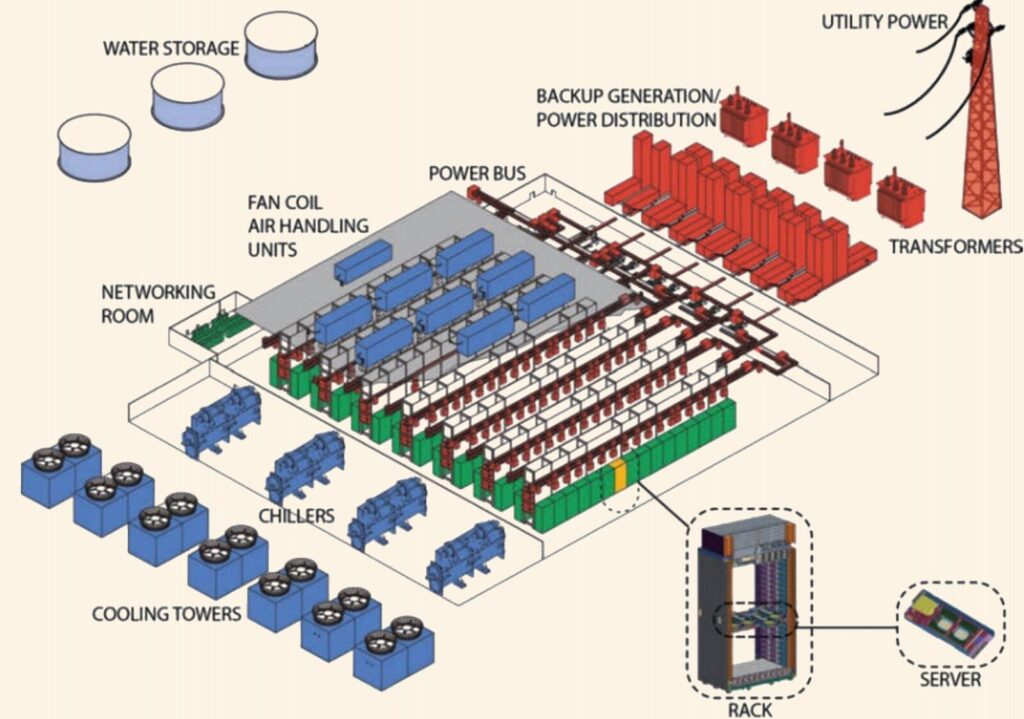
At the core of MOS is a self-hosted, P2P-native architecture. Instead of routing control and telemetry data through centralized cloud dashboards, MOS allows mining devices to coordinate directly.
Key Architectural Elements
- Integrated P2P Network: Devices discover and communicate with peers without centralized brokers.
- Configurable Control Plane: Operators can adjust performance, power usage, and output parameters dynamically.
- Hardware-Agnostic Approach: Unlike some competitors, MOS is not tied to proprietary mining hardware.
- Transparency by Design: Source code visibility allows operators to audit exactly what the system is doing.
This approach significantly reduces systemic risk. In traditional setups, a single compromised vendor or service outage can disrupt entire mining fleets. MOS distributes that risk.
4. Licensing and Open-Source Implications
Tether released MOS under the Apache 2.0 license, one of the most permissive open-source licenses available. This choice is critical.
Under Apache 2.0:
- Developers can freely use, modify, and distribute the software.
- Commercial use is explicitly permitted.
- There is no obligation to open-source derivative works.
- Patent protections are included for contributors.
In practical terms, this means startups, independent miners, and even competitors can build on MOS without fear of legal or commercial lock-in. This dramatically increases the likelihood of ecosystem adoption.
5. Comparison With Other Industry Initiatives
Block, led by Jack Dorsey, has also released open-source Bitcoin mining software in recent years. However, there is a key distinction.
Block’s mining stack is tightly coupled to its own hardware designs, reflecting a vertically integrated strategy. Tether’s MOS, by contrast, is positioned as infrastructure-agnostic, compatible with a wide range of existing setups.
This difference matters. Hardware-specific solutions can improve performance but often reinforce vendor dependency. A hardware-agnostic OS favors market competition and decentralization, even if optimization is left to the operator.
6. Strategic Context: Tether Beyond Stablecoins
MOS is not an isolated experiment. It fits into a broader pattern of Tether’s strategic evolution over the past two years.
By 2025, Tether had already:
- Increased direct Bitcoin holdings on its balance sheet.
- Expanded into tokenized assets, including commodities.
- Invested in AI infrastructure and decentralized compute.
- Explored deeper integrations with DeFi and on-chain settlement systems.
Seen in this context, MOS is best understood as part of a long-term infrastructure thesis: Bitcoin is not just an asset, but a base layer that benefits from resilient, decentralized tooling.
CEO Paolo Ardoino described MOS as a platform that can scale “from home setups to industrial-grade, multi-region operations.” This framing suggests Tether is thinking in decades, not quarters.
7. Economic Implications for Miners
From a cost perspective, proprietary mining software often imposes:
- Licensing fees
- Usage-based pricing
- Forced upgrades
- Vendor-controlled feature roadmaps
An open-source alternative shifts these economics. While operational expertise is still required, software rent extraction disappears. For smaller miners, this can be the difference between participation and exclusion.
Moreover, transparent software improves risk assessment. Operators can verify that no hidden throttling, data exfiltration, or undisclosed dependencies exist.
8. Decentralization and Network Resilience
Bitcoin’s security depends on a geographically and organizationally diverse mining base. Concentration — whether in hash power, hardware supply, or software control — introduces fragility.
By lowering technical and financial barriers, MOS could:
- Encourage new entrants.
- Support regional mining operations.
- Reduce dependence on a handful of dominant vendors.
- Improve censorship resistance at the infrastructure layer.
While software alone cannot solve mining centralization, it removes one significant bottleneck.
9. Visual Overview: Where MOS Fits in the Mining Stack
[“Traditional Proprietary Mining Stack vs Open-Source MOS Stack”]
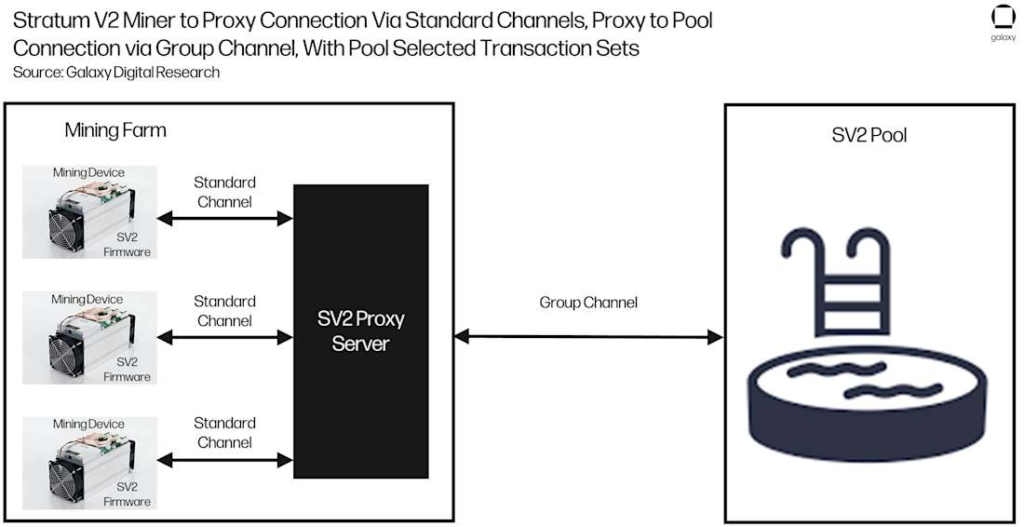
[Insert Image 2 here: “P2P-Based Mining OS Communication Flow”]
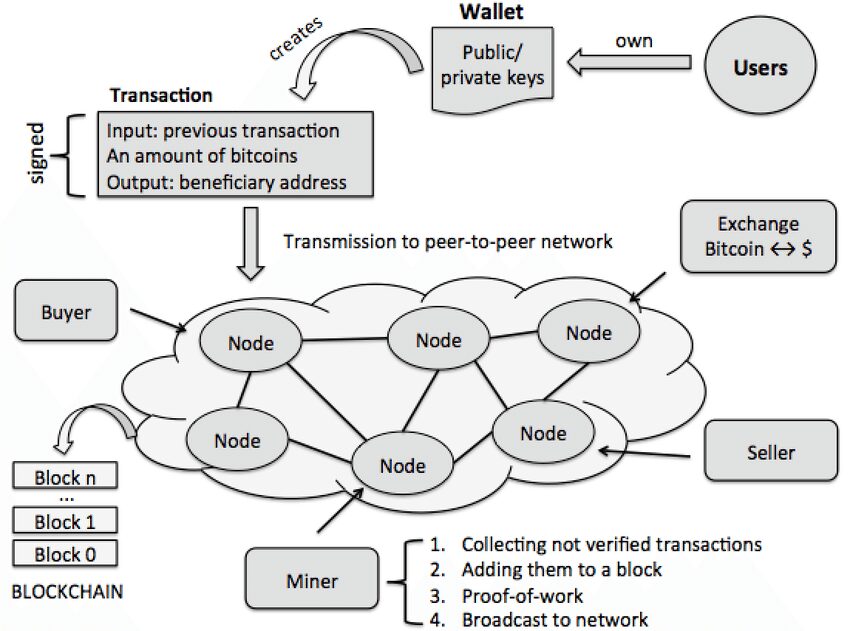
These diagrams should illustrate:
- The difference between centralized management servers and P2P coordination.
- The removal of proprietary control layers.
- How modular components interact within MOS.
10. Conclusion: Infrastructure as a Competitive Advantage
Tether’s open-source Bitcoin Mining OS is not just a tool; it is a statement about the future of Bitcoin infrastructure. By prioritizing openness, modularity, and decentralization, Tether is betting that long-term network health outweighs short-term proprietary advantage.
For miners, developers, and investors searching for new revenue opportunities and practical blockchain applications, MOS represents a meaningful shift. It lowers barriers, increases transparency, and reinforces the foundational principles that made Bitcoin resilient in the first place.
If widely adopted, MOS could become a quiet but critical pillar of the next phase of Bitcoin’s evolution — one where infrastructure is shared, auditable, and genuinely decentralized.


