

Main Points :
- The recent sharp decline across major cryptocurrencies pushed multiple assets into deeply oversold conditions, increasing the probability of a short-term relief rally.
- Bitcoin, Ethereum, XRP, and Solana are all testing critical technical levels that will likely determine whether the market is forming a durable bottom or merely a temporary bounce.
- RSI oversold signals suggest exhaustion among sellers, but confirmation requires reclaiming former support levels now acting as resistance.
- For investors and builders seeking new crypto assets, yield opportunities, or real-world blockchain use cases, the current phase offers both heightened risk and asymmetric opportunity.
- The coming weeks will be decisive as macro liquidity, ETF flows, and on-chain activity converge with technical inflection points.
Market Context: Why This Rebound Matters
The cryptocurrency market has experienced a violent sell-off over the past several days, erasing weeks—if not months—of gains in a remarkably short time. Bitcoin plunged from above $74,500 to nearly $60,000, while Ethereum, XRP, and Solana followed with equally aggressive declines. Such synchronized drops across major assets are rarely isolated technical events; they often reflect broader market stress, forced liquidations, and a sudden shift in risk appetite.
At the same time, history shows that sharp drawdowns frequently create the conditions for powerful countertrend rallies. Oversold indicators, panic-driven selling, and declining leverage can reset market structure, allowing stronger hands to accumulate assets at discounted prices. The central question now is whether the current rebound attempts represent the start of a sustainable recovery—or merely a “dead cat bounce” before further downside.
For readers searching for new crypto assets, alternative revenue streams, or practical blockchain applications, understanding this distinction is crucial. A genuine reversal opens opportunities not only in price appreciation but also in ecosystem development, DeFi yield strategies, and infrastructure investment. A false rebound, on the other hand, demands caution, capital preservation, and selective exposure.
Bitcoin Price Analysis: Testing the Market’s Backbone
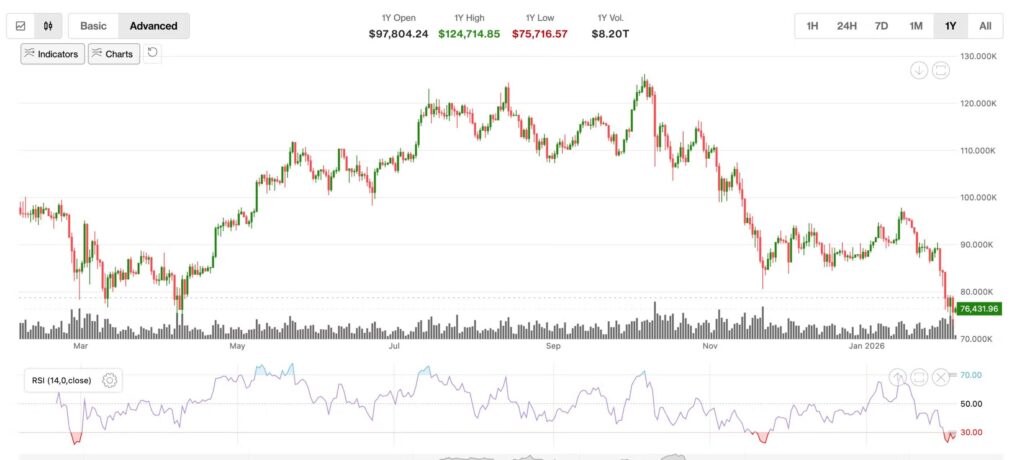
Bitcoin (BTC) closed below the critical $74,508 level on Wednesday, a price zone that had previously acted as strong support. Once that level failed, selling pressure accelerated, driving BTC down to the next major support near $60,000 by Friday.
This rapid descent pushed the Relative Strength Index (RSI) deep into oversold territory. From a technical perspective, such extreme readings often indicate that selling momentum is becoming exhausted, increasing the likelihood of a short-term rebound. However, oversold does not automatically mean bullish—it merely signals that downside pressure may be temporarily overstretched.
On any rebound attempt, bears are likely to defend the $74,508 level aggressively, attempting to flip it into resistance. If Bitcoin fails at this zone and turns lower again, a retest of $60,000—or even a deeper flush—cannot be ruled out.
The first meaningful bullish signal would be a daily close back above $74,508. If that occurs, Bitcoin could rally toward the 20-day exponential moving average (EMA), currently around $80,899. This zone will be critical: reclaiming it would suggest that market structure is stabilizing, while rejection would reinforce the broader downtrend.
From a practical standpoint, Bitcoin remains the reserve asset of the crypto ecosystem. Institutional flows, ETF demand, and treasury adoption continue to revolve around BTC. As a result, Bitcoin’s behavior here will heavily influence risk appetite across altcoins and blockchain projects more broadly.
Ethereum Price Analysis: Pressure on the Smart Contract Giant
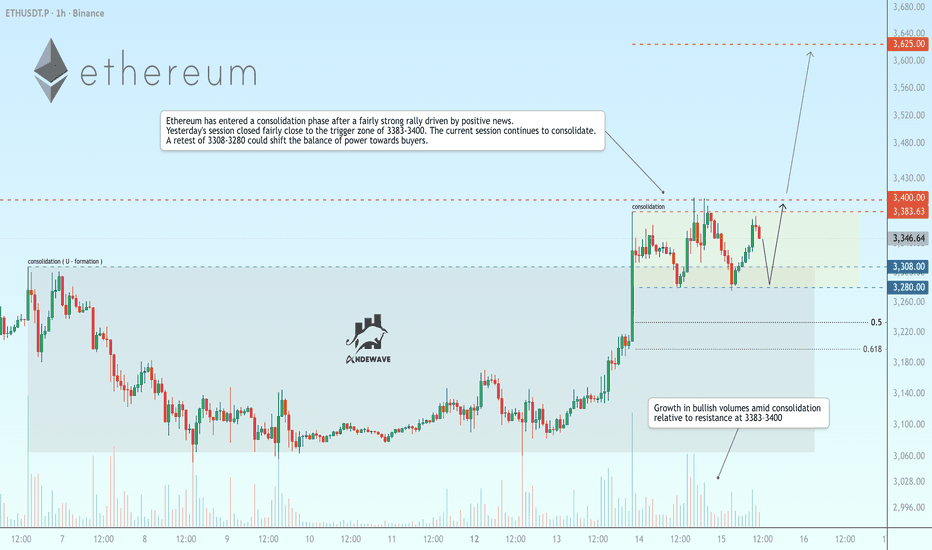
Ethereum (ETH) broke below the key $2,111 level on Thursday and extended its losses to the $1,750 support area by Friday. This move marked a decisive breakdown from a range that had previously supported bullish expectations around staking yields, Layer 2 growth, and ETF-related narratives.
Bulls are currently attempting to defend the $1,750 zone, which has acted as a psychological and technical support level in prior cycles. A short-term bounce from here is plausible, particularly given oversold RSI conditions. However, any recovery is likely to face heavy selling pressure near $2,111—the former breakdown point.
If ETH rallies toward $2,111 and then sharply reverses, it would confirm that bears have successfully converted this level into resistance. In that scenario, the risk of a breakdown below $1,750 increases significantly, with the next major support near $1,537.
Conversely, if buyers manage to push ETH decisively above $2,111, it would signal weakening bearish control. Such a move could open the path toward the 20-day EMA around $2,569. This level will be closely watched by both traders and long-term investors, as it represents a potential shift from panic to consolidation.
For those interested in practical blockchain usage, Ethereum’s price action has broader implications. ETH underpins much of DeFi, NFT infrastructure, and Layer 2 scaling solutions. Prolonged weakness could suppress on-chain activity temporarily, but it may also lower entry costs for developers and strategic investors building long-term positions.
XRP Price Analysis: Resilience Amid Structural Uncertainty
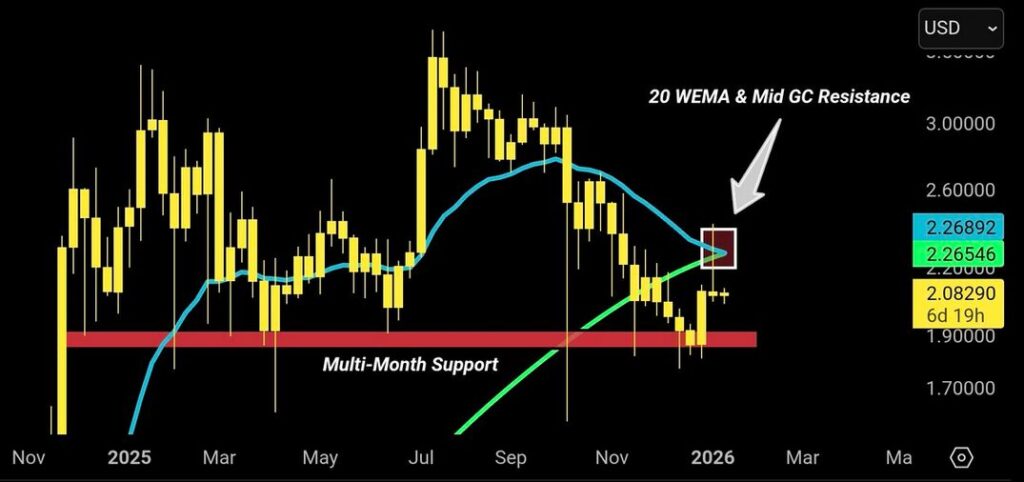
XRP experienced a sharp drop on Thursday, breaking below both the support line of its descending channel pattern and the October 10, 2025 low near $1.25. Such a move typically signals capitulation, as stop-loss orders and late long positions are flushed out.
However, bulls responded aggressively, buying the dip and pushing XRP back into the descending channel. This recovery suggests that there is still meaningful demand for XRP at lower levels, possibly driven by its unique positioning in cross-border payments and regulatory clarity narratives.
If the rebound continues, XRP could rise toward the 20-day EMA around $1.71. This level is expected to attract selling pressure, as it represents a convergence of short-term trend resistance and prior distribution zones. A decisive break above the 20-day EMA would significantly improve the technical outlook, potentially opening the path toward the descending trendline.
On the downside, failure at the 20-day EMA would indicate persistent bearish sentiment. In that case, sellers may once again attempt to force a breakdown below channel support, renewing downside risk.
For investors seeking real-world blockchain adoption, XRP remains a unique case. Its focus on payments, liquidity provisioning, and institutional rails differentiates it from purely speculative assets. As such, XRP’s resilience during periods of stress is often interpreted as a signal of underlying utility-driven demand.
Solana Price Analysis: Volatility and Opportunity in a High-Beta Asset
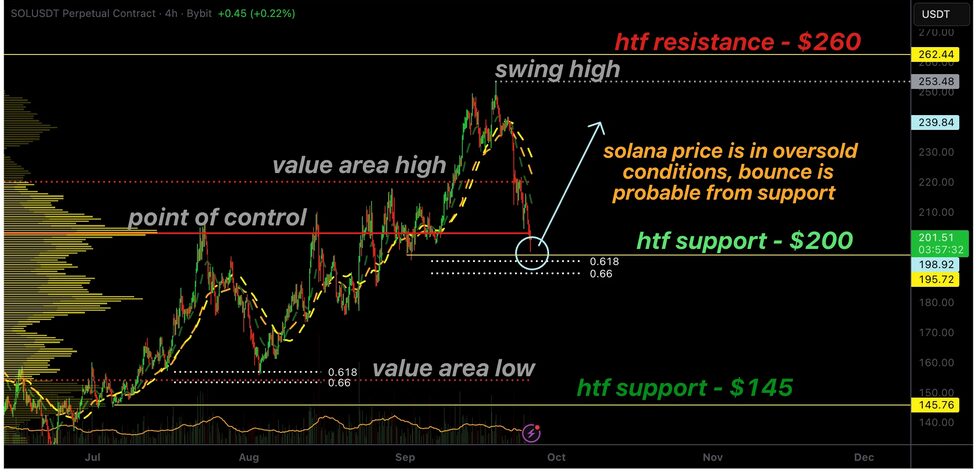
Solana (SOL) fell sharply after breaking below the $95 support level on Wednesday, extending losses to approximately $67.50 by Friday. This decline pushed the RSI deep into oversold territory, historically a zone where sharp but volatile rebounds often occur.
A short-term recovery toward $95 is possible, as oversold conditions attract speculative buying and short covering. However, $95 now represents a critical resistance zone. If SOL is rejected decisively at this level, the probability of a breakdown below $67.50 increases, potentially leading to further capitulation.
If buyers manage to reclaim $95 and secure a daily close above it, Solana could rally toward the 20-day EMA near $110. Such a move would suggest that the market is reassessing Solana’s growth prospects, including its role in high-throughput DeFi, consumer apps, and emerging payment use cases.
From a practical perspective, Solana’s ecosystem remains one of the most active in terms of developer engagement and user growth. High volatility, while risky, also creates opportunities for builders, liquidity providers, and yield strategies—provided risk is managed carefully.
Broader Implications for Investors and Builders
Beyond individual charts, the current market phase reflects a broader reset in expectations. Excess leverage has been reduced, speculative excess has cooled, and capital is becoming more selective. For those searching for the next revenue source or practical blockchain applications, this environment favors fundamentals over hype.
Projects with real users, sustainable fee models, and clear regulatory positioning are more likely to attract capital during recovery phases. Similarly, infrastructure plays—wallets, payment rails, compliance tooling, and liquidity services—often benefit disproportionately when markets stabilize after sharp corrections.
Conclusion: A Market at a Crossroads
The rebound attempts in Bitcoin, Ethereum, XRP, and Solana are technically justified by oversold conditions, but they remain unconfirmed. Former support levels now acting as resistance will determine whether this move evolves into a genuine trend reversal or fades into another leg lower.
For investors, this is a time for disciplined positioning rather than blind optimism. For builders and operators, it is a moment to focus on execution, product-market fit, and long-term value creation. Historically, the most impactful crypto innovations have emerged not during euphoric peaks, but in the quiet, uncertain periods that follow sharp market resets.


