
Main Points :
- Michael Burry, famed for predicting the 2008 global financial crisis, warns that a sustained Bitcoin downturn could ignite a new systemic shock.
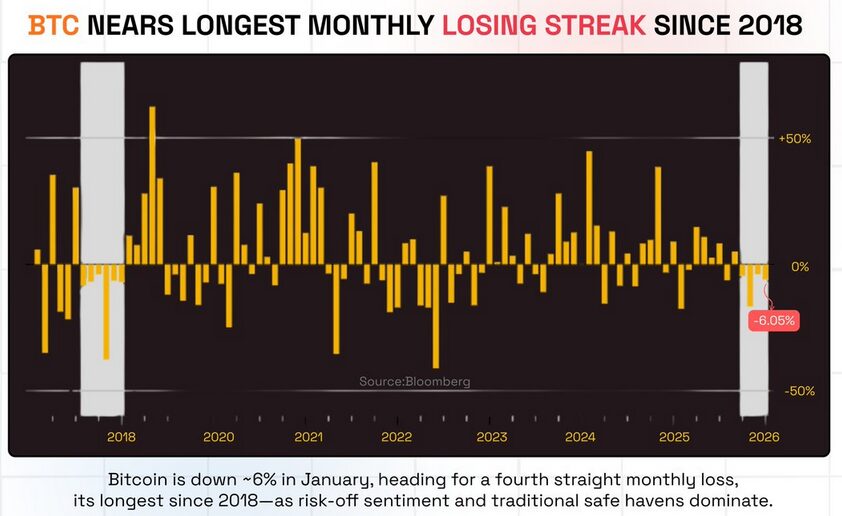
- Bitcoin has entered its longest losing streak since 2018, falling roughly 37% from its peak, with potential spillover effects across financial markets.
- Burry outlines three downside scenarios tied to key Bitcoin price levels—$70,000, $60,000, and $50,000—each escalating systemic risk.
- Corporate Bitcoin holders, miners, and even precious metals markets could face severe stress if forced liquidations accelerate.
- For investors seeking new crypto assets, yield opportunities, or practical blockchain applications, the warning underscores the need for risk-aware strategies rather than blind optimism.
Introduction: A Familiar Voice of Crisis Returns
Michael Burry, the investor immortalized in the movie The Big Short for foreseeing the 2008 subprime mortgage collapse, has once again issued a stark warning—this time aimed at Bitcoin and the broader digital asset ecosystem.
In a recent Substack post, Burry argues that if Bitcoin’s price continues to slide, the consequences may extend far beyond crypto traders, potentially triggering a new financial crisis. His thesis is not simply about price volatility; it is about leverage, balance sheets, and the fragile interconnections between crypto assets, corporate treasuries, futures markets, and investor psychology.
For readers searching for the next revenue opportunity in crypto or exploring blockchain’s real-world utility, Burry’s message is not a call to abandon innovation—but a reminder that market structure matters.
Bitcoin’s Current Bear Market: Context and Magnitude
Bitcoin recorded four consecutive monthly declines in January, marking its longest sustained downturn since 2018. From its most recent peak, the price has fallen by approximately 37%, pushing sentiment firmly into bearish territory.
This decline is occurring against a backdrop of tighter global liquidity, higher interest rates, and increased institutional exposure to Bitcoin via corporate balance sheets, ETFs, and derivatives. Unlike earlier cycles dominated by retail speculation, this downturn is deeply intertwined with traditional financial actors.
Burry notes that the recent sharp drops in gold and silver prices may already reflect contagion effects from Bitcoin’s slide—an early signal that crypto stress does not remain contained.
Bitcoin and Precious Metals: A Structural Parallel
One of Burry’s more controversial observations is the comparison between crypto tokens and precious metals futures. He argues that many metals futures contracts are not fully backed by physical assets, making them structurally similar to uncollateralized or partially collateralized digital tokens.
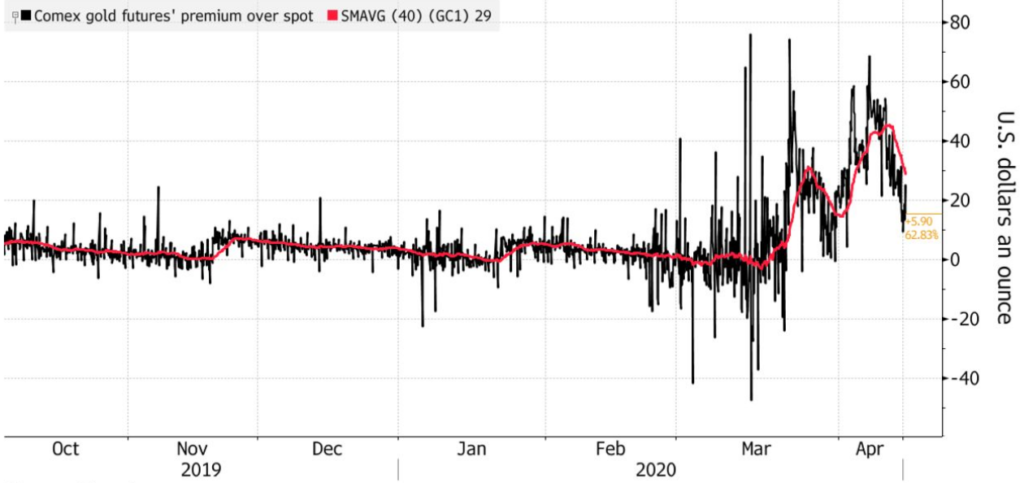
In his view, this creates a correlation risk: when confidence evaporates, both markets can experience sudden liquidity vacuums. Paper claims collapse, while only physically backed assets retain safe-haven demand.
This framing is particularly relevant for blockchain practitioners exploring asset-backed tokens or real-world asset (RWA) tokenization—highlighting why transparency and verifiable backing are not optional features, but existential requirements.
Scenario One: Bitcoin Falls Below $70,000
Burry’s first threshold is $70,000.
If Bitcoin breaks below this level decisively, he predicts widespread losses across the financial industry. Corporate holders of Bitcoin would be forced to recognize substantial unrealized losses, tightening risk controls and limiting access to capital markets.
A central example is Strategy (formerly MicroStrategy), led by Michael Saylor. According to Burry, Strategy could be facing over $4 billion in unrealized losses, effectively cutting it off from equity or debt financing.
Other firms holding Bitcoin on their balance sheets could see 15–20% valuation hits, prompting stricter treasury policies and reduced appetite for crypto exposure.
Scenario Two: Bitcoin Drops to $60,000 — Corporate Survival Risk
The second scenario is more severe.
At $60,000, Burry warns that Strategy itself could face a going-concern crisis. As the world’s largest corporate holder of Bitcoin, any forced liquidation of its holdings would create a massive supply shock.
Saylor previously noted that if the company’s mNAV (market net asset value) ratio were to fall below 1, liquidation could become a last resort. While framed as unlikely, Burry suggests that prolonged price weakness could turn theoretical safeguards into real-world triggers.

For investors chasing yield through corporate crypto exposure, this scenario underscores a key lesson: leverage amplifies conviction—but also fragility.
Scenario Three: Bitcoin at $50,000 — Mining Sector Collapse
The final scenario is the most destructive.
If Bitcoin falls to $50,000, Burry believes a wave of crypto mining bankruptcies becomes likely. Margins would collapse for miners with high energy costs or leveraged balance sheets, forcing them to liquidate Bitcoin reserves to survive.
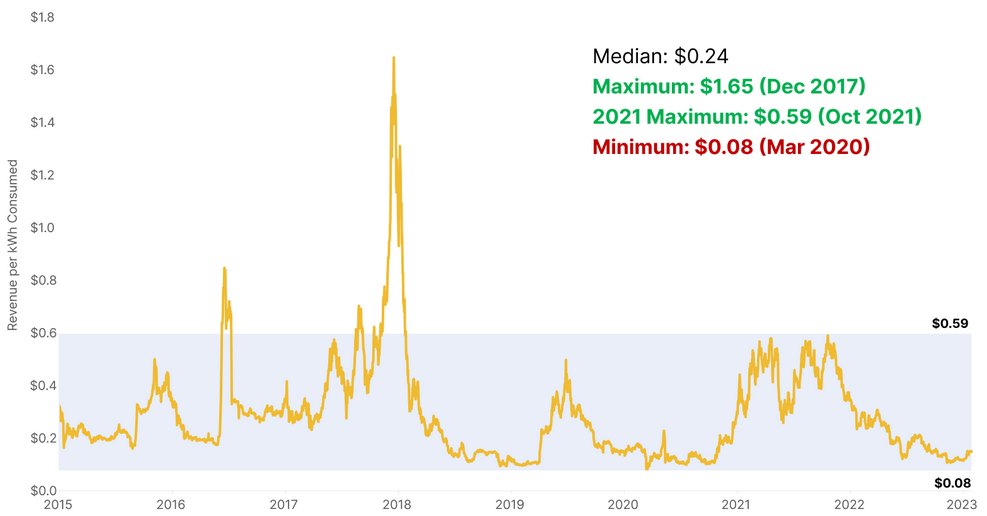
This creates a feedback loop: falling prices force miner selling, which drives prices even lower. Historically, miner capitulation has marked cycle bottoms—but in an environment of institutional leverage, it could also magnify systemic stress.
Broader Market Impact: From Crypto to Commodities
Burry extends his warning beyond crypto.
He envisions a scenario where precious metals futures markets experience devastating sell-offs as buyers vanish. Prices of paper gold and silver could collapse, while physical metals rise due to safe-haven demand.
This bifurcation highlights a broader theme relevant to blockchain adoption: trustless settlement and verifiable ownership are increasingly valuable in crises.
Burry’s Longstanding Skepticism of Crypto
It is important to note that Burry has long been a critic of cryptocurrencies. He has previously described Bitcoin as “worthless” and likened it to a modern tulip bubble.
Yet even skeptics can offer useful insights. His analysis focuses less on ideology and more on market plumbing—leverage, collateral, and forced selling.
For builders and investors alike, dismissing the warning outright may be as dangerous as overreacting to it.
What This Means for Crypto Investors and Builders
For readers seeking new crypto assets, yield opportunities, or practical blockchain use cases, Burry’s warning is not a death sentence—it is a filter.
- Speculative leverage-driven plays are the most vulnerable.
- Asset-backed, revenue-generating, or infrastructure-focused projects are more resilient.
- Risk management, transparency, and real cash flows matter more than narratives.
This is precisely where blockchain’s next phase may emerge: not as a speculative casino, but as financial infrastructure.
Conclusion: Crisis Warning or Catalyst for Maturity?
Michael Burry’s warning is stark, uncomfortable, and easy to dismiss—until it isn’t. History shows that systemic crises rarely emerge from obvious excess alone, but from interconnected leverage hidden in plain sight.
Whether Bitcoin triggers a new financial crisis or merely endures another brutal cycle remains uncertain. What is clear is that the crypto industry is no longer isolated. Its failures—and successes—now ripple outward.
For serious participants, this moment demands sobriety, not fear. Those who build and invest with structure, transparency, and realism may find that even in downturns, the foundations of the next opportunity are being laid.