Main Points :
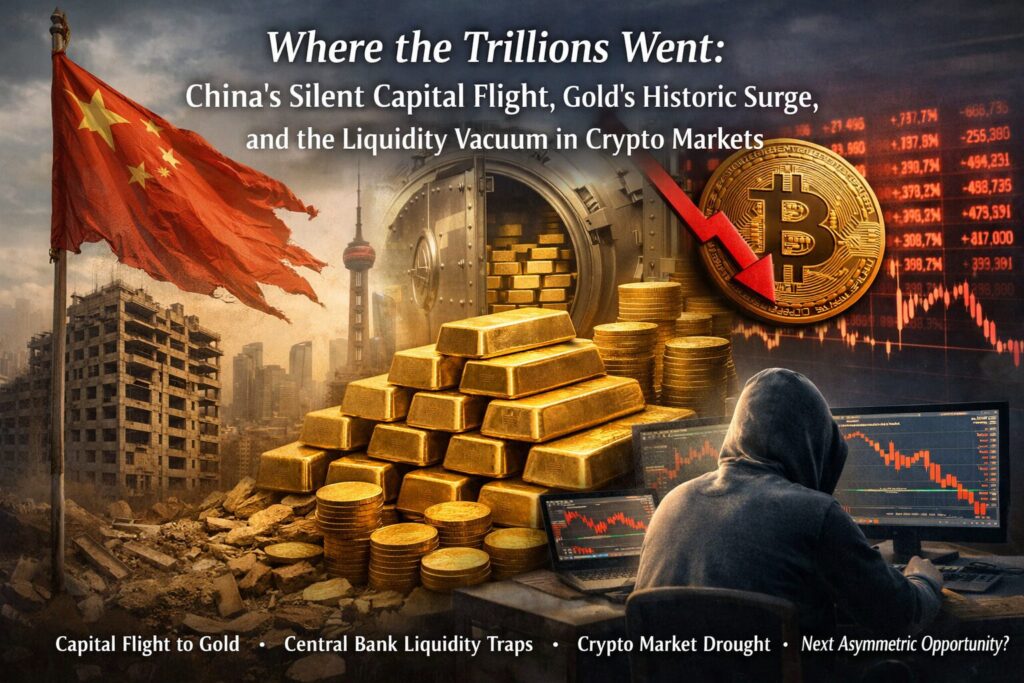
- China’s economic slowdown and real estate collapse are driving massive capital flight toward physical gold.
- Gold’s historic rally is not a coincidence but a defensive response to systemic distrust and liquidity tightening.
- Crypto markets are not “dead” but temporarily starved of liquidity as capital seeks safety.
- Central banks’ liquidity traps are accelerating the shift toward tangible, historically trusted assets.
- Toward 2026, capital is likely to rotate again—this time back into digital assets once fear subsides.
- Understanding liquidity cycles is essential for identifying the next asymmetric opportunity.
1. Gold Shines While Crypto Falls Silent: The Hidden Truth Behind China’s Capital Flight
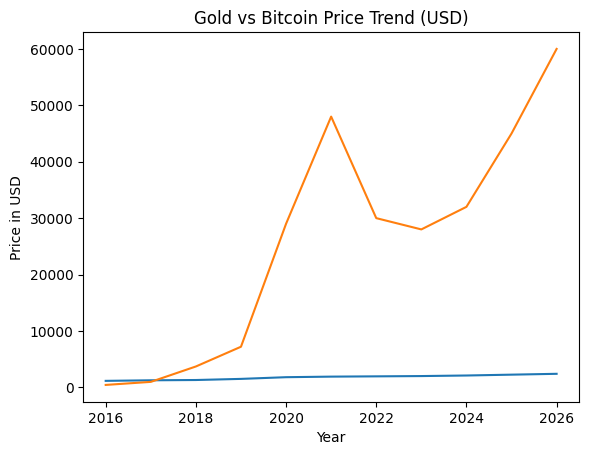
The historic surge in gold prices unfolding behind the scenes of the global economy, contrasted with the relative stagnation of crypto markets, is far from accidental. It is the visible surface of a far deeper structural shift in capital behavior—one driven largely by China and East Asia.
China’s prolonged real estate collapse has not merely triggered an economic downturn; it has shattered the collective belief that traditional domestic assets can reliably preserve wealth. For decades, property functioned as the default store of value for Chinese households. That assumption has now been irreversibly broken.
As confidence eroded, capital once chasing high returns in speculative arenas—particularly cryptocurrencies—began to retreat. But this was not a simple market rotation. It was a fear-driven migration toward survival-grade assets. And among all options, physical gold stands alone.
Gold’s appeal is not technological. It is psychological and historical. In moments when trust in systems erodes, investors instinctively choose weight over code, tangibility over abstraction. The preference for gold over crypto reflects not a rejection of innovation, but a profound distrust of financial infrastructure itself.
This migration is occurring on a scale far greater than what daily charts suggest. The liquidity leaving crypto markets is not destroyed—it is merely dormant, waiting in a different form. What appears as silence is, in reality, a gathering of energy.
Markets often become most dangerous—and most interesting—when they are quiet. The absence of volatility signals not stability, but compression. And compressed capital always seeks release.
2. Central Bank Liquidity Traps and the Historical Supremacy of Real Assets
According to cross-border capital flow analysis, global liquidity conditions are tightening in a synchronized manner. Central banks, facing persistent inflation and geopolitical fragmentation, have restricted money supply and manipulated interest rates in ways that systematically punish speculative assets.
In such an environment, capital does not behave rationally—it behaves defensively.
Digital assets, despite their long-term promise, are still perceived as system-dependent. They rely on infrastructure, exchanges, networks, and regulatory tolerance. Physical gold, by contrast, requires none of these.
China’s currency instability and property crisis have accelerated this instinctive shift among high-net-worth individuals. Gold purchases—both domestic and offshore—have surged, creating sustained upward pressure on prices in USD terms.
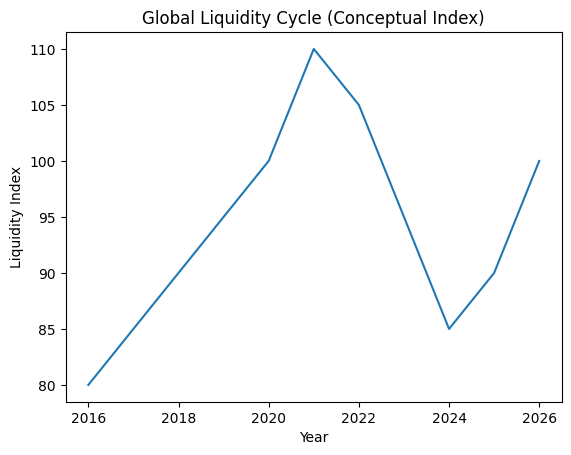
Crypto, once the primary outlet for speculative capital, has collided with a liquidity wall. The absence of fresh inflows has muted price action and reinforced bearish sentiment. Even Bitcoin, often described as “digital gold,” has temporarily lost the psychological battle against its physical counterpart.
But this is not a defeat—it is a pause.
Liquidity cycles are not linear. When defensive assets become overcrowded, marginal returns diminish. At that point, capital naturally begins searching for asymmetric upside once again.
Gold’s brilliance today is both a warning and a countdown. It signals systemic stress—but also marks the late stage of a defensive rotation.
3. Capital Rotation Toward 2026: When the Throne Changes Hands
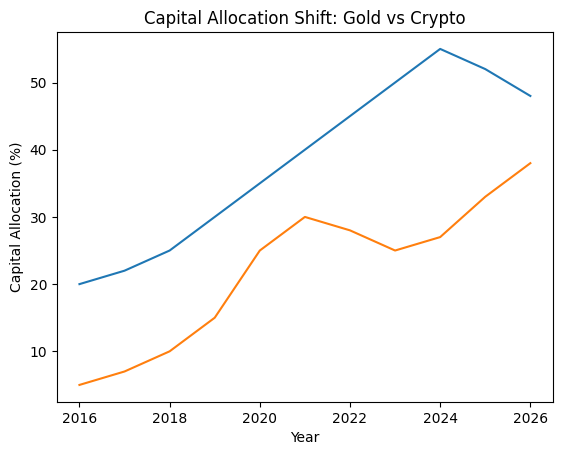
Value storage mechanisms—gold and digital assets—do not exist in isolation. They alternate dominance depending on fear, trust, and liquidity conditions.
Today, we are witnessing a rare moment where these two compete directly for the same fleeing capital. Gold is winning—for now.
But liquidity behaves like tides. What we are experiencing is an ebb, not the end of the ocean.
As China’s economic contraction stabilizes, fear will gradually give way to pragmatism. Once capital preservation feels secure, the natural human instinct to seek growth will return.
When that moment arrives, the capital currently parked in gold will not stay idle. It will seek speed, leverage, and scalability—qualities intrinsic to digital assets.
Crypto markets, having endured prolonged illiquidity, will be structurally primed for violent re-expansion. Those who interpret today’s stagnation as failure are mistaking silence for weakness.
History consistently rewards those who accumulate conviction during compression phases. The greatest gains are not made during euphoria, but during doubt.
The real opportunity lies not in admiring gold’s peak, but in anticipating what follows it.
Conclusion: Preparing for the Next Liquidity Supercycle
Capital movement is ruthless. It punishes emotional actors and rewards those who understand cycles.
Gold’s historic surge should not inspire envy—it should inspire analysis. Every defensive peak carries the seed of its own reversal.
As liquidity eventually re-enters global markets, the question will not be whether crypto revives, but who is positioned before it does.
We are standing in a rare moment of calm before structural reacceleration. Those who prepare now—quietly, rationally, without fear—will define the winners of the 2026 cycle.
The principles of capital never change. Only the stage does.