
Main Points :
- The total market capitalization of stablecoins has declined by approximately $2.24 billion over the past 10 days, signaling capital outflows from the crypto ecosystem.
- According to Santiment, this decline suggests investors are exiting to fiat or traditional safe-haven assets, rather than preparing to buy crypto dips.
- Gold and silver have significantly outperformed Bitcoin in recent months, reflecting a global shift toward risk-off assets.
- Historically, sustainable crypto market recoveries tend to begin only after stablecoin supply stabilizes and starts to grow again.
- Until stablecoin inflows resume, altcoins are likely to remain under pressure, while Bitcoin may show relative resilience.
- For investors seeking new crypto assets, yield opportunities, or practical blockchain use cases, stablecoin dynamics are now one of the most critical leading indicators to monitor.
1. Why Stablecoins Matter More Than Ever
Stablecoins have become the backbone of the modern cryptocurrency ecosystem. They function not merely as digital representations of fiat currency, but as liquidity reservoirs, trading settlement layers, and on-chain cash equivalents that enable capital to move efficiently across exchanges, DeFi protocols, and blockchain networks.
Unlike volatile assets such as Bitcoin or Ethereum, stablecoins are designed to maintain a constant value—typically pegged to the US dollar. As a result, changes in stablecoin supply often provide early signals of investor intent. When stablecoin market capitalization increases, it generally reflects capital entering the crypto ecosystem in anticipation of deployment. When it decreases, it often indicates capital exiting crypto entirely.
Recent data suggests that the market is currently experiencing the latter.
2. A $2.24 Billion Warning Signal from Stablecoins
According to data from Santiment, a leading crypto analytics platform, the total market capitalization of stablecoins has fallen by approximately $2.24 billion over the past 10 days.
[Stablecoin Market Capitalization Trend – Source: Santiment]
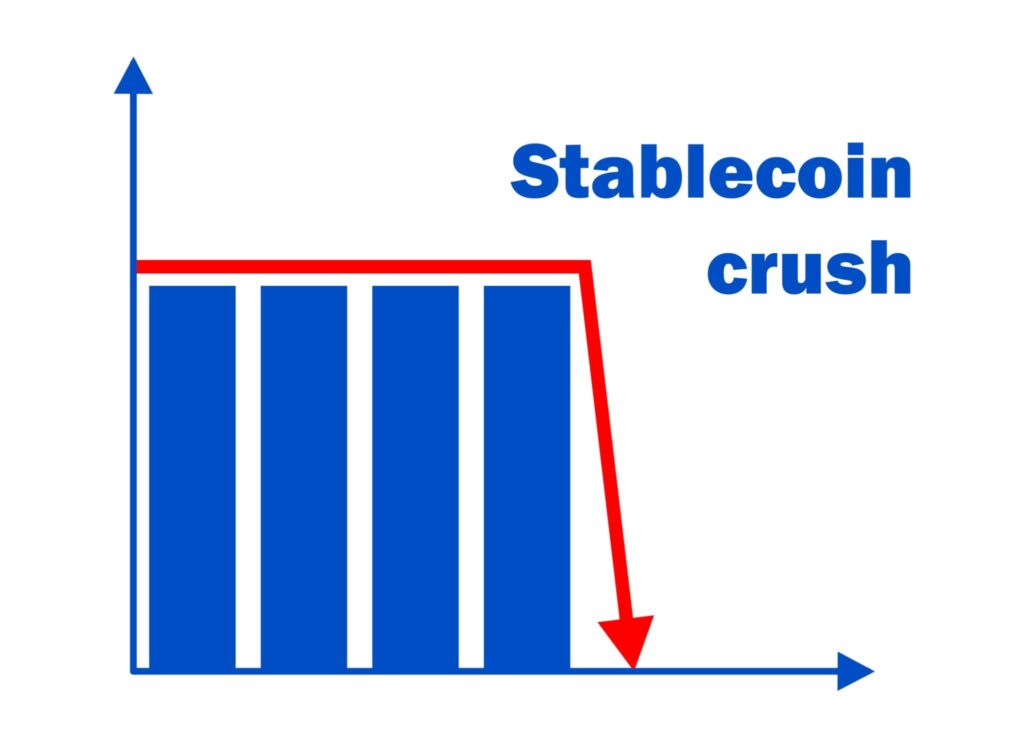
This contraction is significant not because of its absolute size alone, but because of what it represents behaviorally. Santiment interprets the decline as evidence that investors are not rotating into stablecoins to prepare for future crypto purchases. Instead, they are redeeming stablecoins into fiat currency, effectively withdrawing liquidity from the crypto ecosystem.
In previous bull-to-bear transitions, similar patterns have preceded prolonged consolidation phases or deeper corrections.
3. Capital Rotation Toward Gold and Silver
One of the most striking aspects of the current market environment is where the exiting capital is going.
Santiment notes that much of the withdrawn capital has flowed into traditional safe-haven assets, particularly gold and silver, both of which have surged to or near all-time highs.
[Gold and Silver Price Performance (USD)]
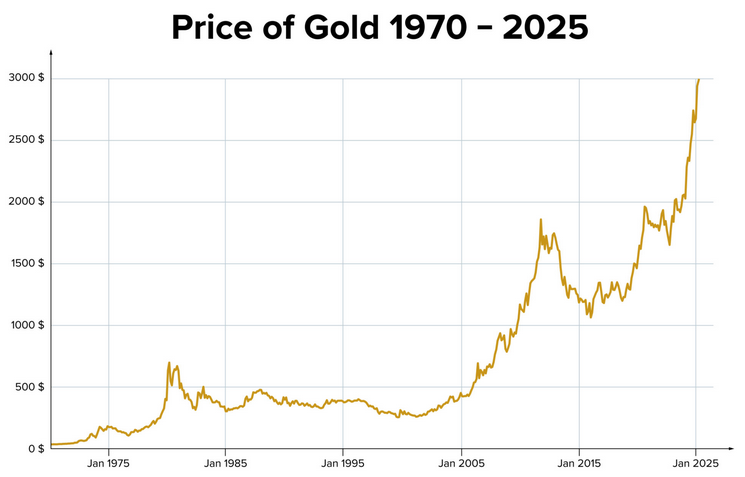
Gold has risen more than 20% in recent months, surpassing the psychologically significant $5,000 per ounce level. Silver, meanwhile, has more than doubled in total market value over a similar period.
This divergence underscores a broader macro narrative: investors are prioritizing capital preservation over risk-taking.
4. Bitcoin’s Sharp Reversal and the Leverage Unwind
Bitcoin had maintained a strong uptrend until October 10, 2025, when a sudden and aggressive deleveraging event occurred. On that day alone, approximately $19 billion in leveraged crypto positions were liquidated.
Bitcoin fell sharply from around $121,500 to below $103,000 in a single day. The decline did not stop there—Bitcoin eventually dropped as low as $88,080.
[Bitcoin Price and Liquidation Events (USD)]
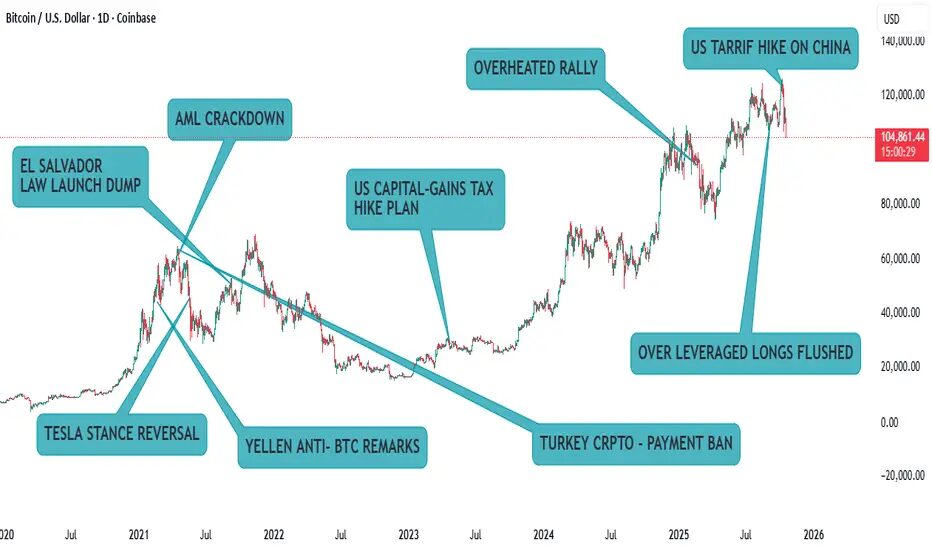
This event marked a decisive shift in market psychology. While Bitcoin attempted several short-term rebounds, the broader market failed to regain momentum—largely due to the continued contraction in stablecoin liquidity.
5. Tether, Gold, and a Hybrid Strategy
An especially noteworthy development is the behavior of major stablecoin issuers themselves. Tether, the issuer of USDT, has emerged as one of the largest buyers of gold globally in recent months.
In Q4 2025 alone, Tether reportedly purchased approximately 27 metric tons of gold, valued at around $4.4 billion.
This move highlights a fascinating hybrid strategy: while retail and institutional investors exit crypto risk, stablecoin issuers are diversifying reserves into traditional hard assets. This may enhance long-term confidence in stablecoin backing, but it does little to offset the immediate liquidity drain from the market.
6. Stablecoin Growth as a Precondition for Recovery
Santiment emphasizes a historically consistent pattern:
“Strong crypto market recoveries tend to begin only when stablecoin market capitalization stops declining and begins to rise again.”
This relationship makes intuitive sense. Stablecoin growth signals that new capital is entering the ecosystem, ready to be deployed into crypto assets. It also reflects renewed investor confidence and reduced preference for holding cash outside the blockchain environment.
Until such growth resumes, any market rally is likely to be fragile and short-lived.
7. Why Altcoins Suffer the Most
In periods of declining stablecoin supply, altcoins are disproportionately affected. These assets rely heavily on excess liquidity and risk appetite, both of which are currently constrained.
Bitcoin, as the most established and liquid crypto asset, tends to outperform altcoins during risk-off phases. However, even Bitcoin’s upside becomes limited when stablecoin inflows remain negative.
For investors seeking high-growth opportunities, this environment demands selectivity, patience, and a focus on fundamentals rather than speculative momentum.
8. Implications for Yield, Payments, and Real-World Use Cases
For readers interested in practical blockchain applications—such as payments, remittances, tokenized assets, and on-chain yield—the current stablecoin contraction carries mixed implications.
On one hand, reduced speculative activity can slow adoption metrics and DeFi volumes. On the other hand, infrastructure-focused projects and real-world asset (RWA) initiatives may benefit from a more disciplined capital environment.
Stablecoins remain central to these use cases, reinforcing the importance of monitoring supply trends not just for trading, but for ecosystem health.
9. What Investors Should Watch Next
Key indicators to monitor in the coming weeks include:
- Net issuance or redemption of major stablecoins (USDT, USDC, etc.)
- On-chain transfer volumes involving stablecoins
- Correlation shifts between Bitcoin and traditional safe-haven assets
- Regulatory or institutional developments affecting stablecoin usage
- Signs of capital re-entering DeFi or centralized exchanges
A sustained reversal in stablecoin market capitalization would likely mark the earliest credible signal of a broader crypto recovery.
Conclusion: Stablecoins as the Market’s Pulse
The recent $2.24 billion decline in stablecoin market capitalization is more than a statistical footnote—it is a reflection of global risk sentiment, macroeconomic uncertainty, and investor psychology.
As capital flows into gold and silver and away from crypto, the market remains in a defensive posture. History suggests that meaningful recovery will not begin until stablecoin supply stabilizes and begins to grow once more.
For those seeking the next generation of crypto assets, revenue opportunities, or practical blockchain applications, stablecoin dynamics are no longer a secondary metric—they are the pulse of the entire ecosystem.