
Main Points :
- The Netherlands plans to introduce a new Box 3 tax system from January 1, 2028, taxing both realized and unrealized gains on Bitcoin and other investment assets.
- Unlike previous systems based on assumed returns, the new regime taxes actual annual changes in asset value, including assets that were never sold.
- A flat 36% tax rate will apply to net gains above approximately $2,000 per person, with loss carryforwards allowed.
- Crypto investors—especially long-term Bitcoin holders—face liquidity pressure, as tax liabilities may arise without any cash inflow.
- The policy could influence capital migration, custody strategies, DeFi usage, and the geographic competitiveness of crypto hubs in Europe.
1. Introduction: A Quiet Tax Reform With Global Implications
In recent years, governments across Europe have struggled to reconcile traditional tax frameworks with the realities of digital assets. Bitcoin does not behave like a bond, a dividend-paying stock, or a savings account. Its value fluctuates dramatically, often without producing any cash income.
Against this backdrop, the Netherlands is preparing one of the most consequential tax reforms for crypto investors in Europe. Under a new legal framework known as “Wet werkelijk rendement Box 3”, the Dutch parliament plans to tax unrealized gains on Bitcoin and other investment assets starting in 2028.
This move places the Netherlands at the forefront of a broader global debate:
Should governments tax wealth based on market value, even if no sale has occurred?
For crypto investors, builders, and blockchain entrepreneurs, the answer could reshape portfolio design, custody decisions, and even where companies choose to operate.
2. What Is the New Box 3 System? From Fictional Returns to Real Performance
Under the current Box 3 regime, Dutch investors are taxed based on assumed (fictional) returns, rather than what they actually earned. Courts have repeatedly ruled this system unfair, especially in low-interest environments where assumed returns exceeded real gains.
The new Box 3 system aims to correct this by taxing actual annual performance, calculated as:
- Asset value at the beginning of the year
- Asset value at the end of the year
- Plus any income received during the year
The difference becomes the taxable base.
Importantly, this applies regardless of whether the asset was sold.
Assets Covered
- Bitcoin and other cryptocurrencies
- Stocks and ETFs
- Bonds
- Other investment assets
From 2028 onward, holding Bitcoin in a cold wallet will not exempt investors from taxation.
3. Tax Rates, Thresholds, and Loss Treatment
The proposed framework includes the following key parameters:
- Tax-free threshold: approximately $2,000 per individual
- Flat tax rate: 36% on net gains above the threshold
- Loss carryforward: losses can be offset against future gains
This structure appears neutral on paper, treating crypto, equities, and bonds equally. However, the economic reality of crypto volatility makes the impact far from neutral.
4. Why Unrealized Gains Matter More for Bitcoin Than for Stocks
Unrealized gains are not new in theory, but Bitcoin amplifies their effects.
Consider a Bitcoin holder who bought BTC at $20,000. By December 31, the price reaches $60,000. Under the new system:
- The $40,000 increase is considered taxable income
- The investor owes tax even if no BTC was sold
- If the price later crashes to $30,000, the tax may already be due
This creates a mismatch between tax obligations and liquidity.
【Bitcoin price volatility compared with traditional assets】
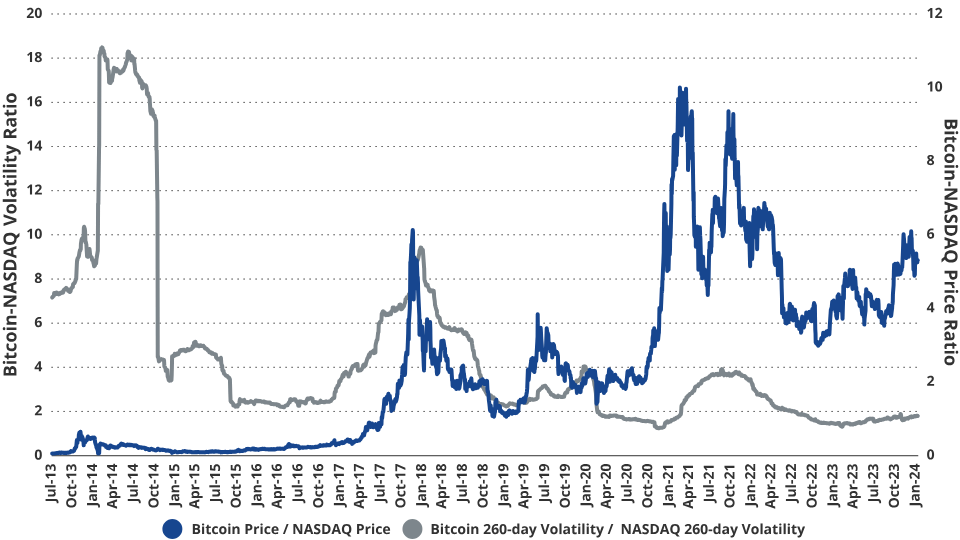
For long-term holders who deliberately avoid selling, this system introduces forced decision points unrelated to investment conviction.
5. Liquidity Risk: The Core Criticism
Critics argue that taxing unrealized gains creates a structural liquidity problem.
Bitcoin does not generate dividends. Unlike stocks, there is no cash flow to fund tax payments. As a result:
- Investors may need to sell Bitcoin purely to pay taxes
- Long-term strategies are disrupted
- Market selling pressure may increase near year-end
For high-net-worth individuals or funds, this may lead to financial engineering solutions. For retail holders, it may simply lead to exit.
6. Why the Dutch Government Is Pushing Forward Anyway
From the government’s perspective, the reform is driven by three motivations:
- Legal compliance: Courts ruled the old Box 3 system unconstitutional.
- Fairness narrative: Taxing real returns is presented as more equitable.
- Modernization: Digital assets are now too large to ignore.
Supporters argue that unrealized gains already represent real economic power. If wealth increases, the ability to pay increases—at least in theory.
7. How This Compares Globally: Is the Netherlands an Outlier?
Globally, most countries tax crypto only upon realization (sale or exchange). However, momentum is shifting:
- Some EU policymakers are exploring wealth-based taxation
- Discussions around mark-to-market taxation are growing
- Reporting standards for crypto holdings are tightening
The Netherlands may become a test case. If capital flight occurs, other countries may hesitate. If compliance is smooth, similar regimes could spread.
8. Strategic Implications for Crypto Investors
For readers seeking new opportunities and sustainable returns, this reform signals several strategic shifts:
Portfolio Structuring
- Greater use of loss harvesting
- Diversification across jurisdictions
- Rebalancing timing near year-end
Custody and Structure
- Increased interest in corporate holding structures
- Potential migration to jurisdictions with realization-based taxation
- Sophisticated accounting becomes essential
DeFi and Yield
- Demand for on-chain yield may increase to fund tax obligations
- Staking and lending returns gain strategic importance
9. Implications for Blockchain Businesses and Startups
For crypto startups, especially those building in Europe, the implications are broader:
- Talent and founders may reconsider Dutch residency
- Treasury management becomes more complex
- Jurisdictional arbitrage becomes part of business strategy
Countries competing to become crypto hubs will watch this experiment closely.
10. Visual Overview of the New Tax Mechanism
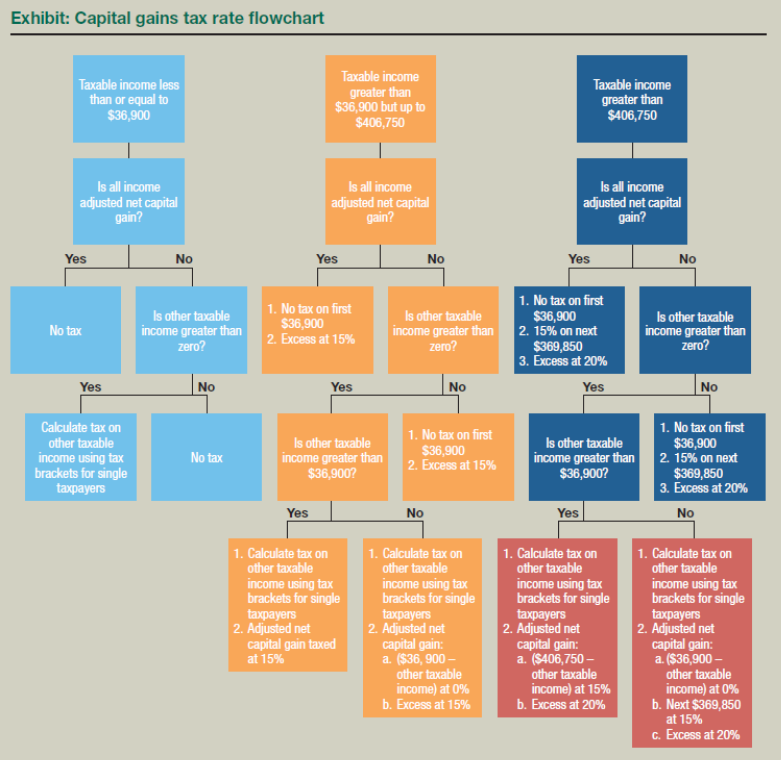
【How unrealized gains are calculated under the new Box 3 system】
11. Looking Ahead: What Happens Between Now and 2028?
Several variables remain unresolved:
- Final legislative wording
- Transitional relief measures
- Administrative guidance for crypto valuation
- Potential legal challenges
Investors have time—but not unlimited time—to prepare.
12. Conclusion: A Turning Point for Crypto Taxation
The Netherlands’ decision to tax unrealized Bitcoin gains marks a fundamental shift in how governments view digital assets. Bitcoin is no longer treated as a speculative fringe asset, but as taxable wealth subject to annual measurement.
For investors and builders, the lesson is clear:
Crypto strategy can no longer be separated from tax and jurisdictional strategy.
Those who adapt early—through structure, planning, and yield-aware design—may find new opportunities even in a stricter regulatory environment. Those who do not may face forced decisions at the worst possible times.
The Box 3 reform is not just a Dutch issue. It is a preview of the next phase of crypto’s integration into the global financial system.