Main Points :
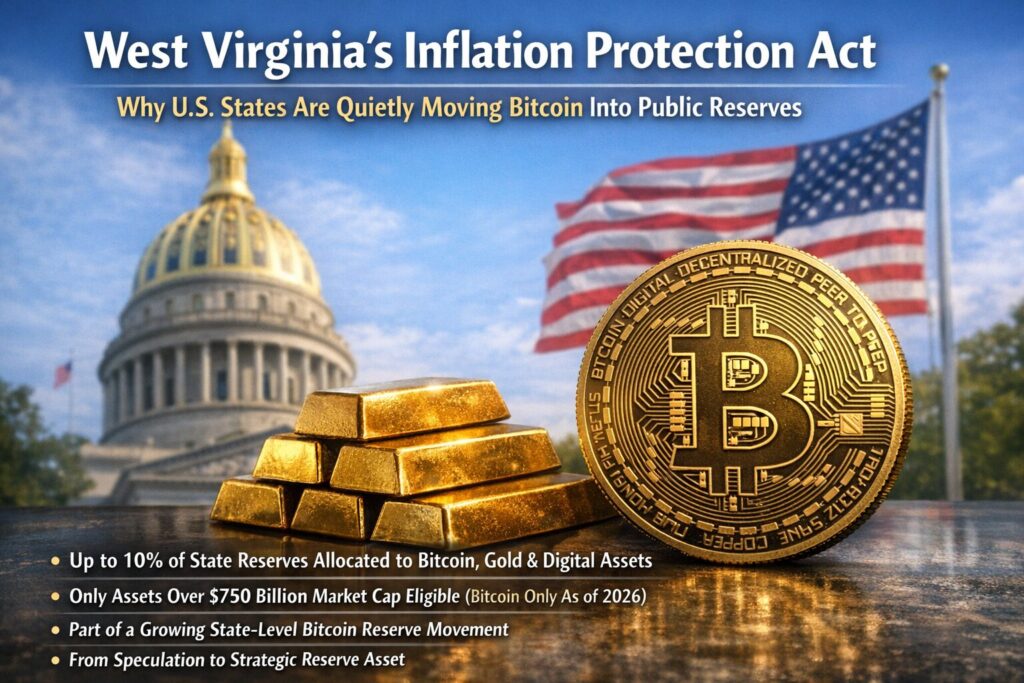
- West Virginia has proposed allowing up to 10% of state reserves to be allocated to Bitcoin, gold, and approved digital assets as an inflation hedge.
- Only digital assets with a market capitalization exceeding $750 billion are eligible—effectively limiting the option to Bitcoin alone as of January 2026.
- The proposal aligns with a growing state-level Bitcoin reserve movement across the United States, led by Texas, Arizona, and New Hampshire.
- States are framing Bitcoin not as speculation, but as strategic reserve infrastructure, similar to gold.
- The initiative signals a structural shift in how governments view digital assets: from regulatory risk to macroeconomic tool.
1. West Virginia’s Inflation Protection Act Explained
On January 15, 2026, State Senator Chris Rose of West Virginia introduced Senate Bill 143, officially titled the Inflation Protection Act, to the state legislature.
The bill authorizes the West Virginia State Treasury to allocate a portion of state-held funds into assets designed to preserve purchasing power during inflationary periods. These assets include:
- Bitcoin (BTC)
- Precious metals such as gold, silver, and platinum
- Regulator-approved stablecoins
The allocation cap is set at 10% of total state reserves, ensuring that the majority of funds remain in traditional low-risk instruments while still allowing meaningful diversification.
At the time of writing, the bill is under review by the Banking and Insurance Committee, and its political outcome remains uncertain. Nevertheless, its structure reflects a growing sophistication in how state governments approach digital assets.
2. Why Only Bitcoin Qualifies (For Now)
A critical feature of the bill is its market capitalization requirement. To qualify, a digital asset must have exceeded $750 billion in market value during the previous year.
As of January 2026, only Bitcoin meets this threshold.
This design is intentional. By using market capitalization as a proxy for liquidity, resilience, and systemic importance, the bill effectively excludes volatile or experimental tokens while focusing on assets with global monetary relevance.
In practice, this transforms Bitcoin from a “crypto asset” into a digital macro-asset, placing it in the same conceptual category as gold rather than as a technology bet.
3. Custody, ETFs, and Institutional-Grade Safeguards
The bill does not require West Virginia to self-custody digital assets directly. Instead, it permits holdings through:
- Qualified custodians
- Exchange-traded funds (ETFs)
- Secure, audited custody solutions
This is a crucial distinction. By allowing ETFs and professional custodians, the state avoids operational risks related to private key management while still gaining economic exposure.
Stablecoins, meanwhile, are restricted to those explicitly approved by U.S. federal or state regulators, reinforcing the bill’s emphasis on compliance-first adoption.
4. The Broader U.S. State-Level Bitcoin Reserve Movement
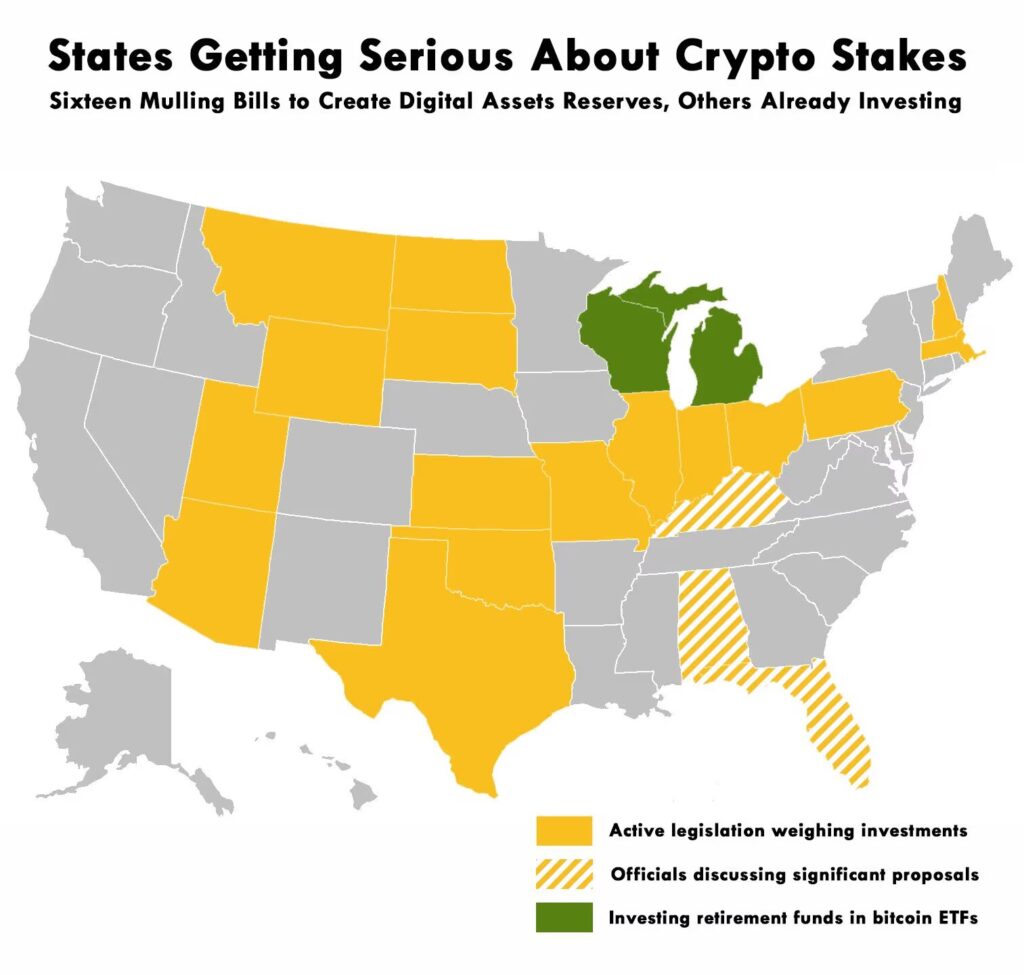
West Virginia’s proposal is not an isolated experiment. It is part of a broader national trend toward state-level Bitcoin reserves.
States That Have Passed Bitcoin Reserve Laws (2025)
- New Hampshire
- Arizona
- Texas
Among these, Texas stands out as the only state to have actually deployed capital, allocating $10 million to Bitcoin reserves in June 2025.
This marks a turning point: Bitcoin is no longer merely authorized—it is being operationalized within public finance. ⬇ Insert Chart 1 Here
U.S. States Adopting Bitcoin Reserve Policies (2024–2026)
5. Bitcoin as a Modern Inflation Hedge
State governments are increasingly concerned about:
- Persistent inflation
- Long-term currency debasement
- Rising sovereign debt levels
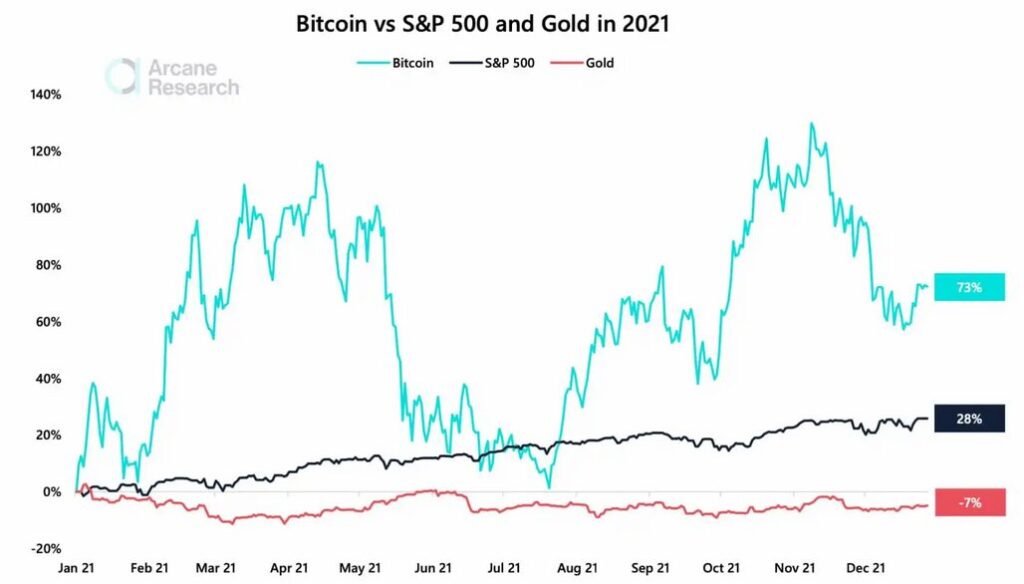
Bitcoin’s fixed supply of 21 million coins positions it as a digital counterpart to gold—yet with instant global liquidity, 24/7 settlement, and no physical storage costs.
For public treasuries, Bitcoin offers:
- Non-sovereign monetary exposure
- Portfolio diversification
- Hedge characteristics uncorrelated with fiat currencies
This explains why states frame Bitcoin not as a speculative investment, but as financial insurance. ⬇ Insert Chart 2 Here
Bitcoin vs. Gold as Inflation Hedges (Historical Comparison)
6. Political Caution and Legislative Reality
Despite the economic logic, Senator Rose’s bill faces political uncertainty. Some lawmakers remain skeptical of digital assets due to:
- Price volatility concerns
- Political optics around “crypto”
- Misunderstandings of custody and risk controls
However, the careful construction of the bill—strict caps, conservative eligibility rules, and institutional custody—suggests a deliberate effort to de-risk the narrative.
Even if the bill does not pass in its current form, it establishes a legislative template that other states can refine and adopt.
7. Implications for Investors and Blockchain Practitioners
For investors, this trend signals a deeper transformation:
- Bitcoin is increasingly treated as public infrastructure, not a fringe asset.
- State adoption strengthens long-term legitimacy and liquidity.
- Regulatory clarity at the state level reduces existential risk.
For blockchain practitioners, the message is equally clear:
The future of crypto adoption will be driven not only by retail or startups, but by treasuries, pension funds, and public institutions.
Final Thoughts: From Experiment to Policy Tool
West Virginia’s Inflation Protection Act represents more than a single bill. It reflects a paradigm shift in public finance.
Bitcoin is no longer merely regulated—it is being integrated.
As inflation pressures persist and fiscal constraints tighten, governments are quietly searching for alternatives. In that context, Bitcoin’s emergence as a reserve candidate may prove not radical, but inevitable.