Main Points :
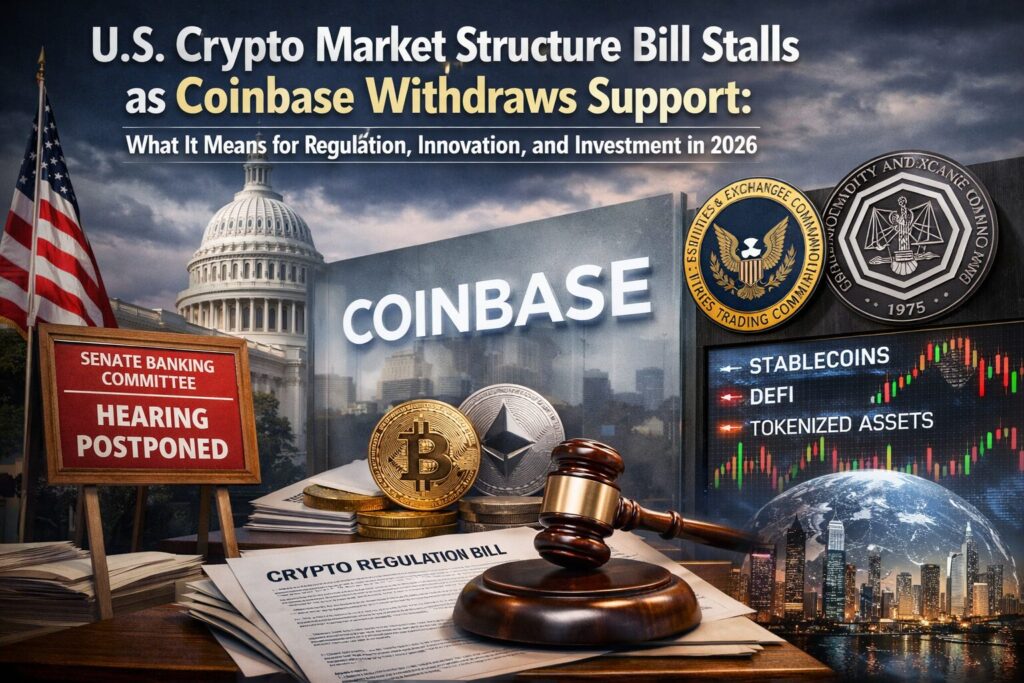
- The U.S. Senate Banking Committee postponed a critical hearing on a crypto market structure bill after Coinbase withdrew its support, exposing unresolved policy tensions.
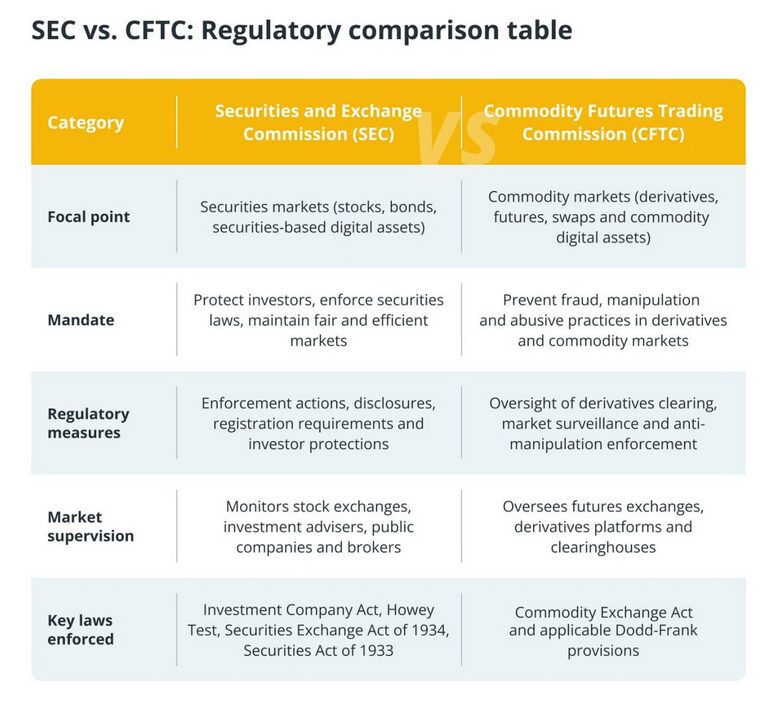
- The bill aimed to clarify jurisdiction between the SEC and CFTC, define when digital assets are securities or commodities, and introduce new disclosure obligations.
- Coinbase’s concerns focus on restrictions around stablecoin yield, tokenized equities, DeFi KYC mandates, and a perceived tilt toward SEC authority.
- Despite the setback, other industry groups remain supportive, and parallel Senate Agriculture Committee efforts may keep momentum alive.
- For investors and builders, the episode underscores regulatory uncertainty in the U.S. while highlighting near-term opportunities in compliant stablecoins, infrastructure, and global arbitrage.
Introduction: A Pivotal Week for U.S. Crypto Policy
In mid-January 2026, a carefully choreographed legislative push to modernize U.S. crypto market regulation abruptly hit the brakes. The U.S. Senate Banking Committee delayed a scheduled hearing on a long-anticipated market structure bill after Coinbase—America’s largest publicly listed crypto exchange—rescinded its support. What appeared to be a procedural delay quickly revealed deeper disagreements over how digital assets should be governed, who should regulate them, and which business models should be permitted in the next phase of blockchain adoption.
For readers searching for new crypto assets, revenue opportunities, and practical blockchain applications, this episode is more than political theater. It signals how regulatory contours may shape product design, capital allocation, and competitive dynamics in 2026 and beyond.
Background: What the Senate Banking Committee Was Trying to Do
The postponed hearing was to be held by the U.S. Senate Banking Committee, which oversees banking, securities, and financial markets. The draft bill, released publicly on January 14 and amended the following evening, sought to address long-standing ambiguity by:
- Clarifying jurisdiction between the Securities and Exchange Commission and the Commodity Futures Trading Commission.
- Defining digital assets as securities or commodities based on functional and economic characteristics.
- Establishing disclosure standards for issuers and intermediaries, particularly for trading platforms.
- Creating a pathway for innovation while enhancing investor protection.
The hearing had been scheduled for the morning of January 16, with amendments and a committee vote expected shortly thereafter. Senate Banking Committee Chair Tim Scott emphasized bipartisan engagement and ongoing consultation with industry and financial stakeholders, expressing optimism that good-faith negotiations could yield progress.
The Sudden Shift: Why Support Began to Fracture
Momentum faltered on January 15. Senator Ruben Gallego, a Democrat on the committee, announced that a planned meeting with a White House digital assets adviser had been canceled and stated he could not support the bill in its current form. This raised early doubts about whether bipartisan backing was sufficiently solid.
The more consequential blow came hours later when Coinbase formally withdrew its support. Given Coinbase’s prominence as a regulated, publicly traded exchange with millions of U.S. users, its stance carries outsized influence in Washington policy debates.
Coinbase’s Position: A Detailed Objection
Coinbase CEO Brian Armstrong explained that after approximately 48 hours of reviewing the draft, the company could not endorse the bill “in its current form.” His objections centered on four core areas:
- Stablecoin Yield Restrictions
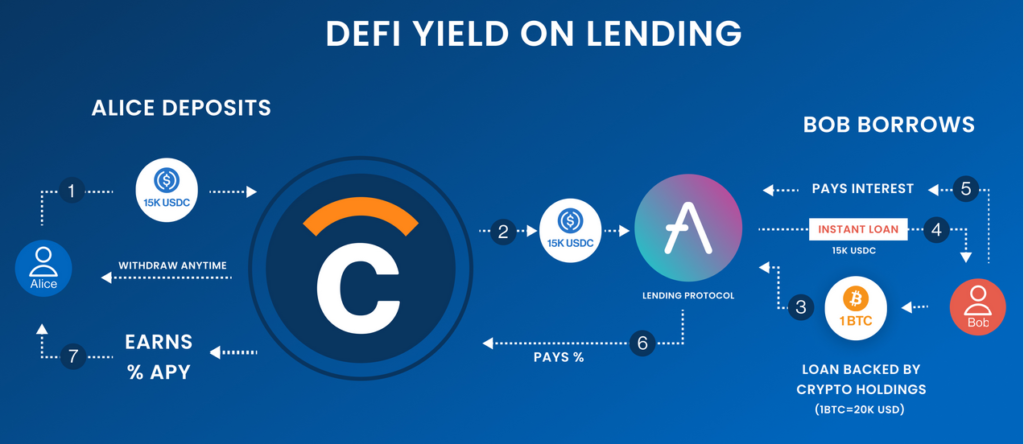
The bill appeared to limit or prohibit certain yield-bearing stablecoin structures. For exchanges and fintech firms, stablecoin rewards are a key on-ramp product that competes with traditional savings accounts, especially in a higher interest-rate environment. - Tokenized Equity Constraints
Armstrong argued that the draft effectively banned or severely constrained tokenized stocks—blockchain-based representations of equities that promise faster settlement, fractional ownership, and global access. - DeFi KYC Requirements
Proposed know-your-customer obligations for decentralized finance protocols risked rendering permissionless systems non-compliant by design. According to Coinbase, this could criminalize open-source software and push innovation offshore. - Regulatory Balance Between SEC and CFTC
The company warned that the bill weakened the CFTC’s role while reinforcing SEC dominance, perpetuating uncertainty rather than resolving it.
Armstrong summarized his view starkly: a bad bill is worse than no bill, though he emphasized that continued dialogue could still lead to a constructive outcome.
Industry Reaction: Not All Voices Align with Coinbase
Despite Coinbase’s reversal, several other crypto firms, advocacy groups, and trade associations reiterated their support for the legislation. They argued that imperfect clarity is preferable to the status quo, where enforcement actions often substitute for clear rules.
These groups pledged to work toward passage in 2026, signaling that Coinbase does not speak for the entire industry. This divergence highlights a maturing ecosystem in which business models—and regulatory preferences—are increasingly heterogeneous.
The Parallel Track: Senate Agriculture Committee and Legislative Process
While the Banking Committee paused, the Senate Agriculture Committee—traditionally responsible for commodities oversight—announced plans to hold its own crypto-related hearing later in January. Ultimately, both committees’ bills would need to be reconciled into a single Senate package.
After Senate approval, the legislation would be harmonized with a House version before being sent to the White House for signature by Donald Trump. Each step introduces opportunities for amendment, delay, or dilution, making the legislative timeline inherently uncertain.
Market Implications: What This Means for Investors
Regulatory Uncertainty as a Short-Term Risk
The immediate effect of the delay is continued ambiguity. U.S.-based projects may hesitate to launch new products involving stablecoin yield, tokenized securities, or DeFi integrations until clearer guidance emerges. This can suppress valuations for compliance-heavy ventures in the near term.
Offshore and Global Arbitrage Opportunities
Historically, regulatory pauses in the U.S. have coincided with accelerated innovation in other jurisdictions. Regions with clearer frameworks—such as parts of Asia and the Middle East—may attract talent and capital, creating arbitrage opportunities for globally oriented investors.
Focus on Infrastructure and “Pick-and-Shovel” Plays
When policy is uncertain, foundational infrastructure—custody, compliance tooling, blockchain analytics, and cross-chain settlement—often outperforms consumer-facing applications. These services remain essential regardless of which regulatory philosophy prevails.
Practical Blockchain Use Cases Still Advancing
Despite legislative headwinds, several application areas continue to mature:
- Payments and Remittances using dollar-denominated stablecoins for faster settlement.
- Tokenization of Real-World Assets beyond equities, such as funds, treasuries, and commodities.
- Enterprise Blockchain for reconciliation, auditability, and supply-chain finance.
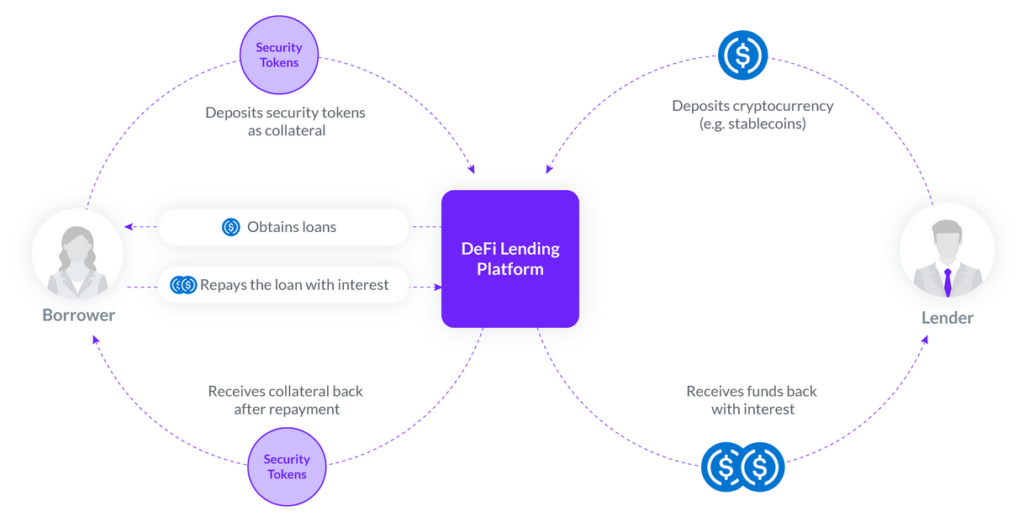
- Compliance-Aware DeFi that blends on-chain efficiency with selective identity layers.
Strategic Outlook for 2026
The postponement of the Senate Banking Committee hearing does not signal the end of U.S. crypto legislation. Rather, it underscores how difficult it is to reconcile innovation with legacy regulatory frameworks. For market participants, the key is adaptability:
- Builders should design modular products that can toggle features on or off based on jurisdiction.
- Investors should diversify geographically and across the value chain.
- Institutions should engage proactively with policymakers to ensure technical realities are understood.
Conclusion: A Delay, Not a Defeat
Coinbase’s withdrawal of support has slowed—but not stopped—the march toward a comprehensive U.S. crypto market structure law. The coming months will likely feature intense negotiation, revised drafts, and continued debate over the balance between protection and progress.
For those seeking new crypto assets, emerging revenue streams, and practical blockchain applications, the lesson is clear: regulatory uncertainty is not merely a risk to be avoided but a signal to look for resilient models that can thrive across multiple policy outcomes. The eventual resolution—whenever it arrives—will reshape the industry, but the underlying momentum toward tokenization, programmable finance, and global digital markets remains intact.