Main Points :
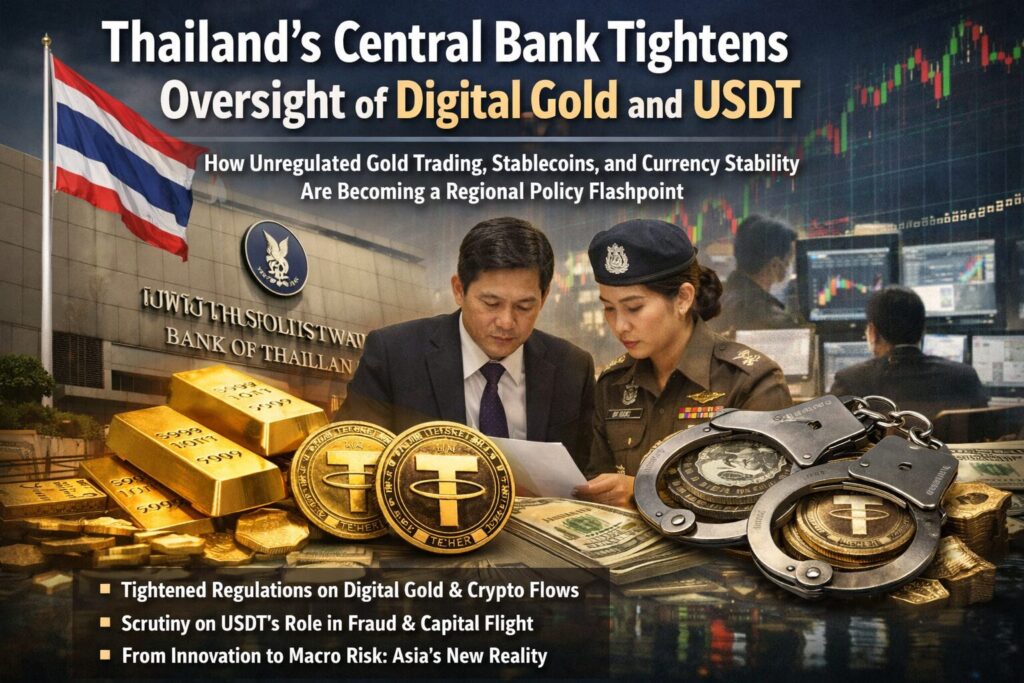
- Thailand’s central bank has identified unregulated digital gold trading as a major structural source of baht volatility, linked to large-scale dollar selling by gold shops.
- Authorities plan unprecedented interventions, including mandatory transaction reporting, possible volume caps for large players, and closer supervision of crypto-related flows.
- USDT (Tether) is increasingly under global scrutiny due to its role in fraud, sanctions evasion, and cross-border capital movement, reinforcing Thailand’s regulatory urgency.
- These moves signal a broader shift in Asia: stablecoins and tokenized commodities are no longer treated as peripheral innovations, but as macroeconomic risk factors.
- For investors and blockchain practitioners, the developments clarify where opportunities exist—and where regulatory boundaries are hardening.
Introduction: From Market Observation to Direct Intervention
In early 2026, Thailand entered a new phase of monetary and financial oversight. According to local media reports cited by CoinPost, the Bank of Thailand has moved beyond analysis and monitoring, announcing direct measures to confront what it sees as structural threats to long-term macroeconomic stability.
At the center of this shift is an unexpected culprit: a vast, largely unregulated digital gold trading market, intertwined with stablecoins such as USDT, and linked to large-scale dollar conversions that amplify volatility in the Thai baht. What was once viewed as a niche intersection of traditional gold commerce and digital finance has, according to the central bank, grown to a scale equivalent to 50–60% of Thailand’s GDP—a figure Governor Vitai Ratanakorn described simply as “huge.”
This article expands on the original report by placing Thailand’s actions in a global context, examining recent enforcement cases, and exploring what this tightening means for investors, stablecoin issuers, and blockchain-based financial infrastructure.
Thailand’s Digital Gold Market: Scale Without Structure
Why Digital Gold Matters to the Baht
Thailand has a long cultural and economic relationship with physical gold. Gold shops are deeply embedded in daily commerce, functioning not only as jewelry retailers but also as informal liquidity providers. Over the past decade, many of these businesses have layered digital gold trading platforms on top of traditional operations, enabling rapid buying, selling, and hedging—often settled in foreign currency or via crypto rails.
The Bank of Thailand now argues that this hybrid market has become a systemic channel for foreign exchange pressure. When gold shops sell large amounts of dollars to rebalance inventories or hedge exposure, the cumulative effect can materially move the baht—especially when such transactions fall outside comprehensive reporting requirements.
Governor Ratanakorn, speaking at the KKP Year Ahead 2026 seminar on January 8, emphasized that the issue is not isolated speculation, but structural opacity. Without visibility into volumes, counterparties, and settlement mechanisms, the central bank cannot accurately assess or mitigate risk.
Planned Regulatory Measures
The central bank has requested expanded authority from Thailand’s Ministry of Finance to regulate gold transactions that materially affect the baht. Measures under consideration include:
- Mandatory reporting of large or suspicious gold-related transactions.
- Enhanced oversight of currency exchange services and e-wallet operators.
- Possible transaction volume limits for dominant market participants.
- Formal inclusion of crypto and stablecoin flows linked to gold trading in supervisory frameworks.
These measures are expected to be implemented by late January, signaling a rapid policy response rather than a prolonged consultation process.
Stablecoins Under the Microscope: Why USDT Is Central to the Debate
Global Enforcement Trends
Thailand’s focus on USDT does not exist in isolation. Globally, stablecoins—particularly dollar-pegged tokens—are increasingly entangled in enforcement actions.
On January 8, authorities in Massachusetts filed a civil forfeiture action seeking the seizure of more than $200,000 in USDT, alleged to be proceeds of an online crypto investment scam. The case reflects a broader trend: stablecoins are now frequently treated as traceable, seizable instruments, rather than anonymous cash equivalents.
Blockchain analytics firm Chainalysis reports that crypto-related crime surged 162% in 2025, with illicit addresses receiving at least $154 billion in value, all expressed here in U.S. dollar terms. Stablecoins, due to their liquidity and dollar parity, have played an outsized role in these flows.
Asset Freezes and Issuer Cooperation
Further reinforcing regulatory concerns, blockchain monitoring service Whale Alert reported on January 11 that approximately $180 million in USDT on the TRON blockchain had been frozen. Tether confirmed that the action was taken in response to formal requests from multiple law enforcement agencies.
Tether has publicly stated that it has cooperated with over 310 law enforcement agencies across 62 jurisdictions, freezing more than $3 billion worth of USDT linked to investigations. While this cooperation underscores the controllability of centralized stablecoins, it also raises questions about counterparty risk for users who rely on them as neutral settlement assets.
Sanctions, Geopolitics, and the Stablecoin Question
Lessons From Venezuela
The regulatory spotlight intensified further after the Wall Street Journal reported on January 10 that Venezuela’s state oil company had used USDT to facilitate payments designed to evade international sanctions during the Maduro era.
For central banks, such cases are not merely geopolitical anecdotes—they illustrate how stablecoins can function as parallel settlement systems, bypassing traditional correspondent banking networks. For Thailand, a country deeply integrated into global trade and capital markets, allowing similar mechanisms to grow unchecked poses reputational and financial risks.
Visual Context: How Digital Gold and Stablecoins Interact
[“Flow of Funds in Thailand’s Digital Gold Market”]
A diagram illustrating how funds move from gold shops to foreign currency markets, through stablecoins such as USDT, and back into domestic liquidity.
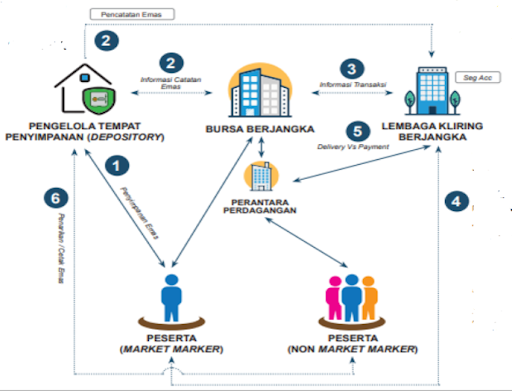
This simplified flow highlights why regulators view digital gold and stablecoins as a single ecosystem rather than separate markets.
Implications for Investors and Blockchain Practitioners
Risks
- Regulatory Compression: Rapid implementation leaves little adjustment time for platforms operating in gray areas.
- Liquidity Shifts: Volume caps or reporting requirements may reduce short-term liquidity in gold-linked products.
- Issuer Risk: Centralized stablecoins can be frozen or blacklisted, affecting treasury and settlement strategies.
Opportunities
- Compliant Tokenization: Properly regulated, on-chain gold products could gain legitimacy and institutional adoption.
- RegTech and Reporting Infrastructure: Demand will grow for systems that automate compliance, transaction monitoring, and auditability.
- Alternative Settlement Models: Interest may increase in decentralized or overcollateralized stable assets that reduce single-issuer risk.
Visual Comparison: Regulatory Intensity Across Regions
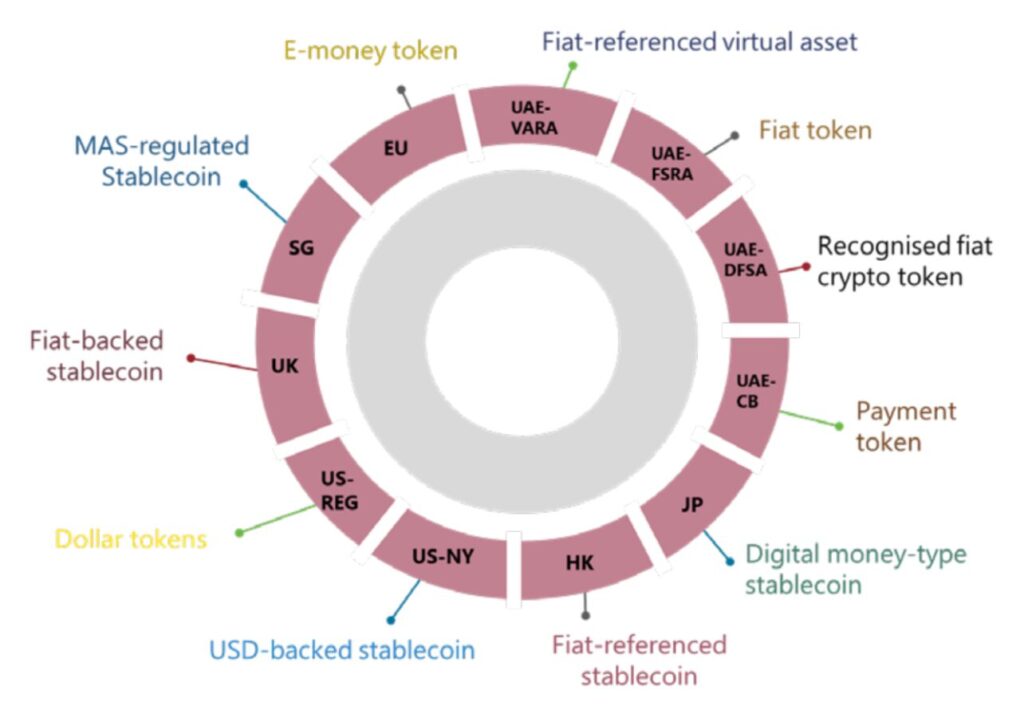
[“Stablecoin Regulatory Pressure by Region (2024–2026)”]
A comparative bar chart showing rising enforcement and reporting requirements in Asia, the U.S., and Europe.
Conclusion: A Turning Point for Hybrid Finance in Asia
Thailand’s move to tighten oversight of digital gold trading and USDT is more than a domestic policy adjustment. It represents a broader realization among central banks that hybrid financial markets—where traditional commodities, crypto assets, and stablecoins intersect—can reach systemic scale without clear institutional boundaries.
By shifting from observation to direct intervention, the Bank of Thailand is signaling that innovation must now coexist with transparency and macroeconomic accountability. For market participants, the message is clear: growth opportunities remain abundant, but only for models that anticipate and integrate regulatory realities rather than attempt to outrun them.