
Key Takeaways :
- Bitcoin reached a new weekly high around $93,500 despite the U.S. Congress delaying amendments to the CLARITY Act.
- Market volatility remains compressed, indicating controlled positioning rather than speculative excess.
- On-chain data shows limited exchange inflows and SOPR hovering near 1, suggesting reduced profit-taking.
- Institutional flows dominate price support, while retail participation remains notably subdued.
- Regulatory uncertainty is increasingly treated as a long-term integration milestone rather than an immediate risk trigger.
1. Regulatory Delay Without Market Panic
The long-anticipated CLARITY Act, designed to establish a clear market structure for cryptocurrencies in the United States, faced another delay as U.S. Senate committees postponed scheduled amendment discussions to late January. According to Senator John Boozman of the Senate Agriculture Committee, unresolved disagreements remain around stablecoin incentive structures, oversight of decentralized finance (DeFi), and the precise allocation of regulatory authority among federal agencies.
Historically, regulatory uncertainty of this magnitude has often triggered sharp market reactions in Bitcoin, typically manifesting as elevated exchange inflows and abrupt sell-offs. This time, however, the reaction was notably muted. Bitcoin briefly dipped below $91,000, only to rebound during New York trading hours and surpass $93,500, marking a new weekly high.
This price behavior suggests that traders no longer perceive regulatory delays as binary, market-ending risks. Instead, regulatory processes are increasingly viewed as slow-moving structural developments that unfold independently of short-term price discovery.
2. Volatility Compression and Price Stability
[Bitcoin 4-hour price chart showing volatility compression and breakout structure]
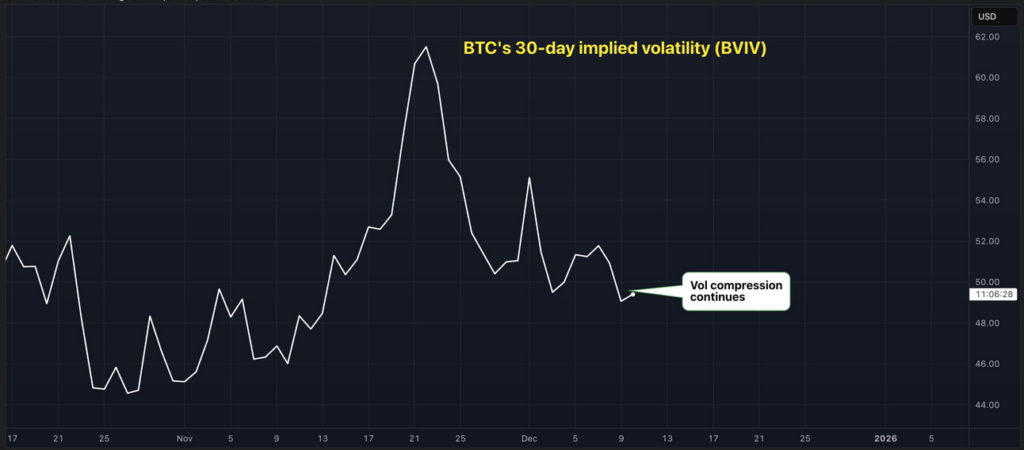
One of the defining features of the current market is volatility compression. Over the past several sessions, Bitcoin traded within an unusually narrow range, indicating equilibrium between buyers and sellers. Such compression phases often precede directional expansion, but they also reflect a market dominated by patient capital rather than leveraged speculation.
From a structural perspective, volatility compression at elevated price levels typically signals confidence. Market participants appear comfortable holding positions without aggressively hedging or unwinding exposure, reinforcing the notion that current price levels are broadly accepted by dominant market players.
3. Exchange Netflows and the Absence of Defensive Positioning
[Bitcoin exchange netflow data]
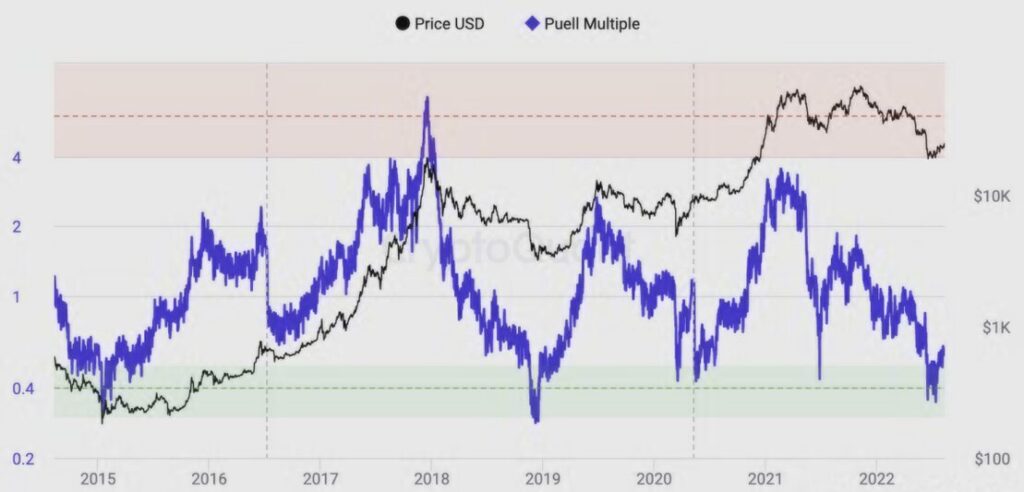
Data from CryptoQuant shows that Bitcoin exchange netflows remain near neutral. Unlike previous regulatory stress events, there is no surge in deposits to centralized exchanges that would indicate preparation for large-scale selling.
Research firms such as XWIN Research highlight that this behavior reflects confidence rather than complacency. Market participants are not positioning defensively against an imminent downside shock. Instead, holdings remain largely off-exchange, reinforcing the narrative of long-term allocation rather than short-term trading.
4. SOPR Signals a Patient Market
The Spent Output Profit Ratio (SOPR) provides further confirmation of this calm. Currently hovering around or slightly below 1.0, SOPR indicates that coins being spent on-chain are, on average, neither realizing significant profits nor losses.
This dynamic implies restrained profit-taking behavior. Rather than cycling capital rapidly, holders appear content to extend holding periods. Historically, such SOPR behavior has been associated with mid-cycle consolidation phases rather than market tops.
5. CLARITY Act as an Institutional Milestone
Zooming out, the CLARITY Act is increasingly interpreted as a structural milestone rather than a decisive catalyst. Even without formal passage, many institutional actors are already operating under internal compliance frameworks that anticipate eventual regulatory alignment.
Bitcoin’s evolution into an institutional-grade asset is evident in custody solutions, ETF integration, and balance-sheet allocations. Regulation, in this context, becomes a confirmation mechanism rather than a prerequisite for participation.
6. ETF Liquidity Outflows Temper Optimism
[Spot Bitcoin ETF flow data]

Despite price resilience, caution is warranted. Analyst Darkfost noted that spot Bitcoin ETFs recently experienced the largest liquidity outflow on record, exceeding $6 billion cumulatively. With an average realized price near $86,000, many ETF inflows following the October 2025 all-time high remain underwater.
Importantly, however, ETF flows have stabilized over the past two weeks, suggesting that the most aggressive de-risking phase may be complete. Still, the absence of renewed inflows limits upside momentum in the near term.
7. Retail Investors Remain Absent
One of the most striking features of the current market is the lack of retail participation. According to CryptoQuant data, 30-day demand from small buyers (transaction sizes between $0 and $10,000) remains deeply negative.
This contrasts sharply with prior bull market phases, where retail demand surged early and amplified momentum. The current rally, by contrast, appears almost exclusively supported by large holders and institutional capital.
8. Coinbase Premium as a Missing Confirmation Signal
[Coinbase Premium Index]
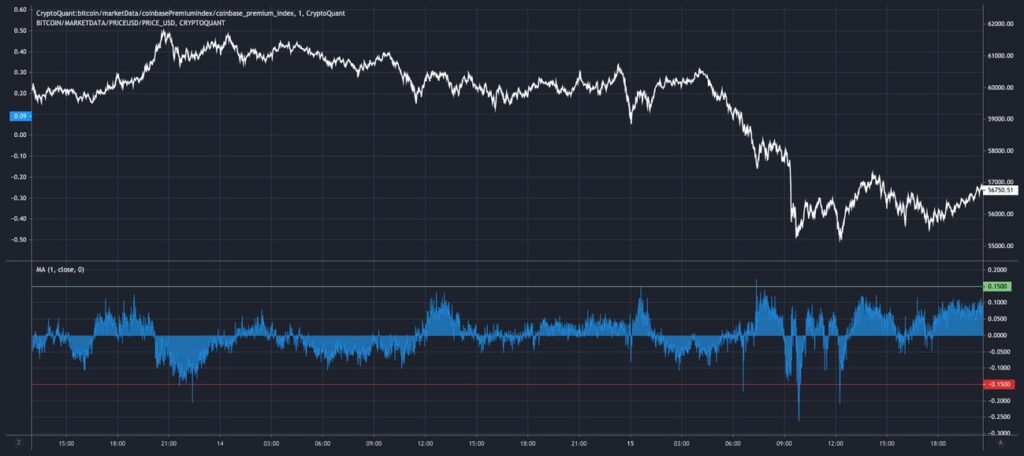
Another missing bullish confirmation is the Coinbase Premium Index, which measures U.S.-based demand relative to offshore markets. Market commentator CryptoGodJohn emphasizes that sustained rallies historically require this premium to turn decisively positive.
As of now, the index remains neutral to slightly negative, reinforcing the view that U.S. spot demand has not yet re-entered an aggressive accumulation phase.
9. Strategic Implications for Investors and Builders
For investors seeking new digital assets or yield opportunities, the current environment favors selectivity and infrastructure-oriented strategies. Volatility compression combined with institutional dominance often precedes rotation into secondary assets once confidence broadens.
For builders and operators, Bitcoin’s stability amid regulatory delays sends a powerful signal: infrastructure, custody, compliance tooling, and institutional-grade liquidity services remain the most resilient segments of the crypto economy.
Conclusion: A Market That No Longer Flinches
Bitcoin’s ability to reach new weekly highs amid regulatory delays underscores a fundamental shift in market psychology. Volatility is lower, reactions are measured, and capital is patient. While the absence of retail enthusiasm caps explosive upside in the short term, it also reduces fragility.
Rather than signaling exhaustion, the current phase suggests maturation. Regulatory clarity, when it eventually arrives, may act less as a spark and more as an accelerant for trends already in motion. For those focused on long-term value creation and practical blockchain applications, this is not a moment of hesitation—but one of quiet construction.