
Main Points :
- Bitcoin is consolidating after forming a medium-term bottom, with macroeconomic data acting as the next decisive catalyst.
- U.S. employment data and CPI figures are increasingly influential as markets price in potential Federal Reserve rate cuts.
- On-chain activity remains structurally healthy, even as short-term ETF flows introduce volatility.
- Technical indicators suggest Bitcoin is nearing a breakout point, with clearly defined upside targets and downside supports.
- For investors and practitioners, this phase highlights the growing integration of Bitcoin into global macro-financial cycles.
1. Introduction: Bitcoin Enters a Macro-Driven Phase
Bitcoin is once again approaching a decisive moment. After rebounding from its recent lows, the world’s largest cryptocurrency is trading in a tight consolidation range, reflecting a market that is waiting for confirmation rather than conviction. Unlike earlier cycles driven primarily by internal crypto dynamics, the current environment places heavy emphasis on U.S. macroeconomic indicators—particularly employment data and inflation metrics.
This shift underscores a broader transformation: Bitcoin is no longer an isolated speculative asset. Instead, it increasingly trades as a macro-sensitive instrument, influenced by interest rate expectations, equity market sentiment, and institutional capital flows. Understanding this context is essential for anyone seeking new crypto assets, alternative income streams, or practical blockchain applications.
2. Recent Price Action: From Rebound to Consolidation
At the start of the year, Bitcoin benefited from renewed buying interest as prices appeared fundamentally attractive following a late-year pullback. The market staged a recovery from the mid-$80,000 range to above $95,000, supported by improving risk sentiment in global equities.
However, as prices approached prior resistance levels, momentum slowed. Rising U.S. Treasury yields briefly pressured risk assets, including Bitcoin, while outflows from spot Bitcoin ETFs added to short-term selling pressure. Despite this, downside moves were contained, suggesting that sellers lacked strong conviction.
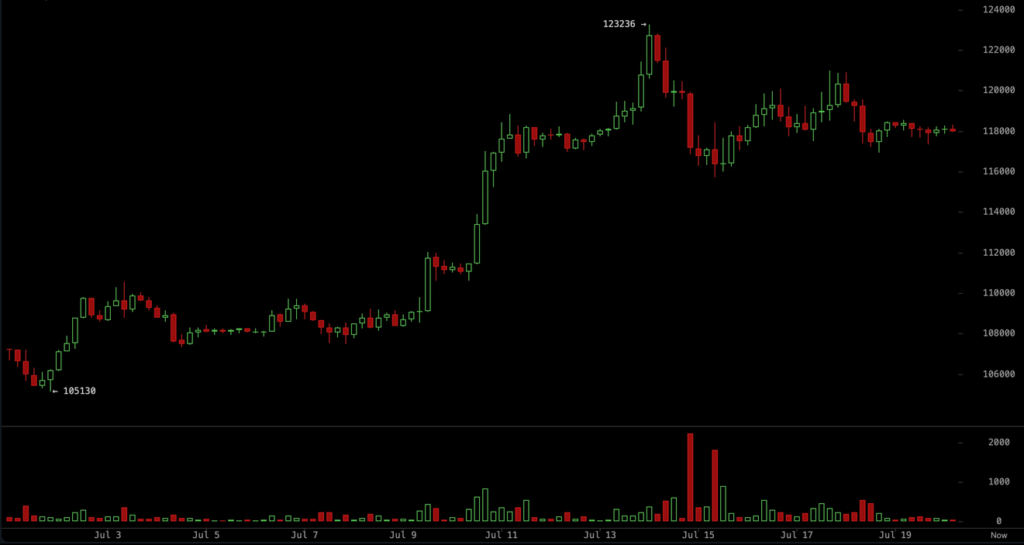
This price behavior resulted in a classic consolidation pattern—often interpreted as a pause before a larger directional move rather than a sign of trend exhaustion.
3. Technical Structure: Saucer Bottom and Platform Formation
From a technical perspective, Bitcoin appears to have formed a “saucer bottom,” also known as a rounding bottom. This pattern typically indicates a gradual transition from bearish to bullish sentiment, characterized by decreasing selling pressure and steady accumulation.
Following this formation, Bitcoin entered a “platform” or range-bound phase, where buyers and sellers are temporarily balanced. A decisive break above recent highs would confirm the completion of the saucer bottom, significantly increasing the probability that the market has already established a durable bottom.
【Bitcoin price consolidation on an intraday timeframe, highlighting support and resistance zones.】
4. The Macro Catalyst: U.S. Jobs Data and CPI
The most immediate catalysts for Bitcoin’s next major move are U.S. labor market data and the Consumer Price Index (CPI). These indicators directly influence expectations for Federal Reserve policy.
If employment data confirms a gradual cooling of the labor market and CPI shows easing inflationary pressures, markets are likely to price in earlier or deeper rate cuts. Lower expected interest rates generally support risk assets by reducing the opportunity cost of holding non-yielding instruments like Bitcoin.
Conversely, stronger-than-expected data could delay rate cut expectations, triggering renewed volatility and potentially a temporary pullback in crypto markets.
5. Rate Expectations and Bitcoin’s Sensitivity to Liquidity
Bitcoin’s sensitivity to global liquidity conditions has become more pronounced in recent years. The expansion of institutional participation—through ETFs, futures, and options—has tied Bitcoin more closely to traditional financial markets.
Fed funds futures now play a crucial role in shaping near-term price action. When rate cut probabilities increase, Bitcoin often benefits alongside equities and other risk assets. This dynamic positions Bitcoin as both a speculative asset and a macro hedge, depending on the broader environment.
6. ETF Flows: Short-Term Noise, Long-Term Signal
Spot Bitcoin ETFs have introduced a new layer of complexity. While ETF inflows support long-term demand, short-term outflows can amplify volatility, especially during periods of macro uncertainty.
Recent ETF outflows have weighed on sentiment, but they have not triggered panic selling. This suggests that underlying demand remains intact, with institutional investors increasingly treating Bitcoin as a strategic allocation rather than a short-term trade.
7. On-Chain Data: A Fundamentally Healthy Network
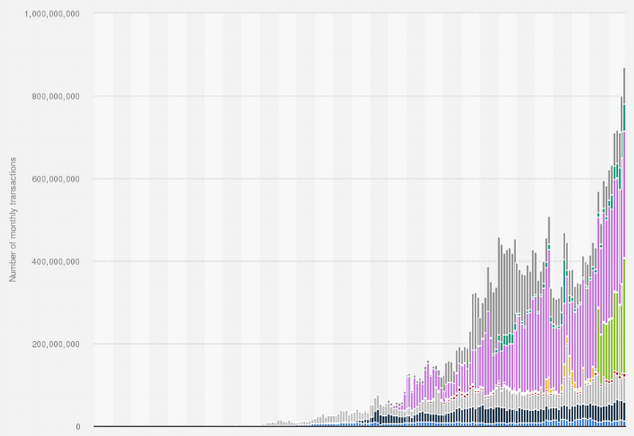
Despite price consolidation, on-chain metrics paint a constructive picture. Transaction counts remain stable, active addresses show resilience, and miner behavior suggests confidence rather than distress.
Notably, transfers from mining pools to exchanges have not spiked, indicating limited sell pressure from miners. This contrasts with previous cycle peaks, where aggressive miner selling often preceded major corrections.
【On-chain indicators showing stable transaction activity and active address trends.】
8. Key Price Levels: Resistance, Targets, and Support
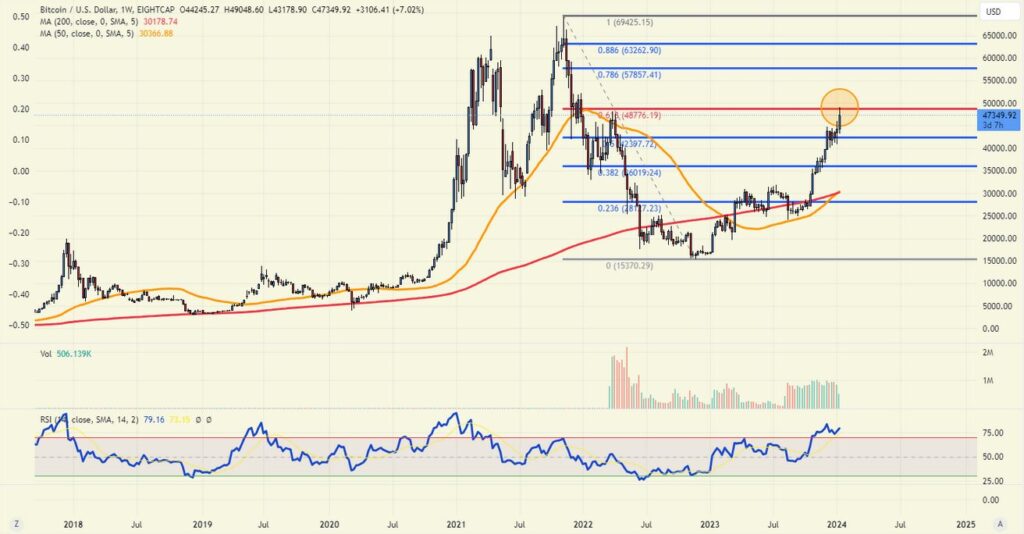
On the upside, a confirmed breakout could open the path toward the $98,000 level, where multiple technical indicators converge, including Fibonacci retracement levels and the upper boundary of the Ichimoku cloud.
On the downside, attention remains focused on the $88,000 region, where a gap in CME Bitcoin futures exists. Historically, such gaps tend to attract price action. However, this area is also reinforced by options market hedging activity, making it a strong candidate for structural support rather than a breakdown point.
【Daily Bitcoin chart highlighting Fibonacci levels and Ichimoku cloud resistance.】
9. What This Means for Crypto Investors and Builders
For investors seeking new crypto assets or yield opportunities, this environment rewards patience and strategic positioning. Rather than chasing short-term volatility, understanding macro signals and structural trends offers a clearer edge.
For builders and businesses exploring practical blockchain applications, Bitcoin’s increasing integration into global finance reinforces its role as foundational infrastructure—supporting everything from treasury management to cross-border settlement and financial innovation.
10. Conclusion: A Market Waiting for Confirmation
Bitcoin stands at a critical juncture. The technical groundwork for a new uptrend appears to be in place, but confirmation depends on macroeconomic developments in the United States. Employment data and CPI releases are no longer peripheral—they are central to Bitcoin’s near-term trajectory.
Whether the next move is a decisive breakout or a temporary retracement, one thing is clear: Bitcoin has matured into an asset deeply embedded in global financial dynamics. For those who understand this shift, the coming weeks may offer not just volatility, but opportunity.