
Main Points :
- Samson Mow predicts that Elon Musk will commit seriously to Bitcoin in 2026, marking a major psychological and institutional turning point.
- Mow forecasts Bitcoin reaching approximately $1.33 million by 2026, driven by sovereign adoption and supply shock dynamics.
- While some industry leaders remain cautious, long-term structural demand for Bitcoin continues to strengthen.
- Bitcoin is increasingly positioned not merely as a speculative asset, but as a strategic monetary and treasury instrument.
- Practical blockchain use cases—sovereign bonds, corporate treasuries, and settlement infrastructure—are accelerating beneath the surface.
1. Samson Mow’s 2026 Vision: Why Elon Musk Matters
Samson Mow, founder of Jan3 and one of Bitcoin’s most outspoken long-term proponents, recently reignited market debate by predicting that Elon Musk will “go hard into Bitcoin” in 2026.
This statement, posted on X, may appear casual on the surface, but it carries deeper implications. Musk is not merely a billionaire investor; he is a symbolic figure whose actions influence public markets, technology narratives, and institutional psychology.
Historically, Musk’s relationship with Bitcoin has been conflicted. Tesla once accepted Bitcoin payments, only to suspend them in 2021 due to environmental concerns. In 2022, Tesla disclosed that it sold approximately 75% of its Bitcoin holdings. Yet Musk has never fully disengaged from crypto discourse, continuing to signal openness to digital assets.
Mow’s prediction implies that environmental critiques may fade in importance relative to Bitcoin’s evolving energy profile, geopolitical relevance, and role as a neutral monetary network.
2. Bitcoin at $1.33 Million: The Logic Behind a Seven-Figure Price
Mow’s most controversial forecast is numerical: Bitcoin reaching approximately $1.33 million by 2026. At the time of writing, Bitcoin trades near $90,000, meaning such a move would represent a gain of over 1,300%.
This is not a short-term trading call. Mow’s thesis rests on structural supply constraints and accelerating demand from non-traditional buyers—namely governments.
Bitcoin’s fixed supply of 21 million coins contrasts sharply with fiat monetary systems that continue to expand. As sovereign debt levels rise globally, Bitcoin increasingly resembles a digital reserve asset rather than a speculative commodity.
Mow has repeatedly emphasized that nation-state adoption—not retail speculation—will be the catalyst for exponential price moves.
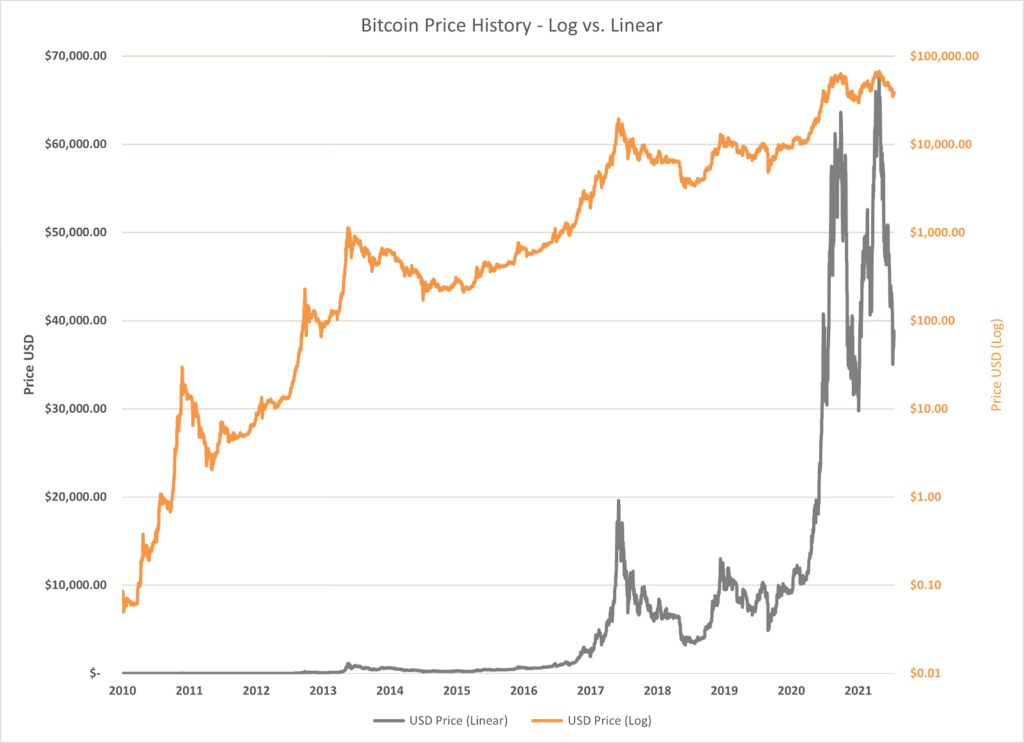
【Bitcoin Supply Shock and Long-Term Price Trajectory】
A logarithmic Bitcoin price projection chart showing historical cycles and a highlighted trajectory toward $1.33 million by 2026.
3. Sovereign Adoption: From Experiment to Strategy
In previous years, sovereign Bitcoin adoption was considered experimental. El Salvador’s move was widely dismissed as symbolic or risky. Today, the conversation has shifted.
Mow argues that multiple governments are now preparing frameworks for Bitcoin reserves, Bitcoin-denominated bonds, and energy-backed mining initiatives. He describes the current moment as the transition from a “slow phase” to an “acceleration phase.”
This aligns with broader macro trends:
- Persistent inflation pressures
- Rising geopolitical fragmentation
- Weaponization of financial infrastructure
Bitcoin’s neutrality, censorship resistance, and global liquidity make it uniquely attractive in this environment.
4. Why Other Executives Remain Cautious
Not all industry leaders share Mow’s enthusiasm. Matt Hougan, CIO of Bitwise, has publicly stated that while Bitcoin’s trajectory remains positive, he expects steadier, less explosive returns.
Hougan characterizes the next decade as a period of “strong but boring” growth—lower volatility, institutional participation, and gradual compounding rather than dramatic spikes.
This cautious stance reflects lessons learned from failed predictions in previous cycles.
5. Lessons from Missed Forecasts
Several prominent figures made bold predictions in 2025 that did not materialize. Arthur Hayes and Tom Lee both forecast Bitcoin reaching $250,000 by the end of 2025—a target that was not achieved.
Mow himself dismisses retrospective accuracy as irrelevant. His philosophy emphasizes forward momentum over backward-looking validation.
6. Bitcoin vs Gold: The Asset Rotation Thesis
Mow also predicts that Bitcoin will outperform precious metals. Gold recently reached approximately $4,549, while silver touched $83, both record highs.
Yet Bitcoin’s portability, divisibility, and digital-native settlement advantages give it structural superiority as a reserve asset in a digital economy.
Bitcoin does not merely compete with gold; it competes with sovereign bonds, reserve currencies, and settlement rails.
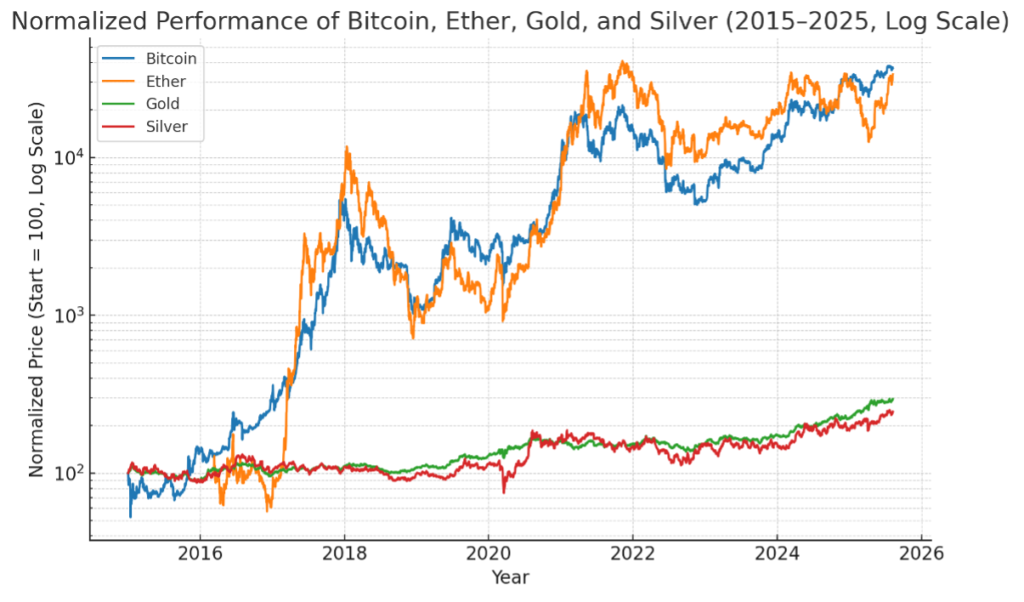
【Bitcoin vs Traditional Store-of-Value Assets】
Comparative performance chart showing Bitcoin vs Gold vs Silver over the past decade (USD).
7. Corporate Leverage: Strategy (MSTR) and the Saylor Effect
Mow further predicts that shares of Strategy (formerly MicroStrategy), led by Michael Saylor, could rise from around $157 to $5,000.
This reflects Bitcoin’s indirect impact on equity markets through leveraged balance-sheet exposure. Strategy functions as a high-beta proxy for Bitcoin adoption within regulated equity markets.
8. Bitcoin-Denominated Bonds: The Next Frontier
Perhaps most striking is Mow’s expectation that at least one country will issue Bitcoin-denominated sovereign bonds.
Such instruments would represent a fundamental shift in how governments think about debt, settlement, and monetary credibility. For blockchain practitioners, this opens opportunities in:
- Custody infrastructure
- Smart-contract-based bond servicing
- Cross-border settlement layers
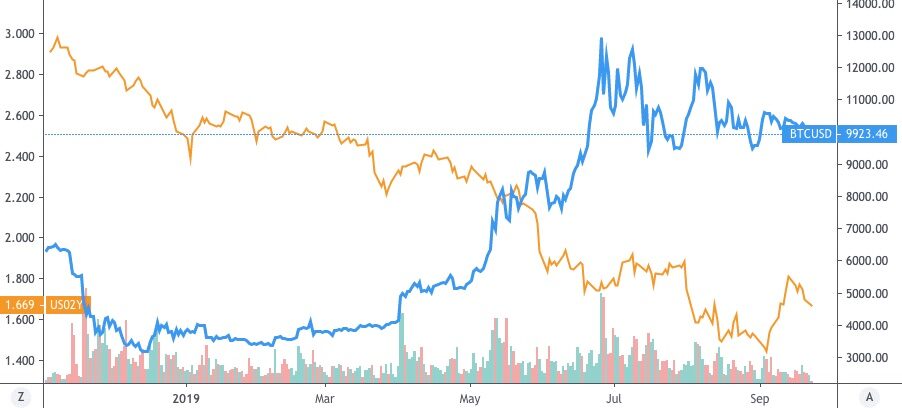
【The Emergence of Bitcoin-Based Sovereign Finance】
Conceptual illustration of a sovereign issuing Bitcoin-denominated bonds with blockchain settlement.
9. Implications for Investors and Builders
For readers seeking new crypto assets or revenue models, the takeaway is not to chase price predictions blindly, but to observe where infrastructure, regulation, and capital formation converge.
Opportunities are emerging in:
- Bitcoin-native financial products
- Treasury and risk management tooling
- Energy-linked mining and settlement systems
- Compliance-ready institutional custody
10. Conclusion: 2026 as a Structural Inflection Point
Whether or not Bitcoin reaches $1.33 million by 2026, Samson Mow’s predictions highlight an undeniable shift: Bitcoin is transitioning from speculative curiosity to strategic monetary infrastructure.
If Elon Musk indeed commits seriously to Bitcoin, it will not merely move markets—it will validate Bitcoin’s role in the global financial system.
For investors, builders, and policymakers alike, the coming years may define Bitcoin’s final transformation from outsider asset to sovereign-grade monetary layer.