Main Points :
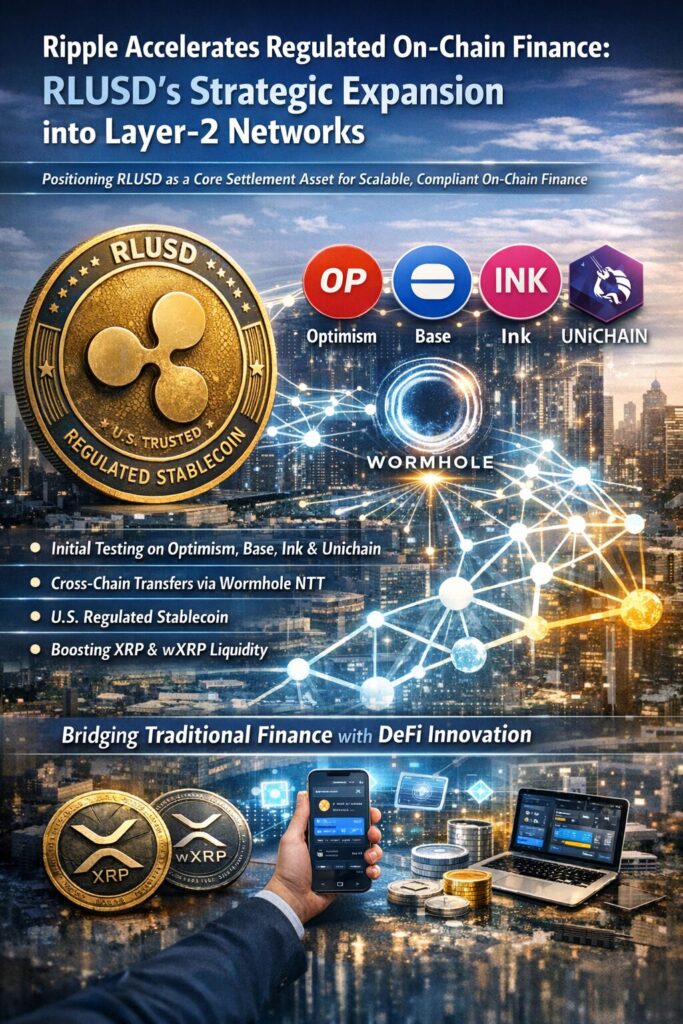
- Ripple is extending its regulated stablecoin, RLUSD, into Layer-2 (L2) networks, positioning it as a core settlement asset for scalable, compliant on-chain finance.
- Initial L2 testing spans Optimism, Base, Ink, and Unichain, with cross-chain interoperability enabled through Wormhole’s Native Token Transfer (NTT) framework.
- RLUSD is issued under U.S. trust-level regulation, aligning blockchain efficiency with institutional compliance standards.
- The strategy reinforces XRP and wrapped XRP (wXRP) liquidity, enabling payments, swaps, and lending across multiple chains.
- Ripple’s move reflects a broader industry trend: regulated stablecoins are becoming the preferred bridge between traditional finance and decentralized infrastructure.
1. Why Regulated Stablecoins Are Becoming the Backbone of On-Chain Finance
Over the past two years, the cryptocurrency industry has undergone a visible shift. While early growth was driven by permissionless experimentation, the current phase is increasingly shaped by regulation-friendly infrastructure designed for institutional adoption. Stablecoins sit at the center of this transition.
For banks, payment processors, and regulated fintechs, volatility is the single largest barrier to blockchain adoption. A dollar-denominated digital asset with predictable value, transparent reserves, and regulatory oversight provides a usable medium of exchange that aligns with existing compliance frameworks. This is precisely the niche Ripple aims to dominate with RLUSD.
Unlike algorithmic or lightly regulated stablecoins, RLUSD is designed as regulated on-chain money, not merely a crypto-native liquidity tool. Its expansion into Layer-2 networks marks an evolution from simple issuance toward infrastructure-level integration.
2. RLUSD and Ripple’s Multi-Chain Vision
Ripple has consistently positioned itself as an enterprise-grade blockchain company rather than a purely decentralized experiment. RLUSD reflects this philosophy.
Initially issued on the XRP Ledger and Ethereum, RLUSD is now being tested on several major Layer-2 ecosystems:
- Optimism
- Base
- Ink
- Unichain
Optimism acts as the primary gateway, connecting RLUSD to a broader L2 universe while maintaining compatibility with Ethereum’s security assumptions. By leveraging L2s, Ripple addresses one of the key limitations of main-chain settlement: scalability. Transactions that would cost several dollars on Ethereum Layer-1 can be executed for cents or less on L2s, without sacrificing finality.
This architecture enables RLUSD to function not just as a stablecoin, but as high-throughput settlement infrastructure suitable for payments, treasury movements, and on-chain financial products.
3. Cross-Chain Interoperability via Wormhole
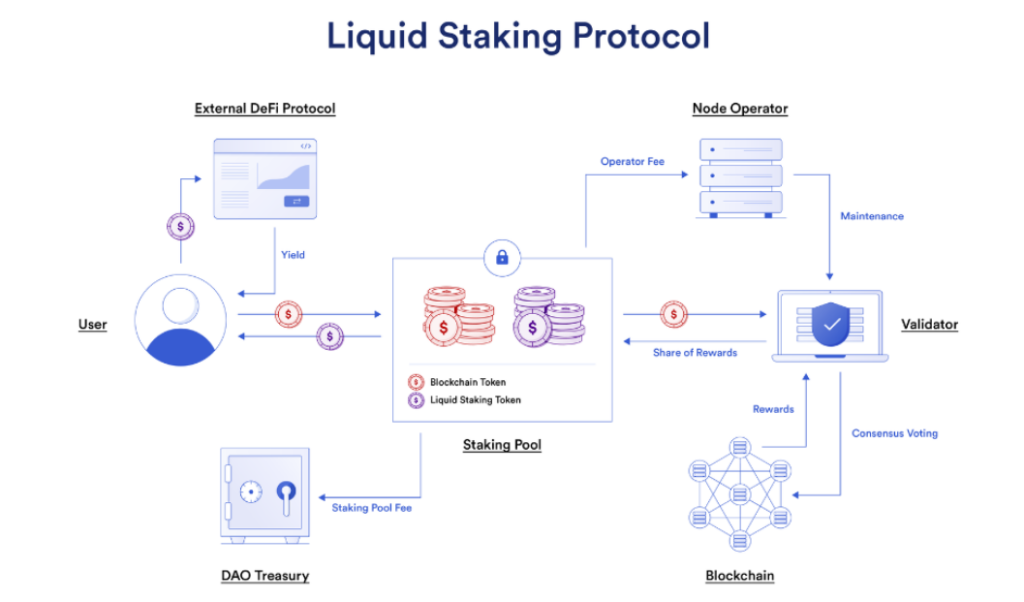
One of the most technically significant aspects of Ripple’s announcement is its collaboration with Wormhole.
Rather than relying on ad-hoc bridges, Ripple is using Wormhole’s Native Token Transfer (NTT) standard. This framework allows RLUSD to move across chains while preserving supply integrity and compliance controls. From a regulatory and risk-management perspective, this is critical.
Traditional institutions require:
- Clear issuance and redemption logic
- Auditable supply controls
- Predictable counterparty risk
NTT provides a controlled mechanism for cross-chain liquidity without fragmenting trust assumptions. This design choice signals Ripple’s intent to make RLUSD suitable for institutional treasury operations, not just DeFi experimentation.
4. Regulatory Foundations: Trust-Level Oversight
RLUSD’s defining feature is not speed or programmability—it is regulation.
The stablecoin operates under a New York State Department of Financial Services (NYDFS) trust company charter, placing it among the most tightly supervised digital assets in the market. In addition, Ripple has received conditional approval from the U.S. Office of the Comptroller of the Currency (OCC), aligning RLUSD with national-level banking oversight.
Internationally, regulatory recognition extends to jurisdictions such as Dubai and Abu Dhabi, reinforcing Ripple’s global compliance footprint, which now spans more than 75 licenses worldwide.
For institutions evaluating blockchain adoption, this matters more than technical novelty. Compliance determines whether an asset can be used for:
- Corporate treasury management
- Cross-border settlements
- Regulated payment services
RLUSD is explicitly engineered for these use cases.
5. The XRP and wXRP Liquidity Effect
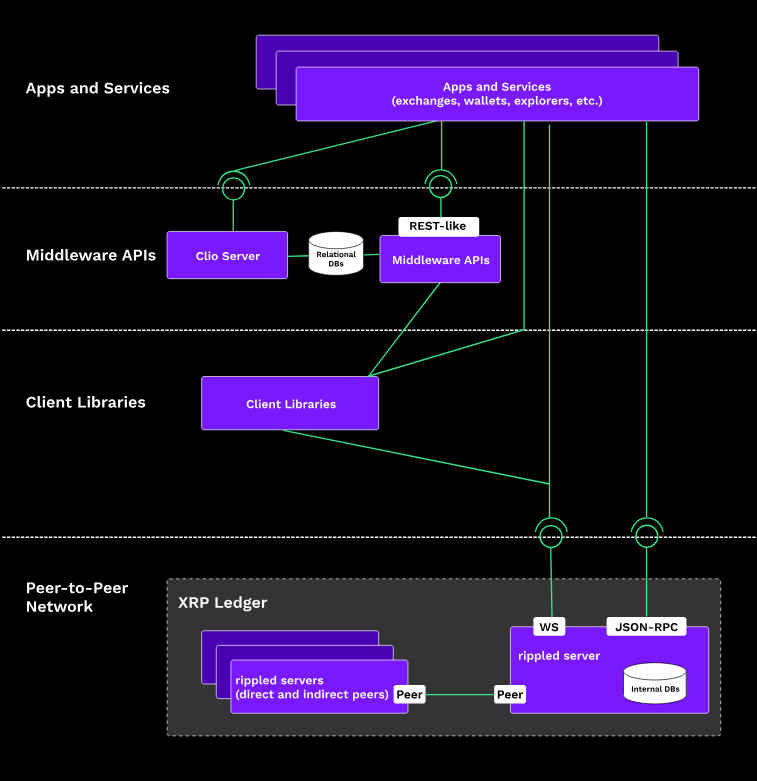
Ripple’s strategy does not isolate RLUSD from its existing ecosystem. Instead, it strengthens the utility of XRP and wrapped XRP (wXRP).
Through partnerships such as Hex Trust, wrapped XRP can circulate across multiple networks alongside RLUSD. This creates natural liquidity pairs:
- RLUSD ↔ XRP
- RLUSD ↔ wXRP
These pairs enable a range of on-chain financial services, including:
- Payments and remittances
- Asset swaps
- Collateralized lending
From a market-structure perspective, RLUSD acts as a stable settlement layer, while XRP serves as a liquidity and routing asset. This dual-asset model mirrors traditional finance, where stable currencies coexist with higher-beta instruments.
6. Broader Industry Context: The Rise of Regulated On-Chain Dollars
Ripple’s move aligns with a broader trend across the crypto industry. As regulators clarify frameworks and institutions demand compliance, regulated stablecoins are increasingly favored over unregulated alternatives.
Key drivers include:
- Risk management: Predictable value and reserve transparency
- Regulatory clarity: Easier integration with existing financial laws
- Operational efficiency: Faster settlement compared to legacy rails
In dollar terms, regulated stablecoins now settle trillions of dollars annually, rivaling traditional payment networks. While exact figures fluctuate, industry estimates place annual stablecoin settlement volumes well above $10 trillion, underscoring their growing systemic importance.
RLUSD’s L2 expansion positions Ripple to capture a share of this flow, particularly among institutions seeking blockchain efficiency without regulatory ambiguity.
7. Practical Implications for Builders and Investors
For developers, RLUSD’s presence on L2 networks lowers the barrier to building compliant financial applications. Smart contracts can integrate a regulated dollar asset without assuming the legal risk of unregulated stablecoins.
For investors and operators searching for the “next revenue layer” in crypto, the opportunity is not speculative price appreciation alone. It lies in infrastructure adoption:
- Payment processing
- Treasury tooling
- Cross-border liquidity services
Projects aligned with regulated stablecoin flows may experience more sustainable growth than purely speculative tokens.
8. Looking Ahead: A Regulated Multi-Chain Future
Ripple has indicated that additional chain integrations are expected, pending regulatory approvals. This suggests a long-term vision where RLUSD operates as a universal settlement asset across compliant blockchain environments.
Rather than competing directly with decentralized stablecoins, Ripple is carving out a parallel track: regulated on-chain finance. As institutions increasingly enter the space, this track may prove to be the dominant one.
Conclusion
Ripple’s expansion of RLUSD into Layer-2 networks is more than a technical upgrade—it is a strategic statement about the future of blockchain finance. By combining regulatory rigor, scalable infrastructure, and controlled interoperability, Ripple is positioning RLUSD as a foundational asset for institutional on-chain activity.
For those exploring new digital assets, revenue opportunities, and practical blockchain use cases, RLUSD represents a clear signal: the next phase of crypto growth will be built on regulated, scalable, and interoperable infrastructure.