Main Points :
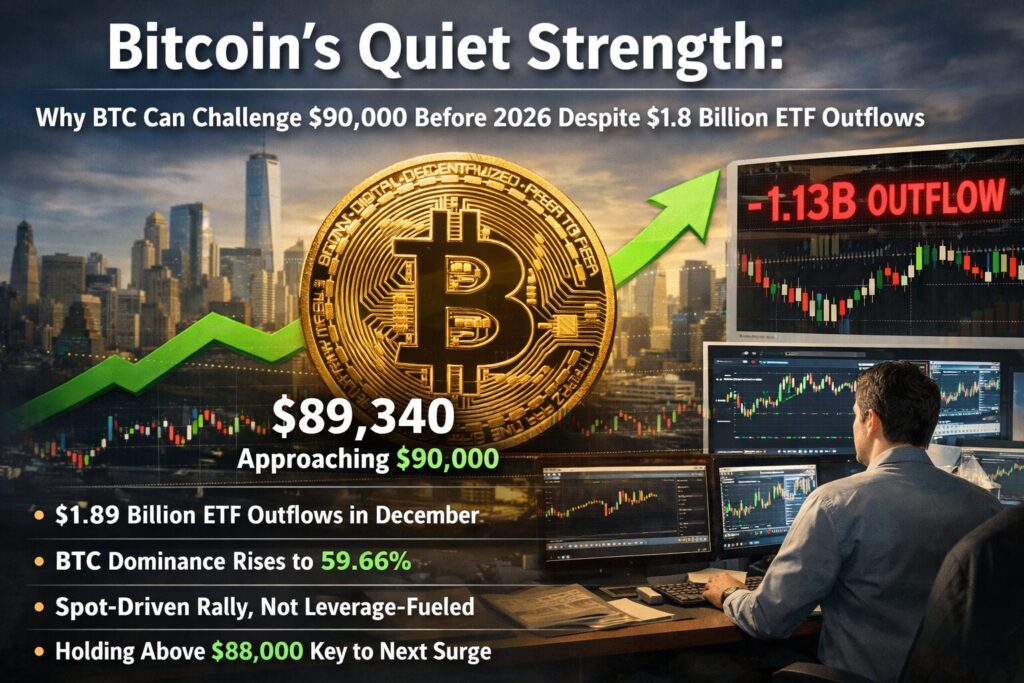
- Bitcoin rebounded to $89,340 on December 30, approaching the psychologically important $90,000 level despite heavy ETF outflows.
- U.S. spot Bitcoin ETFs recorded $1.89 billion in net outflows in December, with $1.13 billion leaving in the final eight trading days alone.
- Capital rotation from altcoins into Bitcoin strengthened BTC dominance from 58.50% to 59.66%, supporting price stability.
- Derivatives data indicates the rally is spot-driven rather than leverage-driven, suggesting healthier market structure.
- If Bitcoin sustains support above $88,000, a renewed attempt at $90,000 before 2026 becomes increasingly likely.
Introduction: A Counterintuitive Rally
At first glance, Bitcoin’s late-December price action appears contradictory. Massive capital outflows from U.S. spot Bitcoin ETFs would normally signal sustained downside pressure. Yet, instead of collapsing, Bitcoin staged a sharp rebound, climbing from intraday lows near $86,600 to a high of $89,340 on December 30.
This recovery places Bitcoin within striking distance of the $90,000 threshold just days before the calendar turns to 2026. The resilience raises a critical question for investors searching for new crypto opportunities and sustainable returns:
How can Bitcoin remain strong when institutional ETF flows are decisively negative?
The answer lies in a deeper structural shift within the crypto market—one that blends tax-driven institutional behavior, capital rotation dynamics, and a notable cooling of speculative leverage.
ETF Outflows Reach $1.89 Billion — Yet Price Holds Firm
Bitcoin’s December rebound occurred against a backdrop of significant ETF selling pressure. According to aggregated data, U.S. spot Bitcoin ETFs recorded $1.886 billion in net outflows during December, with the most intense wave concentrated between December 18 and December 30, totaling approximately $1.13 billion.
[U.S. Spot Bitcoin ETF Net Flows (Dec 2025)]

The single largest daily outflow occurred on December 26, coinciding with post-Christmas portfolio rebalancing. Market strategist Tom Lee of Bitmine has repeatedly emphasized that year-end tax optimization often distorts crypto-related asset prices, especially around Boxing Day.
Institutional investors frequently sell ETF positions late in the year to realize losses or rebalance allocations, even when their long-term outlook remains constructive. This dynamic reduces passive buy-side support from ETFs but does not necessarily reflect bearish conviction.
Why ETF Selling Did Not Break Bitcoin
ETF outflows typically weaken price by removing automatic demand during dips. This effect was evident throughout December, as Bitcoin struggled to sustain upside momentum despite multiple bounce attempts.
However, what makes this episode notable is where Bitcoin refused to fall. Each sell-off found buyers around the $86,000–$87,000 range, suggesting the presence of non-ETF spot demand willing to absorb supply.
This pattern implies that Bitcoin ownership is gradually shifting away from short-term institutional flows toward participants with longer time horizons—an important structural signal as 2026 approaches.
Capital Rotation: Altcoins Fund Bitcoin’s Stability
One of the most underappreciated drivers of Bitcoin’s resilience is capital rotation from altcoins. As year-end volatility and liquidity risk increased, traders sought refuge in Bitcoin’s superior depth and perceived safety.
Bitcoin dominance—a metric measuring BTC’s share of total crypto market capitalization—rose from 58.50% on November 26 to 59.66% by late December.
[Bitcoin Dominance Trend (Nov–Dec 2025)]
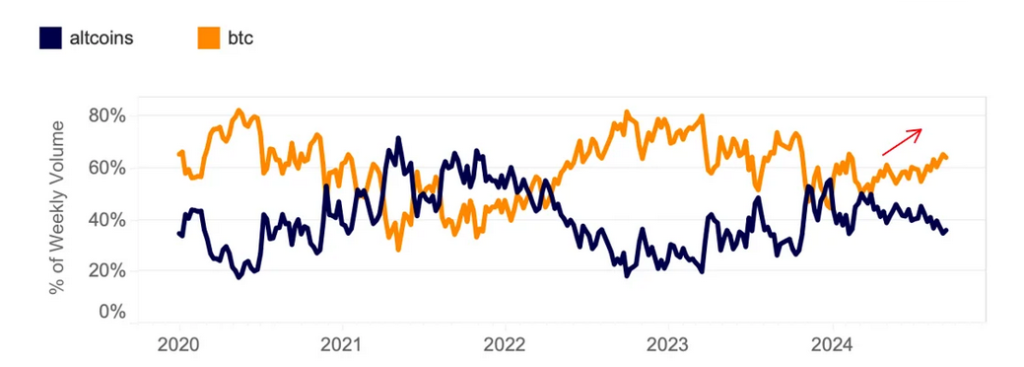
Historically, rising dominance during periods of uncertainty reflects a defensive positioning strategy. Investors reduce exposure to speculative altcoins and consolidate capital into Bitcoin, reinforcing its role as the market’s primary reserve asset.
This behavior explains why Bitcoin outperformed most major altcoins despite ETF-driven headwinds.
Spot-Led, Not Leverage-Led: A Healthier Rally
Derivatives data from December 30 further supports the case that Bitcoin’s rebound is structurally sound.
- Total derivatives trading volume fell 30.59% to $66.34 billion
- Open interest declined modestly by 1.85% to $56.6 billion
- Options volume dropped 35.46% to $2.24 billion
- Long/short ratio stabilized near 0.99, indicating neutral positioning
[Bitcoin Derivatives Market Overview (Coinglass)]
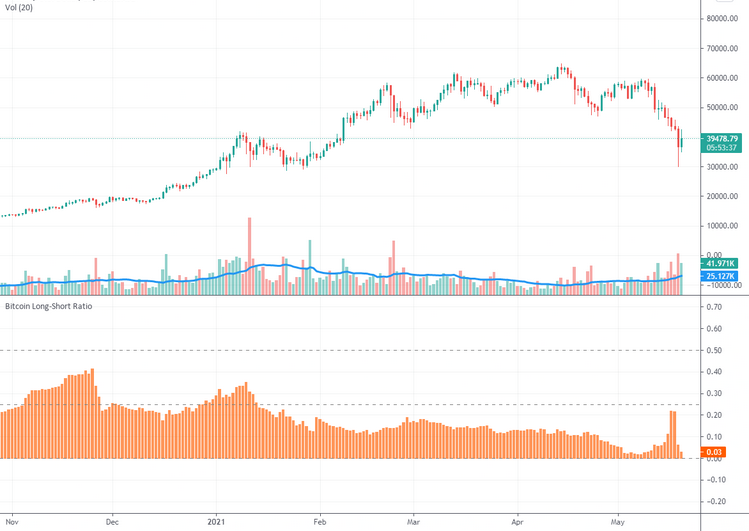
This data confirms that speculative excess is being unwound rather than amplified. In previous bull phases, rapid price increases driven by leverage often ended in violent corrections. In contrast, a spot-driven climb supported by real capital rotation tends to be slower—but more durable.
The $90,000 Question: What Happens Next?
From a technical perspective, Bitcoin’s ability to hold above $88,000 is crucial. Sustained consolidation at this level increases the probability that sidelined investors will re-enter the market ahead of 2026.
Psychologically, $90,000 represents more than a price point. A clean break would challenge lingering bearish narratives tied to ETF outflows and could trigger renewed institutional interest once tax-driven selling subsides.
However, risks remain. Another wave of large ETF redemptions could temporarily cap upside momentum. That said, unless ETF outflows accelerate dramatically, they appear increasingly insufficient to overwhelm spot demand and capital rotation dynamics.
Conclusion: Bitcoin’s Role Heading Into 2026
Bitcoin’s late-December behavior offers a compelling lesson for investors focused on long-term crypto opportunities and practical blockchain use cases.
Despite $1.89 billion in ETF outflows, Bitcoin demonstrated structural strength through:
- Persistent spot demand
- Defensive capital rotation from altcoins
- Reduced leverage and healthier derivatives positioning
Rather than signaling weakness, the current environment suggests a quiet re-accumulation phase. If this trend continues, Bitcoin’s challenge of the $90,000 level before 2026 may mark not a speculative peak—but a foundation for the next market cycle.
For investors seeking sustainable exposure rather than short-term hype, Bitcoin’s resilience amid adversity remains one of the most important signals in the crypto market today.