

Key Takeaways :
- Nation-states under sanctions are quietly accumulating Bitcoin as a strategic reserve, fundamentally challenging the effectiveness of U.S.-led financial sanctions.
- Government seizures and freezes of crypto assets are unintentionally accelerating a permanent supply shock, especially for Bitcoin.
- Large-scale institutional accumulation of Ethereum, exemplified by a 33,000 ETH purchase, is transforming ETH into a yield-bearing strategic asset.
- Staking-driven illiquidity is amplifying volatility and shifting price formation from fundamentals to sheer ownership power.
- Japan’s 2026 “Digital First Year” policy marks a decisive shift toward mass adoption of crypto via regulated securities exchanges.
- The convergence of state policy, institutional balance sheets, and exchange infrastructure is driving an irreversible redefinition of money itself.
1. Nation-State Bitcoin Accumulation: Sanctions, Seizures, and the Birth of Digital Strategic Reserves
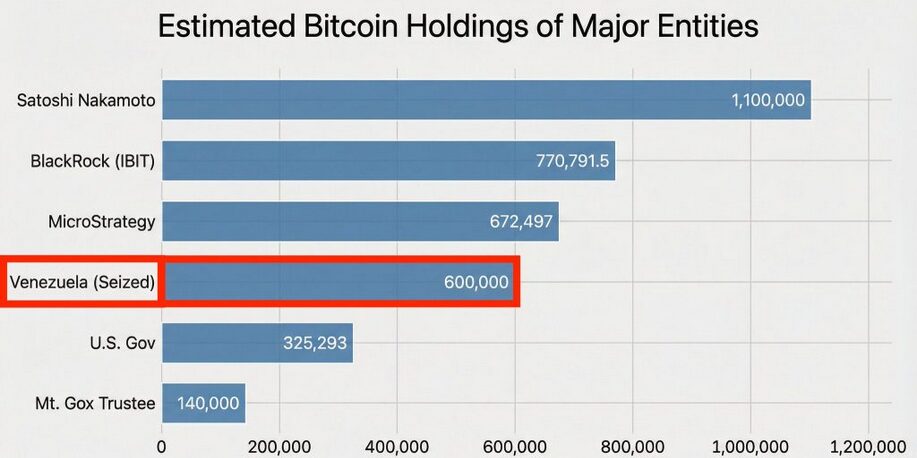
The quiet accumulation of Bitcoin by sanctioned states such as Venezuela has moved far beyond rumor and speculation. It is now emerging as a hard geopolitical reality that directly undermines the effectiveness of U.S.-led economic sanctions.
For decades, financial sanctions have relied on centralized choke points: correspondent banking, SWIFT access, dollar clearing, and custody networks. Bitcoin, by design, bypasses all of these. For states locked out of the traditional system, decentralized digital assets offer a form of financial sovereignty that cannot be censored at the protocol level.
What makes this dynamic particularly paradoxical is the response from U.S. and allied law enforcement agencies. As state-linked crypto holdings are discovered, they are increasingly seized or frozen. While intended as enforcement, these actions remove large quantities of Bitcoin from circulation indefinitely.
The result is an unintended but powerful consequence: permanent supply destruction.
Bitcoin that would otherwise circulate through markets, exchanges, or OTC desks becomes locked forever in legal limbo. This creates a structural supply deficit far more severe than typical investor hoarding. In effect, authoritarian accumulation and democratic enforcement form a strange symbiosis that tightens global scarcity.
By 2026, this pattern is expected to spread. Other sanctioned or geopolitically isolated nations are closely studying these precedents. Bitcoin is increasingly treated not as a speculative asset, but as a strategic reserve, akin to gold or oil.
This marks a historic turning point. Digital code is now a component of national security. The implications for price formation are profound: supply is constrained not by sentiment, but by geopolitics.
[“State Accumulation and Permanent Bitcoin Supply Reduction”]
2. The 33,000 ETH Shock: Institutional Accumulation and the Illiquidity Spiral
Ethereum is undergoing a parallel but distinct transformation.
The acquisition of approximately 33,000 ETH by a single corporate entity represents one of the largest spot purchases in Ethereum’s history. This is not opportunistic trading. It is strategic absorption.
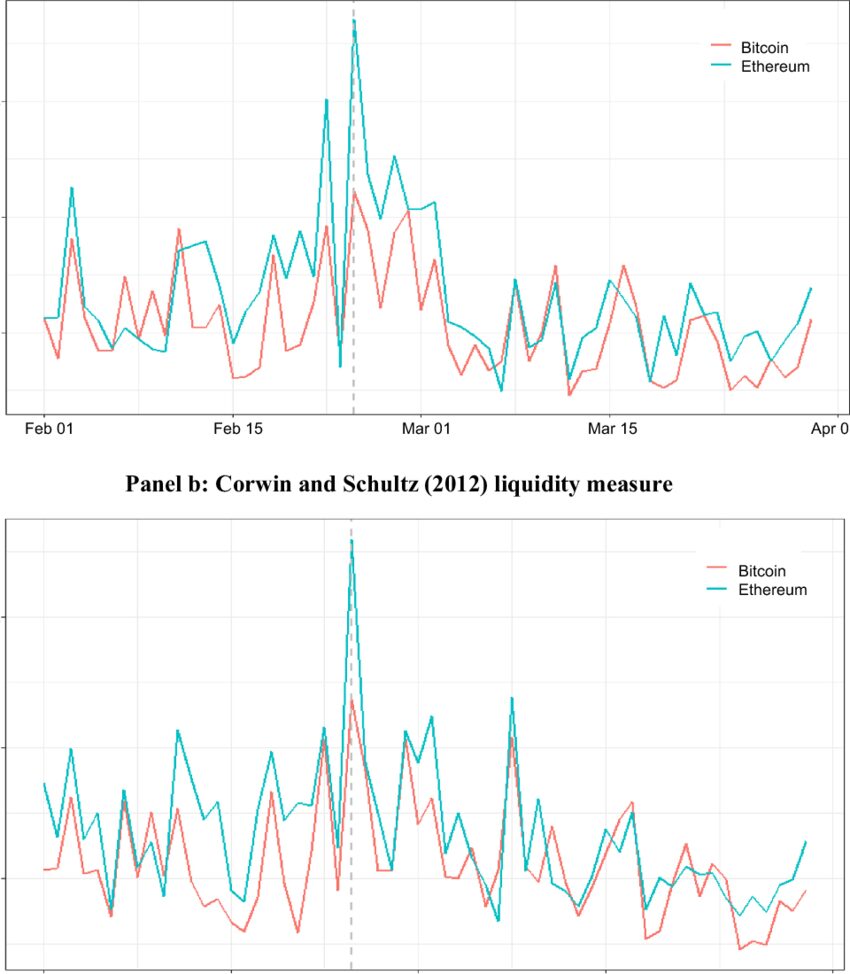
Unlike Bitcoin, Ethereum offers native yield through staking. When large holders lock ETH for staking, they remove it from liquid supply while simultaneously earning returns denominated in the same scarce asset. This creates a self-reinforcing illiquidity loop.
As more ETH is staked:
- Exchange order books thin.
- Price impact of marginal demand increases.
- Volatility accelerates upward rather than dampening.
The traditional narrative that “fundamentals drive price” is becoming obsolete in this context. In supply-starved markets, price is dictated by who controls the asset, not by discounted cash flows or network metrics.
Ethereum is evolving into a capital sink — a platform that absorbs global liquidity and rarely releases it. Once institutional treasuries secure ETH positions, the probability of those assets returning to open markets is extremely low.
This marks the end of a retail-dominated era. Algorithmic execution, treasury strategy, and balance sheet optimization now shape Ethereum’s market structure.
[“Ethereum Staking and the Institutional Illiquidity Cycle”]
3. Japan’s 2026 Digital First Year: Exchanges as the Gateway to Mass Adoption
Japan’s announcement designating 2026 as the “Digital First Year” signals a decisive national pivot. By positioning regulated securities exchanges as the primary gateway for crypto adoption, Japan is collapsing the barrier between traditional finance and digital assets.
Historically, crypto adoption in Japan was cautious, constrained by regulation and cultural conservatism. That phase is ending. By embedding digital assets within familiar securities infrastructure, the state itself becomes the adoption engine.
This shift has three immediate consequences:
- Normalization
Crypto becomes a standard portfolio component, accessed through existing brokerage accounts. - Institutional Legitimacy
Domestic banks, insurers, and regional financial institutions gain regulatory cover to participate. - Capital Mobilization
Japan’s household financial assets—exceeding $7 trillion—gain a regulated on-ramp into digital markets.
The symbolism matters. This is not merely a technical reform. It is a declaration that Japan intends to reclaim leadership in global finance by embracing programmable money.
If successful, 2026 will be remembered as the year Japan reactivated its financial dynamism and reasserted itself as Asia’s innovation hub.
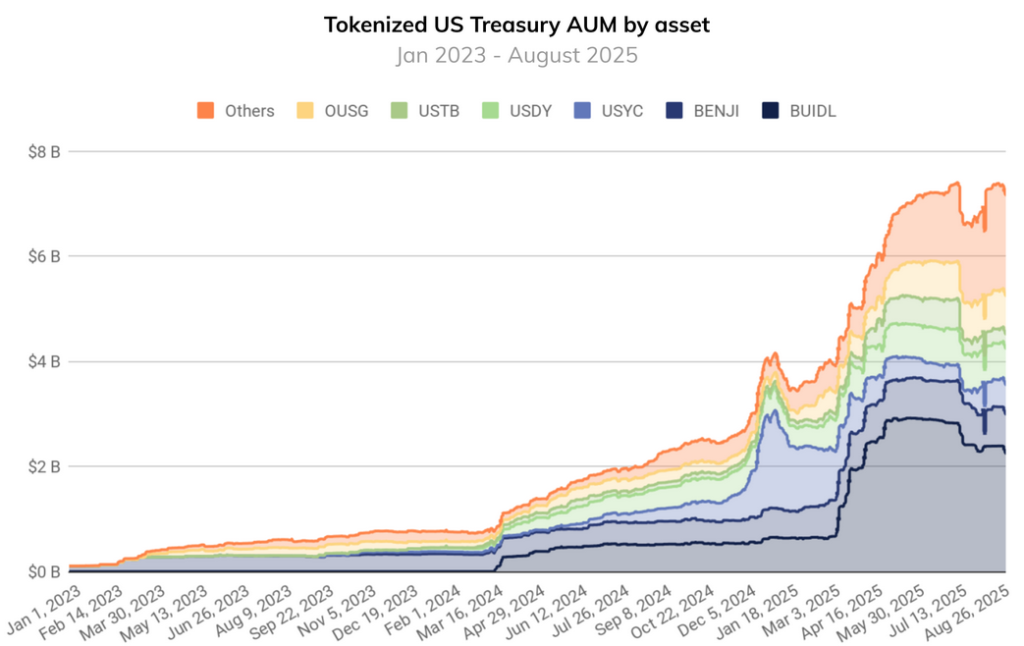
[“Convergence of Traditional Finance and Digital Assets in Japan”]
Conclusion: The Inevitable Repricing of Digital Scarcity
What unites these developments is not speculation, hype, or retail enthusiasm. It is structure.
Nation-states are weaponizing digital assets for survival. Institutions are absorbing supply for yield and control. Governments are building regulated highways for mass participation.
Together, these forces are rewriting the definition of money. Scarcity is no longer abstract—it is enforced by geopolitics, balance sheets, and policy.
Those who recognize this shift early will position themselves on the right side of the largest value transfer in modern financial history. Those who dismiss it as cyclical noise may find themselves permanently priced out of the new monetary order.
