
Main Points :
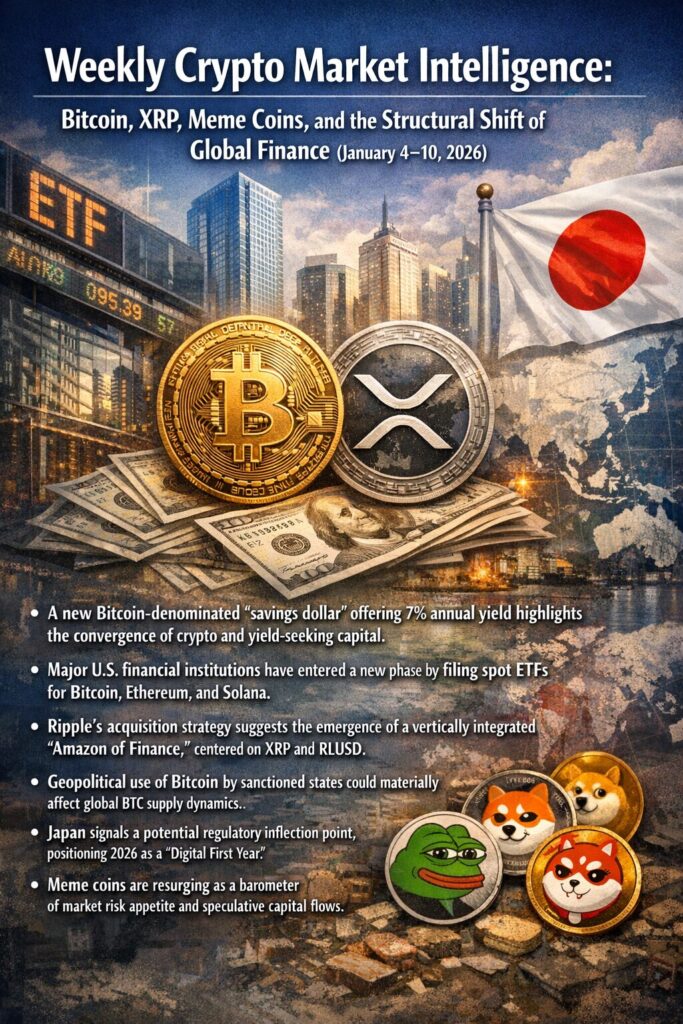
- A new Bitcoin-denominated “savings dollar” offering 7% annual yield highlights the convergence of crypto and yield-seeking capital.
- Major U.S. financial institutions have entered a new phase by filing spot ETFs for Bitcoin, Ethereum, and Solana.
- Ripple’s acquisition strategy suggests the emergence of a vertically integrated “Amazon of Finance,” centered on XRP and RLUSD.
- Geopolitical use of Bitcoin by sanctioned states could materially affect global BTC supply dynamics.
- Japan signals a potential regulatory inflection point, positioning 2026 as a “Digital First Year.”
- Meme coins are resurging as a barometer of market risk appetite and speculative capital flows.
Introduction: A Week That Signals a Structural Transition
The first full week of January 2026 delivered a dense cluster of developments that, when viewed together, suggest that the cryptocurrency market is entering a new structural phase rather than merely another speculative cycle. From yield-bearing Bitcoin-linked instruments to spot ETF filings by a major U.S. investment bank, and from state-level Bitcoin accumulation to renewed meme-coin speculation, the market narrative is expanding in both depth and scope.
This article synthesizes the most important developments from January 4 to January 10, 2026, originally highlighted in Japanese crypto media, and enriches them with global context, comparative analysis, and forward-looking implications for investors and builders seeking new digital assets, income opportunities, and practical blockchain applications.
1. The World’s First “Bitcoin Dollar” Offering 7% Yield
[Conceptual diagram of a Bitcoin-linked savings token and yield accrual]
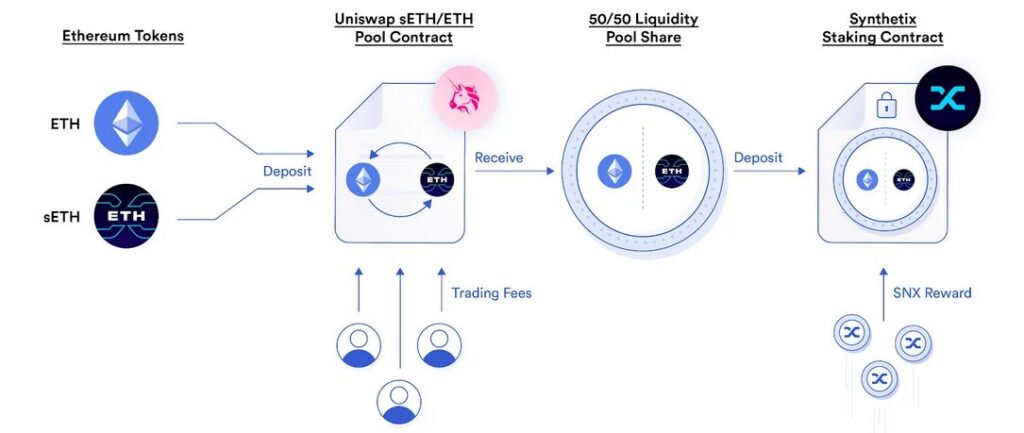
A Miami-based digital asset technology firm, Buck Labs, announced the launch of “Buck,” described as the world’s first Bitcoin-denominated dollar savings coin. The defining feature of Buck is its promise of a 7% annual yield, accrued on a minute-by-minute basis, positioning it as a yield-centric alternative to both traditional stablecoins and conventional savings products.
Unlike most stablecoins that focus solely on price stability, Buck is explicitly designed around predictable income generation. This reflects a broader market trend: investors increasingly demand on-chain instruments that combine capital preservation with yield, particularly in an environment where real yields in traditional finance remain volatile.
From a structural perspective, Buck represents an attempt to bridge three previously separate domains:
- Bitcoin-based value anchoring,
- Dollar-denominated accounting,
- Continuous yield distribution.
If scalable and transparent, such products could attract capital that would otherwise remain in money market funds or short-duration bonds, especially among global users underserved by legacy banking systems.
2. Morgan Stanley’s Spot ETF Filings: Institutional Crypto Enters a New Phase
[Timeline of institutional crypto adoption and ETF milestones]
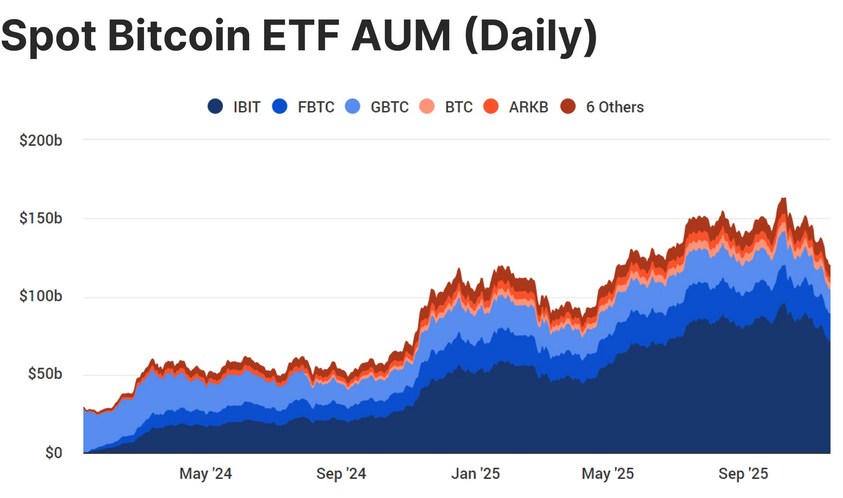
On January 6, Morgan Stanley became the first major U.S. bank to file registration statements (Form S-1) with the SEC for spot ETFs linked to Bitcoin, Ethereum, and Solana. The proposed products—each structured as a trust tracking the underlying asset price—mark a significant escalation in institutional engagement with crypto markets.
While previous ETF approvals were driven largely by asset managers, the direct involvement of a systemically important bank carries symbolic and practical weight. It signals that crypto exposure is no longer treated as an experimental satellite allocation but is being integrated into mainstream portfolio construction.
For investors, this development implies:
- Increased liquidity and price discovery,
- Reduced friction for institutional capital inflows,
- Greater regulatory clarity around custody and market surveillance.
In parallel, Solana’s inclusion alongside Bitcoin and Ethereum underscores a diversification trend within institutional crypto exposure, suggesting that performance, throughput, and ecosystem growth are now decisive factors in asset selection.
3. Ripple’s “Amazon of Finance” Vision Built on XRP and RLUSD
[Ripple’s vertically integrated financial infrastructure model]
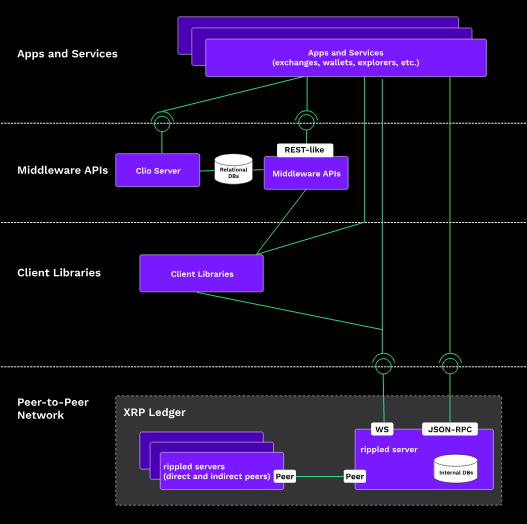
According to commentary by Digital Ascension Group CEO Jake Claver, Ripple’s recent acquisition spree—totaling approximately $2.45 billion over seven months—should not be viewed as isolated corporate actions. Instead, it reflects a deliberate strategy to build a vertically integrated financial infrastructure, analogous to Amazon’s dominance in e-commerce logistics.
Ripple’s vision centers on controlling the full financial stack:
- Payments and messaging,
- Clearing and settlement,
- Custody and asset servicing,
- Treasury and liquidity management.
At the core of this system sit XRP as a neutral bridge asset and RLUSD as a compliant stablecoin. If successful, this model could allow financial institutions to outsource significant operational complexity to a blockchain-native infrastructure, potentially reducing costs and settlement times across borders.
For market participants, this strategy reframes XRP not merely as a speculative asset but as a utility token embedded in institutional workflows—a distinction that could materially affect its long-term valuation dynamics.
4. Venezuela’s Alleged Bitcoin Reserves and the Geopolitics of Supply
Reports emerged on January 4 suggesting that Venezuela may have accumulated between 600,000 and 660,000 BTC, potentially worth over $60 billion, as part of a long-term strategy to circumvent international sanctions. These holdings were allegedly acquired through gold sales, oil transactions, and seized mining operations.
If verified, such reserves would represent roughly 3% of Bitcoin’s circulating supply. The implications are profound:
- Any seizure or freezing of these assets could materially constrain market supply.
- State-level Bitcoin holdings introduce a geopolitical layer to price dynamics.
- Bitcoin’s role as a sanctions-resistant asset gains empirical validation.
This development reinforces the notion that Bitcoin is evolving into a strategic reserve asset—not only for corporations and funds, but also for sovereign actors operating outside traditional financial systems.
5. Japan’s “Digital First Year” and the Prospect of a Bitcoin ETF
Japanese Minister of Finance and Financial Services, Satuki Katayama, declared 2026 to be Japan’s “Digital First Year” during the Tokyo Stock Exchange’s opening ceremony. She explicitly referenced the success of crypto ETFs in the United States and emphasized the importance of exchanges in enabling public access to blockchain-based digital assets.
While no immediate policy changes were announced, the rhetoric signals a potential regulatory pivot. Japan’s historically cautious stance toward crypto may give way to a more proactive framework that encourages innovation while maintaining investor protection.
For global markets, Japan’s participation could:
- Add a new axis of institutional demand,
- Influence regulatory harmonization in Asia,
- Legitimize crypto ETFs as standard financial instruments.
6. Meme Coins Return as a Risk-On Indicator
By January 8, social media engagement and market capitalization data indicated a renewed surge in meme-coin interest. Historically, meme coins function as high-beta instruments, amplifying broader market sentiment rather than driving fundamentals.
Their resurgence suggests:
- A revival of speculative risk appetite,
- Increased retail participation,
- Early signals of an emerging altcoin season.
While volatile and often short-lived, meme-coin cycles provide valuable insight into capital rotation patterns and market psychology, particularly for traders seeking momentum-based opportunities.
Conclusion: From Speculation to Infrastructure
The events of early January 2026 collectively illustrate a market in transition. Yield-bearing Bitcoin instruments, institutional ETF filings, vertically integrated blockchain finance, geopolitical adoption, regulatory signaling, and speculative revival all point toward a maturing yet still dynamic ecosystem.
For investors and builders, the message is clear: the next phase of crypto growth will be driven not by isolated price rallies, but by infrastructure, regulation, and real-world integration. Those who understand these structural shifts will be best positioned to identify sustainable opportunities in the evolving digital asset economy.
