
Key Takeaways :
- Bitcoin shows early signs of bottom formation within the $60,000–$75,000 range
- Ethereum faces whale selling but strengthens long-term scalability and quantum readiness
- XRP expands into real-world finance via Singapore’s Project BLOOM
- Solana accelerates enterprise adoption through new API-based infrastructure
- Market structure suggests accumulation phase rather than immediate breakout
Introduction: A Market in Transition, Not Collapse
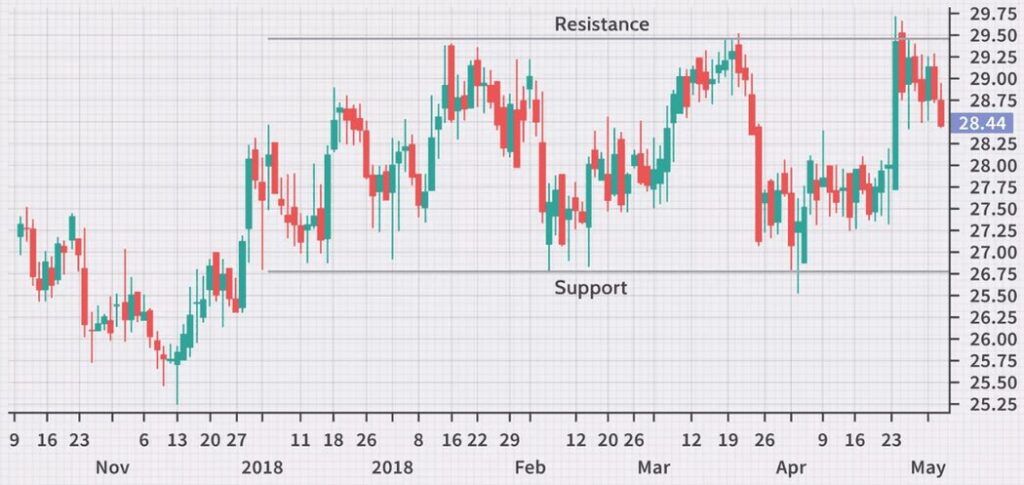
The cryptocurrency market in 2026 is entering a phase that, at first glance, may appear uneventful. Prices are not surging dramatically, nor are they collapsing. However, beneath this apparent calm lies a structurally significant transition. This phase is increasingly being interpreted not as stagnation, but as accumulation—a precursor to future expansion.
Major assets such as Bitcoin, Ethereum, XRP, and Solana are each undergoing distinct but interconnected transformations. These developments span mining dynamics, institutional capital flows, quantum-resistant security, AI integration, and real-world financial adoption.
For investors seeking the next wave of opportunity—not just speculative gains but practical blockchain applications—this period may represent one of the most critical inflection points in the digital asset market.
Bitcoin: Signs of Bottom Formation and Structural Stability
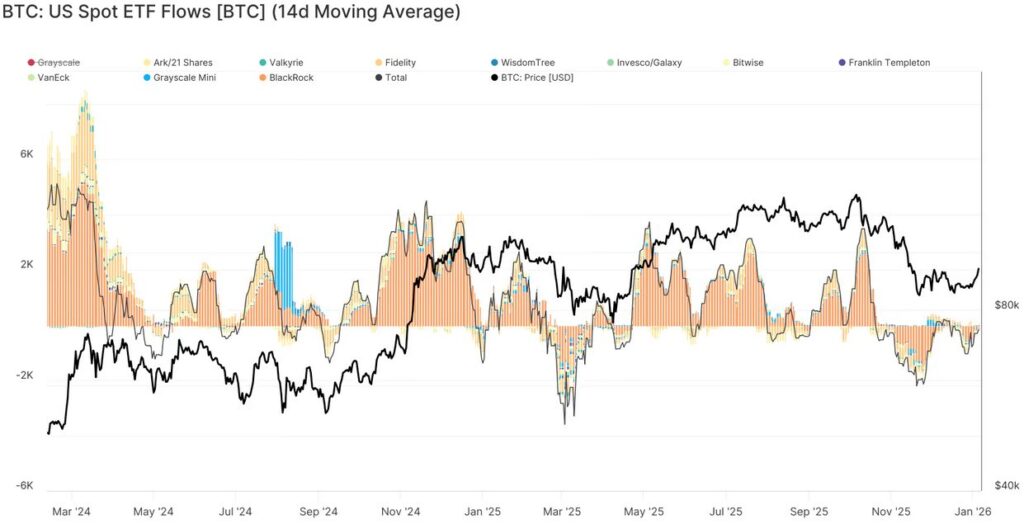
(Bitcoin Range Structure and ETF Flow Trend Visualization)
Bitcoin declined modestly by -1.9% over the past week, trading around $68,860. While this may suggest weakness, deeper indicators point toward stabilization rather than decline.
One of the most notable developments is the 7.76% drop in mining difficulty, marking the second-largest adjustment of 2026. Such declines often reflect temporary miner stress or network recalibration, which historically precedes stronger price phases.
Simultaneously, institutional behavior continues to reinforce bullish long-term narratives. Strategy (formerly MicroStrategy) announced a massive $44.1 billion equity issuance program, signaling continued commitment to Bitcoin accumulation.
More importantly, ETF flows—one of the strongest institutional indicators—have turned slightly positive since late February. According to market research, this shift may indicate that selling pressure has significantly diminished.
On-chain analytics further support this interpretation. While spot trading volume remains subdued, Bitcoin has demonstrated resilience after dipping toward $67,000. The current price action suggests a range-bound accumulation phase between $60,000 and $75,000, often associated with market bottoms in previous cycles.
In essence, Bitcoin is not surging—but it is no longer falling. That distinction matters.
Ethereum: Short-Term Selling vs Long-Term Reinvention
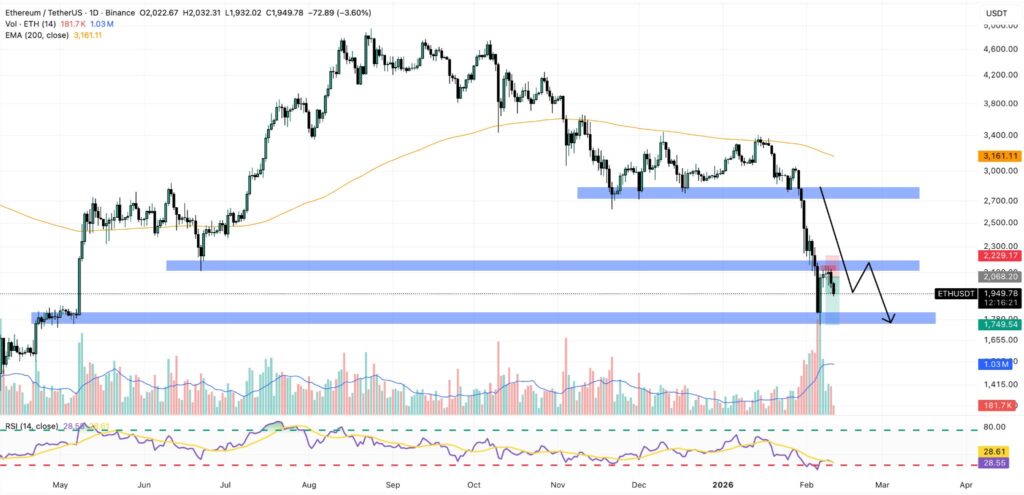
(Ethereum L1–L2 Relationship and Rollup-Centric Architecture)
Ethereum experienced a sharper decline of -3.2%, trading near $2,069. The primary driver behind this movement is large-scale profit-taking by early investors, with approximately $41 million worth of ETH sold in a single day.
This behavior reflects a broader pattern: large holders are capitalizing on gains after Ethereum’s previous highs, creating short-term downward pressure.
However, focusing solely on price would overlook Ethereum’s most important developments.
The Ethereum Foundation has released a new framework redefining the relationship between Layer 1 and Layer 2 networks. Rather than simply scaling Ethereum, the new vision emphasizes functional differentiation, where L2 solutions specialize while L1 provides security and settlement.
Additionally, Ethereum is taking a proactive stance on one of the most critical future risks: quantum computing. By consolidating over eight years of research into a unified initiative, the network aims for full quantum resistance readiness by 2029.
This dual-track evolution—scaling through rollups and securing against quantum threats—positions Ethereum not merely as a blockchain, but as a future-proof financial infrastructure layer.
Thus, while short-term sentiment may appear weak, Ethereum’s long-term trajectory remains fundamentally strong.
XRP: Bridging Blockchain and Global Trade Finance
(XRP Institutional Adoption and Trade Finance Integration Flow)
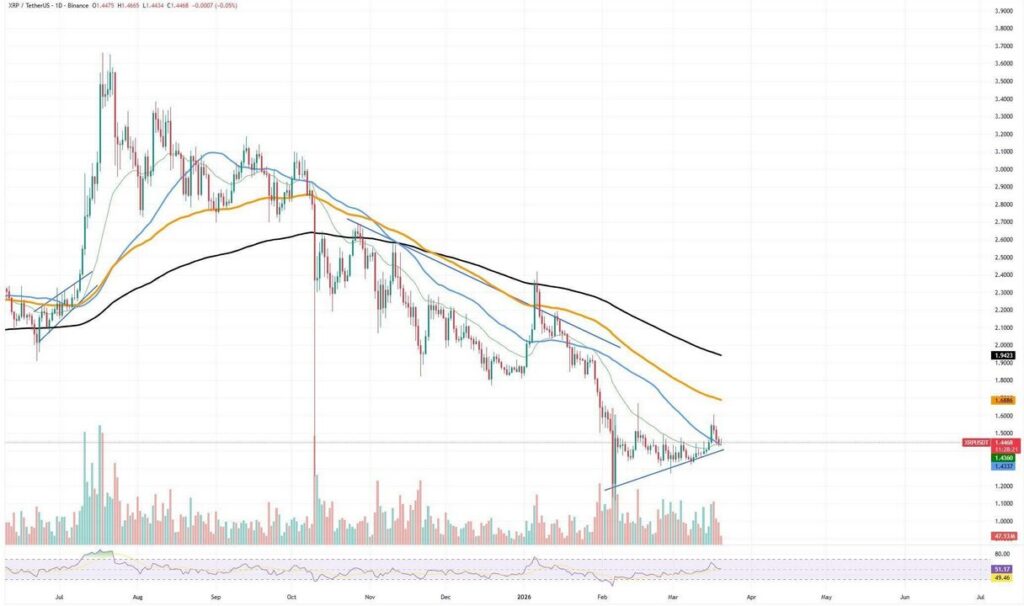
XRP declined -5.7% over the week, trading around $1.36. Despite this, it is arguably one of the most strategically advancing assets in the current market.
Ripple’s participation in Singapore’s central bank initiative, Project BLOOM, represents a major step toward real-world blockchain integration. By collaborating with fintech firms, Ripple aims to transform cross-border trade payments—one of the largest and most inefficient sectors in global finance.
Unlike speculative use cases, trade finance offers immediate, high-value applications, including faster settlement, reduced counterparty risk, and improved transparency.
In parallel, Ripple has announced the integration of artificial intelligence to enhance the security of the XRP Ledger. AI-driven code analysis enables detection of vulnerabilities that traditional methods may overlook, marking a significant shift toward autonomous blockchain security systems.
Together, these developments signal XRP’s transition from a payment-focused cryptocurrency to a core infrastructure layer for global financial systems.
Solana: Enterprise Adoption Through Developer Infrastructure
Solana saw a modest decline of -2.4%, trading at $86.75. However, its latest development may prove far more important than short-term price movements.
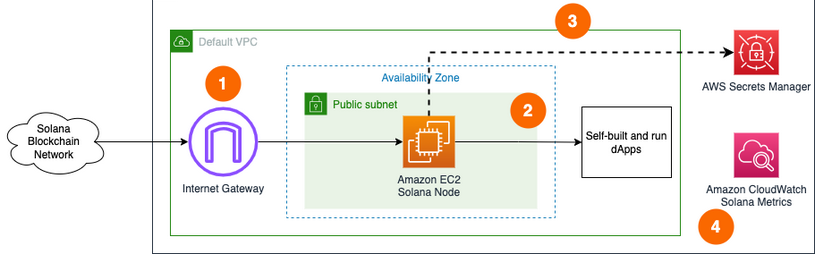
The Solana Foundation has launched the Solana Developer Platform (SDP), an API-based infrastructure designed specifically for enterprises and financial institutions.
The platform consists of three core modules:
- Issuance Module
- Payment Module
- Trading Module
This modular approach significantly lowers the barrier for companies to build blockchain-based financial products.
Rather than requiring deep blockchain expertise, businesses can now integrate Solana’s capabilities through standardized APIs. This represents a major step toward mainstream enterprise adoption of blockchain technology.
Solana’s strategy is clear: instead of competing solely on speed or cost, it is positioning itself as the backend infrastructure for next-generation financial applications.
Market Outlook: Accumulation Before Expansion
Across all major assets, a common pattern emerges:
weak price momentum, but strong structural development.
This divergence is critical.
Historically, major bull cycles are preceded by periods where:
- Price volatility declines
- Institutional activity increases
- Infrastructure development accelerates
The current market fits this pattern closely.
Bitcoin is stabilizing, Ethereum is reinventing its architecture, XRP is entering real-world finance, and Solana is enabling enterprise integration.
These are not signals of a declining market—they are signals of preparation.
Conclusion: The Quiet Phase Before the Next Wave
The cryptocurrency market in 2026 is not defined by hype—it is defined by groundwork.
For investors and builders alike, this distinction is crucial.
Speculative cycles may capture attention, but sustainable value emerges from:
- Institutional integration
- Technological resilience
- Real-world utility
Bitcoin’s bottoming signals, Ethereum’s long-term upgrades, XRP’s institutional expansion, and Solana’s developer infrastructure all point toward a future where blockchain is not just an asset class—but a foundational layer of the global economy.
The market may appear quiet today.
But structurally, it is louder than ever.
